Coastal Georgia Barrier Island Hunts
The idea of hunting Georgia's barrier islands often feels like a distant dream for many hunters, shrouded in tales of challenging access, unique wildlife, and a wild, untamed coastal environment. It's easy to assume these hunts are out of reach, reserved for a select few or too complicated to even begin planning. But I'm here to tell you that with the right understanding and preparation, these incredible experiences are absolutely attainable. This guide will demystify the process, lay out the unique challenges, and equip you with the knowledge to pursue a truly unforgettable hunt on Georgia's wild coast.
The Unique Allure of Georgia's Barrier Island Hunts
There's something profoundly different about hunting on Georgia's barrier islands. It's not just another deer hunt; it's an immersion into an ecosystem unlike any other in the state. These islands, often only accessible by boat, offer a rugged, remote experience that transports you far from the usual hustle and bustle of mainland hunting. The air tastes of salt, the ground beneath your feet is a mix of sand, mud, and ancient shell middens, and the wildlife has adapted to this distinct environment in fascinating ways. It's a journey back in time, where the hunting often feels more primal and the rewards, whether a harvested animal or simply the profound sense of solitude, are deeply satisfying.
A World Apart: Ecosystems and Wildlife
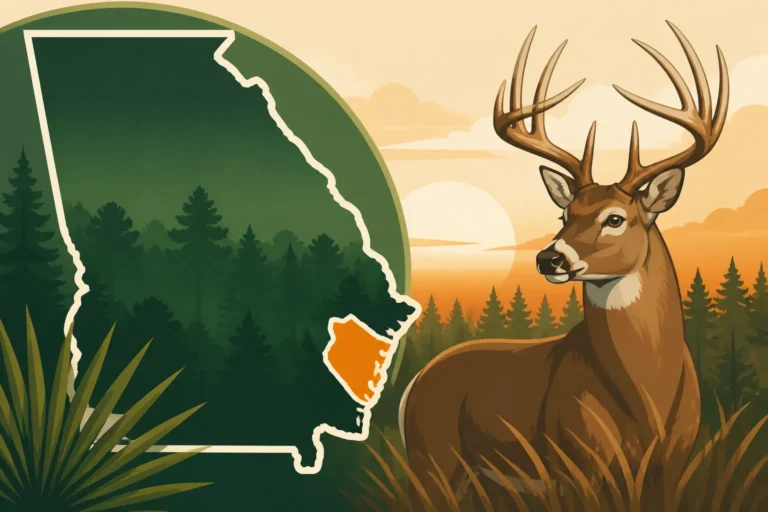
Georgia's barrier islands are ecological treasures, a thin line of land protecting the mainland from the Atlantic's full force. Each island boasts a unique mosaic of habitats, from saltmarsh and maritime forest to pristine beaches and freshwater sloughs. These diverse ecosystems support a surprising array of wildlife, including healthy populations of white-tailed deer, feral hogs, and often a robust population of alligators. The deer here are often smaller-bodied than their mainland cousins but incredibly wily, adapted to the dense palmetto thickets and limited freshwater sources. Their antlers, while perhaps not record-breaking in size, are often dense and uniquely shaped, a testament to their island existence.
Beyond the big game, these islands are critical stopovers and breeding grounds for countless migratory birds, offering opportunities for waterfowl hunting in the surrounding marshes or even dove hunting in specific managed fields. The sheer biodiversity is astounding, and even when the hunting is slow, the opportunity to witness roseate spoonbills feeding, bald eagles soaring, or dolphins playing in the surf makes every moment worthwhile. It's truly a special place where nature feels both fragile and incredibly resilient, demanding a certain respect from those who visit.
The Historical Hunting Context of the Coast
Hunting on Georgia's barrier islands isn't a new phenomenon; it's a tradition deeply rooted in the state's history. For centuries, native populations relied on the abundant game and marine resources of these islands. Later, during the plantation era, many islands became private hunting estates, managed for deer, quail, and other game. Today, while some islands remain privately owned, several are managed as state-owned wildlife management areas or refuges, preserving their ecological integrity while allowing controlled public hunting opportunities.
This rich history adds another layer to the experience. You might be still-hunting a maritime forest where generations of hunters have walked, or setting up a stand near an old shell ring, a silent testament to ancient habitation. Understanding this context helps appreciate the privilege of being able to hunt these lands. It's a reminder that we are stewards of these special places, carrying on a tradition that connects us to the land and those who came before. These are not just hunting grounds; they are living historical landscapes.
Navigating Access: How to Hunt Georgia's Barrier Islands
Gaining access to hunt Georgia's barrier islands is often the biggest hurdle for interested hunters. Unlike the vast expanse of the Chattahoochee-Oconee National Forest, these islands are mostly managed through a quota hunt system, meaning you can't just show up with a license. The process requires planning, application, and sometimes a bit of luck, but the exclusivity it brings ensures a high-quality, uncrowded hunting experience that is well worth the effort. It's all about understanding the rules of the game and playing by them.
Quota Hunts: The Primary Gateway
For most public access to Georgia's barrier island hunting, quota hunts are the name of the game. These are lottery-based drawings where a limited number of hunters are selected for specific hunting periods on designated islands. The primary goal of these hunts is to manage game populations responsibly and provide a quality hunting experience by limiting pressure. This system is crucial for preserving the delicate ecosystems of the islands and ensuring sustainable hunting for generations to come.
Applying for a quota hunt involves submitting your name into a drawing for preferred dates and islands. You'll typically accumulate preference points for unsuccessful applications, increasing your odds in subsequent years. It’s a waiting game sometimes, but the payoff is usually fantastic. Many hunters consider the opportunity to hunt a place like Sapelo or Ossabaw Island to be a bucket-list experience, not just for the hunting itself, but for the chance to explore these largely untouched natural wonders. Be sure to check the Georgia Quota Hunt Application Window well in advance.
Understanding Logistics and Preparations
Once you've secured a quota hunt slot, the real logistical planning begins. Unlike mainland hunts where you might drive right to your stand, barrier island hunts often require boat access. This means either owning a suitable vessel, coordinating with a buddy who does, or arranging for a local charter service to drop you off and pick you up. You'll need to consider tide charts, weather conditions, and the capacity of your chosen transport for all your gear and any potential harvest.
Another critical aspect is self-sufficiency. Many of these islands have limited or no facilities, meaning you'll need to pack in everything you need: food, water, camping gear, first-aid, and all your hunting equipment. Think about how you'll keep your food cool, filter water, and manage waste. Field dressing and meat care will also need careful consideration, especially in warm coastal weather. Field Dressing a Deer in Warm Weather is a crucial skill. A deer cart or game carrier might be invaluable depending on the island's terrain, as some areas are incredibly thick or boggy.
Key Island Destinations and Their Specifics
Georgia is home to several barrier islands, but not all of them offer public hunting, and those that do have unique characteristics. Two of the most prominent islands for public quota hunts are Ossabaw Island and Sapelo Island.
Ossabaw Island is one of Georgia's largest barrier islands and is managed primarily for conservation, but it does offer a limited number of quota hunts, predominantly for white-tailed deer and feral hogs. It's known for its extensive maritime forest and beautiful, undeveloped beaches. The deer here are plentiful, but the hunting can be tough due to the dense cover. Hunters often arrive by ferry or private boat, bringing all their supplies for a multi-day campout. The primitive nature of the experience is a huge draw for those seeking true wilderness hunting.
Sapelo Island also hosts quota hunts for deer and hogs, and like Ossabaw, it's a significant ecological and historical site. Access to Sapelo is typically via a state-run ferry from Meridian. Hunters usually stay in designated primitive camping areas or, on some hunts, in bunkhouse-style accommodations. The island offers diverse habitats, from marsh edges to dense hammock forests, providing varied hunting opportunities. Applying for a hunt here is a fantastic way to experience this historic island. Be sure to look into Applying for a Sapelo Island Hunt.
Both islands provide an unparalleled opportunity to hunt in truly wild settings, but they demand respect for their unique environments and adherence to strict regulations designed to protect these precious resources. Always research the specific rules for the island you're applying to, as they can vary greatly.
Target Species and Hunting Challenges
Hunting Georgia's barrier islands isn't just about bagging an animal; it's about engaging with the environment and adapting to its unique demands. The target species here, primarily white-tailed deer and feral hogs, have evolved to thrive in this coastal landscape, presenting distinct challenges and requiring specialized tactics. This isn't your typical pine plantation hunt; it's a much more dynamic and often unforgiving experience.
Deer Hunting: Adapting to Island Whitetails
Island deer in Georgia are often characterized by their smaller body size compared to their mainland counterparts. This isn't necessarily a sign of poor health but rather an adaptation to limited resources and a high deer density in some areas. What they lack in bulk, they often make up for in cunning and resilience. These deer navigate dense palmetto thickets, salt-tolerant shrubs, and maritime forests with incredible ease, making tracking and still-hunting particularly challenging.
Their movement patterns are also influenced by the tides and available freshwater. They might bed down in higher ground during high tide, or congregate around freshwater sloughs and ponds in drier periods. Understanding these subtle shifts is key. Tree stands and ground blinds are both effective, but placement needs to consider the prevailing winds off the ocean and the dense vegetation. Shots are typically close, often within 50 yards, so bowhunting or using a shotgun with slugs can be very effective. Be prepared for thick cover and short shooting lanes. If you're considering a bow, research Crossbow Versus Vertical Bow in Georgia to see what best fits your style.
Other Opportunities: Hogs, Turkeys, and Waterfowl
While deer are often the primary draw, feral hogs are an equally, if not more, prevalent and destructive species on Georgia's barrier islands. They thrive in the marsh edges and dense forests, rooting through the delicate ecosystems and damaging native plant life. Consequently, hog hunting is often encouraged and can be incredibly rewarding. Hogs move at all times, but dawn and dusk, especially near water sources or food plots, are prime times. They are tough animals, so accurate shot placement is crucial. Many island hunts allow hog harvesting in addition to deer, offering a bonus opportunity. Familiarize yourself with Georgia Feral Hog Regulations.
While less common, some islands might offer limited opportunities for other game. Waterfowl hunting, particularly for various duck species, can be fantastic in the surrounding marshes during specific seasons. Species like wood ducks, teal, and even some divers can be found. Always check specific island regulations, as migratory bird hunting typically requires separate permits and stamps. The unique environment of a coastal marsh requires specific strategies like those detailed in Hunting Coastal Georgia Marsh Waterfowl. Turkeys are not typically a primary target on most barrier island quota hunts, but some islands might have resident populations; again, verify specific regulations.
Environmental Obstacles: Tides, Terrain, and Critters
Beyond the game itself, the environment presents its own set of formidable challenges. The most significant is undoubtedly the tide. Knowing the tide schedule is not just for boat access; it impacts deer movement, your ability to traverse certain areas, and even the placement of ground blinds. What might be dry ground at low tide could be submerged at high tide, potentially stranding gear or limiting escape routes.
The terrain itself is a mix of deep sand, slick mud, dense palmetto thickets, and occasionally soft marshy areas. Walking long distances can be exhausting, and dragging a deer through this can be a Herculean task. Then there are the critters: mosquitoes, gnats, and no-see-ums can be relentless, especially in warmer months. Strong insect repellent is non-negotiable. And, of course, the possibility of encountering venomous snakes, particularly cottonmouths and rattlesnakes, means Snake Boots for Georgia Swamp Ground are highly recommended, along with constant vigilance. Always be aware of your surroundings and respect the wild nature of these islands.
Essential Gear and Preparation for Coastal Hunts
Successfully hunting Georgia's barrier islands isn't just about showing up with a rifle and a license. It demands a carefully considered gear list and a methodical approach to preparation. The remote, often wet, and challenging environment of these islands means your equipment needs to be robust, reliable, and capable of keeping you comfortable and safe in conditions that can change rapidly. Think self-sufficiency and durability.
Specialized Equipment for Saltwater Environments
When packing for an island hunt, you need to think about items that can withstand salt spray, humidity, and potential submersion. Your choice of firearm or bow should be something you're comfortable exposing to these elements, or at least that can be easily protected. Corrosion is a real concern for metal parts, so proper cleaning and lubrication are essential both before and after the hunt. Waterproof cases for electronics, ammunition, and other sensitive items are a must.
Footwear is paramount. Waterproof boots, preferably snake boots that offer protection against various hazards, are essential for navigating the often-wet and brushy terrain. Your clothing should be quick-drying and layered. Even in cooler months, the humidity can make insulated layers feel damp. Breathable, lightweight materials are your friend, as is a reliable rain suit that can handle sudden coastal squalls. Don't forget a sturdy game bag and plenty of ice for meat preservation, as temperatures can quickly spoil a harvest, especially if your ferry or boat ride back is delayed.
Packing for Remote, Self-Sufficient Expeditions
Since many barrier island hunts are primitive camping experiences, your packing list takes on the gravity of a true expedition. Beyond hunting gear, you'll need a reliable tent or shelter, a sleeping bag appropriate for the forecasted temperatures, and a comfortable sleeping pad. Water purification is non-negotiable; while some islands might have limited potable water, always assume you'll need to filter or carry all your own. A quality water filter or enough bottled water is crucial.
Food choices should be non-perishable and calorie-dense. Freeze-dried meals are lightweight and easy, but also consider canned goods or other provisions that don't require refrigeration. A portable stove and fuel are necessary for cooking and boiling water. Don't skimp on a comprehensive first-aid kit, including blister care, pain relievers, allergy medication, and any personal prescriptions. Remember, you might be hours, or even a full day, from proper medical attention. A good multi-tool, headlamp with extra batteries, and cordage (rope) are also indispensable.
Navigation and Communication in Isolated Settings
Navigation on barrier islands can be tricky. While some areas have established trails, many hunts involve venturing into dense, unmarked territory. A reliable GPS unit or a smartphone with robust offline mapping capabilities is absolutely essential. This is where tools like onX Hunt truly shine. Their app allows you to download detailed satellite imagery and topographic maps for offline use, mark waypoints for your stand, camp, or even a blood trail, and clearly see public/private land boundaries. Having a digital map on your phone or a dedicated GPS can literally be a lifesaver when trying to find your way back to camp after dark or tracking a deer in thick cover.
Always carry a compass and a physical map as a backup, and know how to use them. Cell service can be spotty or nonexistent on remote islands, making communication challenging. A satellite messenger device, like those offered by GoHunt partners or other brands, can provide a critical lifeline for emergency communication, allowing you to send messages and trigger an SOS even without cell signal. Informing someone of your itinerary, including your exact destination and expected return time, is also a crucial safety measure. Two-way radios can be useful for communicating with hunting partners on the island, but their range will be limited by dense vegetation.
Planning Your Barrier Island Adventure
The success of a barrier island hunt hinges heavily on the planning stages. From understanding the application process to the crucial pre-hunt scouting and managing post-harvest logistics, every step needs careful consideration. These are not spur-of-the-moment trips; they are well-orchestrated adventures that reward meticulous preparation.
The Quota Hunt Application Process
The journey to an island hunt typically begins with the quota hunt application. Georgia's wildlife resources division manages these drawings, and it's imperative to understand the deadlines, point systems, and specific hunt details. Most states use a preference point system where unsuccessful applicants gain a point, increasing their odds in future drawings. This means if you don't get drawn the first time, don't get discouraged! Keep applying, and your chances will improve.
Before applying, research the specific islands and hunts available. Some islands might offer archery-only hunts, while others allow firearms or primitive weapons during certain seasons. Understand the species targeted, the bag limits, and any special regulations unique to that island. For instance, some islands might have strict rules about the type of broadheads you can use or specific check-in/check-out procedures. You can find general information on various hunt types, including Primitive Weapons Hunting in Georgia, which might be relevant for some island hunts. The Georgia Quota Hunt Application Season is usually a key window you don't want to miss.
Pre-Hunt Scouting and Intel Gathering
Since physical pre-hunt scouting on a barrier island is often impractical due to access restrictions and cost, virtual scouting becomes incredibly important. This is another area where digital mapping tools like onX Hunt are invaluable. Spend hours poring over satellite imagery, identifying potential travel corridors, pinch points, bedding areas, and freshwater sources. Look for subtle changes in vegetation that might indicate higher ground or more open areas. Identify access points for boats and potential camping locations.
Beyond satellite imagery, seek out hunt reports or forums from previous hunters who have drawn tags on that specific island. Their experiences can offer invaluable insights into game behavior, terrain challenges, and logistical considerations. Pay close attention to details about water levels, insect pressure, and specific stand locations that proved successful. Talk to local guides or charter services if possible; they often have a wealth of knowledge about the islands and can provide real-time updates on conditions.
Post-Harvest Logistics on an Island
Congratulations, you've harvested an animal on a barrier island! Now comes the critical challenge of getting it off the island and properly cared for. This step is often overlooked but can make or break the entire experience. Immediately after the shot, focus on Tracking a Deer Through Georgia Pine Straw or whatever unique ground cover the island presents. Once recovered, rapid field dressing is essential, especially in warm coastal temperatures. Having the right field dressing knives and knowing the gutless method can save considerable effort.
Consider how you will quarter the animal to make it more manageable for transport. A heavy-duty cooler filled with ice is absolutely necessary for preserving the meat during the boat ride back and until you can get it to a processor. Coordinate with your boat captain or ferry schedule to ensure a timely pick-up. Dragging a whole deer through dense palmettos and across sandy terrain to a pick-up point can be incredibly strenuous, so having a plan for breaking down the animal on site is usually the most practical approach.
Table: Georgia Barrier Island Hunting Overview
Here's a quick look at a couple of popular barrier island hunting destinations and what to expect:
| Island Name | Primary Game Species | Access Method | Typical Hunt Type | Notable Challenges | Unique Features |
|---|---|---|---|---|---|
| Sapelo Island | Deer, Feral Hog | State Ferry / Boat | Quota Hunt (Archery/Firearms) | Dense cover, humidity, mosquitoes | Historic sites, pristine beaches, diverse habitat |
| Ossabaw Island | Deer, Feral Hog | Private Boat / Charter | Quota Hunt (Archery/Firearms) | Extremely remote, thick palmettos, sand | Untouched wilderness, large maritime forests |
Remember, specific rules, season dates, and available game can change annually, so always verify current regulations directly with the Georgia Department of Natural Resources (DNR) before making any plans.
Disclaimer
This article is for general informational purposes only and does not constitute professional advice. Laws, prices and regulations vary by location and change over time. Consult a qualified professional for guidance on your specific situation.