Georgia’s Long Firearms Deer Season
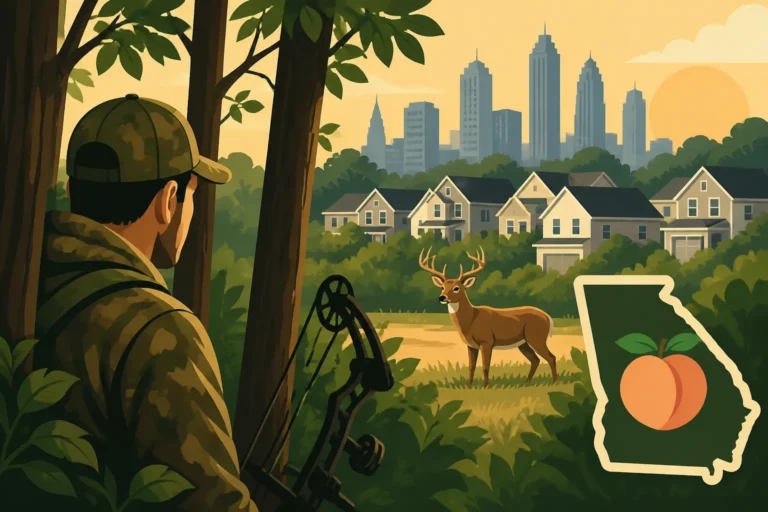
The crisp chill of a Georgia autumn morning, the crunch of fallen leaves underfoot, the anticipation that hums through the woods – there’s nothing quite like deer season in the Peach State. But let’s be real, for many of us, the opening day of firearms season isn't just a day; it's the gateway to months of chasing whitetails. Georgia boasts one of the most generous and extensive firearms deer seasons in the country, offering incredible opportunities, but also presenting its own unique set of challenges. This guide is designed to help you navigate those long months, from the initial rush of opening day to the quiet, determined hunts of January, ensuring you make the most of every moment afield.
Understanding the Georgia Firearms Deer Season Structure
Georgia's firearms deer season is a marathon, not a sprint, and knowing its structure is key to planning a successful hunting strategy. Unlike some states with very short windows, Georgia offers a substantial period for hunters to pursue deer with modern firearms. This extended season provides flexibility, but also means adapting your tactics as the weeks turn into months and conditions change dramatically.
Statewide Season Dates and Key Zones
Generally, Georgia's firearms deer season kicks off around mid-October and typically runs all the way through the first or second Sunday of January. This lengthy period covers a vast array of conditions, from still-warm October days to the bitter cold snaps of deep winter. You'll find specific dates published by the Georgia Department of Natural Resources (DNR) each year, so it's always critical to double-check the official regulations. For instance, the general Georgia Statewide Firearms Season Dates often see hunters pouring into the woods, especially on private land across the Piedmont and Coastal Plain, while the North Georgia mountains can sometimes have slightly different schedules or shorter windows. This long duration means that deer behavior, food sources, and even hunting pressure will fluctuate significantly throughout the season, requiring hunters to remain adaptable.
Primitive Weapons Overlap and Transition
One fascinating aspect of Georgia's deer season is how the different weapon types seamlessly transition or even overlap. Often, the firearms season begins right after, or sometimes even during, a dedicated primitive weapons season. This means that deer, particularly on public lands or heavily hunted private tracts, might already be experiencing some pressure from muzzleloaders and archery hunters before the roar of centerfire rifles truly begins. When the firearms season opens, you'll immediately notice a shift in the woods. Deer that were perhaps still moving somewhat predictably for bowhunters might become much more nocturnal or seek out thicker cover when faced with increased human activity and the sound of gunshots. Understanding this transition is crucial. If you've been hunting during Primitive Weapons Hunting in Georgia, be prepared for a change in deer patterns as soon as the general firearms season opens. It’s a good idea to scout for new bedding areas or escape routes that deer might utilize when the pressure ramps up.
The Extended Southwest Georgia Season
As if the regular season wasn't long enough, dedicated hunters in Southwest Georgia get an extra treat: the extended season. This special period, typically running for several additional weeks after the statewide close, is generally concentrated in specific counties known for their agricultural impact and robust deer populations. The Extended Southwest Georgia Season is a fantastic opportunity for those who just can't get enough hunting, or for hunters targeting specific areas where deer numbers are high and crop damage can be an issue. These late-season hunts can be incredibly challenging as deer are often highly educated and concentrated around dwindling food sources, but they also offer a unique chance to fill tags when most of the state's deer seasons have concluded. It’s a real test of patience and woodsmanship, focusing on subtle sign and strategic cold-weather movements.
Essential Gear and Equipment for Firearms Season
Success during Georgia's long firearms season isn't just about knowing when and where to hunt; it's also about having the right tools for the job. From your primary weapon to the clothes on your back, choosing appropriate gear can significantly impact your comfort, safety, and ultimately, your chances of success in the field.
Rifle Caliber and Ammunition Choices
Selecting the right rifle caliber for Georgia deer hunting is a topic that often sparks lively debate around deer camp. While many calibers will ethically take down a whitetail, Georgia's varied terrain, from wide-open fields in the Coastal Plain to dense mountain timber, means that shot distances can vary wildly. Popular choices often include the versatile .270 Winchester, the hard-hitting .308 Winchester, the increasingly popular 6.5 Creedmoor for its flat trajectory, and the classic .30-06 Springfield. Each has its merits, but the most important factor is often shot placement, which comes from proficiency with your chosen rifle. When considering Rifle Caliber for Georgia Deer, remember that ammunition choice is just as critical. Opt for quality expanding bullets designed for deer-sized game. Look for bullets that will perform well at various ranges, offering both controlled expansion for energy transfer and sufficient penetration, especially if you anticipate a less-than-ideal shot angle in thick cover. Always check Georgia's legal firearms for deer hunting to ensure your setup complies with current regulations.
Optics, Scopes, and Rangefinders
In Georgia's often-dense cover and low-light conditions, good optics are not a luxury, but a necessity. A quality rifle scope with appropriate magnification will be your best friend, especially during the crucial first and last hours of daylight. For most Georgia hunting, a variable power scope in the 3-9x or 4-12x range is more than sufficient, allowing for quick target acquisition in thick woods at lower power and precise aiming across a food plot at higher magnification. Look for scopes with good light-gathering capabilities to make the most of those dim conditions under heavy canopy. Beyond your rifle scope, a reliable pair of binoculars (8×42 or 10×42 are excellent general-purpose choices) is indispensable for scouting, identifying distant game, and picking apart thick cover. Finally, a rangefinder is an absolute must-have. Judging distances in the woods can be incredibly deceptive, and knowing the precise yardage to your target eliminates guesswork, ensuring accurate shot placement. Even in thick cover, knowing you have a 60-yard shot versus a 100-yard shot can make all the difference.
Blaze Orange Requirements and Safety Gear
Safety should always be paramount, especially during the busy firearms season. Georgia has specific blaze orange requirements that all hunters must adhere to. During the firearms season for deer, all hunters (except those hunting waterfowl) are required to wear at least 500 square inches of visible Georgia's Blaze Orange and Pink Options above the waist, as an outer garment, and be visible from all sides. This means a blaze orange vest and/or hat are non-negotiable. Don't skimp on this crucial safety measure; it's there to protect you. Beyond blaze orange, consider other essential safety gear: a reliable safety harness for any elevated stand hunting, a well-stocked first-aid kit for emergencies, a fully charged cell phone (and perhaps a portable charger), and a whistle. Let someone know where you're hunting and when you expect to return. The woods can be unpredictable, and being prepared for the unexpected is part of being a responsible hunter.
Adapting Hunting Strategies for the Long Season
Georgia's extended firearms season isn't just a longer version of opening day; it's a dynamic period that demands evolving strategies. What works in October often won't cut it in December, and deer behavior shifts dramatically with pressure, food availability, and the breeding cycle. Successful hunters learn to pivot their tactics throughout these months.
Early Season Tactics After the Opener
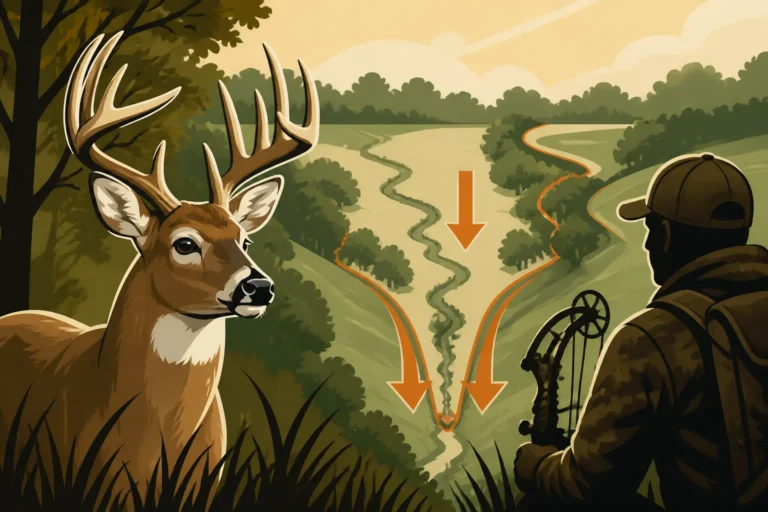
The opening days and weeks of Georgia's firearms season are usually characterized by a significant influx of hunters. This surge in human presence and increased noise quickly alters deer behavior. Initially, deer might be caught off guard, leading to some success for those in the right place. However, they rapidly adapt, becoming more nocturnal and seeking out the thickest, nastiest cover they can find. If you're hunting after the initial rush, don't expect deer to be moving out in open fields during midday. Instead, focus on morning and evening movements near bedding areas. Look for pinch points, funnels between thickets, and deep creek bottoms that provide secure travel corridors. This is the time to embrace still-hunting through dense woods, carefully moving into areas that others might overlook or deem too thick to penetrate. Think about "Hunting Piedmont Farmland Deer" where deer often use small woodlots and fencerows as cover, or even deep into river bottoms when "Hunting Georgia Swamp and River Bottom Deer" where they can escape pressure.
Mid-Season Strategies During the Rut
Ah, the rut! This is arguably the most exciting time to be in the woods, and in Georgia, the deer rut typically peaks in mid-October in some parts of the state, but can extend through November and even into early December in others. The timing can vary significantly from north to south, and even county to county. When Hunting the Rut in Mid-October (or whenever it hits your area), deer, particularly bucks, become much more vulnerable as their focus shifts from food to breeding. This is when aggressive tactics like rattling and grunting can be highly effective. Bucks are on the move, chasing does, making scrapes, and rubbing trees. Your focus should shift to areas where does congregate and where buck sign is fresh and abundant. Look for "Scrape Lines Along a Logging Road" or natural funnels that force deer movement. This is also where advanced mapping and scouting tools come into play. A platform like GoHunt can be invaluable for pinpointing historical rutting activity, identifying prime funnels, and understanding terrain features that will concentrate deer movement during this high-stakes period. You can mark recent rub lines, identify transition zones, and plan your stand setups with greater precision.
Late-Season Food Source and Thermal Cover Hunting
As the season progresses into late December and January, the landscape changes dramatically. Acorns have largely been consumed, leafy vegetation has died back, and cold weather begins to set in. Deer shift their priorities back to survival, meaning their movements become highly dictated by available food sources and thermal cover. Your hunting strategy needs to adapt accordingly. This is the time to focus intently on Late-Season Food Sources for Georgia Whitetails such as planted winter food plots (like clover, oats, or wheat), standing agricultural crops that haven't been fully harvested (e.g., corn, soybeans), and any remaining hard mast. Deer will often travel significant distances to access these concentrated food sources. In addition to food, thermal cover becomes critical. Look for thick pine plantations, dense cedar thickets, or deep swamp bottoms that offer protection from the biting wind and cold. Deer will often bed in these areas, emerging only briefly to feed. Your best bet will be to set up between these bedding areas and prime food sources, catching deer during their limited daytime movements. This is a game of patience and quiet observation, where understanding the subtle nuances of deer behavior in harsh conditions is paramount.
Scouting and Understanding Deer Movement
You can have the best gear and know the season dates, but without understanding how deer move through their environment, your chances of success will be severely limited. Scouting is a year-round endeavor, evolving from pre-season preparation to in-season adaptation.
Pre-Season and In-Season Scouting
Effective scouting begins long before opening day. Ideally, you should be in the woods during the off-season, identifying travel corridors, potential bedding areas, and historical food sources. Summer scouting involves looking for early mast crops, identifying natural funnels, and setting up trail cameras on established trails or mineral sites. When the season approaches, this shifts to locating fresh sign: rubs, scrapes, and active feeding areas. Tools like aerial maps and topographic maps are excellent for initial Scouting Georgia Public Land Before Season. Once the season starts, your scouting doesn't stop. In-season scouting involves reading fresh tracks after a rain, observing deer movement from a distance, and recognizing how deer react to hunting pressure. Every time you're in the woods, you're gathering intelligence. Use a quality GPS unit or a hunting app on your phone to mark everything you see – fresh sign, bedding areas, escape routes. This continuous data collection helps you build a comprehensive picture of deer movement on your hunting grounds.
Impact of Hunting Pressure and Public Land Tactics
Georgia has a significant amount of public hunting land, from expansive national forests like the Chattahoochee-Oconee National Forest to numerous Wildlife Management Areas (WMAs). While these offer incredible opportunities, they also come with the reality of hunting pressure, especially during the firearms season. Deer on public land, particularly those close to access points, quickly learn to avoid humans. They become more nocturnal, often moving only under the cover of darkness, or retreating to the densest, most inaccessible parts of the property during daylight hours. To counter this, you need to think like a deer: where would they go to escape the crowds? This often means walking further, penetrating thicker cover, or hunting areas that are naturally difficult to access, such as deep swamps or steep ridges. A mapping tool like GoHunt can be incredibly useful here, allowing you to identify remote corners, visualize terrain changes, and even mark potential access routes that others might overlook. You can use satellite imagery to spot isolated clear-cuts, hidden food plots on the edge of private land, or dense thickets where deer might be bedding. This strategic approach to public land hunting is often the key to finding those unpressured deer.
Weather Patterns and Deer Behavior
Weather is a game-changer when it comes to deer movement. Understanding how various weather patterns influence deer behavior can give you a significant advantage. Cold fronts, for instance, often trigger increased deer activity as they feed heavily before or after a significant temperature drop. Overcast days with light drizzle can also be excellent hunting days, as deer feel less exposed than on bright, sunny days. Conversely, strong winds can make deer nervous and limit their movement, or make them incredibly difficult to hear. In mountainous terrain, understanding Wind and Thermals on a Mountain Ridge is critical. Warm air rises in the morning and cool air falls in the evening, carrying your scent directly to unsuspecting deer if you're not careful. Paying attention to daily forecasts and adjusting your stand location or hunting strategy accordingly can make a world of difference. For example, after a severe thunderstorm, deer might be more active, emerging to feed on newly fallen acorns. Or, during a prolonged warm spell in late season, focusing on water sources might prove more fruitful.
Processing and Game Care in Georgia's Climate
Successfully harvesting a deer is only half the battle, especially in Georgia's often-warm climate. Proper field dressing and game care are absolutely crucial to ensure the meat quality of your hard-earned venison. Neglecting these steps can lead to spoilage, which is a devastating outcome after all your effort.
Field Dressing and Initial Cooling
The moment your deer is down, the clock starts ticking, particularly in the warmer early weeks of firearms season. Prompt and thorough field dressing is the single most important step in preserving your meat. The goal is to remove the entrails as quickly as possible to allow the carcass to cool down internally. This prevents bacterial growth and the dreaded "sour" taste that can ruin venison. If you're hunting in October or early November when temperatures can still reach into the 70s or 80s, consider packing a bag or two of ice into the chest cavity after field dressing to rapidly draw out heat. Get the deer out of direct sunlight and into the shade immediately. Elevating the carcass if possible, or propping open the cavity with a stick, can also help with air circulation and cooling. Think about how you’ll be Field Dressing a Deer in Warm Weather even before you hit the woods; having the right knives, gloves, and a plan can make the process quicker and more efficient.
Transporting and Butchering Your Deer
Once field dressed, the next challenge is getting your deer out of the woods and properly processed. For short distances, a deer cart can be a lifesaver, or you might need a hunting buddy to help drag the animal. If you're deep in the Okefenokee Swamp Fringe Deer or other difficult terrain, you might consider quartering the animal in the field to lighten the load for transport. Always ensure you have the proper tag attached as required by Georgia law. Once out of the woods, the decision is whether to butcher the deer yourself or take it to a professional processor. If you choose to do it yourself, ensure you have a clean workspace, sharp knives, and plenty of ice or refrigeration to continue cooling the meat. Breaking down a deer into roasts, steaks, and ground meat is a rewarding process that can save you money and ensure you know exactly what you’re eating. Many hunters also learn Butchering a Deer at Camp which adds to the traditional hunting experience.
Reporting Your Harvest
Georgia has a mandatory deer harvest reporting system, and it's essential to comply with these rules. Every deer harvested, whether antlered or antlerless, must be reported to the Georgia Department of Natural Resources (DNR) within 24 hours of harvest and before processing or transporting it more than 8 hours from the county of harvest. The easiest way to report is through the Georgia Game Check system, which can be accessed online via the Go Outdoors Georgia website or through their mobile app. You'll need your customer ID and the harvest information (date, county, sex, antlered/antlerless, and method of harvest). This system helps the DNR monitor deer populations and make informed management decisions. Failing to report a harvest is a violation of Georgia hunting laws and can result in fines and other penalties. Make sure you understand Reporting a Deer Through Georgia Game Check before you head out, and have the app downloaded on your phone, ready to go.
Navigating Regulations and Ethical Considerations
Hunting in Georgia, like anywhere else, comes with a set of rules and an unspoken code of ethics. Understanding and respecting both are fundamental to responsible hunting and ensuring the future of our sport.
License Requirements and Tagging
Before you even step foot in the woods, you need the proper licenses. For residents, Georgia offers a variety of options, from an annual hunting license to a comprehensive Georgia Resident Sportsman License Bundle that covers big game, fishing, and migratory birds. Non-residents also have several choices, including annual or short-term licenses. Crucially, all deer hunters, regardless of residency, must also possess a Big Game license in addition to their basic hunting license. Georgia operates on a "game check" system, which means instead of physical tags, your license acts as your tag. You have a generous statewide Georgia's Twelve-Deer Bag Limit (two antlered bucks and ten antlerless deer for most hunters). Once you harvest a deer, you simply report it through the Game Check system, and it's deducted from your allowable limit. Always carry proof of your license while hunting, either a physical copy or on your phone through the Go Outdoors Georgia app.
| License Type | Resident Annual Cost (approx.) | Non-Resident Annual Cost (approx.) | Key Inclusions |
|---|---|---|---|
| Annual Hunting License | $15 | $100 | Small Game, Furbearers, Non-commercial Fishing |
| Big Game License | $20 | $190 | Deer, Bear, Turkey (in addition to Hunting License) |
| Resident Sportsman's License | $60 | N/A | All state paid hunting/fishing privileges, no Federal Duck Stamp |
| 3-Day Non-Resident Hunting | N/A | $20 | Small Game, Furbearers, Non-commercial Fishing (short trip) |
| 3-Day Non-Resident Big Game | N/A | $125 | Deer, Bear, Turkey (in addition to 3-Day Hunting License) |
Note: Prices are approximate and subject to change. Always check the official Georgia DNR website for current fees and specific regulations.
Understanding Public vs. Private Land Rules
Georgia's landscape is a mix of private and public lands, and the rules differ significantly. On private land, you must have permission from the landowner to hunt. Even if land isn't posted, hunting without permission is trespassing and illegal. It's always best to get written permission when possible. On public lands, such as Georgia Wildlife Management Areas (WMAs) or the Chattahoochee-Oconee National Forest, you’ll generally need an additional WMA stamp or a Georgia Public Lands Pass on top of your hunting and big game licenses. These areas often have specific rules regarding weapon types, hunt dates, vehicle access, and even tree stand types or trail camera usage. Before heading to any public land, it's absolutely crucial to consult the Georgia DNR hunting regulations summary for that specific WMA or national forest. For example, Treestand Rules on Georgia Public Land can vary greatly, so always know before you go. Respecting boundaries, whether marked by a fence or a "No Trespassing" sign, is not just a legal requirement but a fundamental ethical principle.
Ethical Hunting Practices and Shot Placement
Beyond the written laws, ethical hunting is about respect for the animal, the land, and the hunting tradition. This means striving for a humane, quick, and clean kill with every shot. Responsible Shot Placement on a Georgia Black Bear, or a deer for that matter, is paramount. Always aim for the vital organs – the heart and lungs – which offer the largest kill zone and the quickest demise. Practice with your rifle at the range to ensure you are proficient and confident at various distances you expect to encounter. If you make a shot and the animal doesn't drop immediately, tracking is an ethical obligation. Take your time, look for blood and sign, and use all available resources (including friends, if legal and safe) to recover the animal. Wasting game meat is an affront to the animal and the hunter's code. Ethical hunting also includes knowing your effective range and passing on shots that are too far or too risky to ensure a clean kill.
Challenges and Opportunities in Georgia's Firearms Season
Georgia's long firearms season, while abundant with opportunity, also presents its unique set of challenges. Understanding these and learning how to mitigate them will dramatically increase your chances of success and overall enjoyment of the hunt.
Managing High Hunting Pressure
Let's face it, Georgia is a popular hunting state, and the opening weekend of firearms season can feel like Grand Central Station in some areas. Why Georgia's Gun Opener Draws the Biggest Crowds is simple: it's the first chance for many hunters to hit the woods with their rifles, and anticipation is high. This often leads to increased hunting pressure, especially on readily accessible public lands. Deer, being intelligent creatures, quickly learn to adapt to this pressure. They may shift to nocturnal patterns, bed down in the thickest, most impenetrable cover, or move to areas with minimal human activity. To combat this, smart hunters often employ strategies like hunting on weekdays when crowds are lighter, or walking significantly further into public lands to reach areas that casual hunters won't touch. Look for pockets of overlooked cover – steep terrain, swampy areas, or dense thickets – that offer deer refuge and might provide less pressured hunting opportunities.
Dealing with Georgia's Varied Terrain
From the ancient, rolling mountains of North Georgia to the flat, sandy expanses of the Coastal Plain, Georgia's diverse geography offers a wide array of hunting environments, each with its own quirks. Hunting North Georgia Mountain Country means contending with steep inclines, deep valleys, and significant thermal changes. Stand placement needs to account for rising and falling air currents that carry scent. Deer in these areas often use saddles and ridge lines as travel corridors. In contrast, Still-Hunting South Georgia Pine Flats requires a different approach. Here, you're dealing with vast stretches of timber, often planted in rows, and deer that might be more dispersed or using thick clear-cuts for bedding. Then there’s the Piedmont, a mix of agriculture, hardwoods, and suburban sprawl, where deer can be found in small woodlots, creek bottoms, and along field edges. Understanding the specific terrain you're hunting and adapting your tactics accordingly is paramount. Your choice of gear, from sturdy boots for the mountains to snake boots for the swamps, should also reflect the landscape.
The Advantage of a Long Season
Despite the challenges, the sheer length of Georgia's firearms season is an incredible advantage. How Georgia's Deer Season Runs Archery to January means you have months to hunt, learn, and adapt. This extended window allows you to:
- Adapt to Changing Conditions: You can hunt through various phases of the rut, observe deer behavior during early season warmth, and track their movements as cold weather forces them to food and thermal cover. If early season isn't productive, you have ample time to scout and adjust for mid-season or late-season success.
- Handle Work-Life Balance: Many hunters struggle to find time off work. A long season means you don't have to cram all your hunting into a single week or two. You can pick and choose your days, taking advantage of cold fronts or specific rutting activity without feeling rushed.
- Learn and Grow: The more time you spend in the woods, the more you learn. A long season provides invaluable opportunities to observe deer, understand their patterns, and hone your skills as a hunter. Each outing, whether successful or not, adds to your knowledge base, making you a more effective hunter for years to come.
This extended opportunity also means you can diversify your efforts. If deer hunting slows down in one area, you might pivot to hunting Feral Hog Hunting Year-Round in Georgia or even predators like coyotes, which are also often active during these cooler months. The season’s length is truly one of Georgia’s biggest gifts to its hunters.
Disclaimer
Please note: Hunting regulations and season dates are subject to change. Always consult the official Georgia Department of Natural Resources (DNR) website or their current hunting regulations guide before planning any hunting trip. This guide is for informational purposes only and does not supersede official regulations.