Public Ground Near Rome
Finding good public hunting land near Rome, Georgia, can feel like a real challenge, especially if you're new to the area or just overwhelmed by all the options. It's tough to sift through maps and regulations to pinpoint spots that truly offer a solid hunting experience. This guide is designed to cut through that confusion, giving you a clear, detailed look at the public hunting opportunities near Rome, so you can spend less time searching and more time in the woods.
Understanding the Landscape Around Rome
Rome, nestled in the heart of Northwest Georgia, presents a unique blend of urban proximity and wild, rugged landscapes. It sits at the confluence of several rivers, creating fertile river bottoms, but it's also a stone's throw from the foothills of the Appalachian Mountains. This diverse topography means a variety of habitats, which in turn supports a rich array of game species. However, navigating this mix to find accessible public hunting grounds requires a bit of local knowledge and careful planning.
The Lay of the Land
The city of Rome itself is situated in Floyd County, a predominantly agricultural area with a fair amount of private land. This can make finding a spot to hunt seem daunting at first glance. However, radiate out a little from the city, and you'll quickly encounter vast tracts of public land. To the north and east, the terrain begins to swell into the rugged foothills and mountains that characterize the Chattahoochee National Forest. To the south and west, you'll find a continuation of river systems and more rolling hills, often interspersed with agricultural fields. This transitional zone offers a mix of hunting experiences, from deep woods solitude to field edge opportunities. Understanding these distinct characteristics is the first step to narrowing down your search.
Primary Public Land Opportunities
When we talk about public hunting near Rome, we're primarily looking at two major categories: the sprawling Chattahoochee-Oconee National Forest Hunting lands and the various state-managed Wildlife Management Areas (WMAs). Both offer excellent opportunities, but they come with different regulations, habitat types, and hunting pressures. The National Forest, being so extensive, provides more remote, wilderness-style hunting, often demanding more physical effort to access. WMAs, on the other hand, are specifically managed for wildlife and hunter access, often featuring designated parking areas and sometimes even specific quota hunts or more restrictive rules to manage hunter density. Knowing which type of land you're heading to will significantly impact your planning and preparation.
Key Public Hunting Areas Near Rome
The real gems for public hunting near Rome lie just outside the immediate metro area. You're looking at prime opportunities in parts of the Chattahoochee National Forest and several well-managed WMAs. Each offers a distinct experience, so it's worth exploring them based on your preferred game and hunting style.
The Chattahoochee National Forest
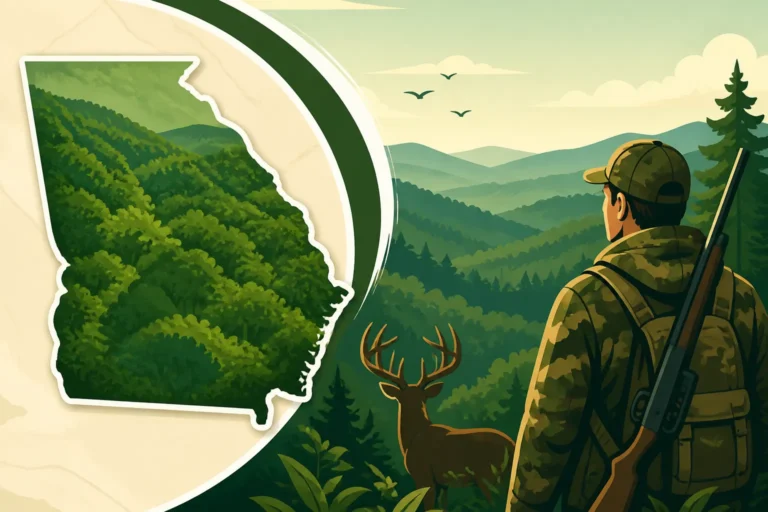
The Chattahoochee National Forest, particularly the Armuchee and John's Mountain sections, is probably the largest and most accessible expanse of public hunting ground for folks near Rome. These areas are part of the greater Chattahoochee-Oconee National Forest system and stretch across several counties north and east of Rome, including Floyd, Walker, Chattooga, and Gordon. This is big timber country, characterized by steep ridges, deep hollers, and dense hardwood and pine forests.
For the hunter seeking solitude and a true wilderness feel, the National Forest can't be beaten. Deer, turkey, and a variety of small game call these mountains home. Access is typically via gravel forest service roads, many of which are well-maintained, but some can get rugged, especially after heavy rains. You'll often find designated parking areas, but a good portion of the land requires you to park on the shoulder of a forest road and walk in. This means good boots, a sturdy pack, and a willingness to put in some mileage are crucial. Remember that the terrain can be challenging, with significant elevation changes that will test your endurance. Hunters often find success by focusing on saddles, creek bottoms, and benches along ridges, where deer and turkey will travel and feed. For those who enjoy a physical challenge and don't mind hiking a few miles away from the truck, this is an incredible resource.
Local Wildlife Management Areas (WMAs)
Closer in, or at least a manageable drive, are several fantastic Georgia Wildlife Management Areas. These are specifically managed by the Georgia Department of Natural Resources (DNR) to enhance wildlife habitat and provide public hunting opportunities. Unlike the vastness of the National Forest, WMAs often have more defined boundaries, clearer access points, and specific hunting regulations that can vary from statewide rules. It’s absolutely critical to check the current WMA regulations each season, as dates, weapon types, and bag limits can differ significantly.
- Cohutta WMA: While a bit further north than Rome, the Cohutta WMA in Murray, Fannin, and Gilmer counties is often considered by serious hunters in the region. It's one of Georgia's largest and most remote WMAs, bordering the Cohutta Wilderness. Think rugged, steep terrain, dense forests, and a challenging but rewarding hunt. It's known for its deer, bear, and turkey populations, but you'll earn every step here. This is a place where understanding Wind and Thermals on a Mountain Ridge is paramount, as the air currents can play tricks on your scent.
- Paulding Forest WMA: Located to the southeast of Rome in Paulding and Polk counties, this WMA offers a different flavor. It's less mountainous than the areas further north, featuring rolling hills, mixed pine-hardwood forests, and some open areas. It's a popular spot for deer and turkey hunters, and being a bit closer to metropolitan areas, it can see more pressure. However, with careful scouting and a willingness to walk, you can still find productive ground.
- Sheffield WMA: East of Rome in Gordon County, Sheffield WMA is another option. It's typically characterized by mixed pine and hardwood stands, with some bottomland areas. This WMA often has specific sign-in requirements or quota hunts, so always double-check the DNR website or the Georgia Outdoors App for the most up-to-date information before planning a trip.
Navigating Access and Regulations
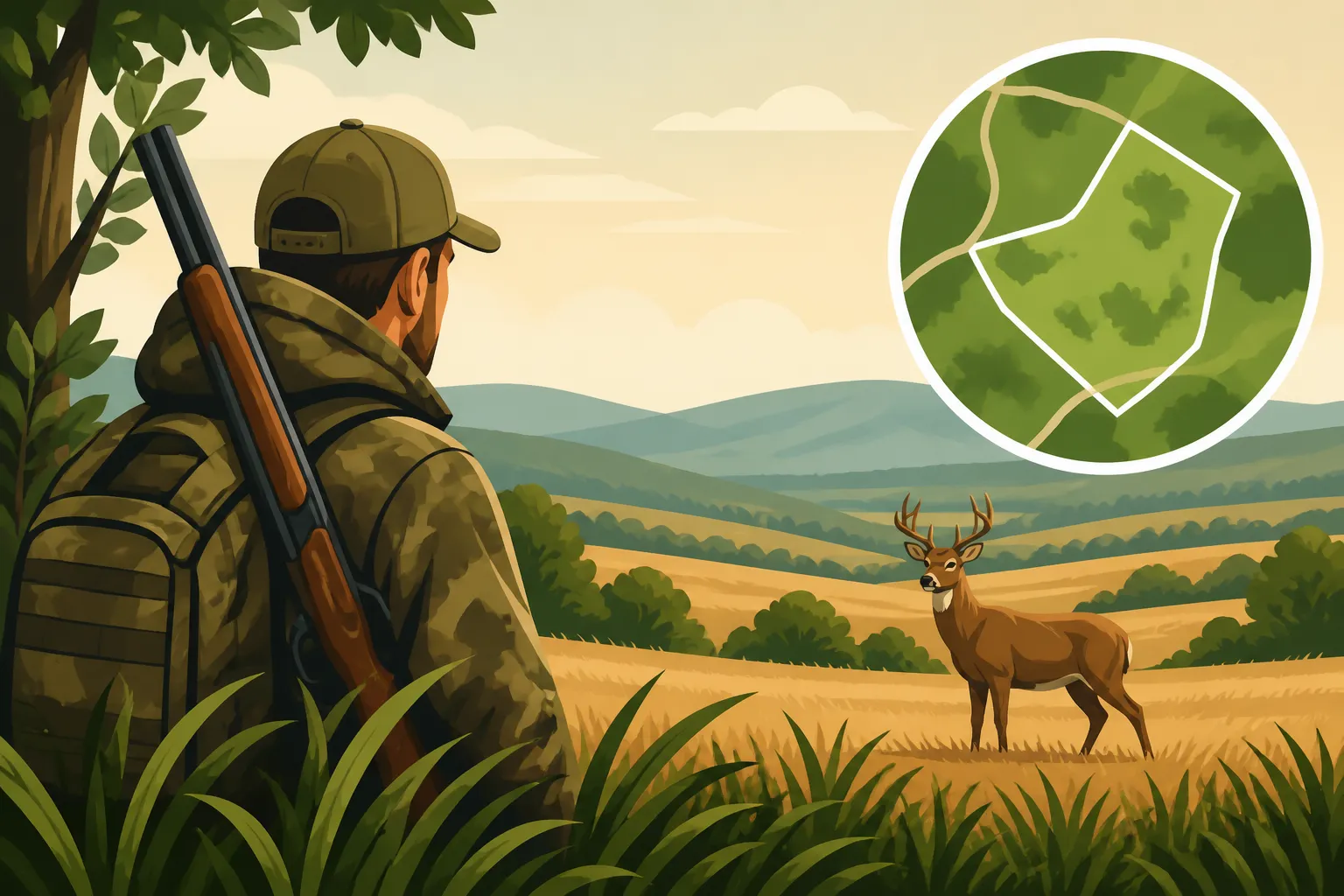
Public land hunting, whether in the National Forest or a WMA, demands diligent research into regulations. Unlike private land, you can't just assume statewide rules apply everywhere. WMAs, in particular, often have their own unique seasons, bag limits, and even rules about what kind of firearms are permitted. Before you even set foot on public land, always, always consult the current Georgia Hunting Seasons and Regulations guidebook, which is available online and at many license vendors. Additionally, using tools like the onX Hunt app or GoHunt can be invaluable. These platforms allow you to overlay public land boundaries, WMA borders, and even potential access roads onto detailed topo maps and satellite imagery. This takes much of the guesswork out of knowing exactly where you can and cannot go, helping you avoid accidental trespassing and stay within legal hunting zones. It also helps you identify potential pinch points, food sources, and travel corridors for game.
Game Species and Hunting Strategies
The public lands surrounding Rome are incredibly diverse, offering opportunities for a variety of game species. Understanding what you're likely to encounter and how to effectively pursue them in these specific habitats is key to a successful hunt.
What You Can Hunt
The main draws for hunters near Rome are typically white-tailed deer and wild turkeys. The deer herd in this region, particularly in the foothills and mountains, tends to be a bit smaller-bodied than their South Georgia counterparts, but they can grow impressive antlers. Turkey populations, while facing challenges statewide, can still be found in good numbers on these large tracts of public land. Beyond these, you'll find ample opportunities for small game like squirrels and rabbits, especially in the mature hardwoods and thickets that line creek bottoms. Less common, but certainly present, are black bears, particularly in the more rugged, remote areas of the Chattahoochee National Forest and Cohutta WMA. While bear hunting requires specific licenses and seasons, it's an exciting possibility for those seeking a bigger challenge. Don't forget the abundance of coyotes, which can be hunted year-round without bag limits, offering an excellent opportunity for predator control and additional time afield.
Here's a quick look at common game and their primary habitat:
| Game Species | Primary Habitat | Common Public Land Areas Near Rome |
|---|---|---|
| White-tailed Deer | Hardwood ridges, creek bottoms, pine thickets | Chattahoochee National Forest, Paulding Forest WMA |
| Wild Turkey | Mixed pine/hardwood, mature timber, ridge tops | Chattahoochee National Forest, Cohutta WMA |
| Squirrels | Mature hardwoods, oak/hickory bottoms | All public lands with significant timber |
| Rabbits | Briar patches, thickets, field edges | Paulding Forest WMA, power line cuts |
| Black Bear | Remote, rugged mountain terrain | Chattahoochee National Forest, Cohutta WMA |
| Coyote | All habitats, often near open areas | All public lands |
Tailoring Your Approach
Given the varying terrain and game, a versatile hunting approach will serve you well. For deer, many hunters opt for treestands or ground blinds, especially if they can identify a consistent travel corridor or feeding area. In the mountains, finding natural funnels, saddles between ridges, or benches where deer can move easily is critical. Treestand Setups in North Georgia Mountains often involve packing lighter gear and using climbing sticks or saddle hunting for mobility. In areas with less severe topography, such as parts of Paulding Forest WMA, Using a Ground Blind on Georgia Public Land can be effective, particularly along field edges or thick cover.
Turkey hunting in these parts usually involves a run-and-gun approach, especially on vast public lands. This means covering a lot of ground, listening for gobblers, and being ready to set up quickly once you get a response. Calling ability is paramount, and patience is a virtue. For small game, a simple walk through the woods with a .22 rifle or shotgun, focusing on oak flats for squirrels or thickets for rabbits, can be a relaxing and productive day. Bear hunting in these zones is usually a spot-and-stalk affair or involves still-hunting through thick cover, requiring keen observation and an understanding of bear behavior. Regardless of your target species, remember that public lands often mean more pressure, so getting away from easy access points is frequently the ticket to finding undisturbed game. Hunting Pressure on Georgia Public Land is a real factor, so the further you're willing to walk, the better your chances often become.
Essential Planning and Tools
Hunting public land is a rewarding experience, but it requires careful planning and the right tools. Near Rome, where the terrain can be challenging and hunter numbers can fluctuate, being prepared is more than just a good idea—it's essential for both success and safety.
Pre-Season Scouting
You simply cannot overstate the importance of pre-season scouting, especially on public land that might see a lot of traffic or changes year to year. Driving around, walking accessible trails, and looking for sign like rubs, scrapes, tracks, and droppings are invaluable. Don't limit your scouting to just a few weeks before the season; game patterns can shift. Early spring and summer scouting, before the heavy foliage comes in, can reveal terrain features and old sign that are hidden later in the year. Look for food sources – oak flats with acorns, persimmon trees, or even browse lines in thickets. Identify water sources, especially during dry spells.
Modern technology makes this easier than ever. Apps like onX Hunt allow you to mark waypoints for deer sign, potential stand locations, and even points of interest like old logging roads or creek crossings. You can use it to pinpoint property lines, making sure you stay on legal hunting ground, and to track your movements, preventing you from getting lost in unfamiliar territory. Scouting Georgia Public Land Before Season is not just about finding game; it's about understanding the land itself, how game moves through it, and how other hunters might be using it.
Mapping and Technology
Gone are the days when a paper map and compass were your only navigation tools (though you should still know how to use them as a backup!). Today, digital mapping applications are a game-changer for public land hunters. Services like onX Hunt and GoHunt provide detailed satellite imagery, topo maps, and crucially, land ownership overlays. With these tools on your phone or a dedicated GPS unit, you can:
- Identify Public vs. Private Land: This is the most critical feature. You can clearly see where public land begins and private land ends, preventing accidental trespassing.
- Locate Access Points: Find legal parking areas, forest service roads, and trails.
- Mark Key Features: Drop pins for rubs, scrapes, bedding areas, water sources, and potential stand sites.
- Track Your Movement: See exactly where you are in relation to your vehicle, boundaries, and marked waypoints. This is especially helpful when walking miles into rugged terrain.
- View Topography: Understand elevation changes, creek drainages, and ridge lines that dictate game movement. Reading a Ridge for North Georgia Deer becomes much clearer when you can visualize it in 3D or on a detailed topo map.
Even with these powerful tools, always have a charging bank for your phone and consider downloading maps for offline use, as cell service can be spotty in the more remote areas around Rome.
Safety and Preparedness
Hunting anywhere, especially on public land, carries inherent risks. Being prepared minimizes these. Always tell someone where you're going and when you expect to return. Carry a well-stocked first-aid kit, a reliable knife, a flashlight or headlamp (even for day hunts), and sufficient water and snacks. The Georgia weather can change rapidly, so dress in layers appropriate for potential temperature swings and sudden rain showers. Warm-Weather Clothing for Georgia Hunters is crucial for early season, while insulated layers are necessary for late season.
Safety while hunting is paramount. Always be aware of your surroundings and other hunters, especially during busy seasons like the firearms opener. Why Georgia's Gun Opener Draws the Biggest Crowds means you'll likely encounter more people than during archery season. Wear appropriate blaze orange or pink during firearms seasons, even if it's not strictly required for your specific game, to maximize your visibility to others. And, of course, always follow basic firearm safety rules: treat every gun as if it's loaded, keep the muzzle in a safe direction, keep your finger off the trigger until ready to shoot, and be sure of your target and what's beyond it. Taking a Georgia Hunter Education Requirements course is not just a legal requirement for some, but a fundamental step in ensuring a safe and ethical hunt.
Disclaimer
This article is for general informational purposes only and does not constitute professional advice. Laws, prices and regulations vary by location and change over time. Consult a qualified professional for guidance on your specific situation.