Thomasville Area Quail Plantation Access
For many Georgia hunters, the idea of chasing bobwhite quail across vast, manicured landscapes in the Thomasville area is a dream that feels just out of reach. The frustration often comes from knowing these incredible sporting traditions exist, but not understanding how to actually gain access to them, especially if you don't own thousands of acres yourself. This guide is here to demystify the process, offering a clear path to experiencing the renowned quail hunting opportunities around Thomasville.
Why Thomasville is Synonymous with Quail Hunting
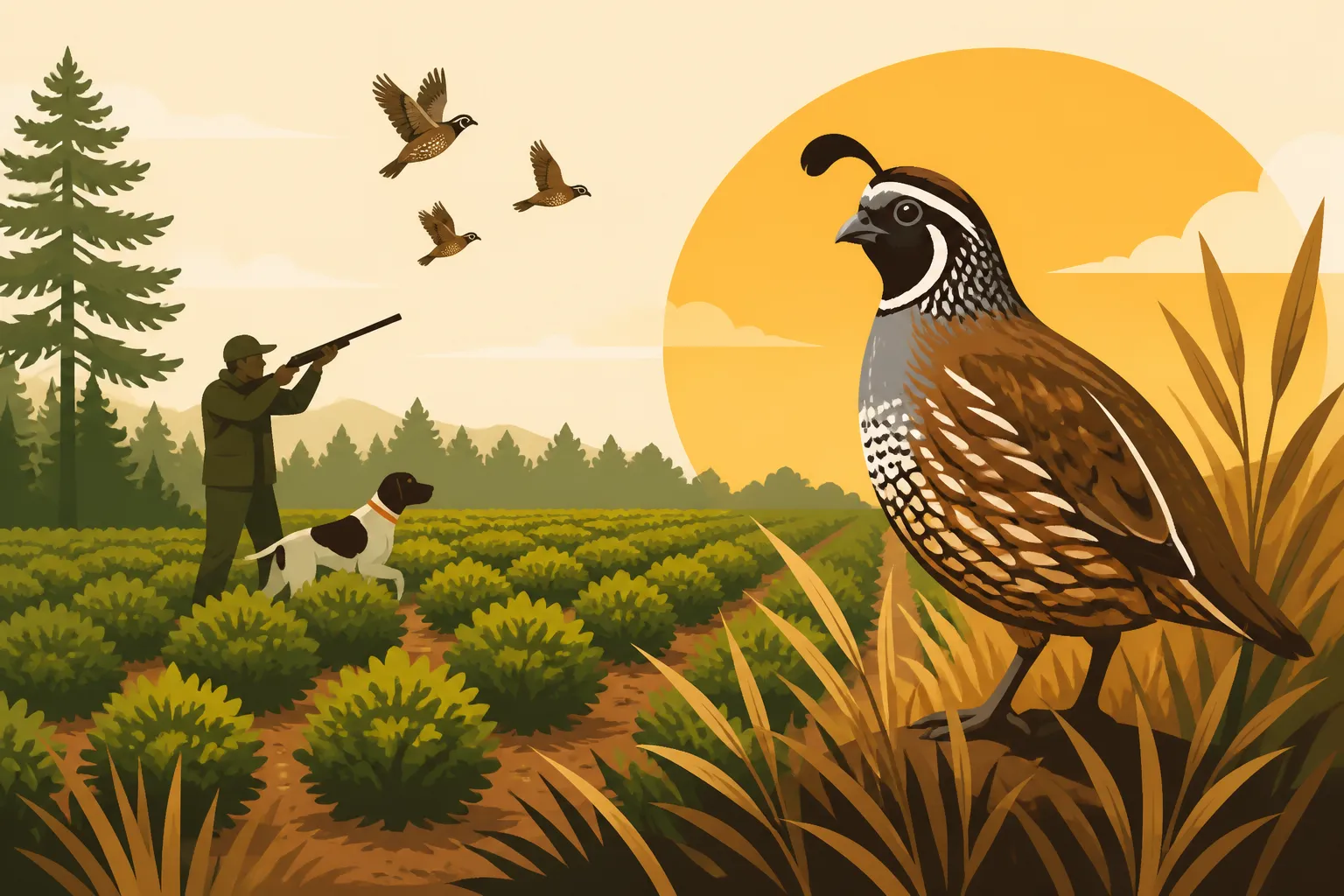
Thomasville, Georgia, isn't just a dot on the map; it's a legendary destination in the world of bobwhite quail hunting. This reputation wasn't built overnight, but rather through decades, even centuries, of dedicated land management and a deep-seated tradition of upland sport. For many, the very mention of Thomasville conjures images of pointing dogs, crisp fall mornings, and explosive covey flushes. It’s a place where the pursuit of quail isn't just a hobby, but a significant part of the region's identity and heritage.
The commitment to preserving and enhancing quail habitat in this region is truly remarkable. Many of the large landholdings were originally established as winter retreats for wealthy northern industrialists back in the late 19th and early 20th centuries. These individuals, often passionate about hunting, invested heavily in sustainable forestry, controlled burns, and agricultural practices designed specifically to benefit bobwhite quail. This foresight laid the groundwork for the incredible quail populations and the unique hunting experience that persists to this day. It’s not just about releasing birds; it’s about nurturing an entire ecosystem where wild quail can thrive, leading to truly authentic hunting encounters.
Historical Significance of Thomasville Quail Hunting
The roots of Thomasville's quail hunting legacy run deep, stretching back to a time when much of Georgia's Coastal Plain was naturally prime quail country. However, what sets Thomasville apart is the intentional, long-term stewardship of these lands. Unlike other areas where changing agricultural practices or development led to habitat loss, many of the plantations around Thomasville prioritized quail habitat above all else. They became pioneers in land management, demonstrating that human intervention, when done correctly, could not only sustain but enhance wild quail populations.
These historic plantations often became showcases for conservation, attracting hunters and naturalists from around the globe. They developed unique hunting cultures, emphasizing dog work, the traditions of the hunt, and the camaraderie of the field. Many of the methods and philosophies for Working a South Georgia Quail Covey Rise have been honed and passed down through generations right here. This deep history means that when you hunt in Thomasville, you're not just participating in a sport; you're stepping into a living tradition, a legacy of conservation and outdoor passion that few other places can match.
The Unique Habitat Supporting Wild Quail
The habitat around Thomasville is a meticulously managed mosaic of longleaf pine savannas, wiregrass, and scattered agricultural fields. This specific combination is absolutely critical for bobwhite quail. The longleaf pine provides open understories ideal for movement, while the wiregrass and other native grasses offer crucial cover for nesting and protection from predators. Regular prescribed burning, a practice perfected on these plantations, is the cornerstone of this habitat management. These controlled fires remove woody undergrowth, stimulate new growth of desirable forbs and grasses, and maintain the open, park-like conditions quail need.
The result is an environment where wild quail can truly flourish. They have abundant food sources, from seeds and insects to berries, and the diverse cover provides safety from aerial predators like hawks and ground predators alike. It’s a stark contrast to areas where monoculture agriculture or uncontrolled forest growth has decimated quail numbers. When you walk these lands, you see the direct impact of dedicated habitat work, which is why the covey flushes are often so strong and consistent. Understanding this habitat is key to appreciating why this region is considered the pinnacle for Quail Hunting Georgia Plantation Country.
Types of Quail Plantation Access
Gaining access to these coveted quail hunting grounds in the Thomasville area might seem daunting, but there are several pathways available, each catering to different levels of commitment and budgets. It's not always about owning a vast tract of land; often, it's about connecting with operations that specialize in providing these experiences. Understanding these options is the first step in planning your dream hunt.
Many people assume these lands are entirely off-limits unless you're a multi-millionaire, and while some are exclusively private, a significant number of plantations operate as commercial ventures, offering various forms of access. This commercial aspect ensures the continued economic viability of their conservation efforts, allowing them to maintain the high-quality habitat and hunting experiences they are known for.
Guided Hunts and Package Deals
For many hunters, the most straightforward way to experience Thomasville quail hunting is through guided hunts and package deals. These operations provide an all-inclusive experience, perfect for those new to the area or without their own extensive gear and dogs. A typical package might include professional guides, well-trained pointing dogs (often English Pointers or Setters), bird boys to handle the dogs and retrieve birds, lodging, meals, and even transportation around the property. This truly allows you to immerse yourself in the hunt without worrying about logistics.
These guided hunts are often offered by established plantations that have refined their services over decades. They aim to provide a quintessential Southern quail hunting experience. You'll typically hunt from custom-built jeeps or buggies, following the dogs as they work the cover, culminating in those exhilarating covey flushes. While these experiences come at a premium, they offer unparalleled access to prime habitat and expert knowledge. It's a fantastic way to experience Booking a Guided Plantation Quail Hunt without any of the planning headaches. It’s important to research what each plantation offers, as packages can vary widely in duration, inclusions, and the number of birds guaranteed or released.
Membership-Based Hunting Clubs
Another avenue for accessing Thomasville's quail hunting is through membership-based hunting clubs. These clubs typically require an annual fee, which grants members access to specific hunting grounds, often including dedicated quail courses. The advantage here is more flexibility than a single guided trip, allowing hunters to visit multiple times throughout the season. Some clubs provide guide services and dogs as part of the membership, while others are more geared towards self-guided hunts for members who prefer to bring their own dogs and manage their own hunt.
These clubs often cultivate a strong sense of community, with members sharing a passion for upland hunting and conservation. It's a stepping stone between a one-off guided trip and owning your own private hunting land. Before committing to a club, it's crucial to understand their rules regarding guest access, bag limits, and any additional fees for birds or services. Many clubs will also have specific regulations about Working Pointing Dogs on Wild Georgia Quail to ensure ethical hunting and dog safety. A membership might be ideal for those who plan multiple trips each season and want a more consistent connection to the Thomasville hunting scene.
Understanding Public Access Limitations
It's important to set realistic expectations when it comes to public land quail hunting in the immediate Thomasville area. While Georgia has extensive public hunting opportunities through its Wildlife Management Areas (WMAs) and national forests, these areas, while offering some quail hunting, do not typically provide the managed, high-density, traditional plantation-style experience that Thomasville is famous for. The vast, private plantations that define the region's quail legacy are, by nature, private.
This isn't to say that you can't find any quail on public land in South Georgia, but the focus and habitat management are different. You might find sporadic coveys, especially in areas with recent prescribed burns or specific timber management, but it won't be the same as hunting a dedicated quail plantation. Therefore, for the quintessential Thomasville quail experience, private access through guided hunts or clubs is almost always the route to take. Using mapping tools like onX Hunt can help you discern public versus private land boundaries, but in this specific region, the prime quail habitat is predominantly private. For true public land opportunities, you'd likely be looking at different areas of the state with varying quail densities and hunting styles.
Navigating Access and Planning Your Hunt
Once you've decided that a Thomasville quail hunt is in your future, the next steps involve careful planning and preparation. From choosing the right outfitter to making sure you have the proper gear, a well-organized approach will ensure you make the most of this unique sporting experience. Don't underestimate the details, as they can significantly enhance your time in the field.
The popularity of these hunts means that many plantations book up well in advance, especially for prime dates. Starting your research and making contact early is crucial to securing your desired experience. A little homework upfront can save you a lot of disappointment later.
Researching and Booking a Plantation Hunt
The first step in planning your Thomasville quail hunt is thorough research. Start by identifying reputable plantations and outfitters in the Thomasville and surrounding South Georgia regions that offer guided quail hunts. Websites like GoHunt might have resources or listings, but often, word-of-mouth recommendations and direct inquiries are the most effective. Look for reviews, check their social media presence, and pay attention to how long they've been in business. You want an operation with a proven track record of ethical hunting practices, well-maintained facilities, and healthy bird populations.
When you contact potential outfitters, ask detailed questions:
- What's included in their packages (guides, dogs, lodging, meals, bird processing)?
- What are their typical hunting dates and availability?
- Do they offer wild quail, released birds, or a mix? (Many managed plantations supplement wild birds with released ones to ensure a consistent experience.)
- What are the Georgia Quail Season Bag Limit and daily limits?
- What kind of terrain will you be hunting?
- What is their cancellation policy?
Be prepared to put down a deposit, as these hunts are highly sought after. Booking well in advance, often 6-12 months out, is not uncommon, especially if you're aiming for peak season dates.
| Access Type | Description | Pros | Cons | Ideal For |
|---|---|---|---|---|
| Guided Hunts | All-inclusive packages with guides, dogs, lodging, and meals. | Hassle-free, expert assistance, prime habitat access. | Highest cost per day, less flexibility. | First-timers, those seeking luxury, corporate outings. |
| Hunting Club Membership | Annual fees for access to specific properties, sometimes with optional services. | More frequent access, community aspect, potential cost savings over multiple guided trips. | Annual commitment, still significant cost, may require own dogs/gear. | Regular quail hunters, those with their own dogs, longer-term engagement. |
| Public Land (General) | Hunting on Georgia WMAs or National Forests. | Lowest cost, self-directed. | Lower quail densities, unmanaged habitat, not Thomasville "experience." | Budget hunters, those focused on wild birds anywhere, not specific region. |
Essential Gear and Preparations for a Thomasville Quail Hunt
Preparing for a quail hunt in Thomasville goes beyond just booking the trip. The right gear and a few practical considerations will make your experience much more enjoyable and successful. First and foremost, you'll need a suitable shotgun. Most quail hunters prefer a lightweight 20-gauge or 28-gauge shotgun, as you'll be doing a fair amount of walking and carrying. Over-and-under or side-by-side models are traditional choices for Upland Guns for Quail Plantation Walks, offering quick follow-up shots. Make sure it's cleaned and patterned before your trip.
Clothing should be comfortable and durable, designed for walking through brush. Given Georgia's often mild weather, even in fall and winter, layering is key. Don't forget a good pair of snake boots or snake chaps; while encounters are rare, they can happen, especially in warmer conditions, and peace of mind is invaluable when walking through dense cover. Blaze orange or blaze pink is often required, so ensure you have adequate visibility, usually in the form of a vest or hat. Hydration is also crucial, even on cool days, so a small backpack with water is a good idea. Lastly, consider any specific gear for your dog if you're bringing one, such as a sturdy leash, water, and perhaps a Bird Dog Gear for Georgia Plantation Country vest for protection.
Respecting the Land and Its Traditions
When you step onto a Thomasville quail plantation, you're not just entering a hunting ground; you're becoming part of a tradition that has been carefully cultivated for generations. It’s imperative to approach this experience with respect for the land, the wildlife, and the people who maintain it. This means adhering strictly to all rules and regulations set by the outfitter or club, which will likely include specific bag limits, shooting hours, and dog handling protocols.
Beyond the written rules, there’s an unspoken etiquette. Listen to your guides; their knowledge of the land and the birds is invaluable. Be mindful of your shooting lanes and always prioritize safety. Appreciate the effort that goes into habitat management, the training of the dogs, and the overall experience. Leaving no trace, respecting private property boundaries (which you can often confirm with tools like onX Hunt), and showing gratitude for the opportunity are all part of honoring the heritage of Thomasville quail hunting. This respectful attitude ensures that these incredible traditions endure for future generations to enjoy.
Disclaimer
This article is for general informational purposes only and does not constitute professional advice. Laws, prices and regulations vary by location and change over time. Consult a qualified professional for guidance on your specific situation.