National Forest Camping Near Your Stand
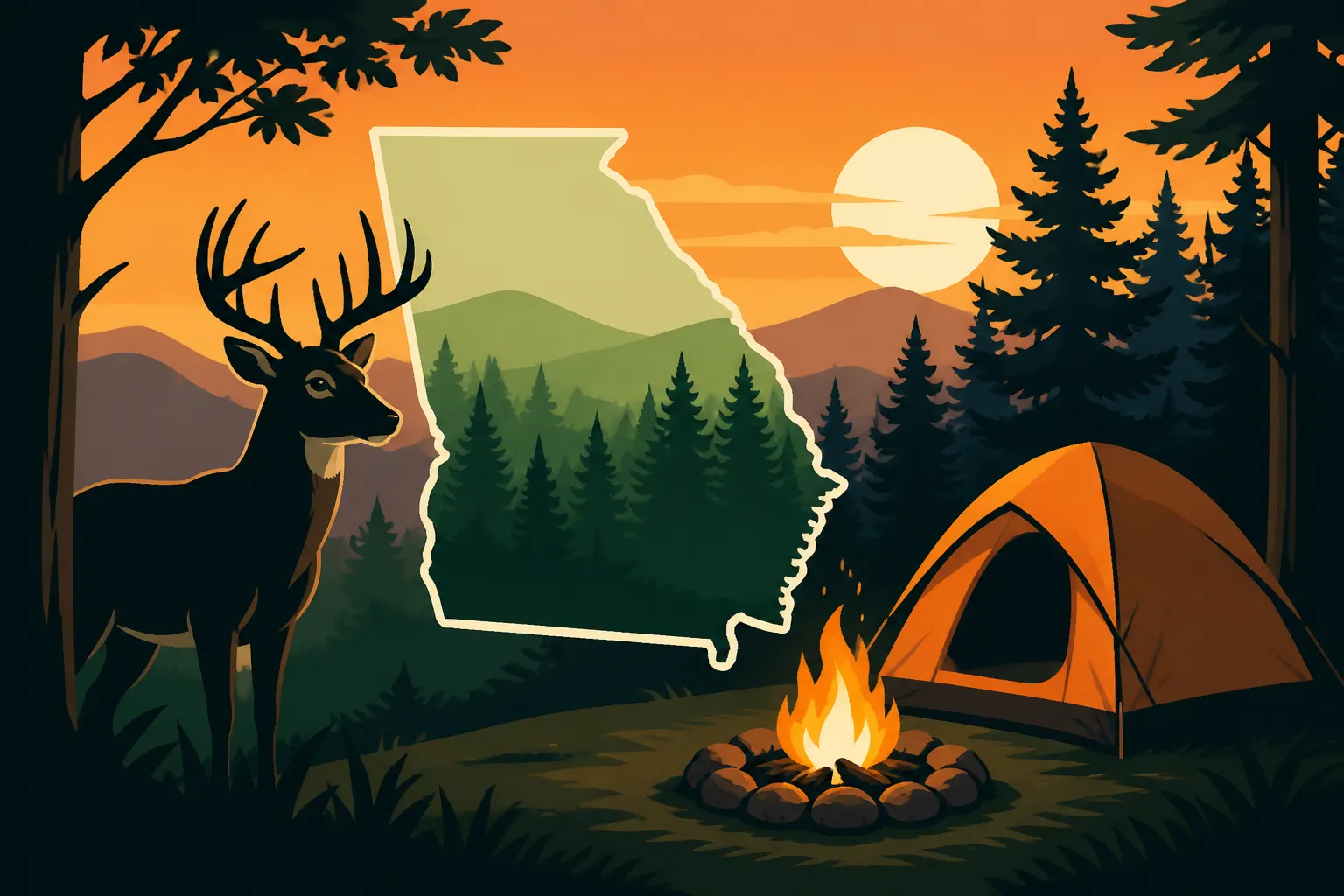
The frustration of a long, arduous trek in the predawn dark, carrying all your gear to a stand miles from the truck, is a feeling every Georgia hunter knows well. By the time you settle in, you're often sweating, winded, and questioning your commitment. This guide is all about changing that narrative, exploring the practicalities and benefits of setting up camp right there in the Chattahoochee-Oconee National Forest, just a stone's throw from your hunting stand, to make your deer or bear hunts more efficient, comfortable, and ultimately, more successful.
The Allure of Camping Close: Why Shorter Walks Make Better Hunts
There's something uniquely satisfying about stepping out of your tent or hammock and being just a few minutes from your hunting spot. It transforms the entire hunting experience from a grueling physical challenge into a more deliberate, focused effort. This isn't just about convenience; it's about optimizing every aspect of your hunt, from scent control to energy levels.
Minimizing Pressure and Maximizing Time
Think about how much "hunter scent" you leave behind on a mile-long walk to your stand, especially when you're exerting yourself in Georgia's typically warm conditions, even during the deer season. That sweat, that heavy breathing, it all broadcasts your presence to every whitetail downwind. When your camp is close, your entry route is dramatically shortened, reducing the amount of human disturbance you introduce into the hunting area. This subtle difference can be absolutely critical, particularly on heavily pressured public lands where deer are already hyper-aware of human activity.
Moreover, the time saved from long commutes can be reinvested into scouting, setting up, or simply resting. Instead of dedicating an hour or more to walking to and from your stand each hunt, you can use those precious minutes to fine-tune your setup, observe surrounding sign from a distance, or even just enjoy a more relaxed morning with a cup of coffee. It keeps you fresher, both mentally and physically, ensuring you're at your best when that crucial moment arrives. This strategic advantage is a game-changer when you're trying to Find Ground That Sees Fewer Hunters.
Early Morning and Late Evening Advantages
The magic hours for hunting—dawn and dusk—are fleeting. When your stand is a distant walk from your vehicle, you're constantly battling the clock. You might have to leave camp an hour and a half before daylight just to get to your stand without busting deer, and then after the evening hunt, you're trudging back in the pitch black, exhausted. Camping near your stand allows you to maximize these prime times. You can be in your stand well before the first hint of light, giving the woods time to settle around you, and stay until the absolute last legal minute without worrying about a marathon hike back to camp in the dark.
This flexibility also means you can react quicker to changing conditions. If an unexpected cold front moves in or a morning rain shower breaks, you're not stuck miles from shelter. You can make quick adjustments, grab an extra layer, or even take a brief reprieve at camp without disrupting your hunt or losing valuable time in the field. This responsiveness is a significant benefit, especially when dealing with Georgia's unpredictable weather.
Navigating National Forest Rules: What You Can and Can't Do
Camping in the Chattahoochee-Oconee National Forest offers incredible opportunities, but it's not a free-for-all. Understanding the rules is paramount to ensuring you have a legal, safe, and enjoyable experience while preserving these beautiful lands for everyone. Always remember that regulations can change, so a quick check with the local Forest Service office is always a good idea before you head out.
Dispersed Camping Guidelines
Dispersed camping, often called "primitive" or "backcountry" camping, is generally allowed throughout much of the National Forest, which is exactly what you'll be doing when you set up near your stand. The key is that you are not in a developed campground with amenities. The general rule of thumb is to camp at least 100-200 feet away from any water source, roads, or developed trails. This helps protect fragile riparian zones and ensures public access. You'll also need to be self-sufficient, meaning no restrooms, no potable water, and no trash service.
When choosing a spot, look for previously used sites if possible, to minimize new impact, but always follow Leave No Trace principles. Pack out everything you pack in, including all trash and food scraps. Be mindful of deadfall for campfires, and ensure any fire is completely extinguished before leaving. Remember, fire restrictions are common in dry periods, so always check the current conditions. Tools like onX Hunt can be incredibly useful here, not just for finding your stand location, but also for identifying suitable flat ground near water sources (while maintaining distance) and verifying public land boundaries.
Permits and Regulations to Know
While dispersed camping in the National Forest generally doesn't require a specific permit for camping itself, you are still subject to all state hunting license requirements and any specific rules that apply to the area you're hunting. For instance, if you're hunting on a Wildlife Management Area (WMA) within the National Forest, WMA-specific rules for camping and vehicle use will apply, which can be different from general National Forest guidelines. It's crucial to consult the Georgia Department of Natural Resources (DNR) regulations booklet and website, or tools like GoHunt (which can sometimes provide links or information regarding state-specific regulations) to understand all the specific requirements for your chosen hunting area.
In some areas, there might be restrictions on the length of stay for dispersed camping, or specific areas where camping is prohibited altogether due to environmental concerns or high use. Always look for signage or check with the local ranger district. You'll definitely need your Georgia Hunting Licenses and What They Cost and your Georgia WMA Access Stamp Requirement if applicable.
Vehicle and ATV Access Considerations
Getting your gear, and potentially your harvested animal, back to your vehicle is a major consideration. National Forests have specific Vehicle Rules on Georgia Public Land. Generally, you're restricted to established roads and trails. Off-road vehicle use, including ATVs, is often limited to designated trails or prohibited entirely, especially for purposes like retrieving game. This means that even if you're camping close to your stand, you might still have a significant manual drag for your deer or bear if it's taken deep in the woods away from legal vehicle access points.
It’s important to scout your camp and stand location with this in mind. Can you park your truck relatively close to your camp? Is there an old logging road or fire break that you might be able to use for game retrieval (if legal and open)? Planning this logistics ahead of time can save you a lot of grief. Using mapping tools like onX Hunt allows you to analyze terrain, identify legal access roads, and even mark potential game retrieval routes, ensuring you don't find yourself in a bind after a successful harvest.
Strategic Setup: Making Your Campsite a Hunting Advantage
Your campsite isn't just a place to sleep; it's an extension of your hunting strategy. A well-planned and executed camp setup near your stand can enhance your hunting experience, keep you comfortable, and minimize your impact on the game animals you're pursuing.
Choosing Your Campsite Wisely
The ideal campsite balances proximity to your stand with discretion and safety. You want to be close enough for those quick, silent entries and exits, but far enough not to impact your immediate hunting area. Look for natural cover that can conceal your tent or hammock, minimizing its visibility to both wildlife and other hunters. A small, secluded depression or a thick stand of pines can work wonders for concealment. Pay attention to prevailing winds; your camp scent should ideally blow away from your stand and known game travel corridors.
Consider the terrain. A flat, well-drained spot is essential for comfort, especially in Georgia's often-wet conditions. Also, think about access to water – while you should camp away from it, having a reliable water source nearby for filtering can be a huge convenience. Finally, always check the ground for venomous snakes, fire ant mounds, or other potential hazards before setting up, as these are common in Georgia's diverse habitats. For instance, knowing the Georgia Cottonmouth Range in Swamp Country can help you choose a drier camp if possible.
Stealthy Entry and Exit Strategies
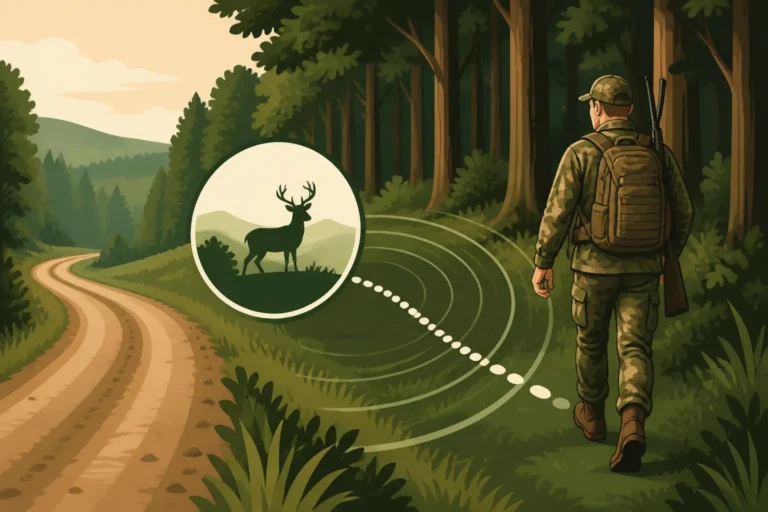
This is where the "camping near your stand" strategy truly shines. Your goal is to move from camp to stand and back with minimal noise, scent, and disturbance. Scout a dedicated, low-impact route from your camp to your stand that avoids bedding areas and major game trails. This might mean following a subtle ridge line, walking in a creek bed (if it doesn't disturb water sources), or using a logging road if it's less traveled by game.
Minimize the gear you carry for these short walks. Keep your essential hunting items organized and ready to go. Dress quietly, choosing fabrics that don't rustle. Most importantly, practice silent movement. Every twig snap, every rustle of clothing, carries through the still woods. The less impact you make, the more likely you are to encounter undisturbed animals. This is especially vital when using techniques like Rattling and Grunting in Georgia where deer will be on high alert.
Gear Considerations for Close-Range Camping
Since you're camping near your stand, weight might not be as critical as in a deep backcountry hunt, but efficiency is still key. Think lightweight, compact gear that can withstand Georgia's elements. A small, easy-to-pitch tent or a quality hammock setup with a tarp are excellent choices. For sleeping, a compact sleeping bag appropriate for the forecasted night temperatures, paired with an insulated sleeping pad, will ensure a good night's rest. Don't forget a small, reliable headlamp with a red light setting for those predawn and post-dusk movements.
A small, quiet cooking system for morning coffee or a quick meal can make a world of difference. For safety, always have a first-aid kit readily accessible. And given Georgia's bug situation, particularly during early season hunts, strong Bug Repellent That Holds Up in a Tree Stand is non-negotiable. Proper Warm-Weather Clothing for Georgia Hunters is also crucial, even when camping, to manage sweat and stay comfortable.
Overcoming the Outdoors: Practicalities of Wilderness Camping
Even with the best planning, wilderness camping in Georgia comes with its own set of challenges. Being prepared for these realities will ensure your hunt isn't derailed by an unexpected issue.
Dealing with Wildlife and Pests
The Georgia woods are teeming with life, and some of it can be a nuisance or even a danger. Bears are present in the Chattahoochee-Oconee National Forest, so proper food storage is essential. All food, scented items (toothpaste, deodorant), and trash should be stored in a bear-resistant container, a bear bag hung properly from a tree, or in your vehicle, away from your sleeping area. Never cook or eat where you sleep. This is particularly important if you're hunting in the Northern Bear Zone Season Rules.
Beyond bears, you'll contend with raccoons, opossums, and, of course, a plethora of insects. Mosquitoes and ticks are ever-present, so repellent and checking yourself thoroughly after each outing are critical. Snake boots or gaiters can offer peace of mind, especially when navigating dense undergrowth around camp or on your way to the stand. Keep your camp clean and free of food scraps to avoid attracting unwanted visitors.
Packing Out Your Harvest Efficiently
This is often the most challenging part of a successful hunt when operating from a remote camp. While your stand is close to camp, your camp might still be a good distance from your vehicle. If you tag a deer or bear, you'll need a plan. For deer, a quality game cart can be invaluable for moving an animal over rough terrain. If the terrain is too rugged for a cart, the "gutless method" (boning out the animal on site) and using game bags to transport the meat in a sturdy frame pack becomes the most practical solution.
Always have a plan for cooling the meat, especially in Georgia's often-warm temperatures. Even in late season, temperatures can fluctuate. Bring plenty of ice for coolers, and process the animal quickly. This forethought ensures that your hard-earned venison or bear meat doesn't spoil. Check out advice on Field Dressing a Deer in Warm Weather to prepare.
Weathering Georgia's Elements
Georgia's weather can be notoriously unpredictable, often swinging from warm and humid to cold and rainy in a matter of hours. Being prepared for all conditions is crucial. Your tent or hammock setup needs to be waterproof and wind-resistant. Carry appropriate layers of clothing – a breathable base layer, an insulating mid-layer, and a waterproof/windproof outer shell. Even if the forecast looks clear, a pop-up thunderstorm can catch you off guard.
A small tarp can be useful for creating a dry cooking or gear staging area at camp. And don't underestimate the importance of dry socks! Having multiple pairs will save your feet. Remember, comfort at camp directly impacts your focus and endurance in the stand. A miserable night's sleep due to dampness or cold can ruin the next day's hunt.
Camping near your stand in Georgia's National Forests can significantly enhance your hunting success and overall experience. It allows for quieter entries, maximizes prime hunting hours, and keeps you immersed in the environment you're there to enjoy. With careful planning, adherence to regulations, and the right gear, you'll find it's a strategy that truly pays off.
Disclaimer
This article is for general informational purposes only and does not constitute professional advice. Laws, prices and regulations vary by location and change over time. Consult a qualified professional for guidance on your specific situation.