Hunting a Standing Soybean Field
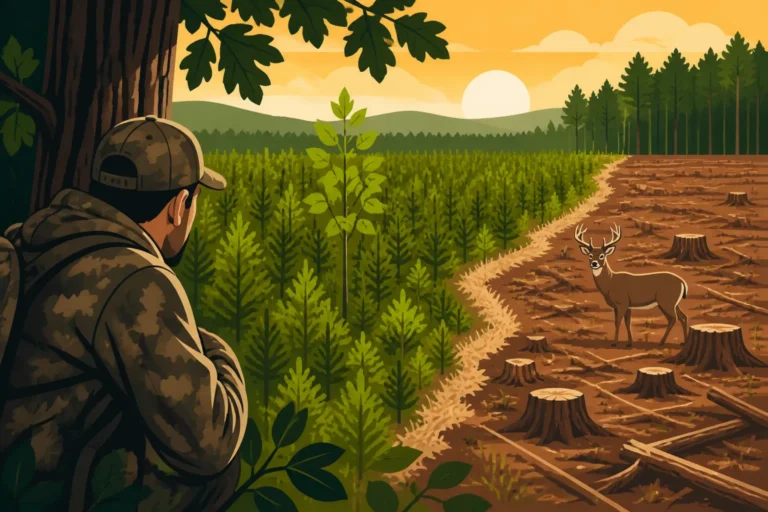
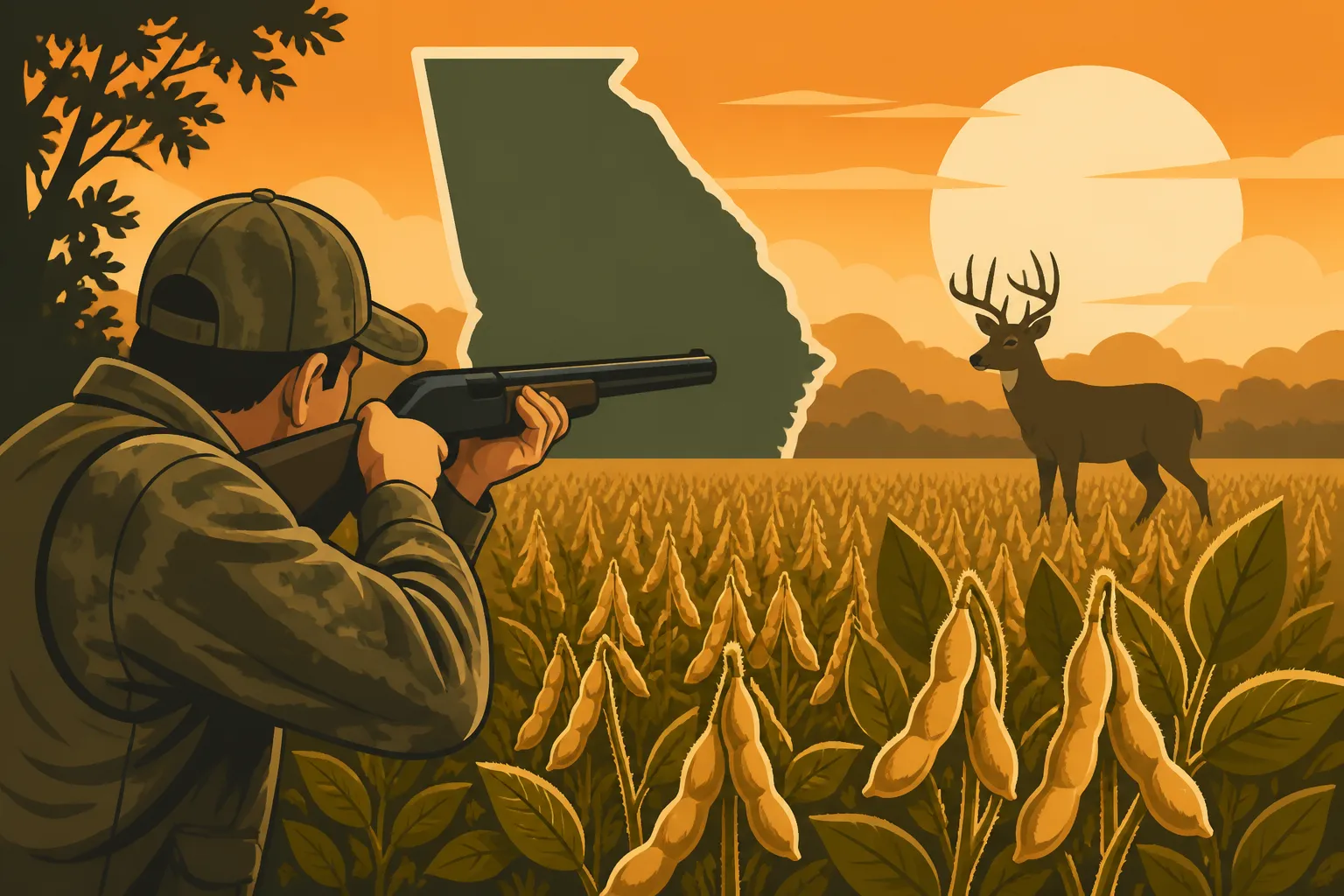
There's nothing quite like the sight of a lush, green soybean field in Georgia, especially when you know deer are in there. But let's be honest, hunting these agricultural magnets can be incredibly frustrating. Deer seem to vanish into thin air in that dense cover, making it feel like you're staring at a giant, delicious fortress. This guide is here to unravel the mysteries of hunting standing soybean fields, offering practical strategies to turn those frustrating outings into successful ones.
Understanding Deer Behavior in Standing Soybeans
Deer, particularly whitetails in Georgia, are creatures of comfort and efficiency. When a standing soybean field is available, it's like a five-star resort offering food, cover, and security all in one place. You can bet they're making the most of it.
Why Deer Love Soybeans
Soybeans are an absolute deer magnet, and it's easy to see why. From the moment the young, tender plants emerge in late spring or early summer, they provide a highly palatable and nutritious food source. These legumes are packed with protein, which is critical for antler growth in bucks and lactation in does. As the season progresses and the beans mature, they offer a consistent and abundant food supply that lasts well into the fall, sometimes even through the early winter if they remain unharvested. Deer will gorge themselves on the green leaves, the developing pods, and eventually the mature beans. This consistent food source means deer don't have to travel far, leading to predictable patterns once you figure them out.
Beyond just food, standing soybeans provide incredible thermal cover and security. The dense canopy, often reaching chest-high or taller, offers a cool, shaded sanctuary during hot Georgia days. It hides deer from predators, including us hunters, giving them a sense of safety that encourages them to linger and bed right within the field or on its immediate edges. They can literally live inside these fields for extended periods, only venturing out for water or perhaps a brief foray into nearby woods. This creates a challenging but rewarding hunting scenario because once you pinpoint their patterns, you're on a gold mine.
Patterns and Habits Within the Field
Deer aren't just randomly wandering through a soybean field; they establish distinct travel lanes and bedding areas. These internal pathways, often hidden from casual observation, are crucial to understand. Imagine a network of tunnels and trails, worn down by generations of deer moving from their bedding spots deeper in the beans to their preferred feeding sections, or out to a water source. Sometimes these internal trails will even lead to a secluded patch of hardwoods or a creek bottom that offers additional shade and water.
Identifying these subtle patterns requires patient observation and diligent scouting. During midday, deer might be bedded deep within the densest part of the field, especially if it’s a warm, sunny day. As evening approaches, they'll often emerge from these bedding areas to feed more actively. Pay close attention to corners, natural draws, or slight elevations within the field, as these often serve as preferred bedding locations or high-traffic intersections. You might notice areas where the beans are particularly thinned out or trampled; these are prime indications of heavy deer use. Understanding these internal movements is paramount, as it helps you anticipate where deer will be and how they'll move, even when they're completely out of sight.
Strategic Scouting for Soybean Field Hunts
Before you ever step foot into a standing soybean field with your hunting gear, a significant amount of your success will hinge on the quality of your scouting. You need to become a detective, piecing together clues to understand how deer are using this particular field.
Reading Entry and Exit Points
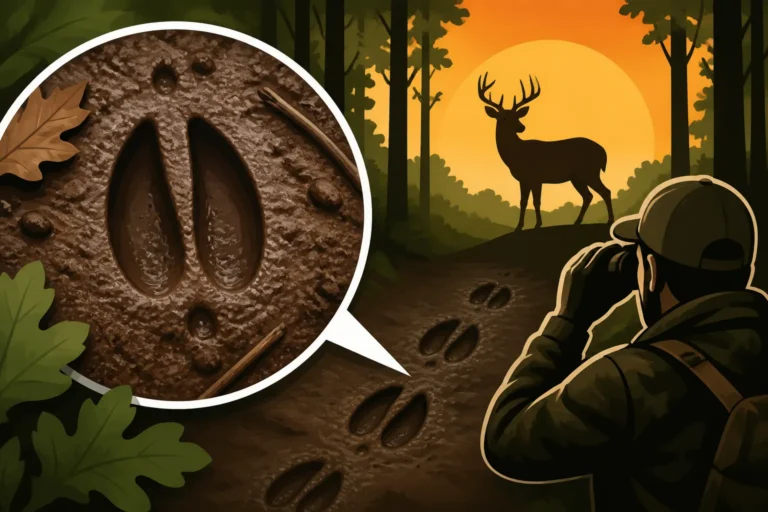
Deer typically use specific, well-worn paths to enter and exit a standing soybean field. These aren't random points along the entire perimeter; they're often dictated by terrain features, prevailing winds, and the proximity of thicker cover. Look for trails leading from a wood line, a fencerow, or a creek bottom directly into the beans. These paths will be heavily disturbed, with bent or broken soybean stalks and clear hoof prints. Sometimes, deer will utilize an old logging road or a faint tractor path that cuts through the field, offering them easier navigation.
The most effective entry and exit points are usually those that offer the deer the most cover and the least exposure. This means they'll often hug the edge of the woods for as long as possible before ducking into the beans, or they'll enter a corner that provides immediate concealment. Identifying these "highways" is critical for placing your stand or blind. Consider using scouting tools like the GoHunt app or other mapping software to analyze aerial photos, looking for natural funnels, pinch points, or changes in vegetation that might direct deer movement. You can learn a lot by Reading Aerial Photos for Piedmont Deer which can often feature agricultural fields. Pay attention to how the field connects to surrounding timber or other food sources like acorns or persimmons, as these connections will influence travel patterns.
Finding Bedding Areas Near the Field
While deer often bed within the standing beans, they also frequently bed in the dense cover immediately adjacent to the field. This could be a thicket of young pines, a dense patch of briars, a swampy slough, or even a deep creek bottom where they feel secure and have easy access to water. The beauty of these external bedding areas is that they're often easier to pinpoint and approach without disturbing the main feeding area.
When scouting, look for heavy sign like rubs, scrapes, and concentrated droppings along the edges of the field, especially where thick cover meets the beans. This indicates deer are moving from their bedding to the food source. You might even find actual beds in the tall grass or under thick cedars on the perimeter. Consider setting up trail cameras on these trails to confirm movement patterns and to get an idea of the caliber of bucks in the area. Learning Where to Hang a Camera on a Logging Road or other field edges can provide invaluable intel. By understanding where they sleep, you can set up an ambush between their bedroom and their kitchen, catching them during prime movement times. Remember, disturbing these bedding areas, whether inside or outside the field, can quickly turn a productive spot into a ghost town.
Effective Hunting Tactics for Standing Soybean Fields
Hunting standing soybean fields demands a thoughtful approach, combining patience with strategic execution. The dense cover and the deer's inherent wariness mean you can't just walk in and expect success.
Stand Placement and Wind Considerations
When hunting standing soybeans, your stand placement is everything. You need to position yourself not just where you expect deer to be, but also where you can approach undetected and have a favorable wind. Often, the best stand locations are on the downwind side of known entry/exit points, or along a transition line where the beans meet woods or a fencerow. You want to intercept deer as they move into or out of the field, or as they travel along its edge, rather than trying to penetrate deep into the beans where your scent and movement will be amplified.
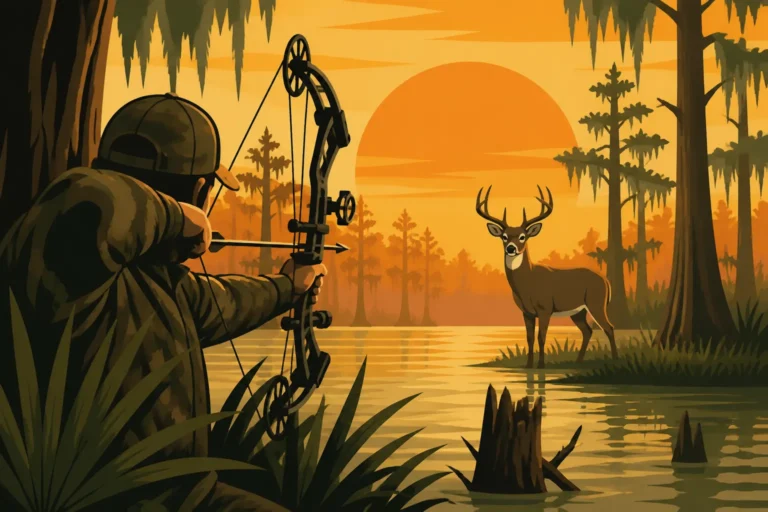
For archery hunting, a natural funnel or a tight pinch point between two sections of the field and the timber edge can be golden. For firearms season, you might consider a slightly elevated position that offers a broader view of a major entry point or a section of the field where deer are frequently observed. Always, always consider the wind. Deer are masters of scent detection, and a swirling or unfavorable wind will blow your cover every time. Ideally, you want a consistent wind that carries your scent away from where you expect deer to approach. Checking wind direction for several days before your hunt using weather apps is crucial. Don't be afraid to have multiple stand setups for different wind directions, allowing you to adapt to changing conditions and still hunt effectively. You can learn more about how deer use the wind by understanding topics like Wind and Thermals on a Mountain Ridge, even though you're not in the mountains, the principles of scent movement still apply.
Still-Hunting and Stalking Strategies
While stand hunting is often the preferred method for soybean fields, still-hunting or stalking can be incredibly effective, especially if you're comfortable with the challenge and have the right conditions. This approach involves slowly and carefully moving through the edges of the field, or even within the field itself, using the dense cover to your advantage. It’s a game of inches and extreme patience.
When still-hunting, move at a snail's pace, stopping frequently to glass and listen. Look for subtle movements: a flick of an ear, the swish of a tail, or the dark outline of a deer's body against the green or gold backdrop of the beans. The key is to break up your own outline and move only when deer are looking away or when the wind is rustling the plants, masking your sound. A light drizzle or a strong breeze can be your best friend, as it reduces visibility and muffles your footsteps. For stalking, focus on days with overcast skies or light rain, which can keep deer moving a bit longer and soften the ground. This takes immense skill and local knowledge, especially on public lands where other hunters might push deer. Remember to always be aware of your surroundings and any other hunters in the vicinity.
Using Thermal and Aerial Reconnaissance
Modern technology has given us incredible tools that can revolutionize how we hunt standing soybean fields, especially after dark or in low light. Thermal imaging, once a luxury, is becoming more accessible and can be a game-changer for identifying deer within dense cover that would otherwise be impenetrable to the human eye. While direct thermal hunting is subject to local regulations (and not permitted for deer in Georgia), using it for scouting and observation before or after legal hunting hours can provide invaluable intelligence.
Imagine scanning a vast soybean field at dusk and picking up the heat signature of multiple deer bedded or feeding deep within. This kind of reconnaissance gives you a precise understanding of how deer are using the field, their preferred entry/exit points, and even their numbers. Combine this with aerial maps and GPS apps like GoHunt, and you can mark exact locations, potential bedding areas, and travel corridors. These tools allow you to virtually "see" into the field and formulate a much more informed plan for your next sit. This detailed mapping and observation can help you predict deer movement for future hunts, especially for Hunting the Rut in Mid-October when bucks are often on the move more during daylight.
Gear and Considerations for Soybean Field Hunting
Having the right gear and understanding its impact on your hunt can make a substantial difference when tackling standing soybean fields. These aren't always easy places to hunt, and equipping yourself properly helps mitigate some of the challenges.
Optics for Long-Range Observation
A good set of optics is non-negotiable when hunting standing soybean fields. Whether you're in a stand overlooking a vast expanse or slowly still-hunting the edges, you need the ability to pick out subtle details at a distance. Quality binoculars (8×42 or 10×42 are excellent choices) will allow you to scan the field thoroughly, identifying deer that might only be partially visible. Look for a pair with good low-light performance, as deer often move during the golden hours of dawn and dusk. You can find options for Binocular Choice for Georgia Whitetails that suit various budgets.
A spotting scope can also be incredibly useful if you plan to observe from a distant vantage point, giving you the power to identify specific deer and patterns without disturbing them. For rifle hunters, a high-quality rifle scope with excellent light-gathering capabilities is crucial, especially if you anticipate taking longer shots across the field or in the fading light. Consider models designed for low-light conditions, as deer movement often peaks in these challenging visibility scenarios. You might want to research Rifle Scopes for Low-Light Swamp Edges, as the challenges of low light in dense cover are very similar to those you'd find in a swamp.
Camouflage and Scent Control
In standing soybeans, deer are often at close quarters or moving through dense cover where they feel secure. This means your camouflage and scent control practices need to be impeccable. Choose a camo pattern that breaks up your outline effectively against the varying textures and colors of the field and its edges. More importantly, focus on scent control. Deer in agricultural settings are often highly pressured and extremely wary.
Every precaution should be taken: shower with scent-eliminating soap, wear clean hunting clothes, use scent-eliminating sprays, and store your hunting gear in airtight containers. If you're going to be walking a significant distance through tall beans to get to your stand, consider wearing rubber boots to minimize ground scent. Even a slight human odor carried on the wind can alert deer and ruin your hunt. Consider the wind always, but don't neglect scent control, especially in these high-traffic food sources.
Post-Shot Recovery in Dense Cover
One of the most critical, yet often overlooked, aspects of hunting standing soybean fields is post-shot recovery. If you make a successful shot, finding your deer in knee-to-chest-high beans can be a monumental challenge, especially as daylight fades. The dense cover can quickly obscure a blood trail, making it incredibly difficult to follow.
Always mark your shooting location precisely and note the exact spot where the deer was standing and its direction of travel. Use landmarks, GPS waypoints, or even flagging tape (if allowed and retrieved immediately) to guide you. If you're unsure of the shot placement, it's almost always best to give the deer ample time before beginning your tracking effort – often several hours, or even overnight if conditions permit. A good headlamp is essential for night tracking. For more in-depth guidance on tracking in tough conditions, check out resources on Blood Trailing After Dark in Georgia. Having a detailed plan for recovery, including contacting friends or family to help with the search, can save a lot of heartache and ensure a successful harvest isn't lost.
Here's a quick comparison of popular hunting methods for standing soybean fields:
| Method | Pros | Cons | Ideal Conditions | Gear Considerations |
|---|---|---|---|---|
| Elevated Treestand | Good visibility, scent dispersal, less movement | Limited mobility, fixed location, wind dependent | Consistent wind, established deer trails | Safety harness, climbing sticks, good binoculars |
| Ground Blind | Excellent concealment, weather protection | Limited visibility in dense beans, scent pooling | Close to entry points, edges with good cover | Quality blind, scent control, comfortable chair |
| Still-Hunting/Stalk | High mobility, active searching | Very challenging, high risk of spooking deer, tiring | Overcast/rainy, light breeze, excellent cover | Quiet clothing, snake boots, compact binoculars |
| Edge Sitting | Intercepts moving deer, less intrusive | Limited view into field, depends on travel patterns | Deer moving in/out of field, consistent wind | Comfortable seat, quiet clothing, scent control |
Remember, deer are adaptable, and so should your tactics be. Combining methods or adapting to the specific field and conditions will ultimately lead to more successful hunts. Good luck out there!
Disclaimer
Hunting is an inherently dangerous activity. Always prioritize safety, understand and obey all local, state, and federal hunting regulations, and ensure you have the necessary licenses and permits. The information provided in this guide is for informational purposes only and should not be considered a substitute for professional instruction or official wildlife department guidelines.