How Many Geese Winter on Georgia Farmland
Many Georgia hunters stare across a vast, harvested peanut or cornfield in the dead of winter and wonder just how many geese are truly out there. It’s a common question, especially when you see wave after wave of Canada geese lifting off a pond near a fresh-cut field, seemingly endless in their numbers. Pinpointing an exact, real-time number for wintering geese on Georgia farmland is incredibly complex due to their migratory patterns, the presence of resident populations, and the sheer dynamism of wildlife, but this guide will explain the factors that draw these birds to our state, how populations are generally estimated, and what this means for hunters looking to pursue them.
Georgia's Allure: Why Geese Flock to Our Farmlands in Winter
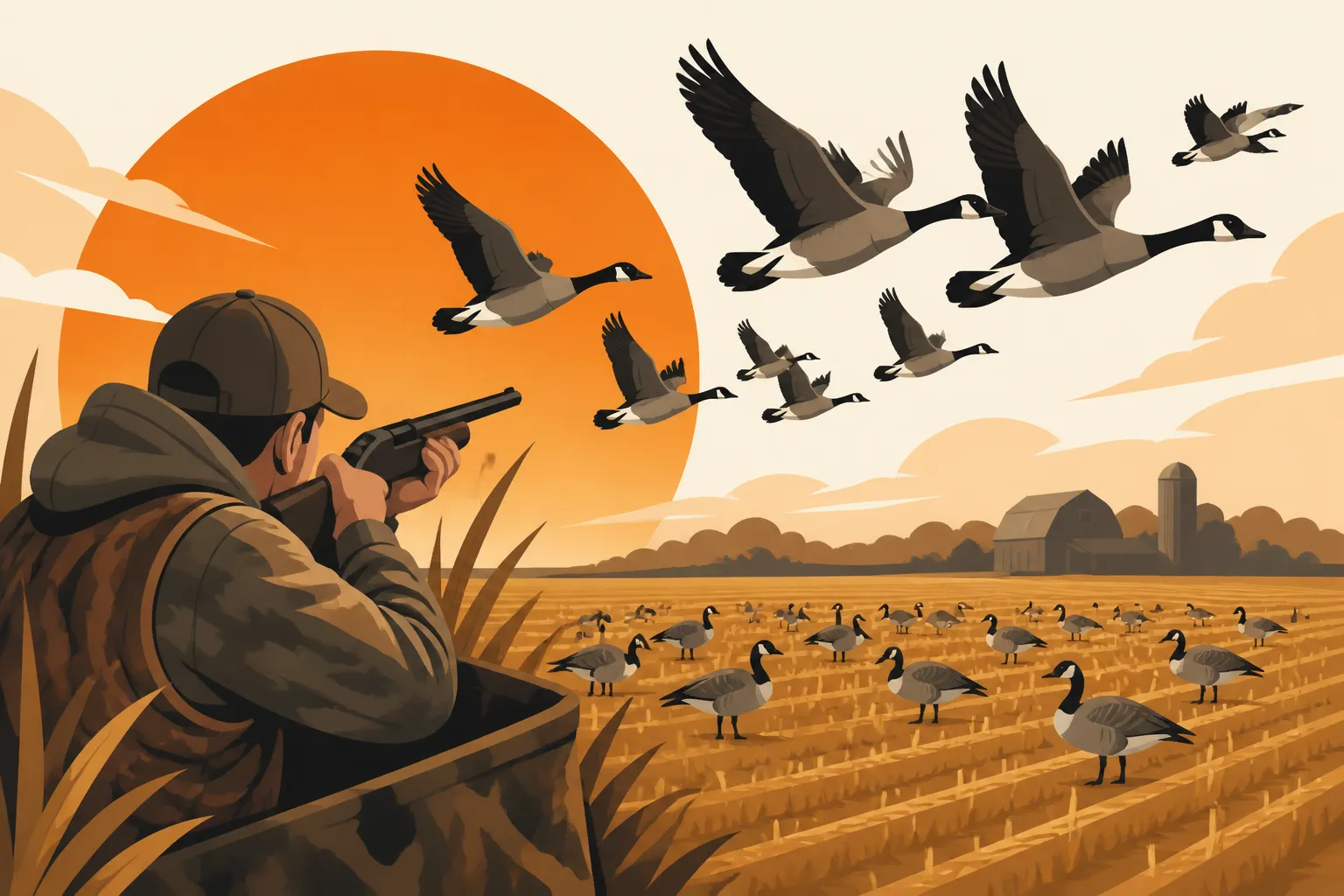
Georgia's mild winters and abundant agricultural landscapes make it a prime destination, not just for snowbirds of the human variety, but for vast numbers of waterfowl, particularly Canada geese. For many hunters, seeing those familiar V-formations against a crisp winter sky is one of the true joys of the season.
The Southern Draw: Food, Climate, and Sanctuary
One of the primary reasons geese choose Georgia for their winter migration is the irresistible combination of available food, a more temperate climate than their northern breeding grounds, and often, areas of reduced hunting pressure or designated sanctuaries. Imagine flying thousands of miles from the Canadian prairies, only to find a frozen landscape with little to no accessible forage. Georgia offers a stark contrast. Our agricultural fields, particularly after harvest, provide a veritable buffet of waste grain—think corn, soybeans, peanuts, and even winter wheat. This "gleaning" from harvested fields is a crucial food source, packed with energy to sustain them through the colder months.
Beyond food, the climate is a significant draw. While we get our fair share of cold snaps, Georgia rarely experiences the prolonged, deep freezes that lock up prime feeding grounds further north. This means open water for roosting and more consistent access to fields. Furthermore, certain areas, whether intentional wildlife refuges or simply tracts of private land where hunting pressure is low, offer sanctuary. Geese are intelligent birds; they learn quickly where they can feed and rest undisturbed. This creates pockets where large numbers can concentrate, leading to those impressive spectacles of hundreds, if not thousands, of birds.
Distinguishing Our Feathered Visitors: Migratory vs. Resident Geese
It's easy to look at a flock of Canada geese in Georgia and assume they all flew down from distant lands. However, Georgia is home to two distinct types of Canada goose populations: migratory and resident. Understanding this distinction is key to comprehending their numbers and behavior.
The migratory geese are the true long-distance travelers, following established flyways like the Atlantic Flyway, which bisects our state. These are the birds that arrive in late fall, often pushed south by increasingly harsh weather, and will eventually head back north to breed in spring. Their numbers fluctuate annually based on breeding success, weather patterns, and conditions along their migration route. When you see massive flights of geese coming in from the north, these are often our migratory visitors, adding significantly to the overall wintering population.
Resident geese, on the other hand, are Georgia natives. These populations often originated from restoration efforts decades ago and have since established stable breeding colonies within the state. They typically nest and raise their young here, often in suburban ponds, parks, and agricultural areas. While they might make local movements, they don't undertake the epic migrations of their northern cousins. Their presence means that even outside the peak migratory season, you'll still see Canada geese across Georgia. Both groups contribute to the total number of geese found on Georgia farmland during winter, though the migratory influx is usually responsible for the largest concentrations.
The Dynamic Nature of Goose Populations
The phrase "how many geese" implies a fixed number, but in reality, goose populations are incredibly dynamic. Their numbers aren't static; they ebb and flow with a multitude of factors, making an exact count challenging. Weather, for instance, plays an enormous role. A mild winter up north might mean fewer geese feel the need to push all the way down to Georgia, potentially leading to smaller wintering concentrations here. Conversely, a severe cold front can trigger a massive influx overnight.
Reproductive success on their distant breeding grounds also impacts numbers. A poor hatch year due to late frosts or flooding could mean fewer young birds join the migratory flocks. Similarly, changes in agricultural practices—like different crop rotations, more efficient harvesting methods that leave less waste grain, or even urban development encroaching on traditional feeding and roosting sites—can influence where and how many geese choose to settle in a particular area. It's a constantly shifting puzzle, which is why wildlife agencies focus more on long-term trends and indices rather than attempting a precise, real-time census.
Unpacking the Numbers: Estimating Wintering Goose Populations
Given the dynamic nature of these birds, pinning down an exact figure for how many geese winter on Georgia farmland is a bit like trying to count individual raindrops in a thunderstorm. It's less about a precise census on any given day and more about understanding population trends and the factors influencing their presence.
The Challenges of an Exact Count
The primary challenge in providing a definitive number comes down to the sheer mobility of geese. They don't stay put. A flock might feed in a Terrell County peanut field one day, then fly twenty miles to a large pond in Lee County for the night. They move between private and public lands, cross county lines, and their numbers are constantly augmented by new arrivals from further north or diminished by birds moving on.
Furthermore, distinguishing between our resident Georgia geese and the truly migratory birds, especially from a distance, isn't always straightforward in population surveys. Even with the best aerial surveys, some birds will inevitably be missed, or double-counted if they move between survey areas. The vastness of Georgia's farmland, coupled with dense cover in some areas, makes ground surveys equally challenging. Therefore, wildlife managers rely on a combination of methods to get the best possible estimate, recognizing that it's always an approximation.
Survey Methods and Population Trends
Wildlife agencies, both state and federal, employ various methods to track goose populations. These generally fall into a few categories:
- Aerial Surveys: This is one of the most common methods for waterfowl. Biologists fly established transects over key wintering areas, counting visible flocks. While effective for large numbers, it's a snapshot in time and can be influenced by weather, visibility, and goose distribution on the day of the survey.
- Banding Programs: Geese are caught and fitted with leg bands or neck collars. Recaptures or sightings of these banded birds provide valuable data on migration routes, survival rates, and the origins of different populations.
- Hunter Harvest Data: Hunters are required to report their harvests, and this data, when compiled, helps agencies understand annual take and population health. For migratory birds, hunters also participate in federal surveys.
While these methods don't yield a precise "X number of geese are on Georgia farmland today," they provide invaluable long-term trend data. What we consistently see is that Georgia supports a significant wintering population of Canada geese, comprising both its stable resident flocks and a substantial migratory contingent. The total numbers ebb and flow, but the overall trend often points to Georgia remaining a vital wintering ground on the Atlantic Flyway. Tools like GoHunt or other mapping applications can sometimes provide access to historical WMA harvest reports or general wildlife observation data, which, while not real-time counts, can offer insights into the patterns and presence of geese in specific regions over time. This kind of platform is invaluable for a hunter trying to understand past trends in a particular public area.
Key Factors Driving Goose Distribution on the Landscape
Understanding where geese decide to concentrate on Georgia farmland involves a few critical elements. It's not just random; there's a method to their madness. The birds are constantly assessing risk versus reward, and their chosen spots reflect that calculus.
First and foremost is food availability. As mentioned, waste grain is king. Fields of corn, soybeans, and peanuts after harvest are magnets. Geese are efficient grazers, and a field littered with dropped kernels or nuts represents an easy, high-calorie meal. They'll also feed on winter wheat and other green forage. Second, proximity to safe water is paramount. Geese need large bodies of water—ponds, lakes, reservoirs, or wide sections of rivers—where they can roost overnight, safe from terrestrial predators. These open waters provide a clear line of sight for danger and an easy escape route.
Finally, hunting pressure plays a massive role. Geese quickly learn where they are safe and where they are not. Heavily hunted fields will see birds move on to areas with less disturbance. This often means private lands with little to no hunting, or areas where landowners might allow them to feed undisturbed. Conversely, areas with lower pressure, even on public lands if they are large enough to offer sanctuary, can become hotspots. The combination of plentiful food, secure roosting sites, and manageable pressure dictates where these large flocks will ultimately spend their winter.
Where the Geese Roost and Feed: Habitat Preferences and Agricultural Linkages
When you're trying to figure out "how many geese" are in Georgia, it really boils down to where they can find a safe place to rest and an abundant source of food. Our diverse landscape, particularly our agricultural zones, offers an ideal winter haven.
Prime Agricultural Draws: What Geese Look For
Georgia's agricultural backbone is undeniably the biggest draw for wintering geese. They aren't picky eaters when it comes to readily available calories, and our farmers inadvertently lay out a feast after harvest.
- Cornfields: Once the combines have rolled through, fields of harvested corn are absolute goldmines. There's always some waste grain left behind, whether it's dropped ears, shattered kernels, or simply grain that missed the header. Geese will spend hours meticulously picking through these fields.
- Peanut Fields: Similar to corn, harvested peanut fields offer a substantial amount of high-energy food. Peanuts are nutrient-dense, and despite efficient harvesting, many goobers are left in the soil or on the surface, making them a prime target for foraging geese.
- Soybean Fields: After soybeans are cut, the ground often holds a scattering of beans, which are another excellent food source.
- Winter Wheat and Pastures: Beyond harvested fields, geese will also graze on tender green shoots of winter wheat, rye, or even lush pastures. These provide necessary roughage and nutrients to complement their grain diet.
The timing of these harvests is critical. Peak goose concentrations often coincide with the availability of these waste grains in late fall and early winter. Hunters know that scouting these harvested fields, especially those near water, is the first step to finding the birds. Using satellite imagery or mapping tools like GoHunt can help identify vast agricultural tracts and potential feeding zones, even before you set foot on the ground. Reading Aerial Photos for Piedmont Deer can offer useful scouting techniques applicable to geese, too.
| Crop Type | Attractiveness to Geese | Why it's a draw |
|---|---|---|
| Harvested Corn | High | Abundant waste kernels, high energy. |
| Harvested Peanuts | High | Nutrient-dense nuts left behind. |
| Harvested Soybeans | Medium-High | Leftover beans provide protein. |
| Winter Wheat/Rye | Medium | Green forage for roughage, grazed heavily. |
| Open Pastures | Low-Medium | Grazing on grass, less preferred than grain. |
| Uncut Crops | Low | Generally inaccessible; birds prefer gleaning. |
The Crucial Role of Water for Roosting and Safety
While food brings them to the fields, water is what keeps geese safe and content. A large, open body of water is non-negotiable for a significant goose concentration.
- Ponds and Lakes: Private farm ponds, larger fishing lakes, and reservoirs across Georgia serve as vital overnight roosting sites. The open water provides safety; a goose can see predators approaching from a distance, and the water offers a quick escape.
- Rivers and Swamps: The broader sections of Georgia's major rivers, like the Ocmulgee, Altamaha, or Savannah, as well as the open waters within swamp systems, can also host roosting flocks. These areas often provide expansive, undisturbed areas perfect for thousands of birds. For more on these areas, you might check out Hunting Coastal Georgia Marsh Waterfowl or Georgia Waterfowl Hunting on Coast and Swamp.
Geese will often fly considerable distances between their feeding grounds and their roosting sites, sometimes several miles. This is a critical point for hunters: finding the feeding field is only half the battle; understanding their flight paths to and from water is how you position yourself for success. A typical day for a wintering goose in Georgia might involve flying from a large, secure pond at dawn to a harvested cornfield, feeding throughout the morning, resting midday, feeding again in the afternoon, and then returning to the safety of the water body just before dusk.
Human Influence: Hunting Pressure and Refuge Effects
Humans, whether intentionally or not, significantly shape where geese decide to winter. Hunting pressure is a massive deterrent, while the creation of refuge areas acts as a magnet.
Geese are incredibly wary. If a particular field or body of water sees heavy hunting pressure, birds will quickly vacate the area and seek out more peaceful surroundings. This can lead to a phenomenon where large numbers of geese become concentrated on private lands where hunting isn't permitted, or in designated sanctuaries and refuges. These areas, free from human disturbance, become "safe zones" where birds can rest and feed without constant fear. This means that while a county might have abundant agricultural land, the geese might only be found in significant numbers where they perceive little threat.
Conversely, some landowners actively manage their properties to attract waterfowl, planting specific crops or managing water levels to create ideal habitat. These efforts can create local hotspots that hold impressive numbers of geese throughout the winter. Understanding these dynamics—where the pressure is low, where food and water meet, and where active management is occurring—is far more useful than a generalized number when you're trying to locate and hunt these magnificent birds.
Opportunities and Responsibilities: Hunting Wintering Geese in Georgia
For those of us who cherish the outdoors, the sight and sound of wintering geese are an integral part of Georgia's hunting tradition. While their numbers fluctuate, there are always opportunities to pursue them responsibly.
Scouting Smart: Finding the Fields and Flight Paths
The key to a successful goose hunt in Georgia, especially on farmland, is meticulous scouting. These birds are creatures of habit once they establish their winter routines.
- Drive and Observe: Spend time driving rural roads, especially during dawn and dusk. Look for large flocks feeding in harvested fields or flying to and from known water sources. Note the specific fields and the direction of their flight paths.
- Focus on Waste Grain: Prioritize scouting corn, peanut, and soybean fields. Fields that have just been harvested tend to be the hottest. Pay attention to "sign" – droppings, tracks, and disturbed ground where birds have been feeding.
- Identify Roosting Water: Locate the larger bodies of water in the area. These are their safe havens and will dictate their flight lines. Knowing where they start and end their day is crucial.
- Use Mapping Tools: Modern mapping applications like GoHunt are indispensable. They allow you to view aerial imagery, identify crop types (sometimes with a delay), locate property lines to avoid trespassing, and mark potential roosting and feeding sites. This digital scouting can save you countless hours in the field. Scouting Georgia Public Land Before Season offers broader advice applicable to any species.
- Ask for Permission: Most prime goose hunting happens on private land. Respectfully asking landowners for permission to hunt can open up incredible opportunities. Be courteous, offer to help, and always leave the property cleaner than you found it.
Remember, geese are adaptable. If disturbed, they will move. Your scouting efforts should be ongoing, even during the season, to adapt to their changes.
Essential Gear and Ethical Considerations for Waterfowl Hunters
Successfully hunting wintering geese requires specific gear and, more importantly, a commitment to ethical practices.
- Shotgun and Ammunition: A 12-gauge shotgun is standard, often with a 3-inch or 3.5-inch magnum chamber to handle heavier loads. Non-toxic shot (steel, bismuth, or tungsten-alloy) is mandatory for all waterfowl hunting, including geese. You'll typically use larger shot sizes like BB, BBB, or T-shot for geese to ensure clean kills. Always pattern your shotgun with your chosen ammunition and choke combination before the season to understand its effective range.
- Decoys: A spread of goose decoys is essential to draw birds in close. Full-body, silhouette, or shell decoys can all be effective. The size of your spread often correlates with success, as geese are attracted to large, confident-looking flocks.
- Blinds and Camouflage: Geese have excellent eyesight. A well-constructed ground blind, layout blind, or natural cover that effectively conceals you is critical. Camouflage patterns should match your surroundings, whether it's a harvested field, marsh, or wooded edge. Layout Blind Hunting a Cut Cornfield dives deeper into this specific setup.
- Calls: Goose calls can be incredibly effective when used correctly. Learning to make basic honks, clucks, and moans can entice birds to commit to your spread.
- Ethical Hunting: Beyond legal requirements, ethical hunting means making clean, quick kills and always retrieving downed birds. Understanding the species you're hunting, respecting bag limits, and knowing your effective range are paramount. Never shoot at birds out of range, as this often leads to wounded birds and reinforces their wariness. Always ensure you have the required licenses, including a Georgia Federal Duck Stamp Requirement and Georgia HIP Certification for Bird Hunters. Baiting is strictly prohibited for migratory waterfowl.
Playing a Role in Conservation: What Every Hunter Can Do
As hunters, we are often the first line of defense for wildlife conservation. Our involvement is crucial to ensuring healthy goose populations for future generations.
- License and Stamp Purchases: A significant portion of funding for waterfowl research, habitat acquisition, and management comes directly from the sale of hunting licenses, state migratory bird stamps, and the federal duck stamp. Every dollar spent directly supports the birds we love to pursue.
- Habitat Protection: Support organizations and initiatives that work to preserve wetlands, restore agricultural buffer zones, and manage lands for wildlife. Healthy habitats are the foundation of thriving populations.
- Data Reporting: Accurately reporting your harvest data, if required, and participating in voluntary surveys helps wildlife agencies make informed management decisions. This data is vital for setting bag limits and season dates that are sustainable.
- Respecting Regulations: Adhering strictly to all hunting regulations – bag limits, shooting hours, legal methods, and non-toxic shot requirements – ensures that populations are not overharvested and that hunting remains a sustainable activity.
- Educate Others: Share your knowledge and passion for waterfowl hunting and conservation with new hunters and the non-hunting public. Positive representation of hunting is essential for its future.
While we might not be able to give a precise number, the presence of wintering geese on Georgia farmland is a testament to the state's rich natural resources and its role in supporting the Atlantic Flyway. By understanding their habits, scouting smart, and hunting ethically, we can all contribute to this enduring tradition.
Disclaimer
This article is for general informational purposes only and does not constitute professional advice. Laws, prices and regulations vary by location and change over time. Consult a qualified professional for guidance on your specific situation.