The Extended Southwest Georgia Season
Few things are as frustrating to a dedicated hunter as seeing deer season close when there's still plenty of good hunting left to be had. For those of us who live for the chill in the air and the crunch of leaves underfoot, the statewide firearms season sometimes feels like it ends just as the big bucks really start moving with purpose. But if you're in the right part of the state, particularly down south, Georgia offers a unique opportunity to extend your deer pursuits: the Extended Southwest Georgia Season. This guide will dive deep into everything you need to know to make the most of those extra weeks.
Understanding Georgia's Extended Southwest Deer Season
Georgia's deer hunting landscape is incredibly diverse, stretching from the rugged mountains of the Chattahoochee National Forest down to the coastal plains and swampy lowlands near the Florida border. Because of this variety, and the differing pressures and needs of deer management across the state, not all seasons run on the same exact timetable. The Extended Southwest Georgia Season is a prime example of this tailored approach, giving hunters a precious few extra weeks when other areas have already wrapped up.
What Makes This Season Different
Unlike the general statewide firearms season, which typically concludes around the second Sunday of January, the Extended Southwest Georgia Season pushes the closing date out even further. This isn't just a minor tweak; it's a significant extension that can dramatically change your hunting strategy and opportunities. For many hunters, this period often feels like a bonus round, allowing you to chase deer when fewer people are in the woods and the deer are focused on late-season food sources.
The key distinction lies in its geographic limitation and the specific regulations that accompany it. It's not a free-for-all across the entire lower half of Georgia. Instead, it's carefully defined to address particular deer management goals and agricultural concerns in a specific cluster of counties. This means you need to be acutely aware of which counties participate and what weapon types are permitted during this special timeframe. Ignoring these details could lead to a very unpleasant encounter with a game warden.
Historical Context and Purpose
The Georgia Department of Natural Resources (DNR) doesn't just create these special seasons on a whim. The Extended Southwest Georgia Season was established primarily to address a few critical factors unique to that region. Historically, parts of southwest Georgia have maintained higher deer populations compared to other areas, often leading to increased deer-vehicle collisions and significant agricultural damage. Imagine a farmer watching an entire field of peanuts or pecans get systematically destroyed by deer; it's a serious economic burden.
This extension provides additional hunting pressure during a time when deer are still highly active, helping to manage herd numbers more effectively. It’s a tool to reduce herd density and mitigate damage, particularly to valuable row crops and timber. From a hunter's perspective, it offers a fantastic chance to fill those last few tags, especially antlerless deer, while contributing to healthy herd management and supporting local agriculture. You're not just hunting; you're playing a vital role in wildlife conservation and economic stability.
Geographic Scope and Participating Counties
The "Southwest Georgia" in the season's name isn't just a general descriptor; it refers to a precise collection of counties where these extended dates apply. Understanding these boundaries is absolutely crucial for any hunter hoping to take advantage of this unique opportunity. You can't just assume any county south of Macon or Columbus falls into this category.
Pinpointing the Extended Zone
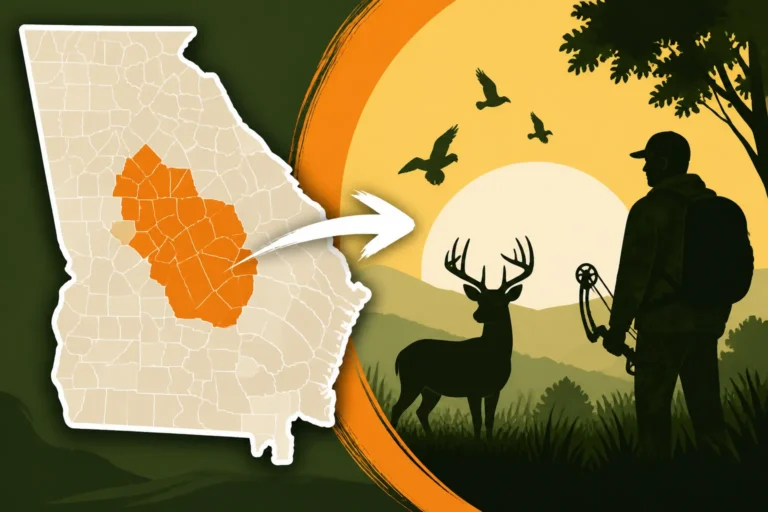
The Georgia DNR clearly delineates the specific counties included in the Extended Southwest Georgia Season. These counties are primarily situated in the extreme southwestern corner of the state, often bordering Alabama or Florida. These include, but are not limited to, counties like Baker, Calhoun, Clay, Decatur, Dougherty, Early, Grady, Lee, Miller, Mitchell, Quitman, Randolph, Seminole, Stewart, Terrell, Thomas, and Webster. It's important to consult the current Georgia Hunting Regulations guide or a mapping tool like GoHunt to verify the precise boundaries each year, as regulations can sometimes be adjusted.
For instance, if you usually hunt around Lake Lanier in North Georgia, you won't find this extension applicable. Conversely, if your hunting lease is near Bainbridge in Decatur County, you're squarely in the zone. This geographical specificity is what makes this season so distinct and valuable for those who have access to land in these areas or are willing to travel. The landscape in these counties is often characterized by expansive agricultural fields, managed pine plantations, and significant river bottomlands, all of which contribute to strong deer numbers.
Checking County-Specific Regulations
While the extended season applies to a block of counties, it's always wise to double-check any county-specific nuances. Most of the time, the regulations are uniform across the entire extended zone for that particular season. However, occasionally, there might be slight variations in certain areas or specific WMAs within these counties could have their own separate quota hunts or regulations. For example, a particular Wildlife Management Area (WMA) might have an earlier closure or different weapon restrictions.
A great way to ensure you're compliant is to use resources like the Georgia Outdoors App or the official Georgia DNR website. These platforms offer up-to-date information, often with interactive maps that can show you exactly where the lines are drawn. Many seasoned hunters use these tools, including apps like GoHunt, to cross-reference property lines, check WMA boundaries, and confirm season dates on the fly. Don't rely on word-of-mouth or outdated information when it comes to hunting regulations; a quick check can save you a lot of grief. Understanding the nuances of the "Georgia Deer Season Structure Explained" will further clarify how these extended periods fit into the broader hunting calendar.
Why the Extended Season Exists
It’s easy to look at an extended season as just a bonus, but there are concrete biological and economic reasons why the Georgia DNR implements these longer hunting opportunities. It’s a carefully calculated decision aimed at balancing wildlife populations with human interests, particularly agricultural productivity.
Deer Density and Agricultural Impact
Southwest Georgia is renowned for its fertile soils and extensive agricultural operations, producing everything from peanuts and cotton to corn and pecans. These crops provide an abundant, high-quality food source for deer year-round, which in turn supports robust deer populations. While a healthy deer herd is great for hunters, an overly dense population can lead to significant problems. Deer are herbivores, and when their numbers are too high, they can devastate agricultural fields, causing millions of dollars in crop damage annually.
Consider a large peanut farm near Camilla, for instance. A dense population of deer can browse on young plants, consume mature peanuts, and even bed down in the fields, compacting soil and damaging crops. The extended season is a direct response to these pressures. By allowing hunters more time to harvest deer, particularly antlerless deer, the DNR aims to reduce the overall population size and alleviate some of the economic burden on farmers. This is a practical solution that allows hunters to contribute directly to wildlife management while enjoying more time afield.
Balancing Hunter Opportunity and Herd Health
Beyond agricultural relief, the extended season also serves to maintain overall herd health. When deer populations become too dense, competition for food sources increases, which can lead to smaller body sizes, reduced antler quality, and increased susceptibility to disease. EHD (Epizootic Hemorrhagic Disease), for example, can spread more rapidly in concentrated deer populations. By providing an extended harvest opportunity, the DNR helps to keep the deer herd within healthy ecological limits, ensuring robust animals and a sustainable future for hunting.
This approach also aligns with maximizing hunter opportunity. Many hunters struggle to fill all their tags during the regular season due to work, family commitments, or challenging conditions. The extra weeks offer a valuable window, often when deer patterns have changed and can be more predictable around specific food sources. It’s a win-win: hunters get more time in the woods, and the deer herd benefits from balanced management. This is why discussions around "Georgia Deer Population Estimate" and "Deer Density by Georgia Region" are so vital to wildlife agencies.
Species and Regulations During the Extension
Knowing that the extended season exists is one thing; understanding exactly what you can hunt and how is another. This isn't a free pass for all game species, nor does it come without specific rules regarding weapon choices and bag limits.
Primary Focus: White-tailed Deer
The primary game species for which the Southwest Georgia Extended Season is designed is the white-tailed deer. This extension specifically targets deer management goals, and as such, deer are the main focus. While other small game might be open concurrently, the purpose of the extension is for deer. This means you’ll be primarily focused on pursuing bucks and does.
For many, this late-season opportunity is ideal for filling remaining "Georgia Antlerless Deer Tag Rules". Taking does is crucial for population management, especially in areas with high deer densities. Remember, hunters in Georgia have a generous "Georgia's Twelve-Deer Bag Limit", but that includes specific rules for antlered bucks. During the extended season, it's often an excellent time to target antlerless deer, contributing directly to herd health and population control efforts. It's also a chance to secure more venison for the freezer after the holiday hustle.
Weapon Restrictions and Bag Limits
While the season is "extended," it doesn't necessarily mean all weapon types are allowed for the entire duration. Generally, during the Extended Southwest Georgia Season, the use of firearms, archery equipment (compound bows, recurve bows), and crossbows are permitted. However, it's paramount to check the current year's regulations published by the Georgia DNR. Occasionally, there might be specific weapon type restrictions, especially if the season extends particularly late into January. For example, some late-season opportunities in other states might revert to archery-only, but that's less common for this specific Georgia extension.
As for bag limits, the state's overall limits still apply. You're typically allowed two antlered bucks per season, and up to ten antlerless deer (unless you're in a specific CWD management zone with different rules). Any deer harvested during the extended season count towards these statewide seasonal limits. This isn't a separate, additional bag limit; it's simply an extension of the existing season for those specific counties. Always ensure you report your harvest through Georgia Game Check promptly, as required.
Here's a simplified table outlining general season rules (always check current DNR regs for precise dates and details):
| Category | General Statewide Season (Firearms) | Extended Southwest Georgia Season | Notes |
|---|---|---|---|
| Primary Target | White-tailed Deer | White-tailed Deer | Focused on deer management |
| Weapon Types | Firearms, Archery, Crossbow, Muzzleloader | Firearms, Archery, Crossbow | Always verify specific weapon rules |
| Antlered Buck Limit | 2 per season (statewide) | Counts towards 2 per season | Specific antler restrictions may apply |
| Antlerless Deer Limit | 10 per season (statewide) | Counts towards 10 per season | Crucial for population control |
| Reporting Required | Yes | Yes | Through Georgia Game Check |
| Counties Affected | Statewide (minus specific zones) | Specific SW Georgia Counties | Check DNR regs for exact county list |
| Typical End Date | ~Second Sunday in January | ~End of January | Offers additional hunting weeks |
Strategies for Hunting the Extended Season
Hunting in late December and January presents unique challenges and opportunities. Deer behavior shifts dramatically after the primary rut and with increased hunting pressure. Adapting your strategy is key to success during the Extended Southwest Georgia Season.
Focusing on Late-Season Food Sources
By the time the extended season rolls around, many natural food sources that were abundant in early fall have been depleted. Acorns are largely gone, and lush green growth is scarce. This forces deer to concentrate on remaining, high-energy food sources. This is where your scouting and understanding of agricultural patterns in southwest Georgia become critical.
Standing crops like peanuts, pecans, or corn left unharvested are absolute magnets for deer in January. Deer will often bed close to these food sources and hit them religiously, especially in the evening. Green fields planted specifically for deer, such as winter wheat, oats, or clover, also become prime feeding areas. Farmers' winter plots can be just as important. Identifying these areas and understanding deer travel patterns to and from them will be your most effective strategy. Consider checking out "Late-Season Food Sources for Georgia Whitetails" for more in-depth knowledge on this topic. If you're hunting near a standing peanut field, understanding "Entry Routes Through a Standing Peanut Field" can give you a significant advantage. Even if it was a "Hunting After a Poor Acorn Year", deer will still find something to eat.
Adapting to Cooler Weather and Hunting Pressure
While southwest Georgia doesn't get the extreme cold of northern states, January can still bring crisp, cooler temperatures. This is often a blessing for hunters, as deer tend to move more in cooler weather, needing to feed to maintain body heat. However, it also means you need to adjust your personal gear. Layering is important, even if you might only need a heavy jacket for the early morning sit that gets shed by midday.
Another factor is accumulated hunting pressure. Deer in January have likely been pursued for several months. They are warier, more nocturnal, and quicker to react to perceived threats. This means you need to be extra cautious with scent control, entry and exit routes, and stand placement. Consider using ground blinds, especially if deer are patterned to a specific field edge or thick cover. For tactics specific to this, you might find "Using a Ground Blind on Georgia Public Land" helpful, or even "Cold-Weather Sitting Strategy in a Georgia January" if a cold snap hits. Minimal disturbance and patience are your best friends during this time.
Maximizing Success and Ethical Considerations
The extended season offers a fantastic chance to cap off your deer season, but it also comes with responsibilities. Maximizing your success involves smart planning and ethical considerations that go hand-in-hand with being a responsible hunter.
Advanced Scouting and Trail Camera Use
Effective hunting in the extended season starts long before you ever step foot in the woods. This late in the year, deer patterns are much more precise and often revolve around the most reliable food sources. This means advanced scouting, even if it's just driving backroads to identify standing crops or green fields, is vital. Look for fresh tracks, rub lines from recent buck activity, and droppings around potential feeding areas.
Trail cameras become invaluable tools during this period. Place them strategically on travel corridors leading to late-season food sources or directly over plots you suspect deer are using. Pay close attention to the time stamps on your photos. You'll likely see a higher proportion of nocturnal movement, but identifying consistent daylight activity, even if it's only for a short window at dawn or dusk, can pinpoint a successful stand location. Apps like GoHunt can help you mark these locations and plan your approach routes without disturbing the area.
Respecting Landowners and Regulations
Given that much of southwest Georgia is privately owned and heavily agricultural, maintaining good relationships with landowners is paramount. If you have private land access, ensure you are communicating your hunting plans and respecting their property. The extended season is a privilege often granted to help mitigate deer damage, so proving you are a responsible and respectful hunter will go a long way in securing future access.
Always have your license and appropriate big game stamps readily available, either physically or on your phone as allowed by the Georgia DNR. Double-check all "Georgia Deer Season Structure Explained" regulations for any last-minute changes, and ensure you are adhering to all bag limits and weapon restrictions. Ethical shot placement, prompt game recovery, and proper game care are always essential, but perhaps even more so in warmer late-season conditions to ensure quality venison. These small details show respect for the animal, the landowner, and the hunting tradition as a whole.
The Value of the Extended Southwest Georgia Season
The Extended Southwest Georgia Season is more than just a few extra weeks of hunting; it's a testament to adaptive wildlife management and a cherished opportunity for hunters. It addresses real-world challenges faced by farmers, contributes to the health and balance of Georgia's deer population, and provides passionate outdoors enthusiasts with a chance to extend their time in the field.
By understanding its specific geographic application, adhering to its regulations, and employing smart, late-season tactics, you can transform these additional weeks into some of your most successful and rewarding hunting experiences. Whether you're looking to fill the freezer, pursue a late-season buck, or simply enjoy the unique quiet of a January morning in the Georgia woods, this extended period offers a unique chapter in the annual hunting story. So, pack your gear, check your regulations with tools like GoHunt, and get ready to make the most of this special opportunity in the beautiful southwest corner of our state. Hopefully, you'll be "Hunting Into the Extended Southwest Season" with renewed purpose and success.
Disclaimer
Hunting regulations can change frequently. Always consult the official Georgia Department of Natural Resources (DNR) website or the current year's Georgia Hunting Regulations Guide for the most accurate and up-to-date information regarding season dates, bag limits, and specific county regulations before planning any hunt. This article is intended for informational purposes only and should not be considered a substitute for official legal guidance from the DNR.