How Many Coyotes Georgia Has
If you've spent any time in the Georgia woods lately, whether you're deer hunting a Piedmont creek bottom or chasing turkeys in the mountains, you've probably noticed a significant increase in coyote activity. It's a common frustration among hunters and landowners alike: just how many coyotes are out there, and what does it mean for our native wildlife? This guide aims to shed some light on the estimated coyote population in Georgia, how they became so widespread, their impact on our cherished game species, and what we as hunters can do about it.
Understanding Georgia's Coyote Population: An Ongoing Challenge
Pinpointing an exact number for Georgia's coyote population is a bit like counting raindrops in a summer storm—it's incredibly difficult, if not impossible. Unlike deer or turkey, which have established harvest reporting systems and population surveys, coyotes are elusive and constantly moving. However, wildlife biologists and anecdotal evidence from hunters strongly suggest their numbers are substantial and widespread across every corner of our state, from the busy suburbs of Atlanta to the most remote pine plantations of the Coastal Plain. We know they are here, and in significant numbers, often occupying every available niche.
Estimating Coyote Density and Trends
While a precise statewide tally remains out of reach, wildlife agencies often rely on density estimates, observation rates, and harvest trends to gauge population health. For coyotes, these indicators point to a robust and healthy population, which isn't always good news for other species. For instance, increased sightings during daylight hours, higher numbers showing up on trail cameras, and consistent reports of encounters even in suburban environments all speak to a population that has firmly established itself. Hunters consistently report seeing coyotes in areas where they were rare just a couple of decades ago, confirming what the data implies: their numbers are strong, and they're here to stay.
Why Accurate Counting is So Difficult
Coyotes are remarkably adaptable and intelligent creatures. They can thrive in diverse habitats, from deep wilderness to agricultural lands and even urban fringes. Their nocturnal habits, wariness of humans, and ability to reproduce quickly—often having larger litters when food sources are abundant or populations are heavily pressured—make traditional census methods largely ineffective. There's no open season on counting them, and their constant movement means a count today might be obsolete tomorrow. This inherent difficulty in obtaining hard numbers is one of the reasons why discussions around their population often involve general trends and observations rather than concrete figures. If you're using a tool like GoHunt to scout new areas, you'll quickly realize how common coyote sign is across virtually all habitat types in Georgia.
The Coyote Invasion: How They Became So Prevalent in Georgia
Coyotes aren't native to Georgia. Their journey to the Southeast is a fascinating, if sometimes unwelcome, story of expansion and adaptation. Originally a Western species, the coyote began pushing eastward in the early 20th century, a migration largely facilitated by human changes to the landscape and the removal of apex predators like wolves. They arrived in Georgia sometime around the 1970s and have since colonized every county, quickly becoming an integral, albeit often disruptive, part of our ecosystem.
A Cross-Continental Migration Story
The westward expansion of human civilization led to the fragmentation of forests, the creation of vast agricultural lands, and the extermination of wolves in many areas. These changes created an ecological vacuum and ideal conditions for coyotes to thrive. They followed river systems, clear-cuts, and even interstate highways, exploiting new food sources and avoiding direct competition from larger predators. Their incredible adaptability to a variety of climates and food sources meant they weren't just passing through; they were settling down and multiplying. It was a slow creep at first, but once they gained a foothold, their population exploded.
Adaptation and Reproductive Success
One of the key factors in the coyote's success in Georgia is their remarkable ability to adapt their diet and breeding habits. They are opportunistic omnivores, meaning they'll eat almost anything: deer fawns, rabbits, rodents, insects, berries, and even carrion. This flexible diet ensures they can survive even when preferred prey is scarce. Furthermore, coyotes have a phenomenon known as "compensatory reproduction." If their numbers are heavily reduced through hunting or trapping, the remaining females tend to have larger litters, ensuring a quick rebound in the population. This makes it incredibly difficult to significantly reduce their numbers through hunting pressure alone across broad landscapes. It's why hunters talk about trying to manage them rather than eradicate them.
The Impact: What Georgia's Coyote Numbers Mean for Wildlife and Hunters
The rise of the coyote in Georgia has had a profound impact on our native wildlife, particularly on deer populations and other small game. For hunters, this translates into different strategies and sometimes, increased frustration when deer numbers or fawn survival seem to decline in heavily populated coyote areas. It's not just about seeing fewer deer; it's about understanding the complex ecological ripple effect these predators have created.
Pressure on Deer and Small Game
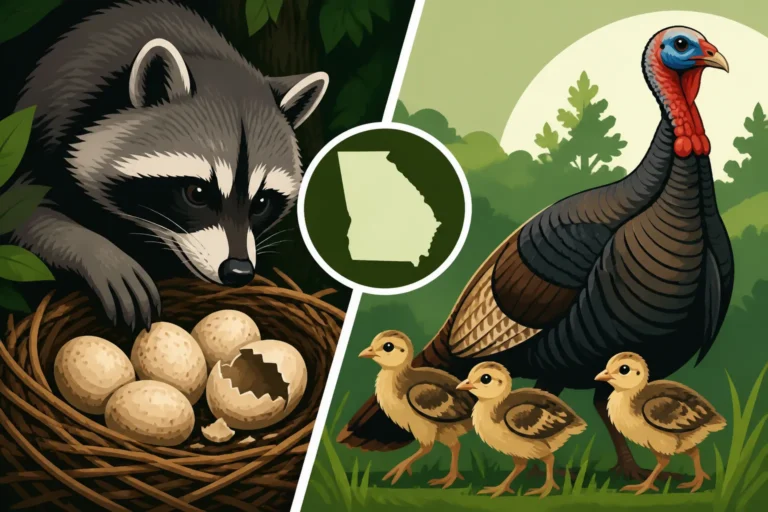
Perhaps the most significant concern for Georgia hunters is the coyote's predatory impact on white-tailed deer, especially fawns. Studies have consistently shown that coyotes are a primary predator of newborn fawns, sometimes accounting for a substantial percentage of fawn mortality within weeks of birth. This can directly affect deer recruitment, meaning fewer young deer survive to grow into mature bucks and does. Beyond deer, coyotes also exert pressure on smaller game species like rabbits, turkeys (especially poults), and ground-nesting birds, which were already facing habitat challenges. If you've been noticing fewer small game animals in your hunting spots, coyotes are very likely a contributing factor. For many hunters, this constant pressure on deer and other game is a real headache.
Competition and Ecosystem Shifts
Coyotes don't just prey on other animals; they also compete with other predators for food resources. While native predators like bobcats and foxes have always been part of Georgia's ecosystem, the sheer numbers and widespread presence of coyotes can shift the balance. They are incredibly efficient hunters, and their dietary flexibility gives them an edge. This can lead to broader ecosystem shifts, where certain prey species decline, and the overall health and diversity of the wildlife community might be affected. Understanding these dynamics is crucial for wildlife management and for hunters hoping to maintain healthy game populations. It's a constant balancing act that makes you appreciate the efforts of Georgia DNR.
Strategies for Managing Georgia's Coyote Population
Given their established presence and adaptability, complete eradication of coyotes in Georgia is not a realistic goal. However, active management through hunting and trapping can certainly help mitigate their impact, especially on localized game populations. Many hunters find satisfaction in predator control, viewing it as a direct way to contribute to the health of the local deer herd or turkey flock.
Hunting as a Management Tool
Hunting coyotes is one of the most accessible and effective methods for individual hunters to contribute to population management. Georgia has a year-round, open season on coyotes, and there are no bag limits, which reflects the state's recognition of the need for control. Whether you're calling them in during daylight hours or utilizing Night Hunting Rules for Georgia Coyotes with proper equipment, every coyote removed can potentially save future fawns or turkey poults. Many deer hunters carry a coyote call, ready to respond if they see or hear a coyote while in their stand. It's a great way to stay engaged and make an impact beyond just deer season. If you're looking for areas to focus your efforts, using a mapping tool like GoHunt can help you identify remote pockets of public land or even areas bordering agricultural fields where coyotes might be more prevalent.
Effective Coyote Hunting Tactics
Successfully hunting coyotes often requires a combination of stealth, patience, and effective calling techniques. Learning to mimic distress calls of various prey animals, such as rabbits or fawns, can be incredibly effective. Consider practicing with different calls, from mouth calls to electronic callers, to find what works best in your area. Coyote Calling in Georgia Farm Country can be a completely different ballgame than calling them in deep woods. Paying attention to wind direction is paramount, as coyotes have an incredible sense of smell. Setting up where you have good visibility and a clear shot is also crucial. For those dedicated to predator control, investing in good optics and camoflage suitable for blending into the Georgia landscape, whether it's thick pine cover or open hardwoods, will pay dividends.
Trapping and Other Control Methods
Beyond hunting, trapping can be a highly effective method for removing coyotes, particularly around specific properties where predation is a persistent problem. Trapping requires specific knowledge and adherence to regulations, including obtaining the proper licenses and understanding trap types and placement. Landowners often find trapping to be a more consistent method for reducing local coyote numbers compared to sporadic hunting efforts. It's important to educate yourself on Running a Trapline in Rural Georgia and local ordinances before deploying any traps. While trapping is more involved than hunting, it's an undeniable force in strategic predator management. Sometimes, the best way to get a handle on the numbers is to engage in these more sustained efforts.
Coyote Management Best Practices
Ultimately, successful coyote management is an ongoing endeavor rather than a one-time event. It involves consistent effort, a variety of tactics, and a good understanding of coyote behavior. Hunters and landowners can work together, sharing information about coyote sightings and successful control methods. While it's unlikely we'll ever completely eliminate coyotes from Georgia, by actively managing their populations, we can help protect our native game species and ensure healthier wildlife populations for future generations of hunters. Always make sure to check the current regulations for Georgia Hunter Education Requirements and specific WMA rules on predator hunting before you head out, as some public lands may have different guidelines, which you can easily look up on a platform like GoHunt.
Disclaimer
This article is for general informational purposes only and does not constitute professional advice. Laws, prices and regulations vary by location and change over time. Consult a qualified professional for guidance on your specific situation.