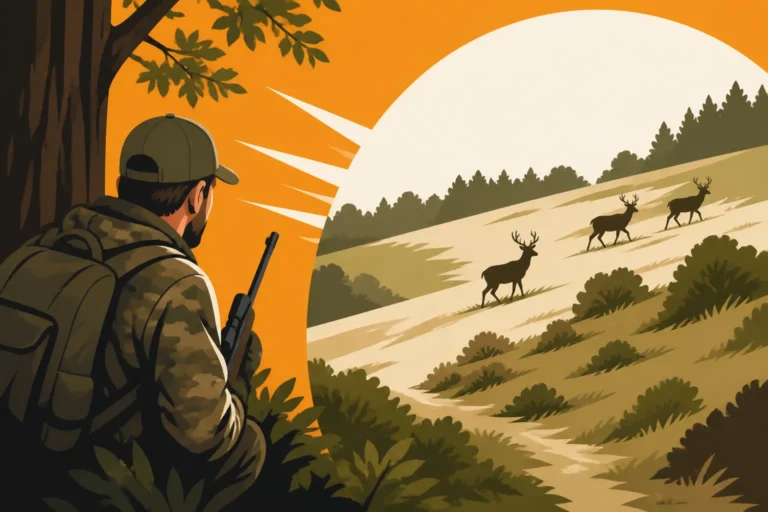
Hunting Small Woodlots Near Suburban Atlanta
Hunting small woodlots near suburban Atlanta can feel like an impossible task. You’re often squeezed between busy roads, housing developments, and fragmented patches of timber, wondering if a deer even dares to step foot in such a chaotic environment. But don't let the urban sprawl fool you; these overlooked pockets often hold surprising numbers of whitetails. This guide will help you understand the unique challenges and discover effective strategies to successfully hunt these tight, pressured suburban parcels.
The Unique Challenges of Suburban Woodlot Hunting
Let’s be honest, hunting these small, often isolated patches of woods around Atlanta isn't like heading to a vast national forest. You're dealing with a completely different ballgame, where human presence is constant, and deer are often hyper-aware. The frustrations are real, from the constant hum of traffic to the lingering scent of Fido from the next-door neighbor's walk. But with a strategic approach, these very challenges can sometimes work in your favor, as deer learn to use these small, overlooked sanctuaries for survival.
Navigating Limited Acreage and Property Lines
One of the most immediate hurdles you'll face is the sheer lack of space. Most suburban woodlots are small, often less than 20 acres, sometimes even under 5. This severely limits your maneuvering room, dictating how you approach, how you set up, and even how you retrieve a deer. Every inch matters, and understanding your boundaries is paramount. You can't just wander freely; you need to know exactly where your hunting permission starts and ends.
Deer movement within these tiny parcels is often swift and precise. They aren’t browsing for hours; they're moving between bedding thickets and food sources, often under the cover of darkness or during brief, quiet windows. You’ll find that deer often skirt the edges of these woodlots, using fences, overgrown ditches, and even property lines as their highways. This limited acreage means you need to be precise with your stand placement. You can’t afford to be 20 yards off, as that might put you out of the action entirely. Furthermore, knowing exactly where the property lines are is non-negotiable. Tools like the GoHunt app are invaluable here, providing satellite imagery and property boundaries right on your phone, helping you avoid accidental trespass and ensure you're always on solid legal footing.
Dealing with High Pressure and Neighbor Proximity
Suburban deer are arguably some of the most pressured animals in Georgia, even if they aren't facing constant hunting pressure. They deal with daily human activity: dog walkers, joggers, landscapers, delivery trucks, kids playing, and the general cacophony of residential life. This means they are inherently wary and will react strongly to any unfamiliar sights, sounds, or smells. Your success hinges on being even more stealthy and less intrusive than you would be in a remote wilderness.
The proximity of neighbors also introduces a layer of social responsibility and etiquette. You absolutely must maintain good relationships with adjacent landowners. A single complaint can jeopardize your hunting access. This means being mindful of noise, especially during early morning entries or late-night exits. It means being discreet about your gear and even your vehicle. If you're granted access by a homeowner, consider them a partner, not just a means to an end. Offer to help with chores, share venison, and always respect their wishes. This mutual respect is key, especially if you need to retrieve a deer that crosses a property line. Remember, a polite conversation can prevent a major headache, especially regarding Do You Need Written Permission in Georgia?.
Scouting Strategies for Small, Pressured Pockets
Scouting these small suburban woodlots isn't just about finding deer sign; it's about understanding how deer navigate and survive in a highly fragmented and human-influenced landscape. You're looking for subtle clues that reveal their secret pathways and hideouts, places where they feel safe enough to linger, even for a few precious minutes. Forget about covering miles; here, it’s about micro-scouting, picking apart every square foot of cover and topography.
Reading the Landscape with a Keen Eye
In these small patches, deer movement is often dictated by the path of least resistance and the most cover. Look for natural funnels – narrow strips of woods between fields or houses, overgrown creek bottoms, or even thick fencerows. These are prime travel corridors. Pay close attention to pinch points where topography or human development squeezes deer movement into a predictable pathway. A subtle rise, a ditch, or a dense briar patch that funnels deer past a certain tree can be a golden opportunity.
Year-round scouting is critical. During the off-season, when foliage is down, you can identify old rub lines, ancient scrapes, and worn trails that are invisible during the growing season. Even though the deer may not be using these exact spots at the moment, they reveal historical movement patterns. Furthermore, observe what kinds of food sources are available both inside and bordering the woodlot. Are there oak trees dropping acorns? Abandoned apple trees? Garden edges? Even ornamental plants in someone's backyard can draw deer, especially during lean times. For a deeper dive into this, consider Reading Aerial Photos for Piedmont Deer to really dissect the terrain from above, which is incredibly helpful for these small tracts. The GoHunt mapping software can also overlay property boundaries with topographic and aerial views, making it easier to pinpoint these subtle features.
Utilizing Trail Cameras Smartly and Minimally
Trail cameras can be an invaluable tool in small woodlots, but they need to be deployed with extra care. The goal is to gather intel without adding additional pressure to an already wary deer herd. Avoid placing cameras directly on heavily used trails where human scent might deter deer. Instead, opt for secondary trails, scrape lines a bit off the main path, or funnel points where deer are likely to pass through.
Position your cameras discreetly, using natural cover to conceal them from both deer and curious neighbors. Keep your visits to check cameras to an absolute minimum – once every two weeks, or even less frequently, is ideal. Time your checks strategically, perhaps during midday when deer activity is typically lower. By minimizing your presence, you reduce the risk of educating deer to your intrusion. You're trying to establish a baseline of deer activity, identify specific bucks, and understand their timing, not to create a constant reminder of human presence.
Effective Hunting Tactics for Tight Quarters
When you're hunting small woodlots near suburban Atlanta, your tactics need to be precise, low-impact, and incredibly stealthy. Forget grand strategies that involve chasing deer for miles; here, it's about making a single, perfect setup work for a brief window of opportunity. Every decision, from your stand type to your entry route, contributes to whether you'll even see a deer, let alone get a shot.
Stand and Blind Placement for Close Encounters
Given the limited space, choosing the right stand or blind and placing it strategically is paramount. You need something that offers a broad view of the most likely travel routes while remaining concealed. For elevated options, hang-on stands or climbing stands are often preferred due to their portability and ability to be placed in specific trees. A saddle hunting setup, as discussed in Saddle Hunting in Georgia Hardwoods, can be particularly effective because it allows for 360-degree shooting angles and incredible concealment, making you part of the tree itself.
Ground blinds are another excellent option, especially in areas with dense cover, thick briars, or near a field edge where an elevated stand might be too exposed. A well-brushed-in ground blind offers excellent concealment, scent containment, and allows for more movement, which can be crucial during long sits. When setting up a blind, think about your backdrop and sight lines. You want to blend in seamlessly with the environment. For tips on deployment, check out Using a Ground Blind on Georgia Public Land. Remember, the deer in these areas are likely accustomed to seeing structures like sheds or fences, so a static, well-camouflaged blind might not alarm them as much as a new, shining treestand.
Mastering Quiet Entry, Exit, and Wind Awareness
This is where many suburban woodlot hunts fail before they even begin. The most crucial factor for success is your ability to enter and exit your hunting area without spooking every deer within a quarter-mile radius. In these smaller parcels, deer know instantly when something is amiss. Plan your entry and exit routes meticulously, using natural cover, ditches, or existing fences to your advantage. Aim for routes that take you directly to your stand with minimal detours and minimal noise. This could mean walking a fence line in a standing crop field, as suggested in Entry Routes Through a Standing Peanut Field, or following a hedgerow.
Always, and I mean always, hunt with the wind in your favor. In fragmented suburban environments, thermals and wind currents can be tricky, swirling unexpectedly due to buildings, hills, and open fields. A slight breeze in the wrong direction can carry your scent directly to a bedding area or a funnel, blowing your hunt. Use scent control diligently and keep an eye on wind apps like those available on GoHunt. For field edge setups, which are common in these areas, consider the advice in Setting Up on a Piedmont Field Edge to understand how deer approach and use these interfaces.
Archery Season Advantage in Populated Areas
One of the biggest advantages of hunting small woodlots near suburban Atlanta is the often-extended archery season. Many municipalities or counties have specific archery-only zones or allow archery hunting where firearms are restricted. This means less hunting pressure overall, and deer that are more accustomed to human presence but less wary of projectile weapons.
Archery hunting offers a quieter, more intimate experience, which is perfectly suited for these tight, sensitive areas. The shorter effective range of a bow means you’re often taking close-range shots, which reduces the risk of a missed animal running onto neighboring properties. This season typically starts earlier, during warmer weather, as detailed in Georgia Archery Season Dates, so lightweight layering for warm-weather sits and bug protection for early archery season are crucial considerations for comfort and stealth. The quiet nature of archery also makes entry and exit less disruptive, further increasing your chances of success.
Building Relationships and Staying Legal
Successfully hunting small woodlots in suburban areas isn't just about deer behavior and tactics; it's heavily reliant on human relationships and strict adherence to the law. A single misstep can cost you your hunting spot, or worse, lead to legal trouble. Consider yourself an ambassador for hunting, particularly in these sensitive environments.
Getting Permission and Maintaining Trust
Finding these small, huntable woodlots often comes down to knocking on doors, making phone calls, or leveraging connections. Don't be afraid to approach landowners, even if you don't know them. Often, homeowners are dealing with deer damage to their gardens or landscaping and are open to the idea of controlled hunting. When you do approach, be polite, presentable, and articulate. Clearly explain your intentions: that you're a responsible hunter, you'll respect their property, and you're seeking to harvest a deer or two.
Once you gain permission, treat that access like gold. Keep lines of communication open, especially regarding when you'll be on the property. Share a portion of your harvest as a thank you. Offer to help with chores around their property, like clearing brush or helping with yard work. Building a strong, trusting relationship not only ensures your continued access but can also open doors to other opportunities in the future. Remember, word-of-mouth travels fast, and being a good steward of the land and a respectful neighbor will only benefit you. For initial outreach, the principles in Asking a Georgia Farmer for Permission can be adapted. Always ensure you have clear, preferably written, permission, as highlighted by Do You Need Written Permission in Georgia?.
Understanding Local Regulations and Safety
Before you ever step foot into a suburban woodlot with your hunting gear, you must thoroughly research and understand all local, county, and state hunting regulations. Atlanta and its surrounding suburbs often have specific ordinances regarding firearm discharge, minimum distances from residences (setback laws), and even specific times when hunting is permitted. These can vary significantly from one county or city to another. The Georgia Department of Natural Resources (DNR) website and the Georgia Outdoors App are essential resources for staying informed. For general information, understanding Finding Access Near Atlanta can help you pinpoint legal hunting options.
Safety is paramount, both for yourself and for the non-hunting public. Even if blaze orange isn't explicitly required for archery season, consider wearing a vest or hat, especially when walking in or out. Always know your target and what's beyond it. In these dense areas, a missed shot or an arrow that passes through can travel further than you might expect, posing a risk to homes or pets. Be extra vigilant about your surroundings and only take shots you are 100% confident in. Educate yourself on the deer population trends in the region, using resources like Piedmont Versus Coastal Plain Deer to better understand the local herd dynamics, and remember to use tools like Scouting With the Georgia Outdoors App to stay informed about boundaries and local rules.
Here's a quick comparison of common stand types and their suitability for small, pressured suburban woodlots:
| Stand Type | Pros | Cons | Best Use Case |
|---|---|---|---|
| Hang-on Stand | Versatile, can be put in difficult trees, lightweight options. | Requires climbing sticks/steps, more involved setup/takedown. | Targeted spots with specific tree needs, minimal setup noise. |
| Climbing Stand | Self-contained, quiet setup/takedown, relatively quick. | Requires straight, limbless tree, can be bulky. | Trees with good cover on straight trunks, quick, quiet mobility. |
| Saddle Hunt | Ultimate concealment, 360-degree shooting, very lightweight. | Learning curve, can be tiring for long sits, not for everyone. | Highly pressured areas, maximum stealth, precise shot angles. |
| Ground Blind | Maximum concealment, scent containment, comfortable, forgiving. | Requires brushing in, larger footprint, can spook wary deer if new. | Field edges, dense thickets, areas with minimal suitable trees. |
| Tripod/Quadpod | Elevated without a tree, portable. | Very visible, requires brush to conceal, limited mobility once placed. | Open areas where elevation is needed but no suitable trees exist. |
Disclaimer
Hunting is an inherently dangerous activity. Always prioritize safety, follow all local, state, and federal regulations, and obtain proper licenses and landowner permissions before hunting. The information provided in this guide is for informational purposes only and should not be considered legal advice. Consult with local authorities for specific regulations in your area.