Which Four Counties Sit in the CWD Zone
The discovery of Chronic Wasting Disease (CWD) in Georgia has naturally stirred a lot of questions and, let's be honest, a fair bit of anxiety among hunters. We pour our hearts into understanding the land and its creatures, and when something like CWD emerges, it feels like a dark cloud over our cherished traditions. Suddenly, there are new rules, new concerns about the deer we pursue, and a whole new layer of responsibility. This guide is here to cut through the confusion and plainly lay out which four counties now constitute Georgia's CWD Management Area (CMA), what that means for you as a hunter, and how we can all work together to protect our state's invaluable deer herd.
Understanding Georgia's Chronic Wasting Disease Management Area (CMA)
When news broke about CWD finally reaching Georgia, it was a moment many of us in the hunting community had dreaded. It's a game-changer, no doubt, and it brought with it the immediate need for the Georgia Department of Natural Resources (DNR) to establish specific zones and regulations to try and contain this insidious disease. It’s a stark reminder of how interconnected our wildlife populations are and how crucial our role as stewards truly is.
The Initial Discovery and Response
Chronic Wasting Disease, or CWD, isn't new to North America, but its detection in Georgia was a first. The initial case was confirmed in 2023, specifically in a hunter-harvested deer in Stewart County. This wasn't just another statistic; it was a wake-up call right here in our backyard. The Georgia Wildlife Resources Division acted swiftly, initiating an emergency response plan to assess the spread and implement containment measures. This involved intensive surveillance, public outreach, and the immediate establishment of a CWD Management Area.
The urgency was palpable because CWD is a fatal neurological disease that affects cervids like deer, elk, and moose. Once an animal contracts it, there’s no cure, and it's always fatal. The thought of this devastating disease spreading unchecked through our healthy deer populations is enough to make any Georgia hunter's stomach turn. The state immediately focused on limiting the potential spread from the initial detection point. This involved setting up special guidelines and mandatory testing protocols, especially within a specific radius of where the positive deer was found. Understanding "When CWD Was First Found in Georgia" helps put the subsequent regulations into perspective.
Defining the CWD Zone Counties
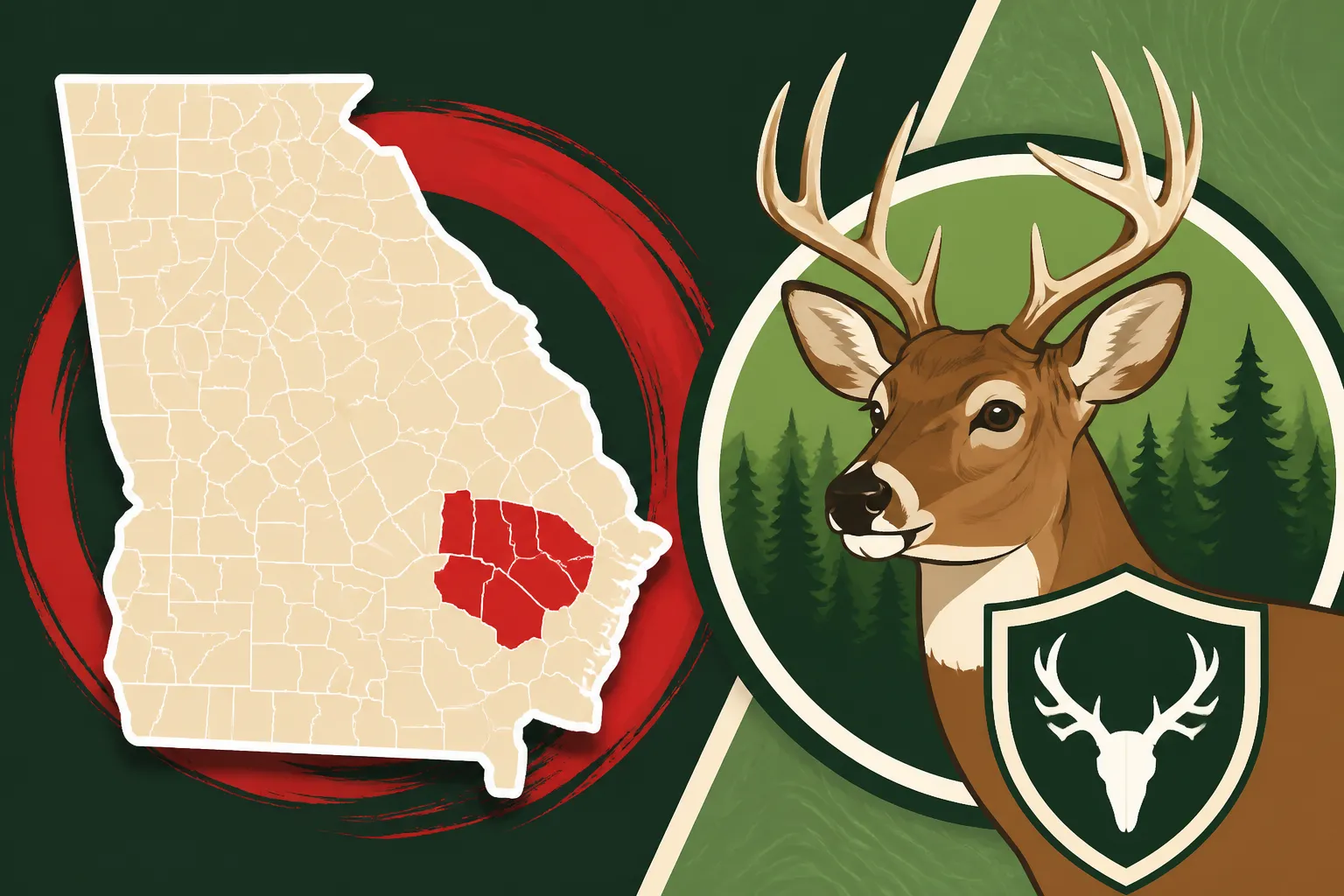
To contain the spread following that initial discovery, the Georgia DNR established a CWD Management Area (CMA). This zone is comprised of all or parts of four counties surrounding the initial detection site. So, to answer the burning question, the four counties that currently sit in Georgia's CWD Zone are Stewart, Chattahoochee, Muscogee, and Randolph.
These counties were chosen because they fall within the critical "Why Georgia Used a Five-Mile CWD Radius" around the confirmed case in Stewart County, which is a standard epidemiological practice to create a buffer against potential further spread. It’s not just about drawing lines on a map; it's a strategic effort to monitor and manage the disease where it's most likely to be present. Each of these counties, while distinct in their hunting characteristics, now shares the common responsibility of adhering to CWD management protocols. The hope is that by concentrating efforts in these areas, any further cases can be identified quickly and the overall spread minimized. For hunters who typically pursue deer in or near these areas, knowing these boundaries is absolutely non-negotiable before heading into the field.
Navigating Hunting Regulations Within the CWD Zone
Hunting in Georgia has always come with rules, but the introduction of a CWD zone adds a new layer of complexity that every hunter needs to be aware of. It's no longer just about seasons and bag limits; it's about active participation in disease management. These regulations aren't arbitrary; they are critical steps designed to protect the health of our deer herd and ensure the future of hunting in Georgia. Ignoring them isn't an option.
Mandatory Testing and Carcass Restrictions
Perhaps the most significant change for hunters in the CWD zone is the requirement for mandatory CWD testing. If you harvest a deer within Stewart, Chattahoochee, Muscogee, or Randolph counties, you are generally required to submit samples for testing. This is crucial for monitoring "How Many Georgia Deer Have Tested CWD-Positive" and understanding the disease's prevalence. The good news is that the process for "Georgia CWD Testing for Hunters" has been made as straightforward as possible, with designated sampling locations and drop-off points. You'll need to check the Georgia DNR website or your GoHunt app for the most current information on where and how to submit your samples. Don't just assume; always confirm.
Beyond testing, strict carcass movement restrictions are in place. This means you generally cannot transport a whole deer carcass out of these four CWD counties. This rule is put in place to prevent potentially infected carcass parts from spreading the disease to new areas. There are exceptions, of course, for deboned meat, clean skull plates, hides, and taxidermy-ready mounts, but these must be prepared according to specific guidelines. Understanding "Georgia Carcass Movement Restrictions" is vital to avoid penalties and, more importantly, to do your part in preventing the spread of CWD. Imagine unknowingly taking an infected carcass component to your deer camp in another county – the implications could be devastating.
Here's a quick overview of what can and cannot be moved out of the CWD Management Area counties:
| Permitted Out of CMA | Not Permitted Out of CMA |
|---|---|
| Deboned meat | Whole deer carcasses |
| Clean skull plates | Carcasses with brain/spinal column intact |
| Cleaned antlers | Any part containing nervous tissue |
| Hides | Organs (liver, heart, etc.) |
| Finished taxidermy mounts | Blood, lymph nodes |
| Teeth | Spinal cord, brain |
Note: Always verify current regulations directly with Georgia DNR as rules can change.
Adapting Your Hunting Practices
Hunting within a CWD zone requires a heightened sense of awareness and responsibility. It might mean changing how you process a deer in the field or how you transport it. For instance, if you usually quarter your deer at home, you might now need to do much of that work at a designated processing facility or even in the field within the CWD county to comply with carcass movement rules. It's a shift, no doubt, but one that is absolutely necessary.
Staying up-to-date is paramount. The Georgia DNR continuously updates its guidance, and platforms like GoHunt can be incredibly useful for quickly checking the latest regulations, finding CWD sampling stations, and even getting real-time alerts. Instead of feeling frustrated, embrace these tools. They are designed to help you stay compliant and informed. When you're "Scouting With the Georgia Outdoors App" or checking maps, always overlay the CWD zone information to ensure you're aware of any specific requirements for that area. This proactive approach helps protect not just the immediate area, but potentially the entire state’s deer population. We’re all in this together, and adapting our practices is how we show our commitment to conservation.
The Broader Impact of CWD on Georgia's Deer Herd
The mere presence of CWD in Georgia, even if contained to these four counties for now, has implications far beyond just local hunting regulations. It's a significant concern for wildlife biologists, land managers, and every single hunter who cares about the long-term health and sustainability of our cherished white-tailed deer population. Understanding the disease itself and the broader efforts to combat it is crucial for every responsible outdoors person.
What CWD Means for Deer Health and Management
Chronic Wasting Disease is, as the name suggests, a chronic condition. It progresses slowly, often over months or even years, before deer show outward signs. These signs can include drastic weight loss (wasting), stumbling, listlessness, behavioral changes, and excessive drooling or thirst. Sadly, it is always fatal. The disease is caused by abnormal proteins called prions, which accumulate in the brain and other tissues, leading to irreversible neurological damage. These prions are incredibly persistent and can remain viable in the environment, like in soil or vegetation, for extended periods, making containment particularly challenging. This resilience means that once CWD is in an area, it's incredibly difficult, if not impossible, to eradicate.
For Georgia, CWD means a heightened focus on "Georgia Wildlife Disease Monitoring" and management. Wildlife managers are not just worried about the immediate deer population in the affected counties; they're looking at the potential for reduced deer populations over time, changes in deer behavior, and the cascading effects on local ecosystems. The goal is to keep "Georgia CWD Prevalence in the Management Area" as low as possible and prevent its spread to new regions. This often involves targeted surveillance, public education, and potentially specific herd reduction strategies in highly infected areas, though such measures are carefully considered and implemented. It’s a delicate balance of protecting the herd and preserving hunting opportunities.
Hunter's Role in CWD Prevention and Monitoring
As hunters, we are on the front lines of wildlife observation, and our role in preventing the further spread of CWD is absolutely critical. We spend more time in the woods, observing deer behavior, than almost anyone else. This makes us invaluable partners in surveillance. If you ever observe a deer that appears sick, exhibiting symptoms like extreme emaciation, neurological issues, or abnormal behavior, it's vital to report it. There are clear guidelines on "Reporting a Sick Animal in Georgia" to the DNR, and every report can help.
Beyond reporting, we have a responsibility to adhere strictly to all CWD regulations, especially those regarding carcass movement. It’s also important to practice good hygiene. This means cleaning your gear, especially knives and processing equipment, thoroughly after handling a harvested deer, particularly if you've hunted in a CWD-positive area. Don’t reuse deer urine attractants from potentially infected areas in new, clean areas. Simple steps like these, combined with careful attention to "Handling Venison From a CWD Management Area" responsibly, are how we contribute to containing this threat. Our actions, both individually and collectively, will play a huge part in safeguarding Georgia's deer for generations to come.
Disclaimer
Please note: Hunting regulations, including those related to Chronic Wasting Disease, can change. Always consult the official Georgia Department of Natural Resources (DNR) Wildlife Resources Division website or their current hunting regulations guide for the most up-to-date and accurate information before planning your hunt in Georgia.