Georgia Carcass Movement Restrictions
Hunting in Georgia brings with it the excitement of the chase and the satisfaction of a successful harvest. But lately, many of us are wrestling with a new layer of complexity: how to manage our deer harvests safely and legally, especially with the emergence of Chronic Wasting Disease (CWD) in the state. It's frustrating to navigate new regulations when you've been doing things the same way for years, and nobody wants to accidentally break a rule. This guide is here to cut through the confusion and explain Georgia's specific carcass movement restrictions, helping you understand why they exist and how to comply, ensuring you protect Georgia's deer herd while still enjoying your hunting traditions.
Understanding the Threat Chronic Wasting Disease (CWD)
Chronic Wasting Disease (CWD) has become a major concern for wildlife managers and hunters alike across North America, and now, it's a reality we face here in Georgia. It’s a terrifying prospect for anyone who cares about our state's incredible deer population. Imagine a disease that slowly and inevitably wastes away the animal, leading to a lingering, fatal end. That's CWD in a nutshell, and understanding it is the first step to protecting our cherished whitetails.
What is Chronic Wasting Disease
At its core, CWD is a neurological disease that affects cervids, which include deer, elk, and moose. It's caused by abnormal proteins called prions, not bacteria or viruses, which makes it particularly insidious and difficult to combat. These prions essentially corrupt normal proteins in the animal's brain and nervous system, leading to characteristic symptoms like extreme weight loss, stumbling, listlessness, behavioral changes, and excessive drooling. The disease is always fatal, and there is currently no vaccine or cure.
What makes CWD so concerning is the way these prions behave. They are incredibly resilient, resisting conventional disinfectants, heat, and even natural decomposition. This means they can persist in the environment for years, even decades, in soil, plants, and contaminated carcasses. This persistence is a game-changer for wildlife management, as it means the environment itself can become a source of infection long after an infected animal is gone. While there's no evidence yet of CWD infecting humans, public health agencies universally recommend against consuming meat from CWD-positive animals. It's a "better safe than sorry" approach that makes perfect sense.
How CWD Spreads Among Deer
CWD spreads primarily through direct animal-to-animal contact, but also indirectly through contact with contaminated environments. Think of it: deer are highly social creatures, often gathering in groups to feed, bed, and interact. This close contact provides ample opportunity for the exchange of infectious prions through saliva, urine, and feces. When a deer browses on vegetation or drinks from a water source, it can deposit prions, which can then be picked up by another deer coming along later.
The movement of infected carcasses or carcass parts by hunters is also a significant vector for the spread of CWD. If an infected deer is harvested in an affected area and its carcass is transported to an unaffected area, any prions shed from the carcass — through blood, brain tissue, spinal cord material, or even simply through improper disposal of remains — can introduce the disease to a new location. This is precisely why carcass movement restrictions are put in place, to act as a crucial barrier against unwittingly spreading this devastating disease further into our state. It's a tough ask for hunters, but a necessary one to safeguard our herds for future generations.
Georgia's Response Establishing the CWD Management Area (CMA)
When CWD was finally detected in Georgia, it sent ripples of concern through the hunting community and within the Georgia Department of Natural Resources (DNR). It was the moment everyone had hoped to avoid, but wildlife officials had been preparing for years. The response was swift and decisive, focusing on containment and extensive testing to prevent widespread infection. It’s a tough situation for all involved, but the health of our deer herd is paramount.
When CWD Was First Found in Georgia
The confirmation of CWD in Georgia marked a somber milestone for the state's wildlife management efforts. While the specifics are still fresh in many hunters' minds, the first confirmed case of CWD in Georgia was detected in September 2023 in an adult doe harvested in Marion County. This wasn't a random discovery; it was the result of diligent surveillance efforts, including testing of harvested deer and those found dead or exhibiting neurological symptoms. The Georgia DNR had long recognized the threat, especially with confirmed cases in neighboring states, and had systems in place to quickly identify and respond. You can learn more about this critical moment in our state's history by checking out When CWD Was First Found in Georgia. This discovery immediately triggered a comprehensive, pre-planned response protocol designed to minimize the risk of further spread.
Defining the CMA Boundaries and Restrictions
Following the initial detection, the Georgia DNR moved quickly to establish a Chronic Wasting Disease Management Area (CMA). This designation is not just a line on a map; it's a critical zone where enhanced regulations are in effect to curb the spread of the disease. The CMA initially included Marion, Macon, and Schley counties, and parts of Peach and Sumter counties, based on a five-mile radius around the initial detection site. This strategic boundary was determined to encompass the most immediate risk area for potential CWD exposure and spread.
Within these specific counties, hunters face new rules, particularly regarding the movement of deer carcasses. The core principle is simple: prevent the transportation of high-risk parts (like brain and spinal cord) from the CMA to other parts of Georgia where CWD has not been detected. This means that hunters who harvest a deer within the CMA must adhere to strict guidelines on what parts of the animal can leave the area. For a detailed list of the counties affected, you can refer to Which Counties Sit Inside Georgia's CMA. It's a major shift from previous hunting seasons, and it requires careful attention from every hunter.
The "Why" Behind Carcass Movement Restrictions
You might be asking, "Why all these rules? I've been processing my deer at home for decades!" And that's a completely fair question. The "why" behind these carcass movement restrictions is directly tied to the nature of CWD prions and their ability to spread. As we discussed, these prions concentrate in certain tissues of an infected animal, particularly the brain, spinal cord, eyes, spleen, tonsils, and lymph nodes. These are precisely the parts that pose the highest risk for transmitting the disease.
When a hunter moves an entire carcass or high-risk parts out of a CWD-positive area, there's a significant chance that prions could be left behind at the new location. This could happen if tissues are accidentally dropped, if the carcass is improperly disposed of, or even if fluids from the carcass contaminate a vehicle or processing area. By restricting the movement of these high-risk materials, the DNR aims to contain the disease within the CMA, preventing it from jumping to new counties and infecting additional deer herds. It’s a preventative measure, yes, but a scientifically backed one, designed to protect the very resource we all cherish. These rules, while sometimes inconvenient, are truly a long-term investment in the health of Georgia's deer population.
Specific Carcass Movement Rules for Hunters
Navigating the new CWD regulations can feel like learning a whole new language, especially when it comes to what you can and can't do with your harvested deer. The Georgia DNR has put clear rules in place, and understanding them is crucial for every hunter operating within the Chronic Wasting Disease Management Area (CMA). Don't just assume what you've always done is still okay; these rules are different and important.
Whole Carcass Transportation Prohibited
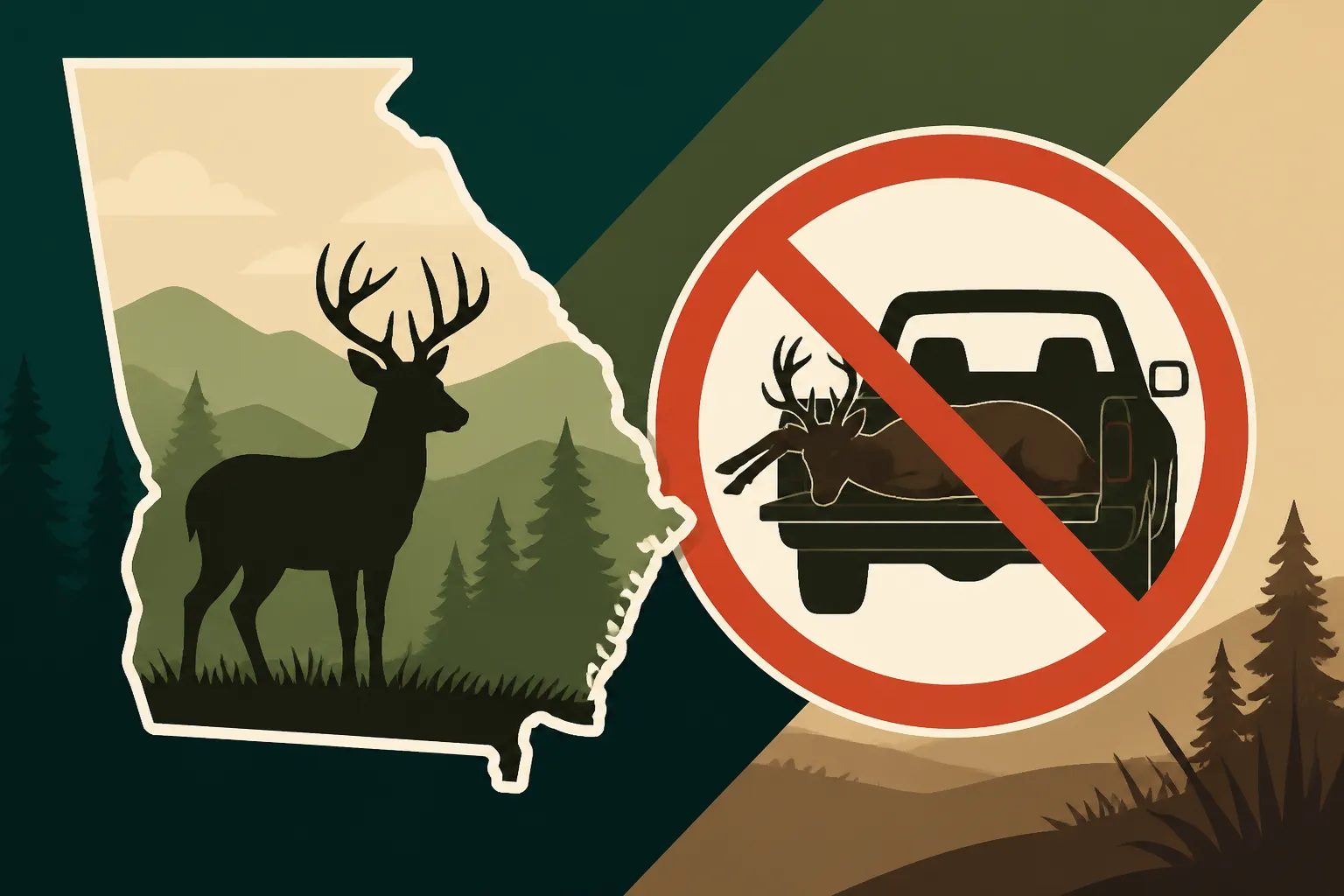
The most significant restriction for hunters in Georgia's CWD Management Area is the prohibition of transporting whole deer carcasses out of the CMA. This means if you harvest a deer in Marion, Macon, Schley, or the affected parts of Peach or Sumter counties, you cannot simply load the entire animal into your truck and take it home to a county outside the CMA for processing. The reason, as we discussed, is to prevent the high-risk parts – the brain, spinal cord, and other lymphatic tissues – from potentially spreading infectious prions to new areas.
This rule demands a shift in thinking and planning for many hunters. It means you'll need to consider how you'll process your deer before you even head into the CMA. This might involve field dressing and quartering the animal at the kill site or utilizing a processor within the CMA itself. The goal is to ensure that any high-risk tissues remain within the designated management area, minimizing the chance of CWD prions being inadvertently introduced elsewhere. It’s a fundamental change, but one that directly serves the long-term health of the state's deer population. For more on what parts can and cannot be moved, check out Moving a Deer Carcass Out of the CMA.
Permitted Parts and Products
While whole carcasses are a no-go, you're not left without options. The Georgia DNR recognizes that hunters want to utilize their harvest, and they've outlined specific parts and products that can be transported out of the CMA. These are the parts considered low-risk for CWD transmission, provided they are prepared correctly.
Here’s what you can legally transport out of the Georgia CMA:
- Boned-out meat: This means the meat has been completely separated from the bone, spinal cord, and other high-risk tissues. You can pack this out in coolers or game bags.
- Cleaned skull plates: If you want to keep the antlers, the skull plate must be completely free of all brain tissue, hide, and other organic material. Power washing or boiling are common methods to achieve this.
- Finished taxidermy products: Once a taxidermist has fully processed a mount, it is considered safe for transport. The process typically involves removing all potentially infected tissues.
- Hides: Deer hides, with no visible brain or spinal cord tissue attached, are generally considered low-risk and can be transported.
- Teeth: Individual teeth can be kept, provided they are free of any other tissue.
It’s crucial that these permitted items are truly clean and free of any attached high-risk material. If you're unsure, it's always best to err on the side of caution or consult with the Georgia DNR directly. This balance allows hunters to continue enjoying their harvest while significantly reducing the risk of CWD spread.
Regulations for Taxidermy and Processors
The carcass movement restrictions don't just apply to individual hunters; they also have a direct impact on taxidermists and meat processors, both inside and outside the CMA. These businesses play a vital role in the hunting ecosystem, and they too must adapt to the new CWD protocols.
Processors located within the CMA are equipped to handle whole carcasses and can prepare the permitted parts (boned-out meat, cleaned skull plates) for hunters to take outside the area. They are often the best option for hunters who harvest a deer in the CMA and live outside of it, as they can ensure compliance with all regulations. They know precisely how to manage the high-risk waste to prevent environmental contamination. It's smart to check ahead with your preferred processor to see if they're set up for this, and many use services like GoHunt to find local businesses quickly.
For taxidermists, the rules are similar. If you harvest a trophy buck in the CMA, you can take it to a taxidermist within the CMA, who can then properly clean the skull or prepare the hide for mounting, ensuring all high-risk tissues are removed and disposed of correctly. If you intend to take a skull or cape to a taxidermist outside the CMA, you must ensure it meets the "permitted parts" definition: skull plates must be completely clean, and capes free of brain matter. Many taxidermists, especially those outside the CMA, will only accept skull plates or capes that have already been thoroughly cleaned by the hunter or a processor within the CMA. This dual responsibility helps create a network of compliance that protects the entire state.
Here's a quick summary of what can and cannot be transported out of Georgia's CWD Management Area:
| Carcass Part/Product | Permitted for Transport Out of CMA | Important Considerations |
|---|---|---|
| Whole Carcasses | No | Must be processed within CMA or at kill site. |
| Boned-out Meat | Yes | Meat completely separated from bone, spinal cord, etc. |
| Cleaned Skull Plates | Yes | Must be completely free of brain/organic tissue. |
| Finished Taxidermy Products | Yes | Product must be fully processed by a licensed taxidermist. |
| Hides | Yes | Must be free of brain/spinal cord tissue. |
| Antlers (shed or attached) | Yes | If attached to skull, skull plate must be cleaned. |
| Teeth | Yes | Individual teeth, free of tissue. |
| Brain, Spinal Cord, Spleen | No | High-risk materials must remain within CMA. |
| Internal Organs (other) | No | Best to leave at kill site or dispose of within CMA. |
Practical Steps for Hunters in the CMA
Understanding the rules is one thing; putting them into practice when you're standing over a harvested deer in the woods is another. It requires preparation and a willingness to adapt your field practices. For hunters in Georgia's CWD Management Area (CMA), these practical steps are essential for compliance and for contributing to the health of our deer herd.
Field Dressing and Quartering at the Kill Site
One of the most practical and recommended steps for hunters who harvest a deer within the CMA and plan to take it out is to field dress and quarter the animal at the kill site. This means doing more than just removing the entrails; it means breaking down the deer into its major muscle groups, effectively boning out the meat. This ensures that the high-risk materials – primarily the brain, spinal cord, and many internal organs – remain where the deer was harvested, within the CMA boundaries.
Field dressing is a common practice, but quartering takes it a step further. It involves removing the four quarters, backstraps, and tenderloins, leaving the skeletal structure, head, and hide behind. This significantly reduces the bulk and weight you need to transport, making it easier to pack out of remote areas. It also ensures that only the low-risk meat leaves the CMA. You'll need a sharp knife, a saw (if you plan to take skull plates for antlers), and a good set of game bags to keep the meat clean. Practicing this at home beforehand, or watching online tutorials, can make a huge difference in efficiency and cleanliness when it counts in the field. This also ties into how you go about Handling Venison From a CWD Management Area to ensure it's safe and compliant.
Transporting Legal Parts Out of the CMA
Once you've properly field-dressed and quartered your deer, or had it processed by a facility within the CMA, you're ready to transport the legal parts. This primarily includes boned-out meat, cleaned skull plates, and hides. The key here is proper containment and cleanliness.
Boned-out meat should be placed in clean coolers or insulated game bags. Ensure the meat is kept cool, especially in Georgia's often warm weather, to prevent spoilage. You can't just throw it in the back of your truck loose. Skull plates, after being thoroughly cleaned of all brain and organic tissue, can be bagged or wrapped for transport. Hides should also be free of any attached high-risk tissue. The rule of thumb is: if it's not boned-out meat or a clearly processed low-risk part, it stays in the CMA. Always double-check the latest regulations on the Georgia DNR website or through apps like GoHunt to confirm details before you transport anything. This careful attention to detail helps stop the spread of CWD effectively.
Mandatory Testing Procedures
For hunters harvesting deer within Georgia's CWD Management Area, there's an additional, crucial step: mandatory CWD testing. This isn't optional; it's a requirement designed to monitor the prevalence and spread of the disease within the CMA. This ensures that we get the most accurate picture of the disease's presence in the herd.
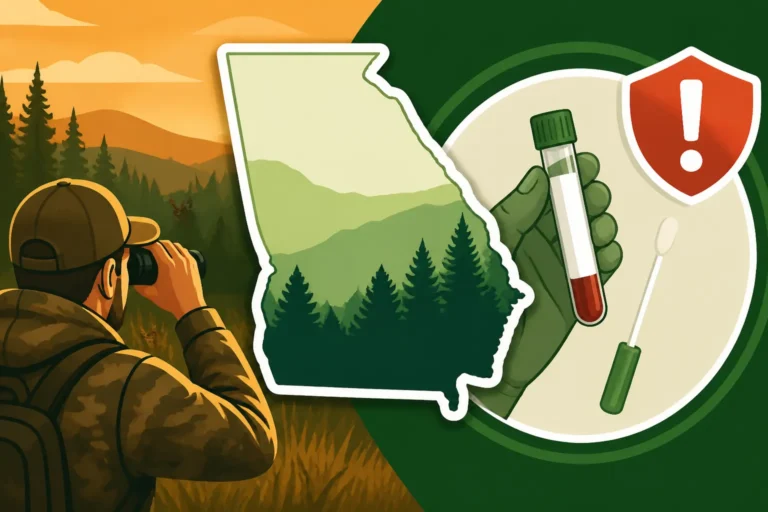
Upon harvesting a deer in the CMA, hunters are required to submit samples for testing. The Georgia DNR has established CWD sampling stations within and around the CMA where hunters can bring their deer head for sample collection. These stations are typically at designated drop-off points, meat processors, or taxidermists who are cooperating with the DNR. It’s important to familiarize yourself with the locations and operating hours of these stations before you hunt. When you drop off your sample, you'll need to provide your Georgia DNR harvest confirmation number, which you get after reporting your harvest via the Georgia Game Check system. This information is critical for linking the test result back to your specific deer. For more detailed information on this process, refer to Mandatory Testing Inside Georgia's CMA and Georgia CWD Testing for Hunters. This collective effort in testing is fundamental to our understanding and management of CWD.
Reporting and Compliance Playing Your Part
The fight against CWD isn't just up to wildlife biologists and game wardens; it's a shared responsibility, and hunters are on the front lines. Your actions, from accurately reporting your harvest to adhering to carcass movement restrictions, are incredibly important. It's about more than just following the law; it's about being a responsible conservationist for the long haul.
Georgia Game Check and Harvest Reporting
Harvest reporting has always been a fundamental component of wildlife management in Georgia, allowing the DNR to track harvest trends, population health, and hunter effort. With CWD now in the state, the importance of accurately using the Georgia Game Check system has only intensified. Every deer harvested in Georgia, whether inside or outside the CMA, must be reported through Game Check. This system provides critical data that helps wildlife managers make informed decisions, especially concerning disease monitoring.
When you harvest a deer, you're required to report it within 24 hours via the Georgia Game Check website, mobile app, or by phone. This generates a confirmation number that you'll need if you're taking your deer to a processor or a CWD sampling station. For deer harvested in the CMA, this confirmation number is directly linked to your mandatory CWD test submission. It’s a seamless process when done correctly, and it's our collective responsibility to ensure that the data collected is as accurate and complete as possible. Understanding how to Reading a Georgia Harvest Report can even give you insight into the health of your local herd. Without this accurate reporting, the DNR's ability to track and manage CWD becomes significantly hampered.
Consequences of Non-Compliance
It might feel like a lot of hoops to jump through, but these regulations are serious, and there are real consequences for non-compliance. Ignoring carcass movement restrictions or failing to submit a deer for mandatory CWD testing is not just a minor oversight; it's a violation of Georgia hunting regulations and can carry significant penalties. These penalties can include fines, loss of hunting privileges, and even confiscation of game and equipment.
Beyond the legal ramifications, the greater consequence of non-compliance is the potential harm to Georgia's deer herd. Every instance of an illegally moved carcass or an untested deer from the CMA poses a risk of spreading CWD to new, unaffected areas. This could lead to a broader CWD management area, more restrictive hunting regulations statewide, and ultimately, a decline in deer populations. The DNR isn't implementing these rules lightly; they are a necessary defense against a devastating disease. By choosing to comply, you're not just avoiding a ticket; you're actively participating in the long-term conservation of Georgia's wildlife. It's about protecting the heritage and future of hunting in our state.
Resources for Hunters
Navigating new regulations can be tough, but the good news is that there are many resources available to help Georgia hunters stay informed and compliant. The Georgia DNR is committed to providing clear and up-to-date information, and smart hunters will take advantage of these tools.
- Georgia DNR Website: This is your primary source for all official regulations, CWD updates, CMA boundary maps, and locations of CWD sampling stations. They frequently update FAQs and provide detailed guides.
- Go Outdoors Georgia App: This mobile app is a fantastic tool. You can purchase licenses, report harvests, and often find direct links to regulations. It's a handy way to carry your license and stay informed while in the field.
- Local Wildlife Management Areas (WMAs) and Law Enforcement: If you're hunting on public land, WMA staff are often excellent sources of specific, local information. Game wardens are also there to educate and enforce, and they'd rather answer a question beforehand than write a citation later.
- Hunting Forums and Groups: While not official, local hunting groups and online forums can be great places to get practical advice from fellow hunters who are also adapting to the new rules. Just be sure to always verify critical information with official DNR sources.
- GoHunt: While not directly a regulatory body, resources like GoHunt can sometimes offer overlays or map features that help identify CMA boundaries and even provide links to local services like processors.
Staying informed is your best defense against inadvertently violating a rule. Take the time to review the current regulations before each season and even before each hunt within or near the CMA. The collective effort of informed hunters is our best tool in managing CWD effectively.
Looking Ahead CWD Management and the Future
The presence of CWD in Georgia marks a new chapter for wildlife management in the state. It's a challenge, yes, but also an opportunity for hunters and wildlife agencies to work together even more closely. The future of CWD management will rely on ongoing vigilance, scientific advancements, and the continued commitment of the hunting community.
Ongoing Monitoring and Research Efforts
The Georgia DNR is not just putting rules in place; they are actively engaged in comprehensive CWD monitoring and research efforts. The mandatory testing within the CMA is a critical component of this, providing real-time data on the disease's prevalence. Beyond this, the DNR conducts surveillance throughout the state, testing animals that appear sick, found dead, or are harvested in other areas. This proactive approach aims to detect any further spread as early as possible.
Research plays a vital role in understanding CWD better. Scientists are continuously studying how prions behave in the environment, how the disease affects deer populations over time, and potential strategies for mitigation. This includes looking into everything from soil contamination to genetics that might offer resistance. Georgia is contributing to this broader scientific understanding, and the data gathered from our state's CMA will be invaluable. This long-term commitment to Georgia Wildlife Disease Monitoring is our best hope for minimizing CWD's impact and developing effective management strategies.
The Hunter's Role in Prevention and Management
As hunters, our role in CWD prevention and management cannot be overstated. We are the eyes and ears in the field, often the first to notice changes in deer behavior or unusual sightings. Our compliance with regulations, combined with our willingness to report observations, is absolutely essential.
Beyond strictly following carcass movement restrictions and mandatory testing requirements, hunters can contribute by:
- Reporting sick or dead deer: If you see a deer exhibiting CWD-like symptoms (emaciation, neurological issues, excessive drooling), contact the Georgia DNR immediately. Do not approach or handle the animal.
- Avoiding baiting and artificial feeding: Concentrating deer at bait sites can increase direct animal-to-animal contact, accelerating CWD transmission.
- Practicing ethical hunting: Harvest only healthy-looking animals and ensure proper field dressing and disposal of remains.
- Staying informed: Continuously educate yourself on the latest CWD information and regulations from the Georgia DNR.
- Supporting wildlife management: Understand that regulations are put in place for the long-term health of the resource, not to inconvenience hunters.
Our dedication to conservation, which has always been a hallmark of the hunting community, is now more critical than ever. By actively participating in prevention and management efforts, we ensure that future generations can continue to enjoy healthy deer populations and the rich hunting heritage that defines Georgia. This is how we ensure that our Georgia Deer Herd Size remains robust for years to come.
The Future of Hunting in Affected Areas
The prospect of CWD can feel daunting, potentially casting a shadow over future hunting seasons. However, it's important to remember that hunting has adapted to challenges before, and it will adapt again. The future of hunting in Georgia's CWD-affected areas will likely involve ongoing adjustments, but it does not mean the end of hunting.
We can expect continued emphasis on disease monitoring, perhaps refined testing protocols, and potentially adapted season structures or bag limits in the CMA if CWD prevalence warrants it. Hunters might need to get accustomed to more frequent mandatory testing or specific disposal requirements in certain zones. The focus will remain on managing the disease to protect the overall deer population and minimize the risk to human health, while still providing hunting opportunities. The key will be flexibility and cooperation between hunters and wildlife agencies. We've seen how other states have continued hunting successfully with CWD present, learning to live with it and manage it responsibly. While the landscape of hunting in some parts of Georgia may change, the passion and tradition will endure, sustained by a community dedicated to conservation.
Disclaimer
The information provided in this guide is for general informational purposes only and is subject to change. Hunting regulations, including those related to Chronic Wasting Disease (CWD) and carcass movement restrictions, are established by the Georgia Department of Natural Resources (DNR) and can be updated at any time. Hunters are solely responsible for knowing and adhering to all current federal, state, and local hunting laws and regulations. Always consult the official Georgia DNR website or contact them directly for the most accurate and up-to-date information before engaging in any hunting activities.