Finding a Georgia CWD Sampling Location
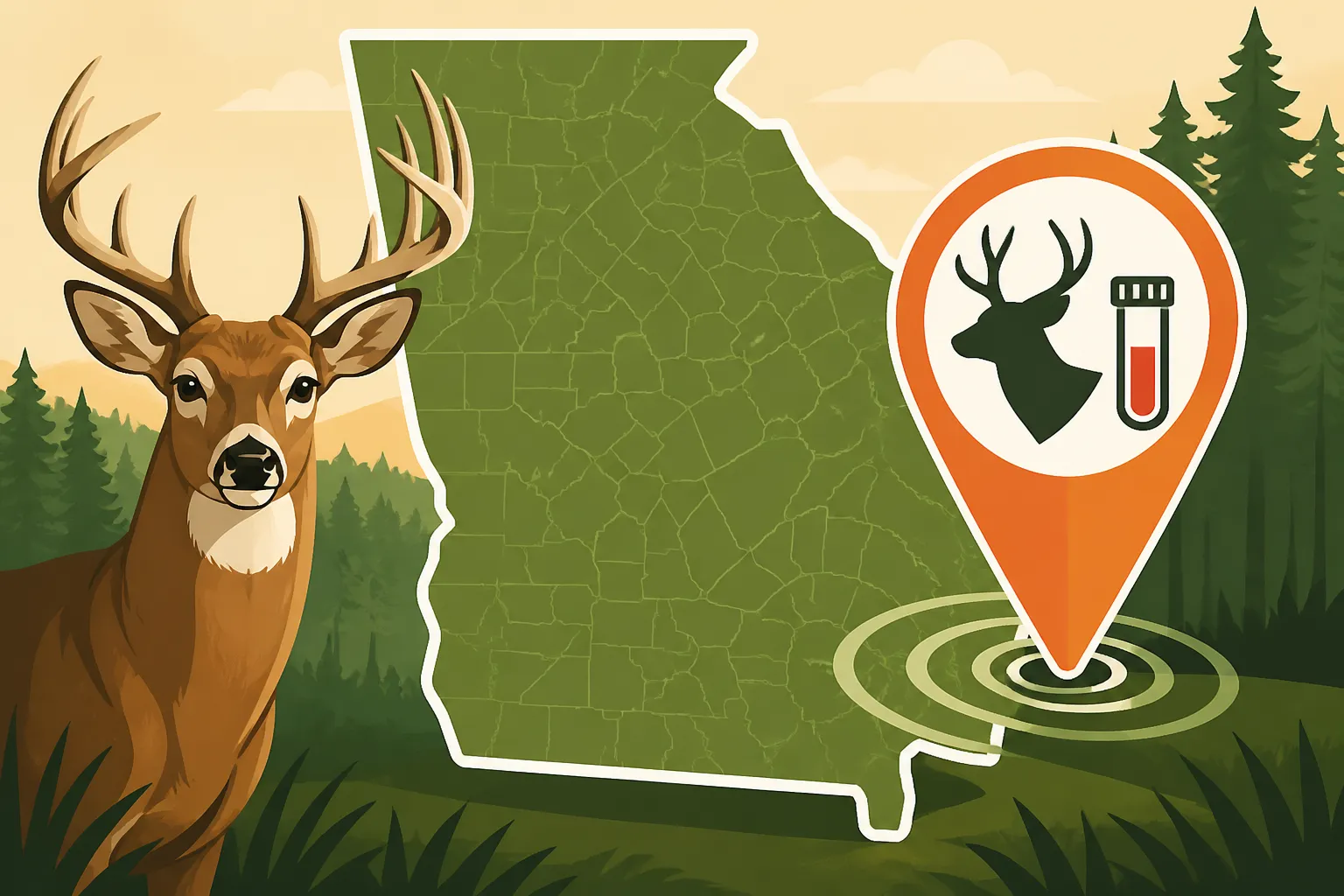
Hitting the woods in Georgia should be about the thrill of the hunt, the quiet moments, and the satisfaction of a successful harvest, not the worry of disease. But with Chronic Wasting Disease (CWD) now confirmed in our state, understanding where and how to get your deer tested is no longer just a good idea—it’s a critical part of ethical hunting and protecting our deer herd. This guide will walk you through exactly how to find a Georgia CWD sampling location, making compliance as straightforward as possible so you can get back to what you love.
Understanding CWD and Why Testing Matters in Georgia
Let's be honest, nobody wants to hear about a disease affecting our deer, especially when it adds another layer of responsibility to an already demanding hunt. But CWD is a serious neurological disease that impacts deer, elk, and moose, and it’s always fatal. It’s caused by abnormal proteins called prions, and once it's in the environment, it's incredibly difficult to get rid of. For years, we Georgia hunters have watched nervously as CWD spread through neighboring states, hoping it wouldn't make its way here. Unfortunately, in early 2024, the Georgia Department of Natural Resources (DNR) confirmed the first positive case in our state. This changed everything, adding a new dimension to how we approach deer season.
The Silent Threat of Chronic Wasting Disease
The real kicker with CWD is its insidious nature. Deer can be infected for a long time—sometimes years—before showing any outward symptoms. During this incubation period, they're still shedding those infectious prions into the environment through their saliva, urine, and feces. This means an apparently healthy deer can still be contributing to the spread of the disease, making early detection through testing absolutely vital. It’s a tough pill to swallow, knowing that a deer you’ve spent weeks scouting might carry this unseen threat.
When symptoms finally do appear, they're heartbreaking to witness: drastic weight loss, stumbling, listlessness, excessive salivation, and an insatiable thirst. These animals often appear "wasted" and aren't behaving normally, but by then, the disease is in its advanced stages. The long incubation period also means that waiting to see sick deer isn't an effective strategy for containing the spread. That's why active surveillance and hunter participation in testing are so crucial, especially now that the disease has a foothold. We all have a role to play in monitoring this.
Why Your Harvest Contributes to Herd Health
Every deer you harvest, especially within or near a CWD management area, becomes a valuable data point in the state's efforts to track and contain this disease. I know, it feels like another hoop to jump through after a long day in the woods, but it's for the greater good of our herd. Testing provides the DNR with critical information on the prevalence and geographical spread of CWD. Without this data, they're essentially flying blind, unable to implement targeted management strategies.
Think about it: if we don't test, we don't know the true extent of the problem. Your voluntary participation in Georgia CWD Testing for Hunters helps map the disease, identify hot spots, and inform future regulations. It’s not just about compliance; it’s about stewardship. We want to ensure that future generations of Georgia hunters have healthy deer to pursue, and that starts with responsible action today. That venison in your freezer is more than just meat; it's a piece of the puzzle that helps protect our shared resource.
Navigating the CWD Management Area and Mandatory Testing
With the discovery of CWD, Georgia promptly established a CWD Management Area (CMA) to focus containment efforts. This isn't just a suggestion; it comes with specific rules and mandatory requirements for hunters who harvest deer within its boundaries. It's an adjustment for all of us, but understanding these new rules is paramount to staying legal and doing our part. You can learn more about the specifics of Georgia's Chronic Wasting Disease Management Area to fully grasp the nuances.
Identifying Which Counties Are Affected
Currently, the CWD Management Area in Georgia encompasses specific counties where the disease was detected or within a designated radius of a positive finding. This designation helps the state concentrate its efforts where they are most needed. Knowing Which Counties Sit Inside Georgia's CMA is the first step for any hunter planning to pursue deer in those areas. This information is dynamic, so always check the latest updates from the Georgia DNR before heading afield.
For example, if you're hunting in Seminole County, near the initial positive case, you need to be acutely aware of the mandatory testing requirements. Even if your favorite deer stand is just outside the official five-mile radius of the initial detection, the entire county might be included, or at least a significant portion. It’s crucial to not make assumptions based on old information. The DNR website or the Go Outdoors Georgia app are your best friends here. Many mapping applications, including the excellent tools offered by GoHunt, can often overlay these CWD zone boundaries, giving you real-time insight into whether you're in a mandatory testing zone. This kind of planning prevents unwanted surprises after you've already made a successful harvest.
Mandatory Versus Voluntary Testing Zones
The distinction between mandatory and voluntary testing is critical. Within the designated CMA, testing your harvested deer for CWD is often mandatory. This means if you take a deer in those specific counties, you must submit a sample for testing. Failure to do so could result in penalties, and more importantly, it means a lost opportunity to gather vital data for disease management. I’ve seen firsthand how frustrating new regulations can be, especially when you’re just trying to enjoy your time outdoors. But this is one regulation we absolutely need to get right.
Outside the CMA, testing is typically voluntary, but still highly encouraged. Even if you're hunting in a county where CWD hasn't been detected, participating in voluntary testing is a proactive measure that helps the DNR monitor for any further spread. It gives us an early warning system. For instance, if you're hunting in, say, Putnam County, far from the current CWD area, you might think you're in the clear. But participating in voluntary testing helps establish baseline data and can alert us if CWD starts to creep into new areas. This cooperative effort from all Georgia hunters is truly what will make the difference in managing this challenge. The more data we provide, the better equipped our wildlife managers are to protect our deer.
Locating Your Nearest CWD Sampling Station
Okay, so you've understood the why and the where, but now comes the practical question: "Where do I actually take my deer for testing?" The Georgia DNR has worked to establish a network of sampling locations to make this process as convenient as possible, but it still requires a bit of planning on your part, especially if you're hunting in a remote area.
Utilizing Online Resources and Mobile Apps
The absolute best place to start is the official Georgia Department of Natural Resources Wildlife Resources Division (WRD) website. They maintain an updated map and list of all CWD sampling locations. This is typically found under their "CWD Information" or "Deer Hunting" sections. I can't stress this enough: always check the current information, as locations can change. The first time When CWD Was First Found in Georgia, there was a scramble to get these sites up and running, and the system continues to evolve.
Beyond the website, consider leveraging mobile apps. The Go Outdoors Georgia app is an invaluable tool for hunters in our state, often integrating CWD information directly. Apps like GoHunt, which many of us already use for scouting and mapping property lines, might also offer CWD layer information or links to official sampling sites. These apps can be incredibly helpful for planning your route from the woods to a sampling station, especially when you're dealing with a fresh harvest and time is of the essence. Don't forget that many of these apps also help with general hunting logistics, like Scouting With the Georgia Outdoors App, making them a true all-in-one resource.
Types of Sampling Locations Available
The DNR employs a few different types of sampling locations to best serve hunters across the state. Understanding these can help you choose the most convenient option for your hunt.
1. Self-Service Kiosks:
These are typically unstaffed drop-off locations where you can submit a deer head (with about 4-6 inches of neck attached) into a designated freezer or cooler. Each kiosk will have clear instructions, usually with sample bags and tags provided. You'll need to fill out information about your harvest, including the harvest date, county, and your contact details. This is often the most flexible option for hunters who finish their hunt late in the day or are far from a staffed location. The convenience of a self-service kiosk, especially when you’ve got a deer loaded up in the back of your truck, is a huge benefit. Just make sure to follow the instructions precisely to ensure your sample is processed correctly.
2. Staffed Check Stations:
During specific periods, often the opening weekends of firearms season or special hunts, the DNR may operate staffed check stations. These are usually set up at Wildlife Management Areas (WMAs), state parks, or specific weigh stations. At these locations, trained personnel will physically take the sample from your deer's head. This can be a great option because you can ask questions, and you know the sample is being taken by an expert. However, their hours are usually limited, so planning around them is crucial. These stations are usually well-advertised by the DNR, so keep an eye out for announcements as seasons approach.
3. Participating Veterinary Clinics:
In some areas, local veterinary clinics might partner with the DNR to serve as CWD sampling locations. These clinics are equipped and trained to collect the necessary tissue samples. This can be a good option in more suburban or rural areas where a kiosk might not be practical. However, it's essential to call ahead to confirm their participation, operating hours, and any specific requirements they might have for accepting a deer head. They are often processing other animals, so respecting their procedures is important.
4. Taxidermists and Meat Processors:
Certain taxidermists and meat processors, especially those within or near the CMA, might also be authorized to collect CWD samples. This is incredibly convenient if you're already taking your deer to one of these facilities. They can often pull the sample as part of their regular processing. Again, always confirm with your chosen taxidermist or processor beforehand if they are a certified CWD sampling agent. This integration makes the process smoother, turning a necessary chore into a simple part of your post-harvest routine. It's truly a testament to how the hunting community and related businesses are stepping up to help.
Here’s a quick overview of what you might encounter:
| Sampling Location Type | Staffed? | Typical Hours | Submission Method | Best For |
|---|---|---|---|---|
| Self-Service Kiosks | No | 24/7 | Deer Head in Freezer | Late-night harvests, remote hunters, maximum flexibility |
| Staffed Check Stations | Yes | Limited, Seasonal | Full Deer or Head | First-time testers, specific hunt dates, questions |
| Vet Clinics | Yes | Business Hours | Deer Head | Local convenience, professional sample collection |
| Taxidermists/Processors | Yes | Business Hours | Full Deer or Head | Integrated with post-harvest processing |
Remember, regardless of the location type, always confirm its status and operating procedures before you arrive. A quick phone call or checking the DNR website can save you a lot of time and frustration, especially after a long day of hunting.
What to Expect at a CWD Sampling Station
You've successfully harvested a deer, navigated the regulations, and located your sampling station. Now, what actually happens when you get there? The process is designed to be relatively straightforward, but having an idea of what to expect can ease any anxieties and ensure you're prepared.
Preparing Your Deer for Submission
When preparing to submit your deer for CWD testing, you generally need to provide the head with a portion of the neck still attached. The DNR needs to access specific lymph nodes at the base of the skull, near the spine, for testing. They recommend leaving about 4-6 inches of neck. If you’re processing the deer yourself, make sure you don’t cut too close to the skull. If you're utilizing a professional processor, confirm they understand the CWD sampling requirements to ensure the head is prepared correctly.
Crucially, do not remove the skull plate if you intend to have the deer head tested, as this is where the critical sample is taken. If you want to cape your deer for taxidermy, you can still do so, but consult with your taxidermist first or ensure they are a recognized sampling agent. Remember, Georgia Carcass Movement Restrictions are also in place, especially for deer harvested within the CMA, so transporting certain parts out of the zone is generally prohibited unless processed according to regulations. This is all about preventing the accidental spread of prions.
The Sampling Process Itself
At a self-service kiosk, you'll find a clear protocol to follow. Usually, there will be plastic bags for the deer head, pre-printed tags, and a logbook. You'll fill out the tag with your name, contact information, harvest date, and the specific county where the deer was harvested. This information is vital for the DNR to track the sample accurately. Secure the tag to the deer head, place it in the bag, and deposit it into the freezer or cooler. It really is that simple, provided you follow the instructions.
At staffed locations or participating facilities, a trained individual will take the sample. They typically extract the retropharyngeal lymph nodes. This process is quick and non-destructive to the antlers or skull plate, meaning you can still get your trophy mounted. They'll handle the labeling and submission of the sample to the diagnostic lab. This personal interaction often provides peace of mind, knowing the sample is correctly handled by a professional. When I had my first deer tested, it was a relief to have someone knowledgeable walk me through the process and answer my questions about Handling Venison From a CWD Management Area.
Receiving Your Test Results
Once your sample is submitted, it will be sent to a diagnostic lab for analysis. The turnaround time for results can vary, but the DNR typically aims for a reasonable window, often within a few weeks. You usually won't receive a notification unless the deer tests positive for CWD. If a positive result is found, the DNR will contact you directly to provide further instructions and discuss the implications.
This waiting period can be a little nerve-wracking, but no news is usually good news. If you don't hear anything after the expected timeframe, it generally means your deer tested negative. However, if you have any concerns or need to confirm, you can usually reach out to the Georgia DNR Wildlife Resources Division for updates, though they prefer to only notify positive cases to streamline the process. The important thing is that by participating, you're contributing to a larger picture of Georgia Wildlife Disease Monitoring, helping to protect our deer herd for generations to come.
Disclaimer
The information provided in this guide is for general informational purposes only and is subject to change. Always consult the official Georgia Department of Natural Resources (DNR) Wildlife Resources Division website and current regulations for the most up-to-date and accurate information regarding Chronic Wasting Disease (CWD) and hunting laws in Georgia. Compliance with all state and federal regulations is the hunter's responsibility.