Georgia Bald Eagle Recovery Near the Coast
It's truly inspiring to witness the incredible comeback of a majestic creature, especially when we remember just how dire things once were. For those of us who spend time in Georgia's wild spaces, particularly along the stunning coast, seeing a bald eagle soar overhead isn't just a pretty sight – it's a powerful testament to what focused conservation can achieve. This guide is all about celebrating that journey, exploring why Georgia's coastal regions have become such a critical stronghold for our national bird, and what this thriving population means for all of us who cherish the outdoors.
A Glimpse into the Past: Why Bald Eagles Needed Help in Georgia
It's hard to imagine now, but there was a time not so long ago when seeing a bald eagle in Georgia was a rare event, a ghost from a past era. For generations of hunters, anglers, and nature lovers, the idea of these magnificent birds routinely gracing our skies felt more like a dream than a reality. The bald eagle, a symbol of American strength and freedom, faced incredible challenges that pushed it to the brink across its entire range, and Georgia was no exception.
Historical Declines and Major Threats
The story of the bald eagle's decline is a stark reminder of human impact. Back in the mid-20th century, their numbers plummeted dramatically, primarily due to habitat destruction, illegal shooting, and, perhaps most infamously, the widespread use of the pesticide DDT. This chemical, though not directly lethal to adult birds, wreaked havoc on their reproductive cycles. Eagles would ingest DDT through their prey, leading to thin eggshells that would break under the weight of the incubating parent. Imagine the frustration for conservationists and the heartbreak for anyone who understood what we were losing – entire generations of eagles simply failing to hatch, pushing the species closer and closer to extinction. Their nesting sites were often vulnerable, and any disturbance, whether from development or curious onlookers, could cause parents to abandon their precious eggs or young.
The Role of Conservation Efforts and Legislation
Thankfully, public outcry and scientific understanding eventually led to monumental changes. The banning of DDT in the United States was a pivotal moment, taking away one of the most insidious threats. But that wasn't enough on its own. The bald eagle received crucial protection under the federal Endangered Species Act, which provided a legal framework for conservation efforts, habitat preservation, and strict penalties for harming eagles or disturbing their nests. This wasn't just about federal mandates; it sparked a collective effort. State agencies, private landowners, and dedicated volunteers joined forces, carefully monitoring nesting sites, educating the public, and even undertaking reintroduction programs in some areas where eagles had completely vanished. It was a long, uphill battle, but it showed that when we set our minds to it, we can reverse environmental damage.
The Georgia Coast: A Haven for Eagle Recovery
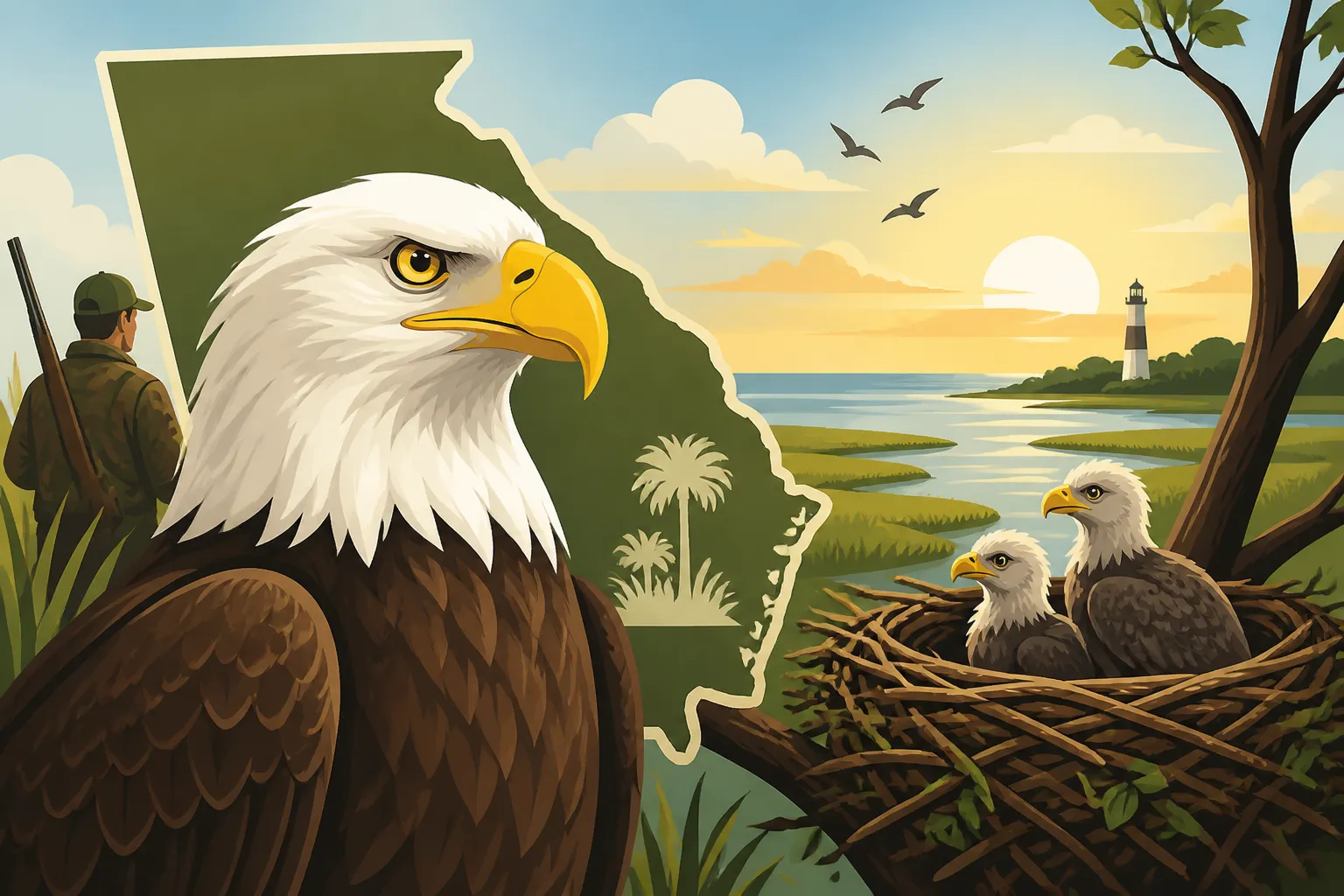
While bald eagles have seen a resurgence across much of Georgia, the coastal plain has truly emerged as a superstar in this recovery story. There's something inherently wild and rich about Georgia's coast, a unique blend of land and water that provides everything a bald eagle could ever need to thrive.
Ideal Coastal Habitat for Bald Eagles
The Georgia coast is a mosaic of habitats perfectly suited for our national bird. Think about the sprawling salt marshes, the winding estuaries, and the countless tidal creeks that dissect the landscape. These areas are absolutely teeming with life, providing an endless buffet of fish – primarily their favorite, but also crabs, small mammals, and carrion. Eagles are opportunistic feeders, and the coastal waters offer consistent and easily accessible food sources.
Beyond food, eagles need safe, undisturbed places to build their massive nests. Our coastal forests, especially those lining the major rivers and barrier islands, boast towering pine trees and robust hardwoods that offer sturdy platforms and critical shelter from the elements. These nests, often reused year after year, can be enormous, weighing hundreds of pounds and providing a safe nursery for their young. The relative remoteness of many coastal areas, combined with the efforts of private landowners and public land managers, has helped minimize human disturbance around these sensitive nesting sites. It's truly a testament to the wild character of our coastal low country.
Specific Coastal Areas Seeing Strong Recovery
When you look at a map of Georgia's coast, you can practically trace the flight paths of recovering bald eagle populations. Major river systems like the Altamaha, Ogeechee, and Savannah River Corridor Public Ground provide inland reaches that stretch towards the coast, offering continuous corridors of suitable habitat. These rivers are not only rich in fish but also offer vast stretches of unfragmented forestland.
The numerous barrier islands, from Cumberland to Tybee, also play a vital role. While some are developed, many remain largely wild, offering secluded nesting sites and rich foraging grounds along their beaches and marsh edges. These islands often experience less ground-based human pressure, allowing eagles to raise their young with minimal interruption. Even some of our Georgia Wildlife Management Areas along the coast, managed with wildlife in mind, have become critical components of this recovery, offering protected nesting and foraging areas where disturbance is carefully controlled. It's why many an angler or boater in these areas now expects to see an eagle or two during their outing, a sight that still makes your heart skip a beat.
What the Recovery Means for Georgia's Outdoors
The sight of a bald eagle soaring majestically above a coastal marsh isn't just beautiful; it's a powerful indicator of a healthier ecosystem. For those of us who live and breathe Georgia's hunting and fishing traditions, the eagles' return holds profound meaning beyond simple aesthetics.
Impact on the Ecosystem and Wildlife Viewing
Bald eagles, as apex predators, sit at the top of the food chain. Their thriving presence suggests a robust and balanced ecosystem beneath them. If the eagles are doing well, it usually means the fish populations are healthy, the water quality is good, and their overall habitat remains intact. They act as natural clean-up crews too, scavenging carrion, which helps prevent the spread of disease.
For hunters and anglers, this can be a quiet reassurance. A healthy ecosystem supports all wildlife, including the deer, turkeys, and waterfowl we pursue. Observing eagles can also enhance the outdoor experience. Imagine sitting in a duck blind on the marsh, patiently waiting for the morning flight, and an eagle glides silently overhead. It's a humbling, awe-inspiring moment that connects you to the wildness of our state. Hunting Coastal Georgia Marsh Waterfowl can feel even more special with these magnificent birds as your backdrop. Even for those not actively hunting, the chance to spot an eagle has become a major draw for birdwatchers and nature photographers, boosting local ecotourism and fostering a broader appreciation for conservation.
Responsible Observation and Coexistence
With more eagles comes a greater responsibility for all of us to ensure their continued success. Hunters, anglers, and hikers play a critical role in being respectful neighbors to these magnificent birds. This means knowing how to spot potential nesting sites and giving them a wide berth, especially during nesting season. Disturbance, whether intentional or accidental, can cause adult eagles to abandon their nests, leaving eggs or chicks vulnerable.
If you're out exploring our coastal rivers or marshes, whether you're navigating by boat or scouting new ground on foot, always be aware of your surroundings. Keep an eye out for large stick nests high in trees. If you suspect an active nest, maintain a respectful distance – typically at least a few hundred yards – and avoid prolonged noise or activity. It's about being a good steward of the land and respecting all its inhabitants. Tools like a good mapping application can help you identify protected areas or understand land boundaries, ensuring you're always operating within appropriate zones and respecting private property, even if you are just observing wildlife. GoHunt, for example, often incorporates land ownership layers that can be invaluable in understanding where you can safely move and where you might need to be extra cautious to avoid disturbing sensitive wildlife areas. If you encounter an injured eagle or a potentially disturbed nest, reporting it to the Georgia Department of Natural Resources is the best course of action.
Looking Ahead: Sustaining Georgia's Eagle Population
The recovery of the bald eagle in Georgia is a shining example of successful conservation, but it's not a "mission accomplished" moment where we simply pack up and go home. Sustaining this vibrant population requires ongoing vigilance, adaptive management, and the continued support of everyone who cares about Georgia's natural heritage.
Ongoing Monitoring and Conservation
Conservation is a continuous process, and bald eagles still face challenges. Habitat fragmentation from development, the ongoing threat of environmental contaminants (even if DDT is gone, new ones can emerge), and accidental collisions with power lines or vehicles are ever-present concerns. That's why state wildlife agencies and conservation groups continue to monitor eagle populations diligently. They track nesting success, conduct aerial surveys, and band young eagles to gather crucial data on their movements and survival rates.
These efforts aren't just for science; they inform management decisions, helping to identify critical habitats that need protection and adapt conservation strategies as new challenges arise. Citizen science also plays a huge role; folks reporting eagle sightings or even just healthy habitat conditions contribute to the larger picture. Understanding the interconnectedness of our wild spaces, perhaps by using detailed mapping resources from platforms like GoHunt to visualize landscapes and potential habitat corridors, helps us appreciate the bigger picture of where eagles thrive and what needs protecting.
How Hunters and Anglers Contribute to Conservation
It's easy to think of "conservation" as something done by biologists in labs, but in Georgia, hunters and anglers are, and always have been, front-line conservationists. The funds generated through the sale of hunting and fishing licenses, as well as excise taxes on firearms, ammunition, and fishing tackle, directly contribute billions nationwide to wildlife management and habitat restoration. Here in Georgia, these funds are critical for protecting everything from game species like deer and turkey to non-game species like the bald eagle.
When you purchase a Georgia Hunting Licenses and What They Cost, you're not just buying access to the woods or waters; you're investing in the future of all wildlife, including ensuring there are healthy ecosystems for bald eagles to continue to nest and raise their young. Ethical hunting practices, respecting wildlife regulations, and advocating for healthy habitats are all ways our community contributes. We are stewards of the land, and seeing the bald eagle return to its rightful place in Georgia's skies is a powerful reminder of the positive impact we can have when we work together.
| Key Factors for Bald Eagle Recovery on the Georgia Coast | Importance | Examples |
|---|---|---|
| Abundant Food Sources | Essential for survival and breeding success. | Fish (mullet, menhaden), crabs, carrion in estuaries, rivers, tidal creeks. |
| Undisturbed Nesting Habitat | Critical for successful reproduction and raising young. | Tall, sturdy pine and hardwood trees along river corridors and on barrier islands. |
| Clean Waterways | Prevents bioaccumulation of harmful toxins. | Healthy estuaries and rivers free from major pollution, allowing robust fish populations. |
| Protected Lands | Minimizes human disturbance and preserves habitat. | Wildlife Management Areas, National Wildlife Refuges, and protected sections of barrier islands. |
| Public Awareness & Support | Encourages responsible behavior and funding for conservation. | Reporting sightings, respecting buffer zones around nests, purchasing hunting/fishing licenses. |
Disclaimer
This article is for general informational purposes only and does not constitute professional advice. Laws, prices and regulations vary by location and change over time. Consult a qualified professional for guidance on your specific situation.