How Many Georgia Deer Have Tested CWD-Positive
There's nothing quite like the excitement of deer season in Georgia, but lately, a shadow has fallen over our hunting community: Chronic Wasting Disease (CWD). It's a worry many of us share, wondering about the health of our deer herd and what it means for our cherished traditions. This guide aims to cut through the confusion and give you the real facts on how many Georgia deer have tested CWD-positive, shed light on the state's response, and equip you with the knowledge to continue hunting responsibly and safely.
The Unwelcome Arrival of CWD in Georgia
For years, we Georgians watched CWD spread across the country, always hoping it wouldn't reach our borders. It felt like a distant threat, something other states had to deal with. Then, the news broke, and that distance evaporated. The first confirmed case of CWD in Georgia was a sobering moment for hunters, landowners, and wildlife managers alike. It signaled a new era for deer hunting in the state, one that requires vigilance and adaptation.
Initial Detection and Confirmation
The first positive case of Chronic Wasting Disease in Georgia was detected in Early County. This wasn't just a casual finding; it was the result of extensive surveillance efforts by wildlife biologists. Our state wildlife agencies have been proactively monitoring the herd for years, understanding that it was a matter of when, not if, CWD would eventually show up. When that first sample came back positive from a harvested deer, it triggered a rapid and comprehensive response. This initial detection is crucial because it helps pinpoint the affected area and allows for immediate containment strategies to be put in place, aiming to slow or halt the spread.
Immediate Response and the Chronic Wasting Disease Management Area
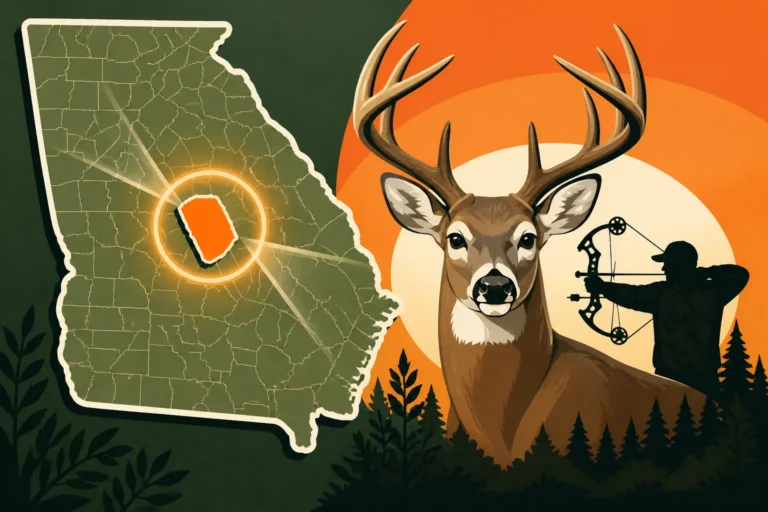
Once CWD was confirmed, the state immediately sprang into action. This wasn't a time for hesitation; quick, decisive measures were paramount to protect our deer herd. One of the most significant steps was the establishment of a Chronic Wasting Disease Management Area, or CMA. This zone isn't just an arbitrary boundary on a map; it's a defined geographic region where specific regulations and intense monitoring protocols are implemented. The goal is to concentrate surveillance, educate hunters, and enforce rules that prevent the disease from spreading further into healthy populations. Understanding Georgia's Chronic Wasting Disease Management Area is vital for anyone hunting near or within these counties.
The creation of the CMA meant a whole new set of rules for hunters within its boundaries. These regulations might feel restrictive at first glance, but they are critical tools in the fight against CWD. It's about collective responsibility, ensuring that every hunter plays a part in mitigating this threat. The state has invested heavily in communication, working to inform everyone from seasoned deer hunters to those new to the sport about the changes and why they're so important for the long-term health of Georgia's wildlife.
The Current Count: CWD-Positive Deer in Georgia
Let's get straight to the heart of the matter: how many deer in Georgia have actually tested positive for CWD? When CWD was first discovered in Georgia, it was a single, isolated case in Early County. This initial finding sent ripples through the hunting community, but it's important to understand the ongoing situation rather than focusing solely on that first moment. While wildlife agencies continue their intensive surveillance, subsequent testing has shown the disease to be localized.
Understanding the Official Numbers
As of the current understanding, Georgia has identified a very limited number of CWD-positive deer. The state's primary focus has been on the initial detection and containment within the established CWD Management Area. The actual number of confirmed cases is low, which is a testament to both the proactive surveillance efforts and the swift response by wildlife officials. This isn't to say the threat is gone, but it does highlight that the disease is not widespread across the state. However, vigilance remains key, and continuous testing is essential to confirm the extent and any potential spread. For the absolute latest, verified figures, hunters should always consult the official Georgia Department of Natural Resources (DNR) wildlife resources division website. These numbers are dynamic, updated as new testing results become available, reflecting the real-time status of the disease within the state.
The Significance of Each Case
Even a single CWD-positive deer is a significant event. It's not just about a numerical count; it's about the implications for the entire deer herd and the hunting culture we cherish. Each positive case confirms that the disease is present, reinforcing the need for stringent measures within the CMA. It also triggers further focused testing in the immediate vicinity to determine if there are other infected animals and if the disease has established a foothold. This localized approach allows biologists to better understand How CWD Reached South Georgia and prevent further transmission.
The gravity of even a few cases underscores why regulations like mandatory testing and carcass movement restrictions are so critical. These measures are designed to prevent an isolated incident from becoming an outbreak. Hunters play an indispensable role in this surveillance, as many of the samples collected for testing come directly from hunter-harvested deer. Without hunter cooperation, understanding the true prevalence and distribution of CWD would be much harder, making effective management nearly impossible.
Navigating Hunting in the CWD Management Area
If you find yourself hunting in one of the counties designated as part of Georgia's CWD Management Area, you're going to encounter a few extra steps and rules. These aren't meant to make hunting more difficult, but rather to ensure the long-term health of our deer herd and protect our hunting heritage. It's about being a responsible steward of the land and its wildlife.
Mandatory Testing and Sample Submission
One of the most important regulations within the CMA is the mandatory testing of deer harvested by hunters. This means that if you take a deer within those specific counties, you're required to submit samples for CWD testing. This data is invaluable to wildlife biologists, helping them map the disease's presence and track its potential spread. Think of it as your contribution to a statewide health check for our deer.
The process for submitting samples is usually straightforward. You'll typically find designated drop-off locations or check stations within or near the CMA. The state provides clear instructions on how to collect the necessary tissue samples – usually lymph nodes or brainstem tissue – or where to take your harvested deer for collection by trained personnel. Using tools like the state's official Go Outdoors Georgia app or mapping platforms such as GoHunt can often help you locate these Finding a Georgia CWD Sampling Location quickly and easily. It's a small but mighty step that helps us understand the disease better and protect future generations of deer. Remember that Georgia CWD Testing for Hunters is a critical component of the state's management strategy.
Carcass Movement Restrictions
Another crucial aspect of hunting in a CWD Management Area involves restrictions on moving deer carcasses. The reason for this is simple: CWD prions (the infectious proteins that cause the disease) can persist in the environment, particularly in certain tissues like the brain, spinal cord, and bones. Moving an entire carcass from an infected area to a clean area risks introducing these prions to new soil and new deer populations.
Therefore, strict rules are in place regarding which parts of a deer can leave the CMA. Typically, hunters are allowed to transport boned-out meat, cleaned antlers, hides, and taxidermy-ready skulls (with all brain and spinal cord tissue removed). Whole carcasses, or parts containing high-risk tissues, generally cannot cross the CMA boundary. This might require some on-site processing, but it's a vital measure to prevent the disease from spreading. For detailed information on Moving a Deer Carcass Out of the CMA, always consult the official regulations before heading into the field. If you're planning to take your deer to a processor, make sure they are aware of and comply with these rules.
Hunter's Role in CWD Surveillance
The success of Georgia's CWD management efforts hinges heavily on the cooperation and active participation of its hunting community. We are the eyes and ears in the field, often the first to observe changes in wildlife behavior or health. Your role isn't just about adhering to regulations; it's about being an engaged partner in conservation.
This means being aware of the symptoms of CWD, though it's important to remember that many deer carrying the disease show no outward signs, especially in early stages. Symptoms can include drastic weight loss (emaciation), stumbling, listlessness, excessive salivation, and abnormal behavior. If you ever observe a deer exhibiting these signs, especially within or near the CMA, it's crucial to report it to the Georgia DNR Wildlife Resources Division immediately. Do not attempt to harvest or handle a visibly sick animal yourself. Every piece of information, every submitted sample, helps build a clearer picture of CWD in our state and helps protect the future of White-Tailed Deer Across Georgia. Resources like GoHunt can also be helpful for quick access to regulations and reporting contacts while you're afield.
Here's a quick reference for actions to take if you hunt in Georgia's CWD Management Area:
| Action | Description | Why it's Important |
|---|---|---|
| Check County Status | Confirm if your hunting county falls within the designated CWD Management Area before you hunt. Use official state resources or a reliable app. | Regulations differ significantly inside vs. outside the CMA. |
| Mandatory Testing | If hunting in the CMA, plan to submit samples from your harvested deer for CWD testing. Know the nearest drop-off locations. | Essential for surveillance and understanding disease prevalence. |
| Carcass Movement Rules | Understand what deer parts can and cannot leave the CMA. Be prepared to bone out meat or process your deer on-site if necessary. | Prevents the spread of CWD prions to uninfected areas. |
| Report Sick Deer | If you observe a deer showing symptoms of CWD (e.g., emaciation, stumbling), report it to the Georgia DNR immediately. Do not handle or harvest it. | Helps wildlife officials investigate potential new cases and monitor the disease. |
| Stay Informed | Regularly check Georgia DNR updates on CWD. Regulations can change as new information becomes available. | Ensures you are always compliant with the latest rules and best practices. |
| Clean Equipment Thoroughly | After hunting in the CMA, thoroughly clean boots, gear, and vehicles that may have come into contact with soil or animal fluids. | Minimizes the risk of inadvertently transporting CWD prions. |
This whole situation with CWD is a challenging one, but it's not insurmountable. By staying informed, following the regulations, and actively participating in the surveillance efforts, Georgia hunters can continue to enjoy our deer season while doing our part to protect the incredible wildlife resources we're so fortunate to have. Your commitment makes all the difference in the world.
Disclaimer
This article is for general informational purposes only and does not constitute professional advice. Laws, prices and regulations vary by location and change over time. Consult a qualified professional for guidance on your specific situation.