Filling Ten Antlerless Tags in a Season
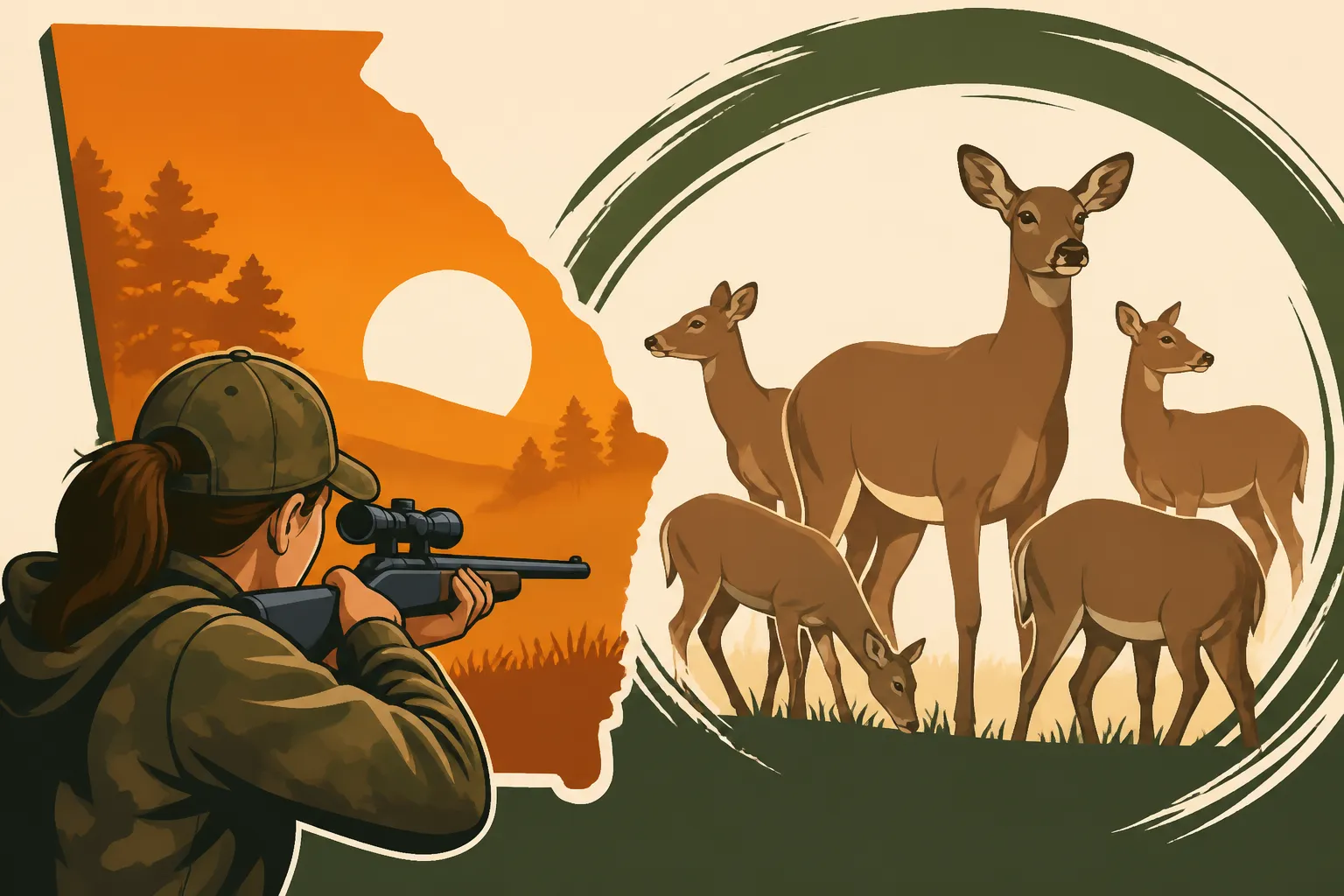
The frustration of having multiple antlerless tags in your pocket at the end of a Georgia deer season is all too real for many hunters. You want to contribute to herd management, fill your freezer, and make the most of those opportunities, but sometimes it feels like the does are just a step ahead. This guide is all about giving you the practical strategies and insights you need to confidently and successfully fill those ten antlerless tags in Georgia, making every hunt count.
Understanding Georgia's Antlerless Deer Regulations and Bag Limits
It’s easy to get overwhelmed by Georgia’s deer regulations, especially when you’re trying to maximize your antlerless harvest. The state offers a generous bag limit for a reason: to manage a healthy deer population and provide ample opportunity for hunters to fill their freezers. Understanding these rules is the foundational step to a successful antlerless season.
Decoding the Twelve-Deer Season Limit
Georgia's overarching deer bag limit allows hunters to harvest up to twelve deer per season. Within that generous allowance, there's a specific breakdown: a maximum of two antlered bucks and then up to ten antlerless deer. This structure is a powerful tool for wildlife management, helping to balance the herd's sex ratio and prevent overpopulation, which can lead to habitat degradation and disease spread. It’s a dynamic system designed to keep our deer populations thriving and healthy across diverse landscapes, from the mountains to the coastal plain.
For us hunters, this means we have a significant opportunity to put venison in the freezer and actively participate in responsible herd management. It’s not just about taking a deer; it's about making a meaningful impact on the local population's health and vitality by focusing on the does that are the reproductive engine of the herd. Understanding that distinction is the first step in successful antlerless hunting. It empowers you to be a more effective conservationist.
You might wonder, "Why ten antlerless deer?" Well, the Georgia Department of Natural Resources (DNR) has carefully studied the state's deer populations, recognizing that a healthy doe harvest is critical for maintaining balance, especially in areas with high deer densities. In some areas, an overabundance of does can lead to intense browsing pressure on vegetation, negatively impacting the habitat for all wildlife. This progressive approach ensures that hunters have the flexibility to harvest what they need while supporting crucial conservation efforts outlined in the Georgia's Twelve-Deer Bag Limit.
Navigating Reporting Requirements for Antlerless Harvests
Even with all those antlerless tags, the golden rule of Georgia hunting still applies: every deer harvested, antlered or antlerless, must be reported to Georgia Game Check within 72 hours. This isn't just a bureaucratic hoop to jump through; it's vital for the DNR to gather accurate data on harvest numbers, which directly informs future season structures and bag limits. Imagine the chaos if thousands of hunters weren't reporting their harvests – the state would be flying blind when it comes to managing one of our most important game animals. This data helps biologists pinpoint areas with high harvest rates, identify population trends, and make informed decisions that benefit both the deer and the hunters.
You can report your harvest online via the Georgia DNR website or through the Go Outdoors Georgia app, which many find incredibly convenient right there in the field. Make sure you have your license number handy and details about the county of harvest, date, and whether it was antlered or antlerless. This process is streamlined to make it as easy as possible for hunters to comply, ensuring that the valuable information makes its way to the DNR database. Missing this crucial step can lead to penalties, so always make it a priority.
The act of reporting also reinforces your role in wildlife management. It connects your individual harvest to a larger scientific effort. When you take the time to accurately report your deer, you’re not just following the law; you’re contributing to the collective knowledge that keeps Georgia’s deer herd robust and healthy for generations to come. For more detailed information, check out the guidelines on Reporting a Deer Through Georgia Game Check.
Strategic Scouting for Antlerless Deer
Finding those does isn't always about stumbling upon them; it's often about meticulous planning and understanding their habits. Antlerless deer, particularly mature does, are the matriarchs of the herd. They lead the fawns and younger deer, and their behavior often dictates where the smaller groups will be, making them the prime targets for filling those tags.
Identifying Key Doe Habitat and Movement Patterns
To consistently fill your antlerless tags, you've got to think like a doe. Does, especially those with fawns, prioritize security and readily available food and water. This means focusing your scouting efforts on areas that offer thick cover adjacent to prime feeding grounds. Think about dense pine thickets, overgrown clear-cuts, or swamps that provide refuge from predators and human disturbance. These areas provide the sense of safety that does require, particularly when raising young.
They'll use these areas to bed down during the day, emerging cautiously into food plots, agricultural fields, or acorn flats during the dawn and dusk hours. Understanding these daily movements is paramount. During the early archery season, you might find them hitting lush green fields or newly dropped acorns, which are high in protein and fat. As the season progresses into colder months, they’ll shift to more persistent food sources like leftover agricultural crops, browse, or hard mast in mature hardwoods.
Pay attention to transition zones – where two different types of habitat meet, like a pine plantation bordering a hardwood bottom or a swamp edge meeting an upland field. These are natural travel corridors and often excellent places to intercept deer moving between bedding and feeding areas. A subtle change in elevation or vegetation type can create a funnel that deer consistently use.
Using tools like GoHunt or similar mapping applications can be a game-changer here, allowing you to identify potential bedding and feeding areas and plot out likely travel routes right from your couch. This foresight can save you countless hours in the woods, directing your efforts to high-probability spots. A good mapping app, such as GoHunt, can further enhance your scouting efforts, allowing you to mark observations and plan routes for future hunts, even when Scouting Georgia Public Land Before Season.
Leveraging Trail Cameras and Digital Scouting Tools
Trail cameras aren't just for chasing big bucks; they are indispensable for patterning antlerless deer. Setting up cameras on field edges, pinch points between cover and food, or along well-used trails can quickly tell you when and where does are moving. Look for consistent daytime patterns, especially if you're hunting private land or less pressured public land. A string of photos showing a group of does entering a clover plot at 7:00 AM consistently provides actionable intelligence, confirming their preferred travel times and locations.
Combine this with digital scouting tools. Platforms like GoHunt offer detailed aerial imagery, topographic maps, and even public/private land boundaries, which can be invaluable for identifying potential hotspots without ever stepping foot in the woods. You can pinpoint those hidden clear-cuts, analyze terrain features like subtle ridge lines or creek bottoms that might funnel deer, and even mark potential stand locations. This digital reconnaissance allows you to scout vast areas efficiently before committing boots on the ground.
For example, when Reading aerial photos for Piedmont deer, look for fingers of woods extending into open fields or narrow strips of cover connecting larger blocks of timber. These are classic doe travel routes, providing cover as they move. You can use these maps to identify bedding areas by looking for dense, dark-green cover, and then search for connecting trails leading to lighter-colored agricultural fields or hardwood stands, which often indicate feeding areas.
Don't forget to consider wind direction and access points when planning your camera placements and hunting strategies. Does are incredibly sensitive to human scent and disturbance, so approaching your camera sites and stand locations undetected is crucial. By meticulously planning with digital tools, you minimize your impact and maximize your chances of encountering undisturbed deer.
Effective Hunting Tactics for Antlerless Deer
Once you've done your homework scouting, it's time to put those plans into action. Harvesting ten antlerless deer isn't about one lucky shot; it’s about consistent effort and adapting your methods to the conditions, remaining flexible and persistent throughout the season.
Still-Hunting and Stand Hunting Strategies
For many Georgia hunters, a combination of still-hunting and stand hunting forms the backbone of their antlerless strategy. Still-hunting, moving slowly and deliberately through the woods, can be incredibly effective, especially in dense cover where deer feel secure. You're not trying to push deer, but rather to spot them before they spot you, often catching them feeding or moving between bedding and feeding areas. This requires patience, keen eyes, and a deep understanding of the wind.
Focus on areas like pine flats or dense swamp edges where deer might be browsing or moving unhurriedly. When Still-Hunting South Georgia Pine Flats, pay close attention to changes in elevation, old logging roads, or any natural breaks in the pines where deer might feel comfortable traveling. Look for subtle movements, a flick of an ear, or a patch of hide that doesn't quite blend in with the surroundings. Move with the wind in your face or across your body, taking only a few steps at a time, then pausing to observe.
Stand hunting, whether from a treestand or a ground blind, offers a different advantage: elevated vantage points and the ability to remain concealed for extended periods. This is particularly effective near food sources, pinch points, or bedding areas. If you're Setting Up on a Piedmont Field Edge, place your stand downwind of common entry points into the field, preferably in a tree that offers good cover and a clear view of where deer are likely to emerge.
Focus on morning hunts when deer are often leaving fields to bed down, or evening hunts as they emerge to feed. Remember, does are often more cautious than bucks, especially if they have fawns, so minimizing your scent and movement is paramount. Having multiple stand locations ready allows you to adapt to changing wind conditions or deer patterns, ensuring you always have a prime spot to capitalize on deer movement.
Utilizing Small Deer Drives and Late-Season Opportunities
When deer activity slows down, or you’re trying to move deer out of particularly thick cover, small, organized deer drives can be a highly effective way to fill those antlerless tags. These aren't the chaotic, large-scale drives you might see on TV; rather, they involve a small group of hunters (three or four usually works best) carefully pushing a manageable block of woods toward designated standers. The key is to keep the drive slow and controlled, allowing deer to move naturally rather than busting out.
The "pushers" walk quietly, often stopping and waiting, while the "standers" are positioned in known escape routes or funnels. If you're orchestrating Deer Drives With Three or Four Hunters, communication is vital, as is understanding the terrain. Focus on pushing small, isolated coverts or dense pockets adjacent to larger, more open areas where standers can get clean shots. This tactic works particularly well in the latter parts of the season when deer are more concentrated in thick sanctuaries.
Additionally, don't underestimate the power of the late season for antlerless harvest. As the hunting pressure mounts throughout the year and natural food sources dwindle, deer become more concentrated around reliable food. The January rut lull can be a fantastic time to focus on does, as they are often more visible, hitting green fields, agricultural waste, or persistent hard mast sources. Often, by this point, many hunters have hung up their gear, leading to less pressure and more relaxed deer.
Understanding Late-Season Food Sources for Georgia Whitetails is crucial for pinpointing these opportunities. A cold front rolling through Georgia in January can make deer incredibly active, moving more during daylight hours to feed, offering excellent opportunities to catch groups of does during legal shooting hours. This can be some of the most productive hunting of the entire season for filling those remaining tags.
Maximizing Opportunity and Ethical Harvest
Successfully filling ten antlerless tags requires more than just knowing where to find deer and how to hunt them. It demands a holistic approach, encompassing ethical considerations, smart gear choices, and a commitment to responsible hunting practices that benefit the entire ecosystem.
Prioritizing Ethical Shot Placement and Game Recovery
With a high bag limit, it's easy to get target fixation, but ethical shot placement should always be your top priority. An antlerless deer is still a wild animal deserving of respect, and a quick, clean kill is paramount. Aim for the vital zone – the lungs and heart – to ensure a swift and humane harvest. This means being patient, waiting for the deer to offer a broadside or slightly quartering-away shot, and taking only shots within your effective range. If you're unsure, don't take the shot.
It's better to let a deer walk than to make a poor shot that results in a wounded animal and a difficult or impossible recovery. This ethical consideration is fundamental to hunting and reflects positively on our community. Take the extra seconds to steady your aim, control your breathing, and confirm your target before squeezing the trigger or releasing an arrow.
After the shot, give the deer time. Even a well-hit deer can run a significant distance. If you don't see the deer go down, wait at least 30 minutes, or even longer for a marginal hit, before beginning to track. This allows the deer to lie down and stiffen, increasing your chances of a successful recovery. Navigating dense Georgia cover, especially after dark, can be challenging, so having a good headlamp, marking the last-seen location, and noting the direction of travel are critical for Blood Trailing After Dark in Georgia.
Remember, every ethical harvest contributes to the positive perception of hunting and our conservation efforts. Practicing good woodsmanship and marksmanship for every animal, regardless of antler size, builds character and strengthens the foundation of responsible hunting.
Gear Considerations for Consistent Antlerless Harvest
While you might think of specialized gear for trophy bucks, your equipment for antlerless hunting is just as important for efficiency and ethical harvest. Reliability is key. For rifle hunters, a caliber like a .243, .270, or .308 is perfectly sufficient and often preferred for managing recoil and ensuring accurate shots, especially when you might be taking multiple deer over the season. Ensure your rifle is zeroed correctly and you're comfortable with its performance at various ranges.
If you're an archer, a well-tuned bow and sharp broadheads are non-negotiable. Whether you prefer fixed or mechanical broadheads, ensure they are razor-sharp and flying true. Crossbow Versus Vertical Bow in Georgia is a common debate, but both are effective tools when used proficiently. Choose the method you are most proficient and comfortable with to ensure clean, ethical kills. Accuracy trumps power when it comes to any hunting implement.
Don't forget the essentials: a good pair of binoculars for spotting deer in cover, a rangefinder to confirm distances, and sturdy, comfortable hunting boots that can handle Georgia's diverse terrain, from muddy swamps to rocky mountain slopes. For carrying out multiple deer, a game cart can be a lifesaver, especially if you’re Dragging a deer out of a swamp or long distances on public land. And always, always, carry a reliable first-aid kit, especially when hunting remote areas or on your own. Whether you're targeting public land or private, understanding the lay of the land with tools like GoHunt can significantly increase your odds.
Table: Georgia Antlerless Deer Hunting Strategies by Season
| Season Segment | Primary Food Sources | Ideal Habitat Types | Recommended Tactics | Key Considerations |
|---|---|---|---|---|
| Early Archery (Sept.) | Green browse, acorns, agricultural crops | Field edges, dense timber, food plots | Stand hunting, still-hunting | Scent control, bug pressure, warm weather |
| Mid-Season (Oct.-Nov.) | Acorns, various mast, green fields | Hardwood bottoms, transition zones, pine cover | Stand hunting, small drives, still-hunting | Rut activity (bucks may be present), increasing pressure |
| Late Season (Dec.-Jan.) | Agricultural waste, cool-season food plots | Open fields, cut-overs, thick bedding areas | Stand hunting, still-hunting, small drives | Cold fronts, deer concentrated on food, less pressure |
Disclaimer
Hunting is an inherently dangerous activity. This guide is for informational purposes only and does not substitute for professional instruction or adherence to all local, state, and federal hunting laws and regulations. Always prioritize safety, respect wildlife, and obtain all necessary licenses and permits before heading afield.