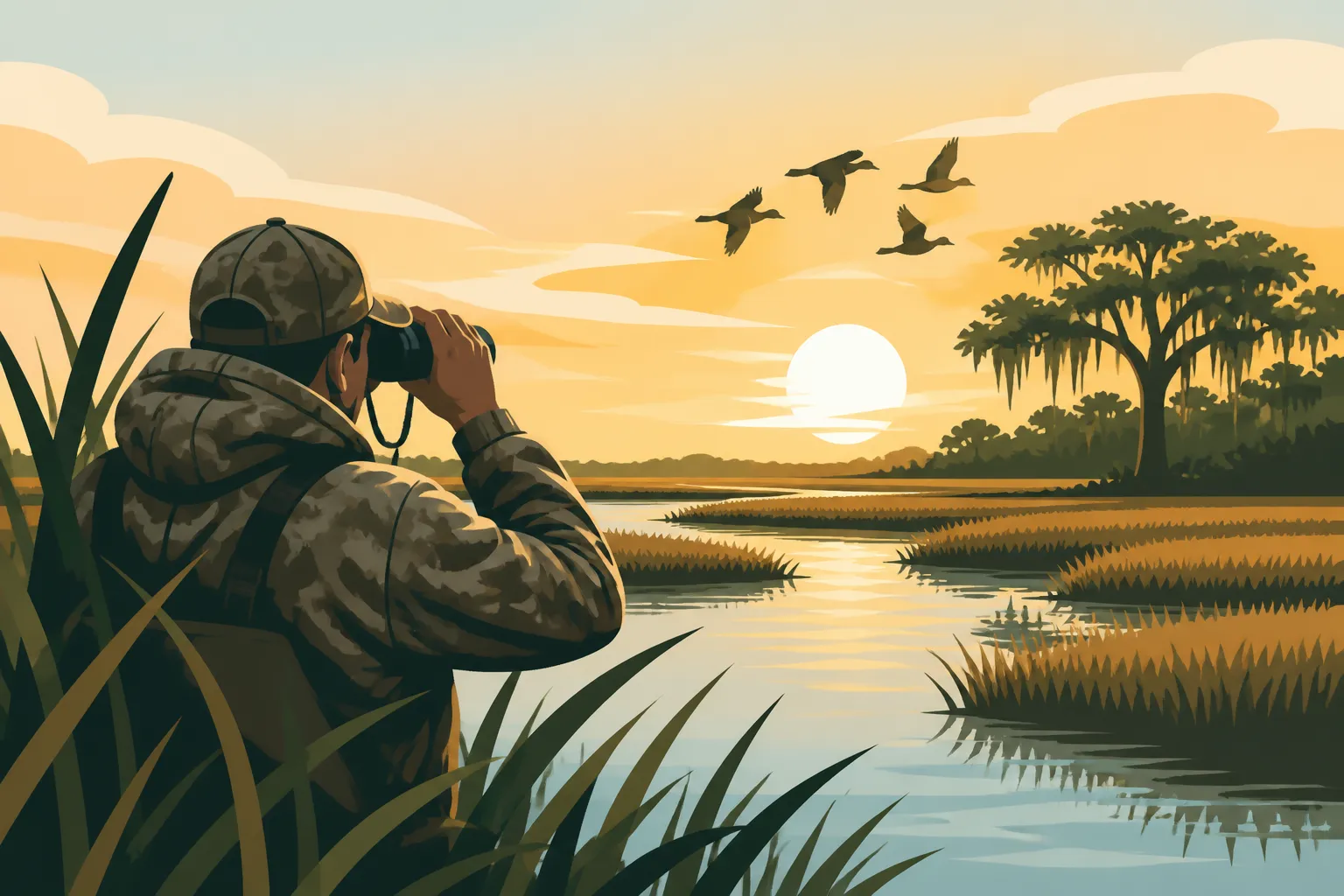
Reading a Tidal Marsh for a Morning Flight
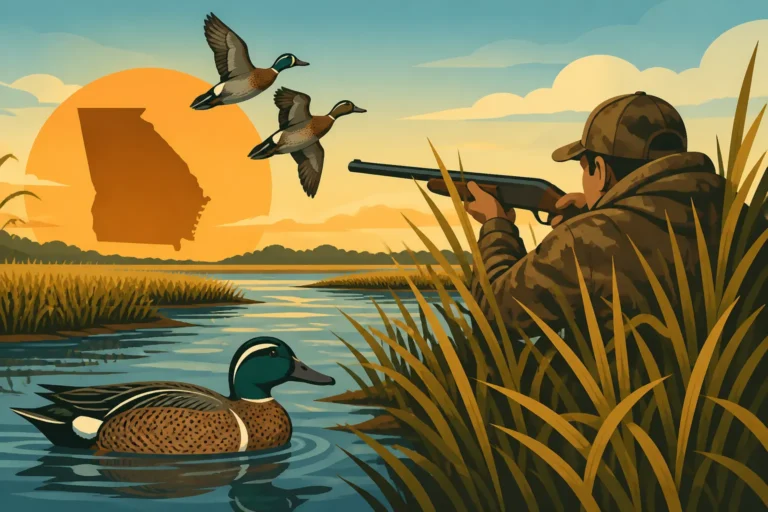
There's nothing quite like the allure of a coastal Georgia marsh at dawn, the air crisp with salt, the promise of ducks on the wing. Yet, many waterfowl hunters find themselves frustrated, watching birds skirt their decoys or fly just out of range, simply because they haven't truly learned to "read" the intricate language of the tidal marsh. Understanding the subtle cues—the ebbs and flows, the feeding patterns, the hidden sanctuaries—is absolutely critical to turning those early morning hopes into successful hunts. This guide will walk you through the essential strategies for deciphering Georgia's dynamic tidal marsh environments, helping you anticipate waterfowl movements and set up for a productive morning flight.
Understanding Georgia's Tidal Marsh Dynamics
Georgia's coastal marshes are incredibly complex ecosystems, and unlike inland impoundments or river bottoms, they're constantly changing. The power of the ocean's tides dictates everything, from where ducks feed to when they rest and how they travel. Ignoring these fundamental forces is like trying to hunt a deer without understanding the wind—it's just not going to work out in your favor.
Tides, Currents, and Their Impact on Waterfowl Movement
The rhythm of the tides is the heartbeat of the marsh. High tide pushes water deep into the Spartina grass, flooding areas that were dry just hours before. This opens up new feeding grounds, allowing ducks to dabble for seeds, invertebrates, and small fish in places they couldn't reach at low tide. Species like mottled ducks, pintails, and various teal will often follow the incoming tide, working their way into these flooded sections, sometimes well out of sight from main channels. They might be looking for flooded vegetation, small crustaceans, or other food sources exposed or made accessible by the rising water.
Conversely, as the tide recedes, it exposes vast mud flats and oyster rakes. This is prime real estate for a different set of waterfowl and shorebirds, but also for ducks that feed on exposed invertebrates or seeds left behind. The outgoing current can concentrate food sources in certain areas, funneling small organisms and plant matter into depressions or along channel edges. Hunters often overlook the critical role of these currents. A strong outgoing tide can create predictable travel lanes as birds are pushed or prefer to fly along the current, and conversely, an incoming tide might draw them further into the flooded grass. Understanding these movements is key to successful Hunting Coastal Georgia Marsh Waterfowl. For instance, wood ducks, while often associated with freshwater swamps, will utilize tidal creeks further inland, following the ebb and flow to access flooded timber or vegetation, especially during higher tides.
Key Marsh Features That Attract Birds
Beyond the broad influence of the tides, specific features within the marsh act as magnets for waterfowl. Tidal guts, those winding channels that snake through the grass, serve as natural highways. Ducks use them for travel, feeding, and often as loafing areas, especially at lower tides when the mud banks provide a safe place to preen and rest. Knowing where these guts are, how deep they are, and where they connect to larger bodies of water is fundamental. Mapping tools, especially those that show detailed topography and water features, can be invaluable for identifying these crucial arteries.
The edges of the Spartina grass are another hotspot. As the tide floods, ducks will work these edges, picking seeds and insects off the submerged vegetation. At low tide, these edges become exposed, creating transition zones where ducks might stage before moving to other areas, or where waders and other birds will feed. Mud flats, exposed at lower tides, are critical feeding grounds for dabblers like teal, widgeon, and gadwall, which sift through the soft bottom for invertebrates and plant material. Don't underestimate the humble oyster rake either; these sharp, barnacle-encrusted mounds often hold small pockets of water even at low tide, providing shelter from the wind and a place for ducks to rest or feed on the associated organisms. Successfully hunting these diverse areas requires careful observation and adapting your approach. You'll want to study the migration patterns and timing, as understanding Duck Migration Timing Through Georgia can greatly influence where and when you focus your efforts.
Scouting Strategies for a Productive Morning Flight
You wouldn't head into the deer woods without scouting, and the same principle applies, perhaps even more so, to tidal marsh waterfowl hunting. The dynamic nature of the marsh means that what was a hotspot last week might be barren this week due to slight changes in conditions, food sources, or pressure. Effective scouting is about anticipating, not just reacting.
Pre-Season Reconnaissance
Before the season even opens, or at least before your first hunt, invest time in thorough reconnaissance. This starts with maps. High-resolution satellite imagery on platforms like GoHunt is a game-changer for identifying potential hot spots. Look for those winding tidal guts, the vast mud flats, and areas where creeks merge or widen. Pay attention to patches of emergent vegetation that might provide cover or food. With GoHunt, you can layer tide charts over your maps, allowing you to visualize how water levels will interact with the terrain you're looking at. This helps you predict which areas will be flooded or exposed at different tidal stages, and which might hold ducks. For instance, a small, isolated pond that's only accessible on a high tide might be a secret sanctuary for birds escaping pressure in larger, more accessible areas.
Beyond digital tools, physical observation is paramount. If possible, take a boat ride or even hike the accessible edges of the marsh during daylight, observing from a distance. A good pair of binoculars or a spotting scope will let you watch how birds are using the marsh without disturbing them. What time of day are they feeding? Are they flying along certain channels? Where do they loaf during high or low tide? Are they actively feeding in specific areas? Pay attention to the tides during your scouting trips. Are birds concentrating in areas that are just starting to flood, or are they picking through exposed mud at dead low tide? These observations, coupled with your GoHunt mapping data, will give you an invaluable baseline for planning your hunt. Considering the specific species you're targeting, such as Hunting Coastal Marsh for Georgia Teal, can also help you narrow down your scouting focus to their preferred habitats.
Reading the Water and Shoreline for Fresh Sign
Once you're actually in the marsh, or even on the morning of the hunt, you need to be a detective, looking for fresh sign. Ducks leave calling cards, and learning to read them is a critical skill. Fresh tracks in the mud or soft sand indicate recent activity. Pay attention to the size and type of tracks to get an idea of the species present. While it's easy to get excited about any track, differentiate between old, washed-out tracks and crisp, fresh ones.
Droppings are another clear indicator. Fresh droppings around feeding areas, roosting spots, or along travel routes tell you that birds are actively using that space. Look for feeding sign, too. This could be churned-up mud on a flat where dabblers have been sifting, or clipped vegetation in flooded grass. If you see large numbers of ducks on the wing, observe their flight paths. Are they using a specific channel or flying over a particular point of grass to access a feeding area? These are your natural flyways. The time of day also matters; birds tend to be most active at dawn and dusk. By reading the water and shoreline meticulously, even on the morning of your hunt, you can make last-minute adjustments to your setup, ensuring you're in the best possible position for a successful "morning flight." Remember to always have your Georgia Federal Duck Stamp Requirement and your Georgia HIP Certification for Bird Hunters in order before hitting the marsh.
Setting Up for Success in the Tidal Marsh
After all that diligent scouting and marsh reading, the moment of truth arrives: setting up your spread and blind. This isn't like hunting a static field; the tidal marsh demands adaptability, quick thinking, and a deep respect for the dynamic environment you're in.
Timing Your Entry and Exit with the Tide
One of the most crucial elements of tidal marsh hunting is understanding how to time your entry and exit. Getting stuck in the mud or running aground on an outgoing tide can turn a great hunt into a miserable, even dangerous, experience. Likewise, trying to access a productive spot at low tide might mean a long, grueling push through thick mud, potentially spooking birds or exhausting yourself before the hunt even begins. Always consult a local tide chart and factor in the specific location you're hunting. Tides can vary by an hour or more depending on how far up a creek you are. For a morning flight, you typically want to arrive well before legal shooting light, allowing ample time to set up without rushing.
Many hunters find it advantageous to plan their hunt around the mid-tide cycles, either an incoming or outgoing tide, depending on the specific features they're targeting. For instance, if you're aiming for ducks working newly flooded grass, an incoming tide is ideal. If you're focusing on birds feeding on exposed mud flats, planning around low tide or a dropping tide is better. However, be mindful of the outgoing tide if you’re deep in the marsh; your boat access might quickly diminish. Using a shallow-draft boat or even Layout Blinds and Marsh Boats is often essential. Always leave yourself a generous buffer for your exit, especially if you're unfamiliar with the area. It's better to end the hunt a bit early than to spend hours trying to push a boat off a mud flat in the dark.
Decoy Spreads and Blind Placement for Tidal Environments
Decoy spreads in the tidal marsh need to be realistic and adaptable. Unlike a pond where decoys stay put, the current can quickly push your spread into a chaotic mess. Use heavier anchor weights or longer lines, especially if there's a strong current. A natural-looking spread in a tidal gut might involve stringing decoys along the current, creating the illusion of a feeding flock. Consider placing a few decoys on exposed mud flats at low tide, mimicking ducks resting or feeding there. For areas with flooded grass, a few floaters nestled into the vegetation can work wonders, especially if you've observed birds doing just that during your scouting. Variety in your spread, with a mix of species like pintails, widgeon, and teal, can also be beneficial, as it presents a more natural scene. For more specific tactics, check out articles on Decoy Spreads for Coastal Georgia Divers.
Blind placement in a tidal marsh is often about making the most of natural cover. The tall Spartina grass is your best friend. Instead of bringing in a bulky pop-up blind, which might stick out like a sore thumb, try to find a natural depression or a thick stand of grass to conceal yourself. A small portable stool or a low-profile chair is often all you need. If you're hunting from a boat, ensure it's well-camouflaged and positioned to blend into the surroundings. For instance, pushing your boat into the Spartina and using a camouflaged boat blind can be effective. Remember that the tide will change your vantage point and concealment, so constantly assess how exposed you are as the water level shifts. Having appropriate gear, like good Waders for Georgia Tidal Marsh Hunting, will make getting to and from your spot much easier.
Final Considerations for Tidal Marsh Hunters
Hunting Georgia's tidal marshes is an experience unlike any other, demanding a blend of knowledge, adaptability, and unwavering respect for the environment. Beyond the tides and tactics, a few more critical elements can make or break your hunt, ensuring both success and safety.
Weather and Wind
The weather, particularly wind, plays a massive role in how waterfowl behave in the marsh. A strong, steady wind can dictate flight paths, pushing birds along predictable corridors or causing them to seek shelter in protected guts and coves. Ducks will generally fly into the wind when landing, so positioning your decoys and blind to allow incoming birds a natural approach against the wind is crucial. A light breeze might create just enough ripple on the water to give your decoys natural movement, making them more appealing.
Conversely, dead calm conditions can make birds wary. With no wind, the water is like glass, and ducks can spot decoys and hunters from a greater distance. In such situations, ultra-realistic decoys and meticulous concealment become even more important. After a cold front, birds can be particularly active, moving to feed more aggressively. Paying attention to forecasts and understanding how wind direction and strength interact with the marsh's geography is another layer of reading the environment that seasoned hunters master. This knowledge applies whether you're targeting big ducks or trying to get a shot at Pass-Shooting Georgia Wood Ducks in a more sheltered slough.
Safety First
The tidal marsh is a beautiful but unforgiving environment. Safety should always be your number one priority. Changing tides, hidden oyster rakes, deep mud, and dense fog can all pose significant risks. Always inform someone of your hunting plans, including your specific location and estimated return time. Carry a fully charged cell phone, but don't rely solely on it; GPS devices like those integrated into GoHunt, or a dedicated handheld unit, are invaluable for navigation, especially in the featureless expanse of the marsh. Many hunters get disoriented when the tide changes and their landmarks disappear.
Appropriate gear is non-negotiable. Quality waders that fit well are a must, as are waterproof bags for all your electronics and essential supplies. A first-aid kit, a whistle, a signaling device, and plenty of water are also crucial. Be aware of local hazards, including venomous snakes that might seek refuge on higher ground during floods, and alligators, which are prevalent in Georgia's coastal waters. Hunting buddies are not just for company; they are a critical safety net. Never underestimate the power of the tides or the vastness of the marsh. Being prepared and cautious ensures that your morning flight is not only successful but also safe and enjoyable. The more you educate yourself, even on topics like Georgia Waterfowl Hunting on Coast and Swamp, the better prepared you'll be for any scenario.
Disclaimer
Hunting is an inherently dangerous activity. This guide provides general information and recommendations. Always consult the most current Georgia Department of Natural Resources (DNR) regulations and local laws before hunting. Practice firearm safety, understand your equipment, and prioritize personal safety at all times. The author and publisher are not responsible for any accidents, injuries, or legal infractions that may occur.