Deer Meat Yield From a Georgia Buck
So, you've successfully harvested a Georgia buck, and after the initial rush of excitement and the hard work of getting him out of the woods, your mind inevitably turns to the freezer. You're probably picturing those neatly wrapped packages of venison, but the big question always looms: "How much actual meat will I get from this deer?" It's a question every hunter asks, and the answer isn't always as simple or as high-yielding as we might hope. This guide will walk you through the realistic expectations of deer meat yield, from live weight to what ends up on your dinner table, helping you understand the factors at play and how to maximize every ounce of your hard-earned venison.
Understanding the Journey from Hoof to Freezer
When we talk about the "yield" from a deer, it's not a single, static number. It's a journey through several stages, each with its own significant weight reduction. Many hunters, especially those new to the sport or those accustomed to buying store-bought beef, can be surprised by how much weight is lost from the living animal to the boneless cuts in the freezer. It’s a reality check that often comes with experience, but knowing what to expect can help manage those expectations and appreciate the effort that goes into every pound of venison.
Factors Influencing Deer Meat Yield
The amount of usable meat you'll get from a Georgia buck isn't just about how big he looked standing in the field. Several critical factors come into play, influencing everything from the initial field-dressed weight to the final boneless yield. Understanding these can help you better estimate your take and, more importantly, make decisions in the field that optimize your venison quality.
Age and Health of the Deer
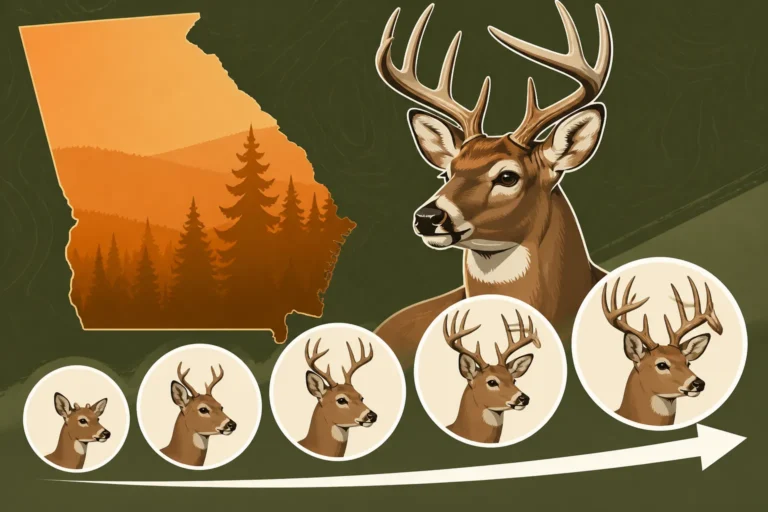
Just like with livestock, the age and overall health of a deer significantly impact its meat yield and quality. A young, healthy doe or a yearling buck might not have the sheer mass of an old mature buck, but their meat is often more tender. On the flip side, a big, mature Georgia buck, especially one that's been through a few rut cycles, will likely have more muscle, but that muscle can be tougher, and may contain more scar tissue from fights or injuries.
Think about a buck from a prime agricultural area, say in the Piedmont Farmland Deer region. These deer often have access to abundant, high-quality food sources like soybeans and peanuts, leading to larger body sizes and denser muscle mass. Contrast that with a buck from a heavily forested, low-nutrition area in the mountains, and you'll see a noticeable difference in overall weight and condition, which directly translates to meat yield. A deer struggling with poor nutrition or illness will have less fat, less muscle, and a lower overall yield. When considering the potential for a really heavy deer, many hunters look to areas known for their robust deer populations and nutrient-rich forage, such as those found in the southwest corner of the state, which is famous for Why Southwest Georgia Grows Big Bucks.
Field Dressing and Initial Handling
This is perhaps one of the most crucial stages for maximizing your meat yield and quality. How you handle the deer immediately after the shot can make or break the venison. A clean, quick field dress job removes the internal organs, which are a major source of bacteria and heat. The sooner you get those guts out, the faster the carcass can begin to cool down. In Georgia's often-warm climate, especially during the When Georgia's Archery Season Opens or even early firearms season, rapid cooling is paramount to prevent spoilage.
If you're out in the woods and can't get the deer to a cooler quickly, you might even consider methods like breaking the sternum and propping open the chest cavity to allow air to circulate. I always pack a good roll of paper towels and a few plastic bags to keep everything as clean as possible. Learning how to properly Field Dressing a Deer in Warm Weather is an invaluable skill that minimizes trim loss due to contamination and ensures better-tasting meat.
Shot Placement and Meat Damage
Where your bullet or arrow enters and exits the deer has a direct, sometimes heartbreaking, impact on how much meat you get. A clean, ethical shot through the lungs or heart is ideal, as it typically destroys minimal meat. However, sometimes a deer offers only a less-than-perfect angle, or unforeseen circumstances lead to a shot that hits bone or vital organs in a way that damages significant muscle tissue.
A shot through the shoulder, while often effective at anchoring a deer quickly, can destroy a considerable amount of the front quarter meat. Similarly, a gut shot, while requiring diligent Tracking a Deer Through Georgia Pine Straw and potentially more extensive clean-up, means you'll likely have to trim away any meat that came into contact with stomach contents. This isn't just about waste; it's about the quality and flavor of the remaining meat. Ethical shot placement isn't just for a quick kill; it's for the integrity of the venison you're putting on your table. It's a testament to good hunter education, which is why understanding Georgia Hunter Education Requirements is so important for all hunters.
Estimating Live Weight to Dressed Weight
Okay, let's talk numbers, or at least estimates. When you pull a deer out of the woods, its weight is often the first thing on your mind. But what kind of weight are we talking about? There are a few key stages of weight measurement that factor into your final meat yield.
Live Weight: The Field Guess
This is the estimated weight of the deer when it's still alive and walking around. Unless you have a giant scale in the middle of the woods, this is almost always a guess, often heavily influenced by "deer fever." It's the weight that gets exaggerated in hunting stories, but it's the starting point for all other calculations. Factors like genetics, nutrition, and even the time of year (a buck often loses significant weight during Hunting the Rut in Mid-October) can cause wide swings in live weight for deer of similar antler size.
Field-Dressed Weight: The First Real Measurement
This is the weight of the deer after the internal organs (heart, lungs, liver, intestines, stomach) have been removed. This is typically the first "official" weight you get if you weigh your deer before taking it to a processor or butchering it yourself. For most white-tailed deer, the field-dressed weight will be roughly 75-80% of the live weight. So, if you estimated your buck at 150 pounds live, you're probably looking at a field-dressed weight in the neighborhood of 110-120 pounds. This is an important number, as it’s often what folks use when reporting their harvest, which is required by Georgia Deer Harvest Reporting Rules.
Boneless Meat Weight: What Really Matters
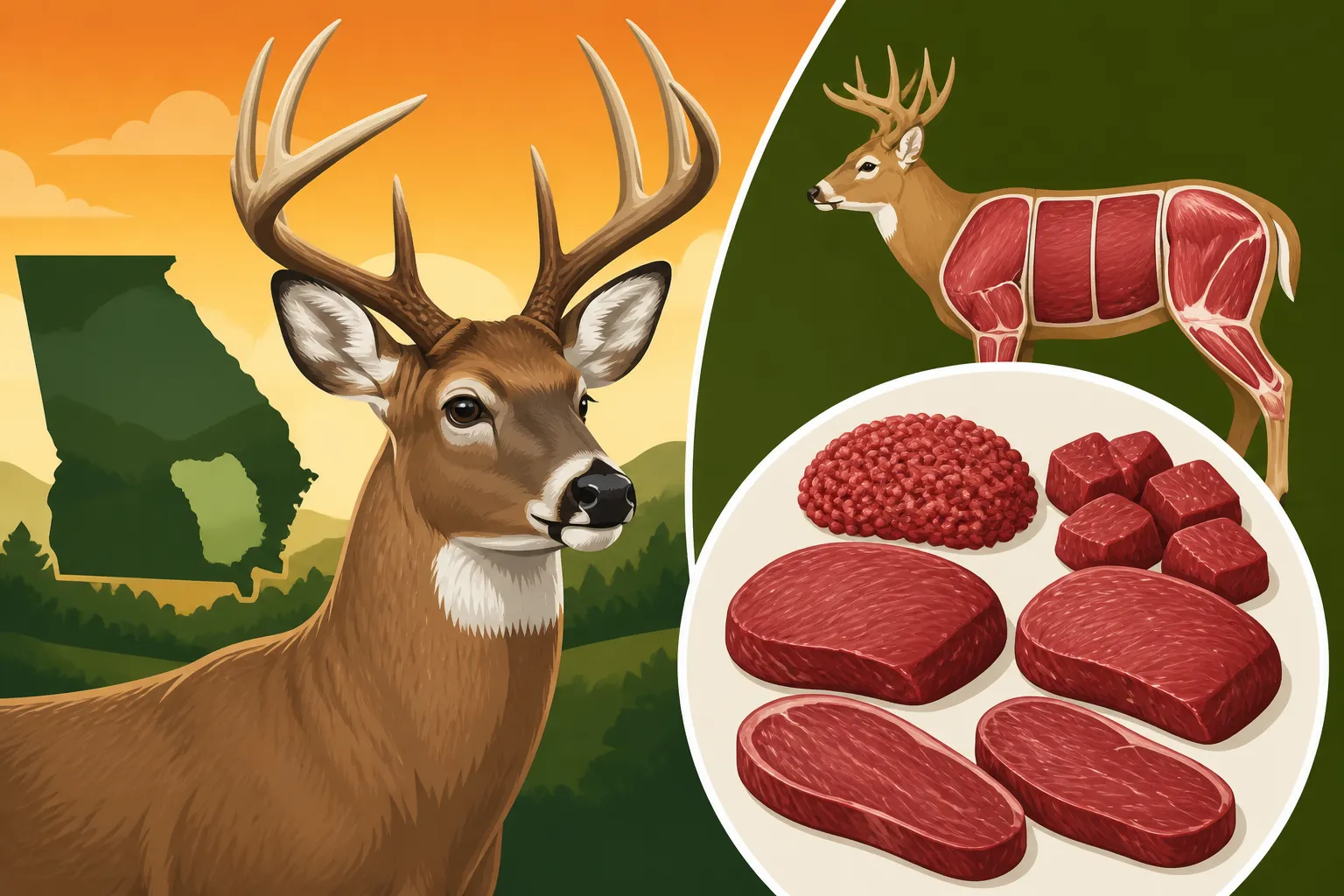
This is the ultimate number: the actual weight of the boneless, trimmed meat that goes into your freezer. This is where the biggest drop-off occurs, and it's where many hunters find their expectations don't quite align with reality. The boneless meat yield is typically about 50-60% of the live weight, or roughly 65-75% of the field-dressed weight.
Here’s a simplified breakdown to illustrate the difference:
| Weight Stage | Approximate Percentage of Live Weight | Example for a 150 lb Live Buck |
|---|---|---|
| Live Weight | 100% | 150 lbs |
| Field-Dressed | 75-80% | 113-120 lbs |
| Boneless Meat | 50-60% (of live weight) | 75-90 lbs |
| Boneless Meat | 65-75% (of dressed weight) | 73-90 lbs |
As you can see, a 150-pound live weight buck, which feels like a behemoth when you're dragging it, will likely yield closer to 75-90 pounds of actual meat. That's still a fantastic amount of organic, healthy protein, but it’s a far cry from a hypothetical 150 pounds. This yield will also depend on the hunter's ability to maximize every cut, a skill honed over time and with practice, or by relying on a skilled processor.
The Boneless Meat Equation: What Makes it to the Plate
The journey from a field-dressed carcass to neatly packaged venison involves more than just removing bones. It’s a process of careful trimming, butchering, and often, grinding. Every step involves some degree of loss, which is essential to understand for truly appreciating your harvest.
Fat, Sinew, and Connective Tissue Trim
Unlike domestic beef or pork, deer fat tends to have a waxy consistency and a strong, sometimes gamey, flavor that most people don't find palatable. For this reason, nearly all deer fat is trimmed away during the butchering process. This is a significant source of weight loss. Additionally, deer are lean, active animals, and their muscles are often laced with tough sinew and connective tissue that needs to be removed for optimal eating quality. This meticulous trimming adds up, reducing the overall weight of the usable meat. If you're Butchering a Deer at Camp, you'll quickly learn how much time and effort this trimming takes, and how much material ends up in the discard pile.
Bone-In vs. Boneless Cuts
The decision to keep certain cuts bone-in (like some roasts or chops) versus boning everything out also affects your final weight. Boneless yield calculations, by their nature, assume all bone is removed. While a bone-in roast might look impressive, the bone itself contributes significantly to the weight without adding to the edible portion. Most hunters opt for boneless cuts for convenience, easier storage, and to minimize freezer space.
Shot Damage and Contamination
As mentioned earlier, unfortunate shot placement can force you to discard significant portions of meat due to bullet fragmentation, bone fragments, or contamination. A deer with a heavily damaged hindquarter from a high-velocity rifle round, or a front shoulder riddled with shrapnel, will yield less prime meat. Similarly, if the gut cavity was compromised, any meat touched by stomach contents will need to be aggressively trimmed or discarded to ensure food safety and prevent off-flavors. It's a tough call to make in the moment, but preserving the quality of the rest of the venison is always the priority.
Processing Style: DIY vs. Professional Butcher
The skill of the person doing the butchering also plays a role. A professional deer processor often has specialized tools and techniques to maximize yield, getting into nooks and crannies that a home butcher might miss. They also have the experience to efficiently separate cuts, minimize waste, and handle large quantities. If you're doing it yourself, be prepared for a learning curve. While you save money, your initial yields might be slightly lower as you hone your skills. However, the satisfaction of processing your own game is immense, and you have complete control over how your meat is cut and packaged. Whether you're planning to grind all your meat for burger or aim for pristine backstraps and roasts, how you process makes a big difference.
Maximizing Your Harvest Yield and Quality
Every hunter wants to get the most out of their deer, not just in terms of quantity but also in quality. With a bit of planning and careful execution, you can significantly enhance both the yield and the eating experience of your Georgia venison.
Ethical Shot Placement
This can't be stressed enough. A well-placed shot minimizes suffering for the animal and preserves the most amount of usable meat. Aim for the vital organs—the heart and lungs—typically located just behind the shoulder. This usually results in a quick, clean kill with minimal meat destruction. Avoid head or neck shots unless you are an extremely proficient marksman and the deer is perfectly still, as these carry a higher risk of merely wounding the animal or destroying prime neck roast meat. For new hunters, I always recommend practicing extensively at the range to ensure you’re confident in your shot before heading afield. Understanding the legal limitations and ethical responsibilities are also key parts of being a responsible hunter, including knowing How Many Antlered Bucks You Can Take in a season.
Rapid Cooling and Cleanliness
Once the deer is down, the clock starts ticking, especially in Georgia’s often-mild temperatures. Get that deer field-dressed immediately. Once dressed, try to cool the carcass as quickly as possible. This means getting it into a cooler packed with ice, or hanging it in a cool, shaded area if temperatures permit. For those early season hunts, especially when temperatures might still be in the 70s or 80s, having a plan for Coolers for a Warm September Kill is absolutely essential. Don't let your hard work in the field be undone by improper meat care. Cleanliness during this process is also critical. Use clean knives, wipe down surfaces, and prevent hair or dirt from contaminating the meat. Some hunters even use a special game bag to protect the carcass during transport.
Butchering Techniques and Storage
Whether you opt to process your deer yourself or take it to a professional, understanding good butchering practices is key. If DIY, invest in sharp knives, a good cutting board, and maybe even a meat grinder. Learn to identify the different muscle groups and how to separate them efficiently. The more precise your cuts and the cleaner your trim, the better your final product. There are countless online tutorials and books dedicated to Butchering a Deer at Camp, which can be incredibly helpful resources.
Proper storage is also vital. Vacuum sealing is the gold standard for freezing venison, as it removes oxygen and prevents freezer burn, keeping your meat fresh for much longer. If you don't have a vacuum sealer, wrap your meat tightly in freezer paper, pressing out as much air as possible, and then place it in freezer bags. Clearly label each package with the type of cut and the date.
Utilizing All Parts of the Harvest
While the prime cuts (backstraps, tenderloins, roasts) are often the focus, a truly conscientious hunter will try to utilize as much of the animal as possible. The liver and heart are highly nutritious and can be delicious when prepared correctly. Many hunters also use the bones for making rich, flavorful broths or stocks, which can be a fantastic base for soups and stews. Even the hide can be tanned, though this is a more involved process. This holistic approach respects the animal and maximizes the value of your hunt. And if you're hunting in specific regions, say a Chronic Wasting Disease Management Area, there are specific guidelines for Handling Venison From a CWD Management Area to ensure safety.
Scouting and Deer Health
Your meat yield starts long before the shot. Understanding deer patterns and health in your hunting area can influence your success and the quality of your harvest. Using tools like the GoHunt app or other scouting resources can provide valuable insights into deer movement, available food sources, and general herd health. Identifying areas with robust Late-Season Food Sources for Georgia Whitetails can point you toward healthier, well-fed deer that will yield more meat. A healthy deer, even if not a Boone & Crockett contender, will always provide better-quality venison.
Conclusion
Hunting a Georgia buck is an experience filled with anticipation, challenge, and ultimately, reward. Understanding the realistic meat yield from your harvest, from the live animal to the freezer-ready packages, helps you appreciate the journey and make the most of every pound. By focusing on ethical shot placement, rapid and clean field dressing, careful butchering, and smart storage, you can ensure that the delicious venison from your Georgia buck provides nourishing meals for your family and friends long after the season ends. It's not just about the weight; it's about the quality and respect for the animal that provides it.
Disclaimer
This article is for general informational purposes only and does not constitute professional advice. Laws, prices and regulations vary by location and change over time. Consult a qualified professional for guidance on your specific situation.