Coolers for a Warm September Kill
There’s nothing quite like the rush of an early season archery hunt in Georgia. The woods are green, the air is thick with anticipation, and then BAM – you’ve got a deer down. That initial thrill can quickly turn into a frantic race against the clock when you realize the sun is beating down and the humidity is cranking. Protecting that hard-earned venison from spoilage in warm September weather is a real challenge, but with the right strategy and gear, it’s absolutely doable. This guide is all about helping you navigate that critical period, ensuring your warm September kill stays cool until it hits the butcher block.
The Relentless Battle Against Georgia's Early Season Heat
For Georgia hunters, the early archery season in September and even into October can feel like a game of high-stakes hot potato with your venison. The ambient temperatures are often still stubbornly in the 80s, sometimes even pushing 90, and the humidity can be brutal. This isn't just uncomfortable for you; it's a direct threat to the quality of your meat. Understanding why this heat is such an enemy is the first step to conquering it.
Why Warm Temperatures Are Your Venison's Worst Enemy
When an animal is harvested, its body temperature is still high, typically around 100-102 degrees Fahrenheit. In colder climates, this body heat dissipates relatively quickly. However, in Georgia's September heat, that natural cooling process is severely hindered. Instead, the meat acts like an insulated oven, holding onto that internal warmth. This creates an ideal breeding ground for bacteria, which thrive in warm, moist environments. These bacteria multiply exponentially, breaking down muscle tissue and leading to rapid spoilage.
Beyond bacterial growth, enzymes within the meat itself continue to work post-mortem. While some enzymatic activity is beneficial for tenderizing (the aging process), excessive heat accelerates this process to an undesirable degree, potentially causing the meat to sour or take on an off-flavor long before it's properly aged. Factors like direct sunlight, lack of airflow, and high humidity all contribute to this rapid degradation, turning a successful hunt into a potential loss if not managed aggressively. Every minute counts when you're dealing with a warm September kill, and delaying cooling can irrevocably compromise the quality of your venison.
The "Golden Hour" in Georgia: A Sprint, Not a Stroll
You often hear hunters talk about the "golden hour" for field dressing and starting the cooling process. In Georgia's early season, that "golden hour" feels more like a "golden 15-30 minutes." The notion that you have a full hour to leisurely get to your deer and begin processing is a dangerous myth in our climate. From the moment the deer is down, the clock is ticking rapidly.
The intense heat and humidity mean that flies and other insects can descend almost immediately, laying eggs that quickly hatch into maggots. More critically, the internal temperature of the animal needs to be brought down as fast as possible to inhibit bacterial growth. If you wait too long, even if the meat eventually gets cold, the damage might already be done. This is why thorough Field Dressing a Deer in Warm Weather is paramount and must be done as quickly as humanly possible, ideally in the shade if you can manage it. We're talking about gutting, opening up the chest cavity, and exposing as much surface area as possible to allow heat to escape. Don't underestimate how quickly a perfect hunting day can turn sour if you don't act with extreme urgency.
Selecting and Preparing Your Cooler for Battle
Choosing the right cooler and preparing it properly isn't just a suggestion; it's a non-negotiable step for warm weather hunting in Georgia. This isn't the time to grab that old foam cooler from the back of the garage. You need serious insulation and a thoughtful approach to ice management.
Hard-Sided Rotomolded Coolers: The True Game Changer
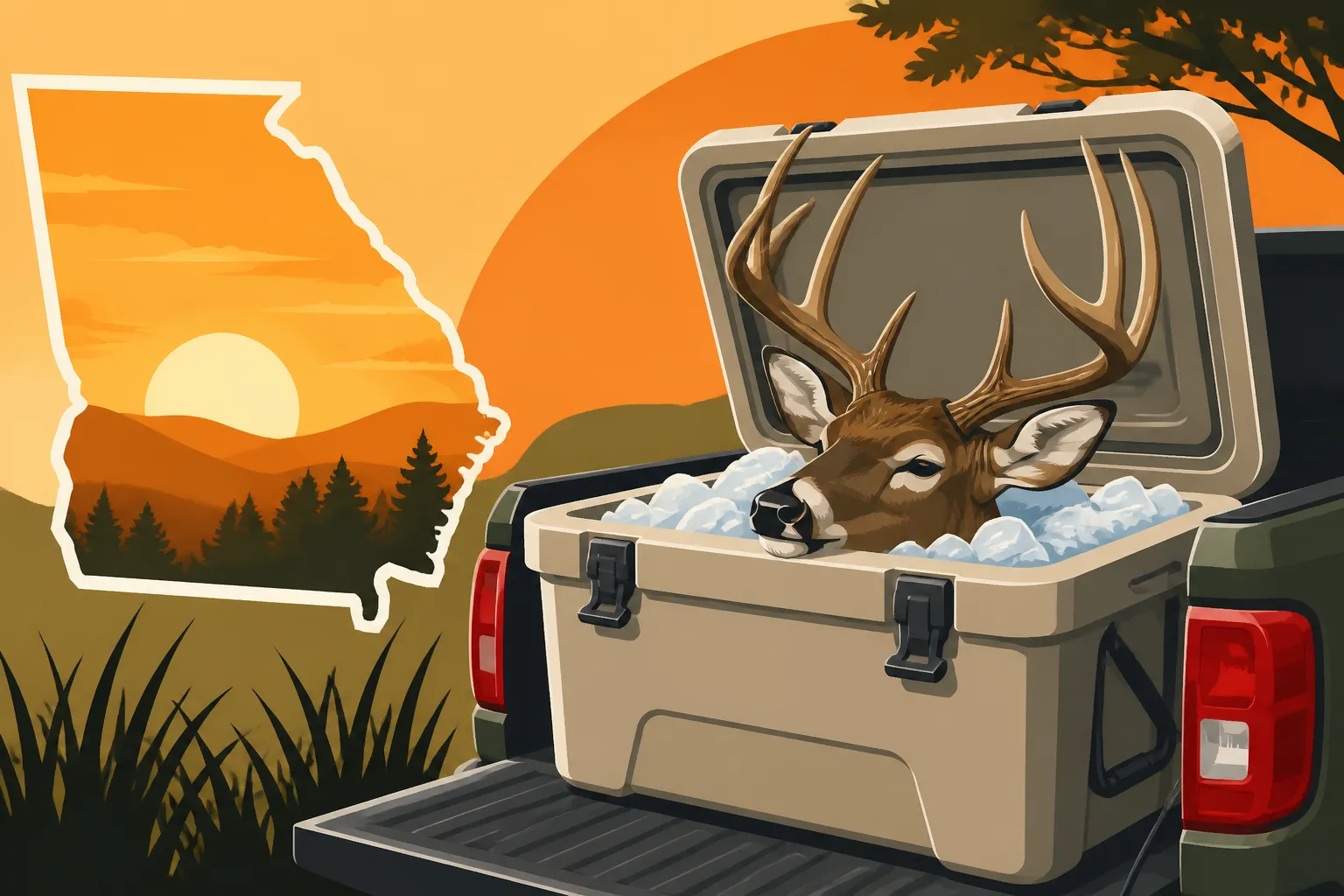
When it comes to keeping meat cold in brutal heat, hard-sided, rotomolded coolers are the undisputed champions. These coolers are constructed through a rotational molding process, which creates a single, seamless piece of plastic for both the inner and outer shells. This design, combined with thick, pressure-injected insulation and a freezer-grade gasket around the lid, provides exceptional ice retention—often for days, even in high temperatures.
Brands like YETI, RTIC, and Orca are popular for a reason; they are built like tanks and designed for extreme performance. When considering size, remember that a whole, bone-in quarter of an average Georgia whitetail can take up a surprising amount of space, especially when you factor in ice. Many experienced Georgia hunters will tell you that a 75-quart or larger cooler is a minimum for a quartered deer, and if you plan to bone out the meat, you might get away with a slightly smaller one, but bigger is almost always better for ice capacity. The durability of these coolers also means they can take a beating, from being dragged over Tracking a Deer Through Georgia Pine Straw to bouncing in the bed of a truck, without compromising their insulating integrity.
Soft-Sided Coolers and Insulated Bags: Lighter, Faster, But Limited
While hard-sided coolers are the ultimate for long-term storage, sometimes you need something more portable for immediate, short-term needs, or for boned-out portions. Soft-sided coolers, often with impressive insulation properties themselves, can be a great complement. They're lighter, easier to carry (especially if you're Packs for a Day on Public Land), and can be quickly stowed away. They typically don't offer the same multi-day ice retention as their rotomolded counterparts but can keep boned-out meat cold for several hours if packed correctly.
Insulated game bags are another excellent option, particularly if you're planning to quarter or bone out your deer in the field and pack it out. These bags, often made from durable, waterproof fabric with an insulated layer, are designed to protect meat from dirt, insects, and initial heat. While they don't hold ice for extended periods like a cooler, they are vital for protecting meat during extraction, especially when you're several miles deep in the woods or navigating tricky terrain after a successful Bowhunting Georgia's Early Archery Season. They can then be placed inside a larger, pre-chilled hard-sided cooler for the real cooling work.
The Critical Role of Drainage and Cleanliness
No matter what type of cooler you choose, effective drainage and meticulous cleanliness are paramount. As your ice melts, it creates water. If your meat is sitting in lukewarm water, it's essentially marinating in its own bacteria, which can accelerate spoilage. Good coolers have drainage plugs that allow you to easily release meltwater, keeping your ice ratio high and your meat out of the soup.
After each use, especially with raw meat, your cooler needs a thorough cleaning. Don't just rinse it out; use a mild soap and water solution, scrub all surfaces, and then rinse thoroughly. A diluted bleach solution or a specialized cooler cleaner can help sanitize and remove any lingering odors. Allow the cooler to air dry completely with the lid open to prevent mildew. Neglecting this step can lead to cross-contamination, unpleasant smells, and a less effective cooler for your next hunt.
Strategic Preparation and On-the-Spot Tactics
Having the right cooler is only half the battle. How you prepare it and what you do immediately after the kill are just as crucial, if not more so, for preserving your venison in the Georgia heat.
Pre-Chilling: A Non-Negotiable Step for Success
This is one of the most overlooked, yet critical, steps for warm weather meat preservation. Never put warm meat into a warm cooler. A cooler, especially a large rotomolded one, has a lot of thermal mass. If it's starting at 80 degrees, it's going to melt your expensive ice trying to cool itself down before it even starts on your venison.
The solution is simple: pre-chill your cooler. The night before your hunt, fill your cooler with sacrificial ice, or even better, a few frozen two-liter bottles of water. Let it sit overnight. By morning, the cooler's internal temperature will be significantly lower, often in the 30s or 40s. When you're ready to load your meat, dump out the meltwater and any remaining sacrificial ice. Now, your cooler is primed and ready to accept your deer meat and your fresh ice, starting the cooling process immediately and making your good ice last much, much longer. This simple act can add hours, if not a full day, to your ice retention.
Masterful Ice Management
The type and quantity of ice you use can make a huge difference.
- Block Ice vs. Cubed Ice: Block ice melts much slower than cubed ice because it has less surface area exposed to the air. Whenever possible, use large blocks of ice at the bottom of your cooler, with cubed ice (or frozen water bottles) layered between and on top of your meat.
- Frozen Water Bottles/Gel Packs: These are fantastic for two reasons: they provide solid, slow-melting cold, and when they melt, you have potable water, not contaminated meltwater. You can refreeze them for future hunts, making them a cost-effective solution.
- Layering: When you've quartered or boned out your deer, layer the meat with ice. Don't just dump ice on top. Place a layer of ice, then a layer of meat, then more ice, ensuring cold surrounds the meat from all sides.
- Insulation: Keep your cooler closed as much as possible. Every time you open it, warm air rushes in, and cold air escapes. Also, keep your cooler in the shade if possible, or cover it with a wet blanket or tarp to prevent direct sun exposure.
A seasoned Georgia hunter knows that ice management is an art form, especially when Hunting the Rut in Mid-October when those warm days can creep up on you even later in the season.
Field Dressing and Quartering for Cooler Readiness
The moment your deer is down, rapid, thorough field dressing is your priority. Open the cavity wide to allow body heat to escape. If you're physically able and have the right tools, quartering the deer in the field and immediately placing the quarters in game bags is often the most effective way to cool the meat quickly in warm weather. This reduces the mass of the animal, allowing heat to escape from multiple surfaces. For example, if you're deep in the timber and have to Dragging a Deer Out of a Swamp, quartering might be the only practical way to retrieve the animal efficiently and get the meat cooling faster.
Boning out the meat in the field can be even better, as it removes much of the bone mass, which holds heat. While it's more work, boning out allows you to fit more meat into a smaller cooler, and the individual pieces cool down much faster. Using an app like GoHunt to scout and plan Entry Routes Through a Standing Peanut Field before your hunt can give you a clear path, minimizing the time it takes to get to your deer and begin this crucial process, ensuring your meat hits the cooler in prime condition.
From Woods to Table: Transport and Post-Hunt Care
Once the deer is field-dressed and potentially quartered, the journey to the cooler and beyond requires continued vigilance. The goal is to maintain that cold chain until the meat can be fully processed.
Efficiently Getting Your Kill to the Cooler
Every minute that meat is exposed to warm ambient temperatures is a minute that contributes to spoilage. Minimize the time between the shot and getting the meat into your pre-chilled cooler. If you're hunting nearby, dragging might be an option, but be mindful of dirt and debris. Game carts, like those often seen on Deer Carts for Coastal Plain Ground, can be invaluable for efficient, clean transport, especially over longer distances or rough terrain. For remote areas, boning out and utilizing strong game bags inside a frame pack is often the best strategy to rapidly extract the meat. Always prioritize shade during any transport, even if it means taking a slightly longer route. Game Bags for Warm October Days are fantastic for keeping meat clean and protected from insects during this phase, even if you’re just carrying it a short distance.
Managing Meat in the Cooler Post-Recovery
Once your meat is in the cooler, the hard work of cooling begins. If you've quartered or boned out the deer, you can opt for an "ice bath" method. Layer your meat with plenty of cubed or crushed ice directly on top and underneath. Close the lid and resist the urge to peek. The goal is to bring the internal temperature of the meat down to around 35-40 degrees Fahrenheit as quickly as possible.
Regularly check and drain the meltwater. Remember, meat sitting in lukewarm water is detrimental. Keep adding fresh ice as needed, especially if you're dealing with multiple days of warm weather. While some hunters prefer to keep their meat dry by placing it in sealed bags within the cooler, many successfully use direct ice contact, provided the water is drained frequently and the meat is processed promptly once chilled. If you're in an area that falls under Handling Venison From a CWD Management Area regulations, ensure you understand any specific carcass movement restrictions and testing requirements before transporting or processing.
Beyond the Cooler: Processing Your Venison
Even the most robust cooler is a temporary solution. The ultimate goal is to get that venison completely chilled and then processed for long-term storage (freezing, canning, or curing). Once your meat has been in the cooler for 1-3 days and is thoroughly chilled, it's time for the next step.
Many hunters choose to take their chilled quarters to a professional processor. These facilities have walk-in coolers and can rapidly bring the meat down to ideal temperatures for aging and butchering. If you prefer to Butchering a Deer at Camp or at home, ensure you have a clean, cool space. A garage with a strong fan or even an air-conditioned room can work, but keep that meat cold during the entire process. Break down the quarters into primals, trim away any silver skin or damaged areas, and then package and freeze the meat quickly. Always remember that good venison starts with fast, efficient cooling in the field, and the cooler is your most vital tool for making that happen during Georgia's warm early seasons.
Disclaimer
This article is for general informational purposes only and does not constitute professional advice. Laws, prices and regulations vary by location and change over time. Consult a qualified professional for guidance on your specific situation.