Georgia Deer Vehicle Collisions
Driving on Georgia roads, especially at dawn or dusk, brings with it a unique set of hazards. One of the most sudden and startling encounters many drivers face is a collision with a white-tailed deer. This guide is here to shed light on why these incidents happen, what steps to take if you find yourself in such a situation, and how to minimize your risk on the road.
Understanding the Risk: When and Where Deer Vehicle Collisions Happen
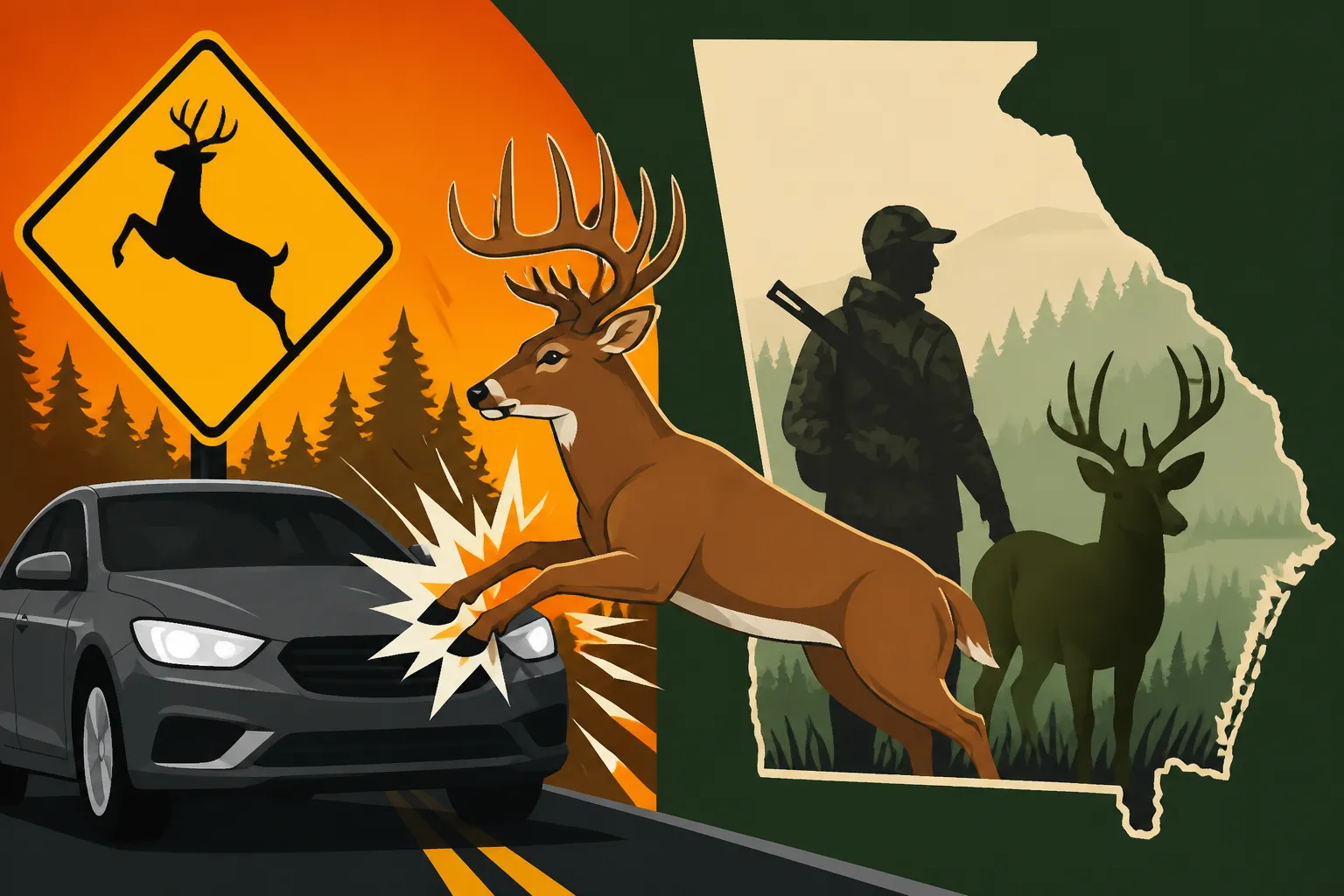
It’s a heart-stopping moment: a deer suddenly appears in your headlights, and there’s nowhere to go. Deer vehicle collisions (DVCs) are a serious concern for Georgia drivers, leading to significant property damage, potential injuries, and, tragically, the loss of wildlife. Understanding when and where these incidents are most likely to occur can be your first line of defense.
Peak Times for Deer Activity
Deer are creatures of habit, and their activity levels fluctuate throughout the day and year. The two most dangerous times for DVCs are well-established:
- Dawn and Dusk: Just like many other wildlife species, deer are crepuscular, meaning they are most active during the twilight hours. As the sun rises and sets, deer are often on the move between their bedding areas and feeding grounds. This low-light condition also coincides with peak commuting times for many Georgians, creating a perfect storm for collisions. The limited visibility for drivers, combined with deer venturing out, makes these hours particularly treacherous.
- Fall and Early Winter: While deer can be hit any time of year, the fall and early winter months are by far the riskiest. This period aligns with the When the Georgia Rut Peaks in many areas, when bucks are actively chasing does, making them less cautious about crossing roads. Add to this the increased hunting pressure from seasons like Georgia's Long Firearms Deer Season and the general scramble for food before winter sets in, and you have deer moving more frequently and unpredictably. Late fall also sees crops harvested, pushing deer out of cover they once relied on, forcing them to traverse open areas, often near roadways.
High-Risk Locations on Georgia Roads
It’s not just about the time of day or year; the landscape itself plays a huge role. Certain types of terrain and road features are magnets for deer movement and, consequently, DVCs.
- Wooded Edges and Rural Roads: Common sense tells us that deer live in wooded areas, so roads that run through or alongside forests, dense brush, or agricultural fields are inherently riskier. Rural roads, especially those without streetlights, offer deer dark, often quiet corridors to cross without much human interference until a vehicle approaches. Keep an eye out for "Deer Crossing" signs, but remember, deer don't always read them!
- Creek Bottoms and River Corridors: Deer often use natural travel corridors, and nothing is more reliable than a creek bottom or a river corridor. These areas provide cover, water, and food sources, acting like wildlife highways. Roads that bridge or run parallel to these waterways, such as those near the Altamaha River or even smaller creeks cutting through agricultural land, are prime spots for deer to cross. Being aware that these natural funnels exist can help you anticipate movement. If you're familiar with areas from hunting, you might already know where deer are likely to be, which can indirectly help your driving awareness. Using a tool like GoHunt to scout and understand deer movement patterns in different parts of the state, even near major roadways, can provide valuable insight into their habits.
What to Do If You Hit a Deer
No one ever plans to hit a deer. It's a sudden, often violent event that leaves you shaken. Knowing the proper steps to take immediately after a collision can help ensure your safety, address any potential damage, and comply with state regulations.
Prioritizing Safety First
Your safety, and the safety of any passengers, is paramount. Even if the deer runs off, or if your vehicle seems okay, take a moment to assess the situation calmly.
- Pull Over Safely and Activate Hazard Lights: If possible, steer your vehicle to the side of the road, out of the flow of traffic. Engage your hazard lights immediately to warn other drivers, especially if it's dark or low-visibility. Try to find a well-lit area if you can move the vehicle a short distance. If you're in a busy highway, think about how to best protect yourself from secondary collisions.
- Check for Injuries (Yourself and Passengers): Before anything else, check yourself and anyone else in the car for injuries. Even a minor collision can cause whiplash or other unseen trauma. If anyone is injured, call 911 immediately. Don't move anyone with a suspected neck or back injury unless absolutely necessary for their safety.
- Do Not Approach the Deer: This is crucial. A deer, even if it appears stunned or deceased, can be unpredictable and dangerous. An injured deer can kick violently or try to gore, posing a serious threat. Keep a safe distance and never attempt to move it yourself. Leave that to trained professionals or law enforcement.
Documenting the Incident and Contacting Authorities
Once you've ensured everyone's immediate safety, the next steps involve documenting what happened and reaching out to the right people.
- Call Law Enforcement: In Georgia, it's generally advisable to call local law enforcement (sheriff's office, state patrol, or local police) after any vehicle collision involving an animal, especially if there's significant vehicle damage, injuries, or if the deer is blocking the roadway. They can help with traffic control, create an official report, and handle the deceased or injured animal. An official report can be invaluable for insurance claims later.
- Document the Scene Thoroughly: While waiting for help to arrive, if it's safe to do so, document everything you can. Take photos of your vehicle's damage from multiple angles, the location of the collision, any skid marks, and the surrounding area. Note the time, date, and exact location (cross streets, mile markers). Collect contact information from any witnesses. The more detail you have, the smoother the insurance claim process will likely be.
- Contact Your Insurance Provider: As soon as you can, inform your insurance company about the incident. Most DVCs are covered under the comprehensive portion of your auto insurance policy, not collision. Understanding your policy's specifics, including your deductible, is important. Provide them with all the documentation you've gathered and the law enforcement report number.
Handling the Carcass (Legally)
Many people wonder about keeping the deer after hitting it. Georgia law has specific rules on this.
- Reporting and Obtaining a Carcass Permit: If you wish to keep a deer that you've hit with your vehicle, you must contact local law enforcement or the Georgia Department of Natural Resources (DNR) law enforcement division. They will investigate and, if the circumstances are deemed legitimate (i.e., you genuinely hit it, not just found it), they can issue you a carcass tag or permit. This is essential to legally possess the animal and avoid any wildlife violations. Never assume you can just load it up and go. The same rules about reporting a legally harvested deer through the Georgia Game Check system generally apply to a deer taken by vehicle as well, as you'll still need to tag and check it in with the appropriate authorities.
Preventative Measures for Georgia Drivers
While you can't control wildlife, you can control your driving habits and increase your awareness to drastically reduce your risk of a DVC. A little proactive thinking goes a long way.
Defensive Driving Tactics
The best defense is often a good offense – in this case, driving defensively with deer in mind.
- Slow Down, Especially at Dawn and Dusk: This is perhaps the most critical advice. Reducing your speed gives you more time to react if a deer suddenly appears. When driving through wooded or rural areas during peak deer activity hours, mentally cut your speed by at least 10-15 mph. On roads where you know deer are prevalent, like those near areas discussed in Hunting Georgia Swamp and River Bottom Deer, be extra vigilant.
- Scan the Roadside and Use High Beams (When Appropriate): Don't fixate on the center of the road. Constantly scan both sides of the road for any movement or reflective eyes. Deer often travel in groups, so if you see one, assume there are more nearby. Using your high beams when there's no oncoming traffic can extend your visibility and give you crucial extra seconds to spot deer further down the road or lurking in the shadows. Once you spot a deer, dim your lights, as sometimes bright lights can confuse or freeze them.
- Be Aware of Deer Crossing Signs: Those yellow deer crossing signs aren't just for decoration; they're placed in areas with known high deer activity. Treat them as a serious warning to be extra alert and reduce your speed. These signs are often in locations where historical data shows a higher incidence of DVCs.
Leveraging Local Knowledge and Resources
Understanding local deer populations and movement patterns can give you an edge in avoiding collisions.
- Consult Hunting Resources for Deer Activity Maps: Hunters spend countless hours scouting and tracking deer movement. Resources like Georgia DNR's harvest reports and even mapping apps used by hunters, such as GoHunt, can provide insights into areas with high deer density and travel corridors. While these are geared towards hunting, the knowledge of where deer congregate (like those in the Piedmont region, or even areas like those discussed in Deer Density by Georgia Region) can make you a more informed driver. Knowing which counties have higher deer populations can also increase your awareness.
- Consider Aftermarket Safety Devices: While no device is foolproof, some drivers opt for aftermarket solutions like deer whistles or specialized lights. Deer whistles are designed to emit a high-frequency sound that theoretically alerts deer to an approaching vehicle. Their effectiveness is debated, but some drivers swear by them. Bright, auxiliary driving lights can also improve visibility, but remember to use them responsibly and dim them for oncoming traffic.
The Aftermath: Reporting, Insurance, and Carcass Handling
Once the initial shock subsides, there are practical steps to navigate the process of reporting the incident, dealing with your insurance, and understanding the proper procedures for any deceased wildlife.
Reporting the Collision
Accurate and timely reporting is key for both legal compliance and a smooth insurance process.
- Official Police Report: As mentioned earlier, contacting law enforcement for an official report is highly recommended. This report provides an unbiased account of the incident, which can be critical when filing an insurance claim. Even if there's no visible damage, a report can protect you from future claims or accusations if damage appears later. It also helps the state track DVC data, which can inform future road safety initiatives.
- Insurance Claim Process: Your insurance company will guide you through their specific claims process. Be prepared to provide the police report number, photos, and any other documentation you collected. Most policies with comprehensive coverage will cover damage from a deer strike, but always confirm your specific coverage details. Remember, this type of claim typically doesn't impact your collision premium in the same way an accident with another vehicle might.
Legal and Ethical Considerations for Wildlife
Dealing with a deceased or injured animal is never pleasant, but it's important to do so legally and ethically.
- Do Not Attempt to Move a Live Animal: This bears repeating. An injured deer is a wild animal in distress and can lash out violently. Leave any live, injured deer to the authorities (DNR or law enforcement) who are equipped to handle such situations safely and humanely.
- Carcass Removal: If the deer is deceased and not blocking traffic, law enforcement will usually handle its removal or advise you on local animal control services. If you have obtained a permit to keep the deer, ensure it's transported safely and respectfully. For those interested in the details of wildlife management, understanding the state's approach to game animals, including regulations on tagging and reporting, can be found in resources like Georgia Deer Harvest Reporting Rules. This knowledge can give you a better appreciation for why these procedures exist.
| Factor | Increased DVC Risk | Decreased DVC Risk |
|---|---|---|
| Time of Day | Dawn (30 min before sunrise), Dusk (30 min after sunset) | Mid-day |
| Time of Year | October, November, December (Rut & Hunting Season) | Summer (June, July, August) |
| Road Type | Rural roads, roads bordering dense woods/fields | Well-lit, high-traffic urban areas |
| Weather | Fog, heavy rain, snow/ice (reduced visibility) | Clear, sunny conditions |
| Driver Behavior | Speeding, distracted driving, not scanning shoulders | Reduced speed, attentive scanning, using high beams |
Contributing to Deer Management
Believe it or not, ethical hunting plays a significant role in mitigating DVCs. Managing deer populations through regulated hunting helps keep herds healthy and within ecological carrying capacities, which in turn can reduce overpopulation in areas prone to DVCs. Hunters contribute to this by adhering to regulations like Georgia's Twelve-Deer Bag Limit and participating in various deer seasons, helping to maintain a balanced ecosystem. While you might not be a hunter, understanding the bigger picture of deer management can highlight why these seasons and rules exist. Responsible hunting, guided by proper scouting and adherence to rules, is a vital part of conservation, and tools like GoHunt are indispensable for hunters navigating regulations and planning their outings.
Disclaimer
This article is for general informational purposes only and does not constitute professional advice. Laws, prices and regulations vary by location and change over time. Consult a qualified professional for guidance on your specific situation.