Georgia Bear Harvest Trends
It’s easy to get caught up in the excitement of bear season, whether you’re scouting deep in the North Georgia mountains or just dreaming about the possibility of an encounter. But for many of us, looking at the raw harvest numbers from year to year can feel a bit like reading hieroglyphs. What do these figures actually tell us about the health of Georgia’s black bear population, and how do they impact our hunting opportunities? This guide aims to demystify Georgia’s bear harvest trends, breaking down the data to give you a clearer picture of what's happening in the woods and how wildlife management decisions are shaped by these crucial statistics.
Understanding Georgia's Black Bear Population Dynamics
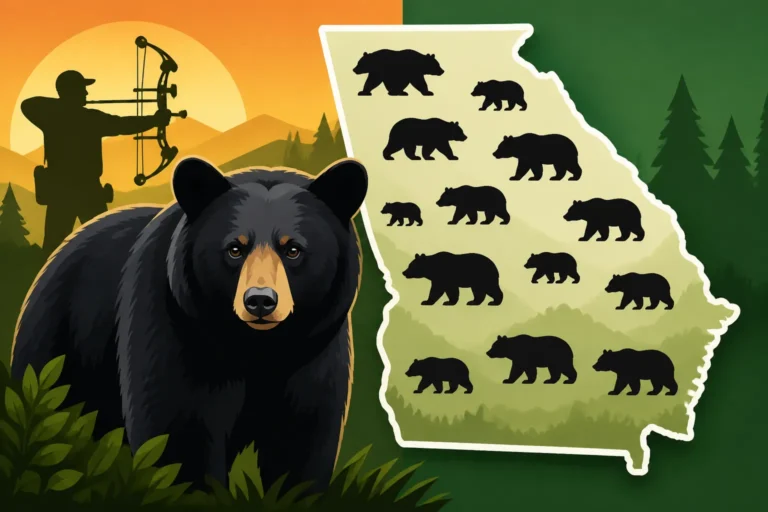
When we talk about bear harvest trends in Georgia, it's really a conversation about managing a thriving, yet sometimes challenging, wildlife population. Black bears in Georgia have made an incredible comeback from historical lows, a testament to conservation efforts and adaptable animals. However, this success also brings with it the responsibility of careful management to ensure a healthy population, mitigate conflicts with humans, and provide sustainable hunting opportunities. The Georgia Department of Natural Resources (DNR) doesn't just pull harvest limits out of thin air; they rely heavily on various data points, with hunter harvest being one of the most critical.
How DNR Monitors Bear Populations
Monitoring a species as elusive and wide-ranging as the black bear is no small feat. The Georgia DNR uses a multifaceted approach to estimate population numbers and health, a complex puzzle where hunter harvest data forms a significant piece. Beyond just counting the bears taken by hunters, biologists look at things like reproductive rates, cub survival, habitat availability, and even nuisance calls. Each harvested bear provides valuable biological information—age, sex, weight, and sometimes even reproductive status—which helps paint a clearer picture of the overall population structure. Without this kind of detailed information, managing Georgia's bears would be a much harder task. It’s a continuous cycle of observation, data collection, and adjustment, all aimed at ensuring the long-term health and stability of these magnificent creatures.
The Role of Research and Surveys
Beyond harvest data, researchers and biologists are constantly engaged in field studies to deepen their understanding of Georgia's black bears. This includes everything from tracking individual bears with GPS collars to running camera trap surveys in remote areas. These efforts help them understand movement patterns, denning habits, and how bears utilize different habitats. For instance, knowing Where North Georgia Bears Range or how far bears travel in search of food during a mast crop failure helps inform season lengths and bag limits. Programs that collect biological samples from harvested bears, such as teeth for aging and tissue for genetic analysis, provide invaluable insights into the population’s age structure, genetic diversity, and overall health. All this scientific rigor underpins the decisions made for our bear seasons, striving for a balance between conservation and sustainable hunting.
Historical Bear Harvest Trends in Georgia
Looking back at the history of bear hunting in Georgia reveals a story of conservation success and evolving management strategies. Decades ago, black bears were rare sightings outside the deepest wilderness areas. Today, thanks to protected habitats and careful management, their numbers have rebounded significantly, leading to increased hunting opportunities and, consequently, higher harvest numbers in many areas.
From Scarcity to Stability: A Comeback Story
It wasn't that long ago that hunting a bear in Georgia was an extremely rare event. The species faced severe population declines throughout the southeastern U.S. due to habitat loss and unregulated hunting in the early 20th century. Georgia's bear populations were fragmented and sparse, primarily confined to the vast wilderness of the North Georgia mountains and the remote Okefenokee Swamp. Aggressive conservation efforts, including habitat protection, transplant programs, and strict hunting regulations in the mid-to-late 20th century, allowed bear numbers to slowly but surely recover. As the populations grew, so did the cautious expansion of hunting seasons, moving from very limited, short periods to the more structured regional seasons we have today. This journey from near extirpation to a thriving population is a testament to the power of dedicated wildlife management and informed policy, showing how crucial it is to get things right.
Key Factors Influencing Annual Harvest Fluctuations
Even with stable populations, annual bear harvest numbers can fluctuate quite a bit, making it challenging to interpret the data without context. Several factors play a significant role in these yearly variations. One of the biggest influences is the availability of natural food sources, particularly hard mast like acorns and soft mast like berries. In years with abundant mast crops, bears might be more spread out, less active during daylight hours, and less likely to hit bait sites (where legal), potentially leading to lower harvest numbers. Conversely, poor mast years can push bears into more visible areas or agricultural lands, increasing their vulnerability and leading to higher harvests. Hunter effort, which can be influenced by weather conditions, holiday schedules, and even economic factors, also plays a role. A rainy, warm hunting season might see fewer hunters in the woods, impacting the overall harvest. Understanding these variables is key to not overreacting to a single year's numbers.
Regional Breakdown of Bear Harvest
Georgia's black bear population isn't uniform; it's concentrated in three distinct zones, each with its own habitat, population dynamics, and, consequently, its own harvest trends. These zones – the Northern, Central, and Southern – are managed individually to best suit the local bear populations and human communities.
Northern Bear Zone: Mountain Abundance
The Northern Bear Zone, primarily encompassing the rugged terrain of the Chattahoochee National Forest in North Georgia, is by far the state's stronghold for black bears. This is where you'll find the highest bear densities and, unsurprisingly, the highest harvest numbers annually. The expansive, largely undeveloped mountain habitat provides ideal conditions for bears, including vast tracts of forest, diverse food sources, and plenty of cover. Hunters in this region often face challenging terrain, but the reward can be significant. Harvest trends in the Northern Zone tend to be the most consistent, often reflecting the overall health of Georgia's largest bear population. You can dive deeper into the specifics of Georgia Northern Zone Bear Season Rules to understand the regulations in place here. Hunters using resources like the GoHunt app often note how much ground they need to cover to locate bears in this vast landscape, a true testament to the ruggedness of the hunt.
Central Bear Zone: The Ocmulgee Comeback
The Central Bear Zone, primarily centered around the Ocmulgee River corridor and portions of the Piedmont region, represents a remarkable success story in bear expansion. This zone historically had very few bears, but through natural expansion from the Northern Zone and successful management, a viable population has taken hold. While harvest numbers here are much lower than in the Northern Zone, they show a steady, albeit slow, upward trend, indicating a growing and spreading population. Hunting in the Central Zone often involves more localized knowledge, focusing on river bottoms and larger tracts of private timberland. The season here is typically much shorter, often limited to specific weekends, to ensure the population continues to grow sustainably. It’s a different kind of challenge for hunters, as you can explore in more detail with Hunting the Ocmulgee Bear Zone, where finding a bear can sometimes feel like finding a needle in a haystack.
Southern Bear Zone: Okefenokee and Altamaha Giants
The Southern Bear Zone is distinct, primarily centered around the vast, mysterious Okefenokee Swamp and the Altamaha River drainage. Bears here are often larger in body size, thanks to rich food sources found in these wetland ecosystems. Harvest numbers in this zone are typically modest but consistent, reflecting a stable population that is largely isolated from the other two. Hunting in the Southern Zone is a unique experience, often requiring specialized knowledge of swamp terrain and bear behavior in wetland environments. Regulations here are carefully crafted to manage this unique population, with seasons often restricted to short, intense periods. Understanding Where Altamaha and Okefenokee Bears Range is crucial for anyone considering a hunt in this unique part of Georgia. The sheer size of some of the bears harvested here can be truly impressive, making it a bucket-list hunt for many.
Impact of Regulations and Hunter Effort on Harvest
Bear harvest trends aren't just about how many bears are out there; they're also heavily influenced by the rules we play by and how many people are actually out playing the game. Understanding the interplay between regulations, hunter numbers, and success rates is crucial for interpreting the data accurately.
Season Lengths and Bag Limits
One of the most direct ways the DNR influences harvest numbers is through setting season lengths and bag limits. A shorter season or a reduced bag limit, such as Georgia's two-bear limit (one of which must be antlerless if you're counting deer, but for bears, it's generally one per zone per season, with a maximum of two per statewide season, although hunters often only focus on one), is designed to reduce overall take and allow the population to grow or remain stable. Conversely, extending a season or increasing limits can allow for a higher harvest if the population can sustain it. These decisions are made annually based on the previous year's harvest data, population health indicators, and long-term management goals. For example, if biologists note a dip in cub survival, they might recommend a more conservative season. Similarly, if Georgia's Black Bear Population is booming and causing increased human-wildlife conflicts, a slightly more liberal season might be considered. It's a constant balancing act, always trying to keep the population healthy while providing fair hunting opportunities.
Hunter Participation and Success Rates
The number of hunters hitting the woods each year, and their collective success, also directly impacts harvest figures. A strong economy, favorable weather conditions, or increased interest in bear hunting can lead to higher hunter participation. More hunters generally mean more pressure on the bear population, which can translate to higher harvest numbers even if the individual success rate per hunter remains constant. However, success rates vary widely between zones and even from year to year. In the Northern Zone, a higher percentage of hunters might tag a bear due to higher densities, while in the Central or Southern Zones, success might hinge more on dedicated scouting and specific tactics for Hunting the Ocmulgee Bear Zone. Factors like the accessibility of hunting areas, the amount of public land, and the experience level of hunters also play a role. Using tools like the GoHunt app can help hunters identify areas with less pressure or better habitat, potentially increasing their individual success rates and contributing to the overall harvest data.
Technological Advancements and Their Influence
It's not just about the number of hunters, but also the tools and knowledge they bring to the field. Modern hunting equipment, advanced optics, and improved mapping technologies have subtly, but significantly, influenced harvest trends. GPS devices and smartphone apps with satellite imagery allow hunters to navigate rugged terrain more efficiently and locate prime bear habitat with greater precision. High-quality binoculars and spotting scopes, as discussed in Optics for Georgia Mountains and Swamp, enable hunters to spot bears at greater distances, especially in open areas. While Georgia has strict rules against baiting in certain areas, and night hunting for bears is illegal, the general increase in hunter efficiency, combined with access to more information about bear behavior and habitat, can lead to more successful hunts. This continuous evolution of hunting technology means that wildlife managers must also continuously adapt their understanding of how harvest efficiency impacts the overall population.
Analyzing the Data: What Harvest Numbers Really Tell Us
Understanding bear harvest trends goes beyond just raw numbers. It requires an ability to interpret the data, recognizing that figures from one year to the next are often more indicative of population stability or subtle shifts, rather than dramatic changes.
Interpreting Long-Term vs. Short-Term Trends
When you look at Georgia's bear harvest data, it's easy to get fixated on year-over-year changes. A slight dip or rise might seem significant, but biologists often caution against drawing conclusions from short-term fluctuations alone. Long-term trends, typically spanning five to ten years or more, provide a much more reliable picture of the health and trajectory of a bear population. For instance, if the harvest consistently increases over a decade, it's a strong indicator of a growing population. Conversely, a sustained decline would signal a need for more conservative management. Short-term dips can often be attributed to factors like poor mast crops, severe weather during the season, or reduced hunter effort, rather than a decline in the bear population itself. DNR biologists use these long-term perspectives to make informed decisions about future seasons, ensuring sustainability.
The Significance of Age and Sex Ratios in Harvest
Beyond the total number of bears, the age and sex ratio of harvested animals offer crucial insights into the population's structure and health. A high proportion of older, mature bears in the harvest can indicate a healthy, stable population where bears are living to their full potential. Conversely, a harvest dominated by young bears might suggest a population struggling with recruitment or overharvesting of older age classes. The ratio of males to females is also vital. A balanced sex ratio, or one with a slightly higher proportion of males, is generally desirable. A high proportion of harvested females, especially reproductive-aged sows, can be a red flag, as it directly impacts the reproductive capacity of the population. This is why when hunters are successful and bring their bear to a check station, biologists collect valuable information about the animal's age and sex through teeth and biological samples, as outlined in Georgia Bear Checking Requirements. This detailed data is indispensable for fine-tuning management strategies.
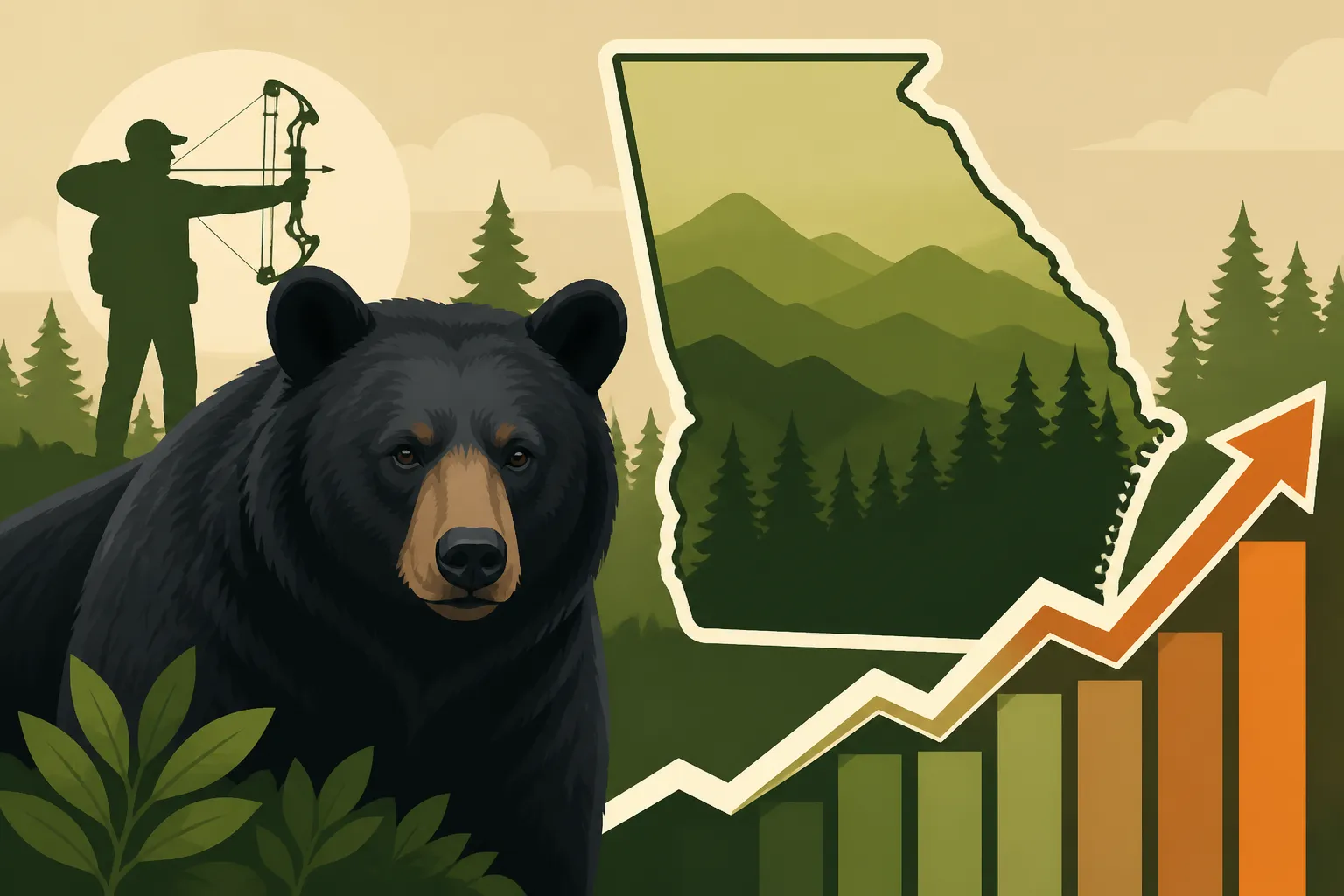
Here's a simplified look at how harvest numbers might break down in Georgia's bear zones over a couple of illustrative seasons. Keep in mind these are hypothetical figures for demonstration purposes, reflecting general patterns observed by wildlife agencies.
| Year | Northern Zone Harvest | Central Zone Harvest | Southern Zone Harvest | Total Statewide Harvest | Notes (Hypothetical) |
|---|---|---|---|---|---|
| 2021 | 350 | 45 | 60 | 455 | Good mast crop year, moderate hunter effort. |
| 2022 | 385 | 52 | 68 | 505 | Excellent mast crop, increased hunter participation. |
| 2023 | 320 | 40 | 55 | 415 | Poor mast year, challenging weather, lower hunter turnout. |
This table illustrates how variables like mast crop and hunter effort can influence harvest numbers across different zones. Even with a "poor" year in 2023, the underlying population health might remain strong, emphasizing the need for long-term trend analysis.
Public Perception and Management Challenges
It's no secret that wildlife management often has to navigate public perception, which can sometimes be at odds with scientific data. While hunters understand the role of regulated harvest in population management, some non-hunting segments of the public may view any bear harvest as detrimental. This creates a continuous challenge for the Georgia DNR to educate the public on why these seasons are necessary for maintaining healthy bear populations, preventing overpopulation that leads to starvation or disease, and mitigating human-bear conflicts, especially as bears expand into new areas, sometimes near suburban developments. The data from Georgia Bear Harvest Trends is crucial in these discussions, providing factual grounding for management decisions and fostering a shared understanding of conservation goals. This ongoing dialogue is an essential part of responsible wildlife stewardship, ensuring the future of Georgia's black bears for everyone.
The Future of Bear Hunting in Georgia
Looking ahead, the future of bear hunting in Georgia is intertwined with the continued health and expansion of the black bear population, ongoing research, and adaptive management strategies. As human populations grow and development encroaches on bear habitat, the challenges of managing these magnificent animals will only increase.
Adaptive Management Strategies
Georgia's DNR operates under an adaptive management framework, meaning that bear seasons, bag limits, and other regulations are not set in stone. They are continuously evaluated and adjusted based on the latest scientific data, including annual harvest reports, population surveys, and habitat assessments. If, for instance, a particular zone shows signs of declining bear numbers or an unfavorable age/sex ratio in the harvest over several years, managers can quickly implement more conservative measures. Conversely, if a population is thriving and expanding beyond its historical range, posing increased risks for human-bear conflicts, there might be opportunities to expand hunting opportunities in a controlled manner. This flexible approach is critical for responding to environmental changes, such as shifts in climate or disease outbreaks, ensuring that management strategies remain effective and sustainable for the long haul.
Habitat Conservation and Connectivity
Ultimately, the success of Georgia's black bear population, and the future of hunting them, hinges on habitat. Bears need large, interconnected tracts of forest with diverse food sources to thrive. Efforts to conserve and restore these critical habitats, particularly in areas where bears are expanding or where populations are more vulnerable, are paramount. This includes working with private landowners, implementing prescribed burns to improve forest health, and protecting crucial wildlife corridors that allow bears to move safely between different areas. As seen in Hunting Bears Over Natural Food in the Mountains, quality habitat directly translates to healthy, abundant bears. Organizations and state agencies are continually striving to ensure that the bears have the space and resources they need, not just for survival, but for continued expansion and genetic diversity.
The Hunter's Role in Conservation
Hunters play an absolutely vital role in the future of Georgia's black bear conservation. Beyond the financial contributions from license and tag purchases, which directly fund wildlife management efforts, hunters provide invaluable data through mandatory harvest reporting. The information collected at check stations—from a bear’s weight and sex to its age—is the backbone of effective population monitoring. Responsible hunting practices, ethical behavior, and respect for the resource ensure that bear hunting remains a legitimate and respected conservation tool. By staying informed about regulations, participating in educational programs, and practicing good sportsmanship, hunters directly contribute to the long-term health of Georgia's Black Bear Population and the continuation of our hunting heritage. Platforms like GoHunt also provide valuable information and community for hunters to share insights and best practices, further strengthening the collective knowledge and commitment to conservation.
Disclaimer
Please note that hunting regulations, season dates, and bag limits are subject to change by the Georgia Department of Natural Resources (DNR). Always consult the official Georgia DNR hunting regulations guide for the most current and accurate information before planning any hunting trip. This article is intended for informational purposes only and does not supersede official regulations.