Hunting the Ocmulgee Bear Zone
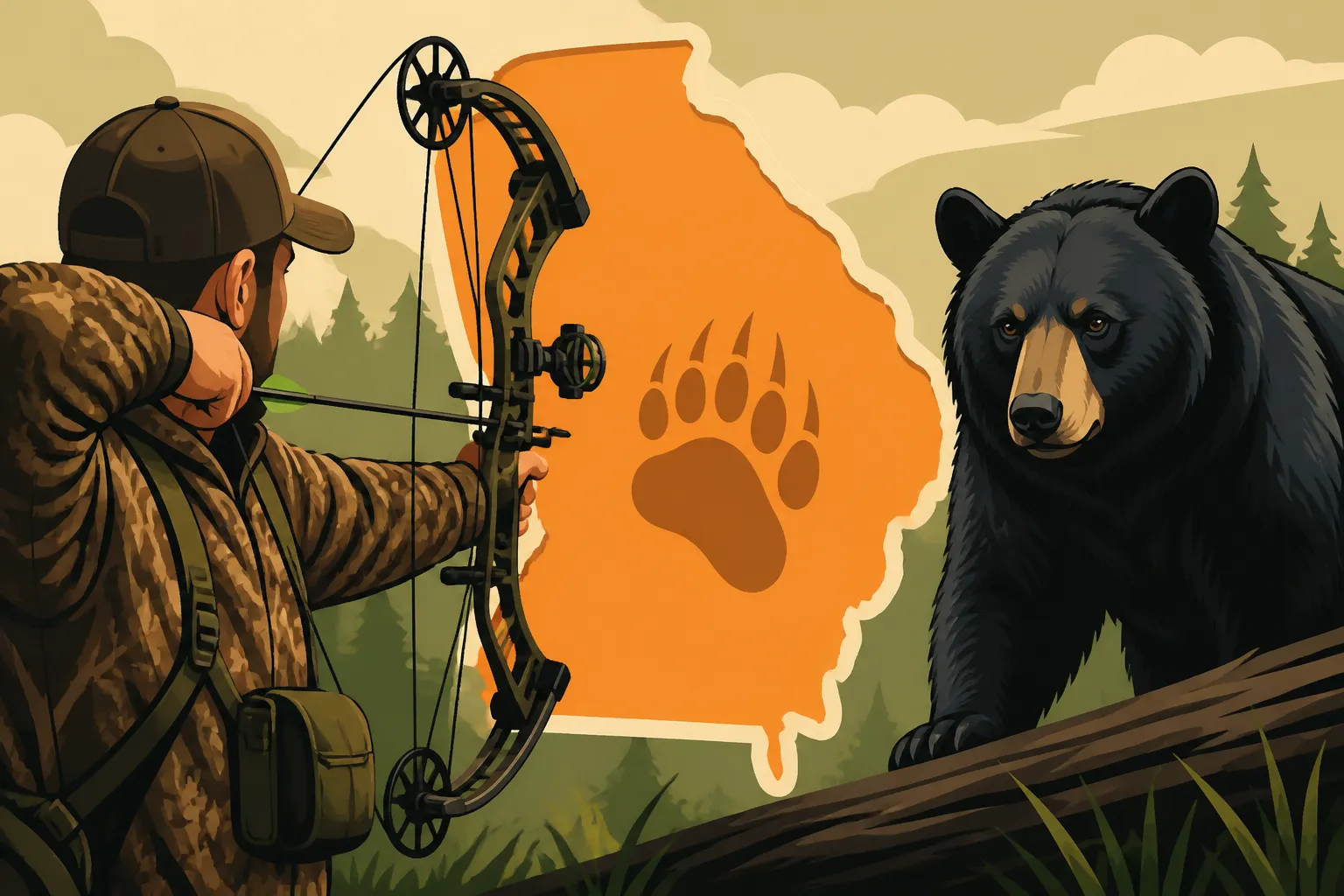
Hunting in Georgia offers a diverse range of challenges and rewards, but few experiences are as unique and demanding as pursuing black bears in the Ocmulgee Bear Zone. Unlike the expansive wilderness of the North Georgia mountains, this central Georgia region presents a unique blend of river bottom swamps and agricultural interfaces, making locating and harvesting a bear a true test of skill and persistence. This comprehensive guide will walk you through the specifics of navigating this distinctive habitat, understanding local bear behavior, and applying effective hunting strategies to increase your chances of success.
Understanding the Ocmulgee Bear Zone's Unique Habitat
The Ocmulgee Bear Zone isn't what most people picture when they think of bear hunting. Forget vast, sprawling mountain ranges. This area presents a completely different canvas, one that requires a nuanced understanding of how bears survive and thrive in a distinctly Georgian landscape. It’s an environment that demands patience and a keen eye for subtle signs.
Geographic and Ecological Characteristics
The Ocmulgee Bear Zone primarily centers around the winding Ocmulgee River and its extensive floodplains. Imagine thick, dense bottomland hardwoods, cypress and tupelo swamps, and a tangled understory that can make walking a challenge. This river corridor acts as a natural highway and sanctuary for bears, providing crucial cover and water in a landscape often otherwise dominated by human activity. Adjacent to these riverine habitats, you'll find a patchwork of agricultural fields – corn, peanuts, soybeans, and even pecan orchards – which can be irresistible to bears at certain times of the year. This mix of dense, impenetrable cover and high-calorie food sources defines the Ocmulgee experience.
Unlike the mountainous terrain up north, the Ocmulgee region is relatively flat, meaning elevation changes are minimal. This impacts how bears move and how scent travels, making wind direction even more critical for hunters. The dense vegetation also means visibility is often limited to short distances, forcing hunters to focus on fresh sign and subtle movements rather than scanning vast landscapes. Understanding these ecological characteristics is the first step to unlocking success in this challenging zone.
Ocmulgee Bear Population Dynamics
The bear population in the Ocmulgee zone is considerably smaller and more dispersed than what you'd find in the Blue Ridge Mountains. This isn't a place where you'll encounter bears around every bend; instead, individual animals can be spread out across significant distances. The fragmented nature of their habitat, often interspersed with active farms and residential areas, contributes to this lower density. This makes every piece of sign you find incredibly valuable, hinting at the presence of a truly wild and adaptable animal.
This smaller population translates directly to a lower success rate for hunters compared to other zones, but it also means the bears that are here are often older and wiser, having learned to navigate a more human-impacted landscape. The Georgia Department of Natural Resources (DNR) actively monitors this population, and the limited season dates reflect a cautious approach to ensure the long-term health of these bears. If you’re interested in the specifics, you can learn more about Why the Ocmulgee Bear Population Stays Small. Hunting here is less about numbers and more about the satisfaction of pursuing a truly elusive animal in its unique domain.
Key Food Sources in the Ocmulgee Region
Bears are opportunists, and in the Ocmulgee zone, their diet heavily depends on what's available throughout the year, especially leading up to the short hunting season. Hard mast, primarily acorns from various oak species common in the river bottoms, is a primary draw in the fall. If it's a good acorn year, bears might spend significant time gorging themselves in specific hardwood stands, building up fat reserves for winter. Keep an eye out for areas with heavy oak concentrations, particularly if they’re close to thick cover.
Beyond natural mast, agricultural crops play a huge role. Fields of standing corn or recently harvested peanut and soybean fields can be absolute magnets for bears. They will often emerge from the dense swamp cover at night to feed in these fields, sometimes leaving behind tell-tale tracks and flattened crop rows. Pecan orchards, though less common, can also be a highly desirable food source when pecans drop. Identifying which food sources are currently active will be paramount to pinpointing bear activity during the brief window of the Ocmulgee season, which typically occurs later in the year.
Scouting and Locating Bears in Ocmulgee Country
Success in the Ocmulgee Bear Zone hinges almost entirely on diligent and intelligent scouting. Since the population is sparser and the habitat often thick, you can't just stumble upon bears. You need to know where they're eating, where they're bedding, and how they're moving between these critical areas. This isn’t a quick scouting trip; it’s an investment of time and effort.
Identifying Prime Bear Habitat and Sign
When scouting the Ocmulgee, focus on finding areas that offer both dense cover and accessible food. Think river bends where the swamp thickens, or points where a slough meets an agricultural field. Bears will often create distinct trails through the undergrowth, though these can be subtle. Look for fresh tracks in muddy areas, especially along creek beds, ditch banks, and the edges of fields. Bears have large, distinct paw prints, and a fresh track in soft earth is an undeniable sign of recent activity.
Beyond tracks, keep an eye out for other indicators. Scat, or bear droppings, can tell you what they’re eating and how recently they were in the area. Torn logs or stumps, where bears have ripped apart rotten wood looking for insects, are another good sign. Look for claw marks on trees, especially on larger pines or hardwoods, which bears use for climbing or marking territory. Rub trees, where bears have rubbed their scent or hair, are also key indicators. Remember, every piece of sign contributes to building a picture of their movement patterns. This intensive scouting is similar to what's needed for other game, and you can apply principles from Scouting Georgia Public Land Before Season.
Utilizing Technology for Ocmulgee Scouting
Modern technology can be an invaluable asset when deciphering the complex Ocmulgee landscape. Mapping apps like GoHunt or onX Hunt are essential for identifying prime habitat features that might not be obvious from the ground. Use satellite imagery to pick out dense, impenetrable swamp pockets, areas of mature hardwoods, and the precise boundaries of agricultural fields. You can mark potential bedding areas, travel corridors, and feeding zones before you even set foot in the woods. These apps also provide crucial property line information, which is critical in an area with a mix of public and private ownership. Identifying public access points and understanding land ownership will prevent accidental trespassing and ensure you're hunting legally.
Additionally, don't underestimate the power of trail cameras. Placing cameras on fresh bear sign, along suspected travel routes, or overlooking attractive food sources can confirm activity patterns and even give you an idea of the size and number of bears in an area. Remember to place them securely and discreetly, especially on public land. For general guidance on using technology, checking out resources like Scouting With the Georgia Outdoors App can provide helpful tips.
Seasonal Bear Movement Patterns
Bear movements in the Ocmulgee zone are heavily influenced by the availability of food and the pressure they experience, especially during the short hunting season. In the early fall, bears might be more focused on acorns in the hardwoods. As the season progresses towards the late fall and early winter hunt dates, bears might shift their focus to residual agricultural crops or pecan orchards. Understanding these shifts is key. A field that was hot with activity in October might be cold by December.
Bears often have established travel routes between their bedding areas in thick cover and their feeding grounds. Identifying these corridors, which might follow creek bottoms, fence lines, or subtle ridges within the swamp, is paramount. During the hunt, expect bears to be most active during low light periods – dawn and dusk – as they move between cover and food. They are also highly sensitive to hunting pressure; even a single encounter can cause them to become nocturnal or shift their patterns to less accessible areas.
Effective Hunting Strategies for the Ocmulgee Zone
Hunting in the Ocmulgee Bear Zone requires a blend of patience, stealth, and adaptability. The thick cover and elusive nature of these bears mean you need to be strategic about your approach. It’s not about covering vast ground quickly, but rather methodically working specific areas.
Stand Hunting and Ambush Tactics
For many hunters, stand hunting is the most effective tactic in the dense Ocmulgee habitat. Once you’ve identified active feeding areas or major travel corridors through your scouting, setting up a treestand or ground blind can be highly productive. Choose locations that offer a clear shooting lane but also provide adequate cover for concealment. A classic setup involves placing a stand between a known bedding area (often the densest part of a swamp) and an active food source (such as an acorn flat or agricultural field).
Scent control is absolutely paramount. Bears have an incredible sense of smell, and any human odor can quickly send them packing. Pay meticulous attention to wind direction, always positioning yourself downwind of where you expect the bear to appear. Getting into your stand quietly and well before daylight, and staying put until well after dark, are also crucial. Bears often move at the edges of light, and they will hear or see anything out of place. This ambush style of hunting can also be combined with elements of Spot-and-Stalk Tactics for Ocmulgee Bears, where you might move to an overlooked area after spotting sign.
Still-Hunting Through River Bottoms and Swamps
Still-hunting is another viable strategy, though it requires immense patience and discipline in the Ocmulgee's challenging terrain. This involves moving incredibly slowly, stopping frequently to scan and listen, and using the natural cover to your advantage. Focus on areas with fresh sign, moving into the wind or with a crosswind. The goal isn't to walk far, but to move silently enough to spot a bear before it spots you.
The challenges are significant: thick vegetation, muddy ground that makes silent walking difficult, and constant insect pressure in warmer periods. Snake boots are a must, as are robust, quiet clothing layers. Still-hunting requires exceptional woodsmanship, attention to detail, and a deep understanding of how to read the landscape. Bears often blend seamlessly into the shadows of the river bottom, so look for abnormal shapes, a patch of black, or a subtle movement. This technique shares similarities with hunting other species in thick cover, such as Hunting Georgia Swamp and River Bottom Deer.
Understanding Bear Behavior During the Hunt
Ocmulgee bears are survivors, highly adapted to their environment. They are generally elusive and will avoid human contact whenever possible. Don't expect them to be curious or bold. If a bear senses you, it will likely melt into the thickest cover available, often without you ever seeing it. This reinforces the need for stealth, scent control, and patience.
When you do encounter a bear, observe its body language. Most black bears are more interested in escaping than confronting. However, always respect their space, especially if cubs are present. The Ocmulgee season usually falls during a time when bears are focused on feeding heavily before denning, making them somewhat predictable if you can find their current food source. Their natural wariness, however, means you need to be absolutely ready when an opportunity presents itself, as it might be fleeting.
Navigating Ocmulgee Bear Zone Regulations and Logistics
Hunting in any special zone comes with its own set of rules and logistical hurdles. The Ocmulgee Bear Zone is no exception. Because of the smaller population and unique dynamics, the Georgia DNR has specific regulations designed to manage the bear population sustainably.
Season Dates and Specific Rules
The most critical aspect of hunting the Ocmulgee Bear Zone is understanding its very limited season. Unlike the more extended seasons in the Northern Zone, the Ocmulgee (part of the Central Zone) typically has a very short window, often just a few days in late December or early January. These dates can vary slightly year to year, so always check the current Georgia Hunting Regulations before planning your hunt. This brevity means you have very little room for error and must be ready to hunt hard during that specific timeframe.
The weapon choice is also critical, aligning with the general statewide regulations for bear hunting. Typically, firearms are permitted during the dedicated firearms season, while archery equipment is legal during statewide archery dates that may overlap with bear season in some zones. However, always confirm specific rules for the Ocmulgee. For detailed information on the specific dates and rules, refer to the Georgia Central Zone Bear Season Dates.
Public vs. Private Land Access
The Ocmulgee Bear Zone is a patchwork of private land interspersed with smaller tracts of public land, primarily managed by the Georgia DNR or the U.S. Army Corps of Engineers around reservoirs. Gaining access to private land can significantly increase your opportunities, as bears often use the remote areas of private property for sanctuary and feed in agricultural fields. If you plan to hunt private land, secure written permission well in advance. Knocking on doors and building relationships with landowners can be the key to unlocking prime hunting spots. Tips on Getting Private Land Permission in Georgia can be highly beneficial.
If hunting public land, be prepared for more competition and potentially harder-to-find bears, as they will likely seek out the thickest, most inaccessible areas. Utilize mapping tools like those from GoHunt to identify specific public land parcels and understand their boundaries. Access points might be limited, and long walks into remote sections are often necessary. Familiarize yourself with WMA rules if hunting on a Wildlife Management Area, as they can have additional restrictions. It’s a good idea to research Public Hunting Land in Georgia to understand the broader context of public access.
Harvest Reporting and Carcass Management
Successful bear hunters in Georgia are required to report their harvest to the Georgia DNR. This is typically done through the Georgia Game Check system online or via phone. You'll need to provide details about the harvest, including the date, county, and weapon used. This data is vital for wildlife biologists to monitor bear populations and set future seasons.
Once you’ve harvested a bear, carcass management becomes a significant logistical challenge, especially in the often-warm Georgia weather. Bears are large animals, and field dressing and extraction can be arduous, particularly from dense swampy terrain. Be prepared with appropriate knives, game bags, and a plan for cooling the meat quickly. Having a partner to help with recovery is highly advisable. Understanding how to manage the carcass is part of responsible hunting, and articles like Handling a Bear After the Shot can provide valuable insights. If hunting in a warmer month or region, rapid cooling is essential to preserve the meat.
Essential Gear and Safety Considerations
Hunting Ocmulgee bears isn't just about strategy; it's also about having the right gear and prioritizing safety. The unique environment of central Georgia demands specific equipment choices to ensure both comfort and effectiveness.
Recommended Firearms and Ammunition
When it comes to bear hunting, selecting an appropriate firearm and ammunition is critical for a humane and successful harvest. Bears are tough animals, and you need a caliber with sufficient energy and bullet construction to penetrate heavy bone and muscle. Popular choices among Georgia bear hunters include calibers like .30-06 Springfield, .308 Winchester, .270 Winchester, and even the formidable .45-70 Government. The key isn't necessarily the largest caliber, but one that you can shoot accurately and confidently.
Bullet choice is equally important. Opt for a premium, heavy-for-caliber bullet designed for deep penetration and controlled expansion. Partitioned, bonded, or monolithic bullets are excellent choices that hold together well and deliver maximum energy. Avoid light, frangible bullets intended for varmints. Ensure your rifle is zeroed accurately and you've practiced shooting from various field positions. You can delve deeper into this topic by reviewing information on Rifle Calibers for Georgia Bear.
| Georgia Bear Zone | Primary Habitat | Season Length (Typical) | Population Density | Hunting Challenges |
|---|---|---|---|---|
| Northern Zone | Mountains, Forests | Weeks (archery, firearms) | Highest | Steep terrain, dense forests |
| Ocmulgee Zone | River Swamps, Ag Fields | Few Days (firearms) | Lowest | Thick cover, fragmented habitat, elusive bears |
| Altamaha/Okefenokee Zone | Swamps, Pine Forests | Weekend (firearms) | Moderate | Extreme heat/humidity, vast swamps, mosquitoes |
Clothing, Optics, and Other Essentials
Given the variable weather and dense environment of the Ocmulgee, your gear choices are crucial. Snake boots are non-negotiable in this region, which is home to several venomous snake species that are often active even in late fall. Lightweight, breathable, and quick-drying layers are ideal, as Georgia weather can be unpredictable, even in winter. Good rain gear is also a must. You don’t want a sudden downpour to cut your hunt short or make you miserable. More general advice on Warm-Weather Clothing for Georgia Hunters can also be relevant here.
Optics are important, even in thick cover. A quality pair of 8x or 10x binoculars can help you pick apart dense vegetation, identifying that subtle patch of black that might be a bear. A rangefinder is also useful for confirming distances in tricky shooting lanes. Don’t forget bug repellent, especially for early season hunts or if the weather warms up, as mosquitoes and other biting insects can be relentless. A comfortable backpack with water, snacks, a headlamp, and a first-aid kit completes your essentials list.
Bear Hunting Safety in the Ocmulgee
Safety should always be your top priority. While black bear attacks are exceedingly rare, especially in Georgia, being prepared for any situation is important. Always let someone know exactly where you are hunting and when you expect to return. Carry a fully charged cell phone (though service can be spotty in remote areas) or a satellite communication device like a Garmin inReach. Familiarize yourself with your hunting area, marking key points like your vehicle, stand location, and potential game recovery routes on a GPS device or mapping app like GoHunt.
Be aware of other hunters, especially on public land. Even though the Ocmulgee season is short, other hunters might be out for different game, or also targeting bears. Wearing blaze orange when required (and even when not, for visibility while moving) is always a good idea, though specific bear hunting regulations might not mandate it in all scenarios. Carry a first aid kit and know how to use it. Most importantly, handle firearms safely, always identifying your target and what's beyond it. The goal is a safe and successful hunt, bringing home meat and memories, not regrets.
Disclaimer
This article is for general informational purposes only and does not constitute professional advice. Laws, prices and regulations vary by location and change over time. Consult a qualified professional for guidance on your specific situation.