Georgia Bear Checking Requirements
It's an incredible rush when you've successfully harvested a black bear in Georgia, a moment of triumph and connection with nature that few experiences can match. But after the adrenaline settles, there’s a crucial next step that can often feel a little confusing: checking in your bear. Many hunters find themselves scratching their heads, wondering exactly what to do and how to comply with the rules. This guide is here to walk you through everything you need to know about Georgia’s bear checking requirements, ensuring your harvest is legal and properly reported.
Understanding Georgia's Bear Checking Mandate
Harvesting a bear in Georgia is a big deal, and with that privilege comes the responsibility of proper reporting. This isn't just bureaucratic red tape; it's a vital part of how the Georgia Department of Natural Resources (DNR) manages our state's growing black bear population. Skipping this step can lead to serious penalties, so let's break down why it's so important and what’s expected of you.
Why Reporting Your Bear Harvest Matters
Think of harvest reporting as one of the cornerstones of wildlife management. When you check in your bear, you're providing critical data points to the DNR. This information, like the date, location, and sex of the bear, helps biologists understand population trends, health, and distribution across the state. Without accurate data, it's impossible for them to make informed decisions about future hunting seasons, bag limits, and conservation efforts. It helps ensure that Georgia will continue to have healthy, huntable bear populations for generations to come. Beyond the scientific aspect, it's a legal requirement. Failure to report a bear harvest is a violation that can result in fines and even the suspension of your hunting privileges, which nobody wants after a successful hunt.
The Different Bear Hunting Zones and Their Specific Rules
Georgia is a pretty big state, and our black bear populations are managed in specific zones, each with its own nuances when it comes to hunting seasons and, sometimes, even checking requirements. We have three primary bear hunting zones: the Northern Zone, the Central (Ocmulgee) Zone, and the Southern (Altamaha/Okefenokee) Zone. While the core checking process remains largely the same statewide, being aware of which zone you're hunting in is crucial for understanding the specific season dates and any localized directives that might arise. For instance, the seasons in the mountains of North Georgia Mountain Bear Zone are typically longer and allow for both archery and firearms hunting, whereas the Ocmulgee Bear Zone often has very short, specific firearms dates. It's always a good practice to double-check the current Georgia Hunting Regulations book for the most up-to-date information pertaining to your specific zone.
Timeline for Reporting Your Harvest
Once you've successfully harvested a black bear in Georgia, the clock starts ticking. You are required to report your bear harvest within 24 hours of taking the animal. This 24-hour window is critical. It ensures timely data collection and reduces the chances of errors or forgetfulness. It also aligns with the DNR's efforts to monitor harvests in near real-time, allowing them to detect any unusual trends or issues quickly. This short timeframe can sometimes be a challenge, especially if you're deep in the woods or don't have immediate cell service, which we'll cover how to navigate shortly. Just remember, the moment that bear is down, you need to start thinking about the 24-hour reporting deadline.
Step-by-Step Guide to Checking Your Georgia Bear
So, you've got your bear. Now what? The process of checking it in is straightforward once you know the steps. It involves a mix of immediate field actions and utilizing the state's online and physical reporting systems. Let's walk through it.
Pre-Reporting Essentials After the Harvest
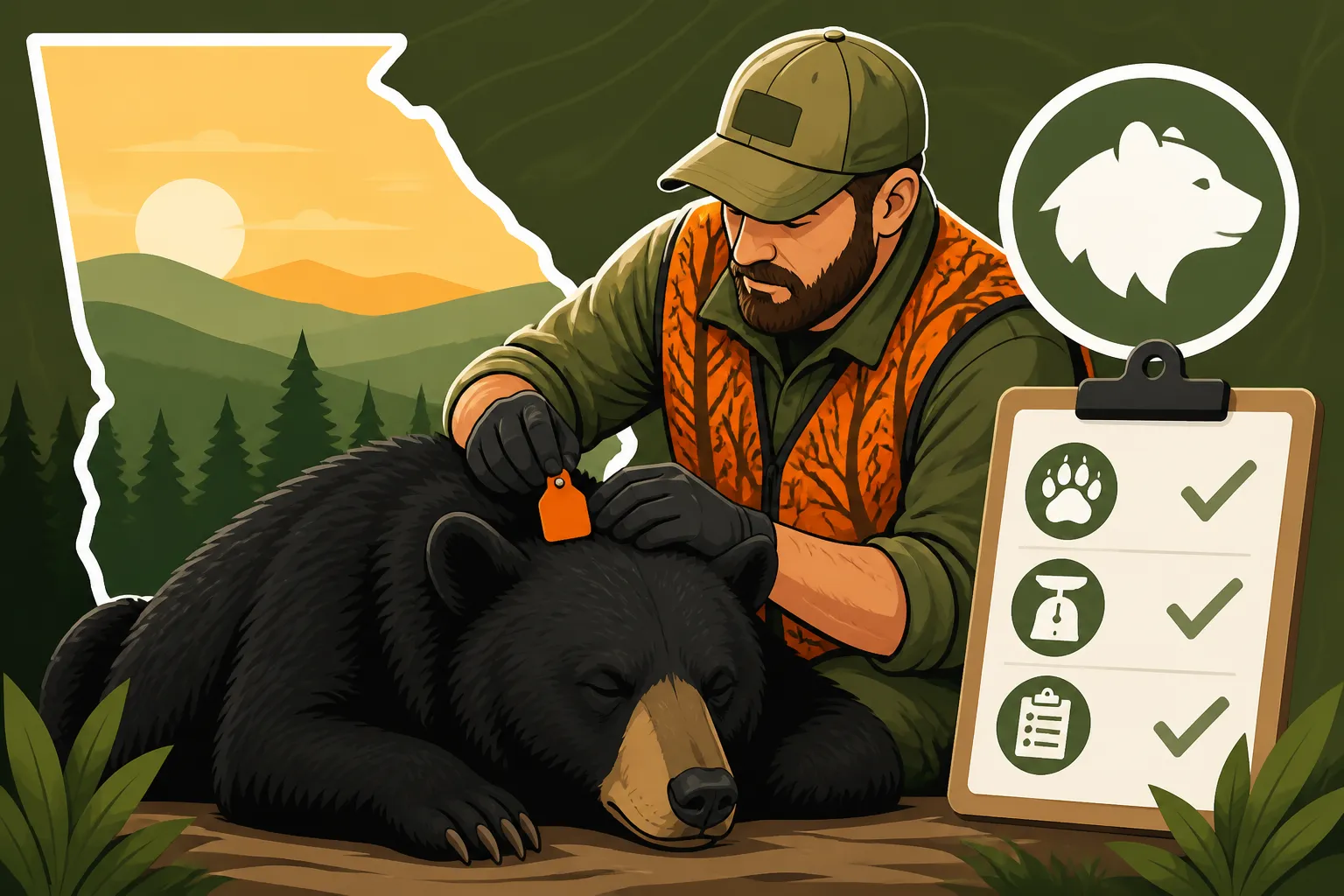
Before you even think about getting online or calling anyone, there are a few things you absolutely must do at the harvest site. First and foremost, you need to immediately attach your bear carcass tag to the animal. This tag, which comes with your Big Game License, must be securely fastened to the bear before you move it from the kill site. Make sure the date of harvest is clearly marked on the tag. The tag essentially identifies you as the legal harvester and links the bear to your license.
It’s also incredibly important not to remove any evidence of sex or species from the bear until it has been legally checked. This means leaving the external genitalia intact. This allows wildlife officials to verify the sex of the animal, which is critical for population data. If you’re planning to get the hide tanned or mounted, you'll want to start the field dressing process carefully to preserve the hide, but always remember to keep the evidence of sex until you've completed the official check-in process. Consider how you're going to handle a bear after the shot to ensure both meat and trophy preservation while staying compliant.
Utilizing Go Outdoors Georgia for Reporting
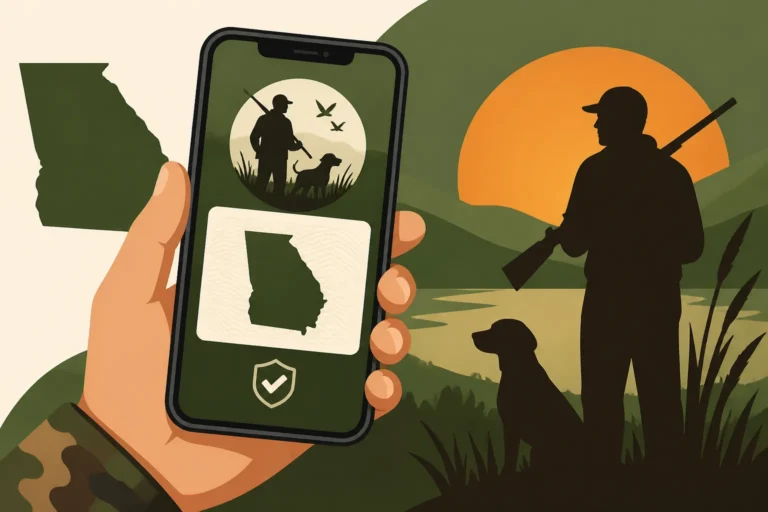
For most hunters, the easiest and most common way to check in a bear is through the Go Outdoors Georgia platform. This can be done online via their website or through the Go Outdoors Georgia mobile app, which is super convenient when you're out in the field and have cell service.
Here’s a general rundown of what you’ll do:
- Access the Platform: Log into your Go Outdoors Georgia account. If you haven't set one up, you'll need to do so first.
- Navigate to Harvest Reporting: Look for the "Harvest Report" or "Game Check" section.
- Select Species: Choose "Bear" from the list of harvested species.
- Enter Information: You'll be prompted to enter several pieces of information:
- Date and Time of Harvest: Be as accurate as possible.
- County of Harvest: This is crucial for local population management.
- Sex of the Bear: Based on your field verification.
- Method of Harvest: (e.g., archery, muzzleloader, modern firearm).
- License Number/Tag Number: This links the harvest to your specific license.
- Weapon Used: (e.g., rifle, bow, crossbow).
- Review and Submit: Double-check all the entered information for accuracy. Once you're sure everything is correct, hit submit.
- Receive Confirmation: You'll usually receive a confirmation number. It's a good idea to write this down, screenshot it, or keep it handy. This number is proof that you've fulfilled your reporting obligation.
Many hunters use mapping apps like those from GoHunt on their phones to track their location and mark harvest sites. These tools can sometimes help you quickly identify the correct county for reporting, especially if you're hunting near a county line. Just make sure whatever app you're using is working for Georgia's specific requirements. This digital method is generally quick and efficient, helping you meet that 24-hour deadline with ease.
Physical Check Stations and DNR Contact
While online reporting is the preferred method, there are times when a physical check station or direct contact with the DNR is necessary or simply makes more sense. This is particularly true if you’re hunting in a remote area with no cell service, or if the DNR has specific requirements for biological sampling during certain seasons or in particular zones.
Georgia does operate designated check stations, especially during bear seasons. These are often located at Wildlife Management Area (WMA) offices or other DNR facilities. You can usually find a list of active check stations and their operating hours in the current hunting regulations or on the Georgia DNR Wildlife Resources Division website. If you're planning to hunt an area like the Altamaha and Okefenokee Bear Zone, where logistics can be challenging, checking for nearby stations beforehand is a smart move.
When taking your bear to a physical check station, you should bring:
- Your Valid Georgia Hunting License: Including your bear carcass tag.
- The Bear: With the carcass tag still attached and evidence of sex intact.
- Any Harvest Information: Date, time, county, etc., just in case.
At the station, a DNR official will verify the information, often take biological samples (like a tooth for aging the bear), and complete the official check-in process. They will issue you a physical confirmation or mark your tag appropriately. In rare situations or if you encounter issues with the online system, contacting a local DNR law enforcement office or biologist can also provide guidance. Their contact information is typically available in the hunting regulations or online.
Common Pitfalls and Troubleshooting Bear Check-In
Even with the best intentions, things can go sideways. Whether it's a dead phone battery or simply forgetting a crucial detail, encountering issues with checking in your bear can be stressful. But don't worry, there are usually solutions.
Dealing with Remote Areas and Lack of Connectivity
One of the biggest frustrations for hunters, especially those exploring public lands in the Chattahoochee-Oconee National Forest or deep swamps, is the lack of cell service. You’ve just shot a bear, you’re on cloud nine, and then you realize your phone is a brick with no signal. This is where planning ahead truly pays off.
Here are a few strategies:
- Write it Down: Always carry a small notepad and pen. As soon as you tag your bear, write down all the required reporting information: date, time, estimated weight, sex, county, weapon used. This way, when you do get to service, you have everything ready to enter.
- Offline Maps: Utilize hunting apps that offer offline map capabilities, such as those from GoHunt. These can help you determine your exact location and county, even without cell service. You can mark your harvest spot, then navigate to an area with signal.
- Designate a Point Person: If you’re hunting with a group, one person might have a better signal in a certain spot, or they might be able to drive out to find service. Establish this plan beforehand.
- Satellite Devices: For truly remote areas, a satellite messenger or phone might be an investment worth considering. Devices like a Garmin inReach allow you to send messages and even check in with the DNR in an emergency, even when off-grid.
- DNR Emergency Numbers: Keep a list of local DNR law enforcement phone numbers printed out or saved in your phone. If you're completely stuck and the 24-hour window is closing, a phone call might be your only option.
Remember, the DNR understands that remote hunting happens, but it doesn't excuse not reporting. Taking proactive steps can save you a lot of headache.
Ensuring Accurate Data Entry
It's easy to rush through online forms, especially after the excitement of a harvest. However, entering incorrect information can lead to problems. The most common errors include:
- Incorrect County: Double-check the county where you harvested the bear. Sometimes county lines are closer than you think. Using a GPS or a mapping app can confirm this.
- Mistaking Sex: While rare with bears, ensuring you correctly identify the sex is important for biological data.
- Wrong Date/Time: Verify the date and approximate time of the harvest.
Always take a moment to review all the information you’ve entered before submitting it. If you realize you've made an error after submission, don't just ignore it. Contact the Georgia DNR Wildlife Resources Division as soon as possible to explain the situation and get it corrected. Transparency is key.
Consequences of Non-Compliance
Georgia takes its game laws seriously, and failure to comply with bear checking requirements is no exception. While enforcement officials understand honest mistakes, deliberately neglecting to report a harvest, or providing false information, can lead to significant consequences. These can include:
- Fines: Monetary penalties can be substantial.
- Loss of Hunting Privileges: Your hunting license could be suspended for a period, preventing you from participating in future hunts.
- Confiscation of Game: The harvested bear could be confiscated.
- Criminal Charges: In severe cases, especially involving poaching or repeated violations, you could face criminal charges.
The goal is to avoid these situations entirely by understanding and following the rules. It's a small task that protects both you and the resource.
Beyond the Check: Post-Harvest Requirements and Best Practices
Once you've successfully navigated the check-in process, whether online or at a physical station, you're not entirely off the hook just yet. There are a few more things to keep in mind to ensure you're fully compliant and making the most of your bear harvest.
What Happens After You Check Your Bear
After you've submitted your harvest report through Go Outdoors Georgia, you'll receive a confirmation number. This number is your proof that you have legally checked your bear. You should retain this number, ideally by writing it down or taking a screenshot, as you might need it for verification later. If you used a physical check station, the DNR official will typically provide you with a paper receipt or stamp your physical tag.
The original carcass tag that you attached to the bear must remain with the bear (or its parts) until it reaches your residence or a processing facility. It serves as legal identification during transport. While CWD is not typically a concern for bears, the Georgia DNR does sometimes collect biological samples from harvested bears, such as a premolar tooth for aging, or tissue samples for health monitoring. This usually happens at physical check stations or during designated collection periods. This data contributes immensely to understanding the health and age structure of Georgia's black bear population.
Preserving Your Bear for Meat and Trophy
Georgia's warm climate means that proper game care, especially for a large animal like a bear, is absolutely essential. As soon as you’ve tagged and reported your bear, focus shifts to preservation. Bear meat is excellent if handled correctly, but it can spoil quickly in warm temperatures.
Here are some tips:
- Cool Quickly: Get the bear field dressed as soon as possible to allow the carcass to cool internally. If you’re in the mountains, hanging the bear overnight in cool air can help, but in warmer parts of the state or during early season hunts, you’ll need to work fast.
- Ice it Down: If temperatures are high, pack the body cavity with ice once it's clean. Transport the bear to a cooler or refrigeration unit without delay. For long drives, a large cooler packed with ice is non-negotiable.
- Skinning: If you plan to have the hide tanned or a rug made, skin the bear carefully. Be mindful of preserving the paws and head if you want them included in a mount. You can find more detailed instructions on hunting Georgia black bear without bait which often touches on field care in different scenarios.
- Processing: Whether you process the meat yourself or take it to a professional, ensure it’s done quickly and hygienically. Bear meat can be used in many delicious ways, from roasts to sausages.
Taking these extra steps ensures that your successful hunt yields not only a memory but also high-quality meat and a lasting trophy.
| Action | Timeline | Method | Key Considerations |
|---|---|---|---|
| Tag Carcass | Immediately after harvest | Attach official carcass tag to bear | Fill in date of kill, keep evidence of sex/species intact. |
| Report Harvest | Within 24 hours of harvest | Go Outdoors Georgia website/app or physical check station | Must provide date, time, county, sex, method. Get confirmation number. |
| Transport Bear | After tagging & reporting | Keep carcass tag attached | Ensure evidence of sex/species remains until it reaches home/processor. |
| Preserve Meat & Hide | Immediately after harvest | Field dress, cool rapidly, skin promptly | Especially critical in warm Georgia weather. Use ice if necessary. Consult a taxidermist if planning a mount. |
| Retain Confirmation | Indefinitely | Screenshot, print, or note confirmation number | Proof of compliance; may be requested by DNR. |
Disclaimer
The information provided in this guide is for informational purposes only and is not a substitute for the official regulations published by the Georgia Department of Natural Resources (DNR). Hunting laws and regulations can change, and it is the hunter's responsibility to consult the most current Georgia Hunting Regulations prior to engaging in any hunting activities. Always refer to the official Georgia DNR website or printed regulations booklet for the most accurate and up-to-date rules.