Georgia Snapping Turtle Harvest Rules
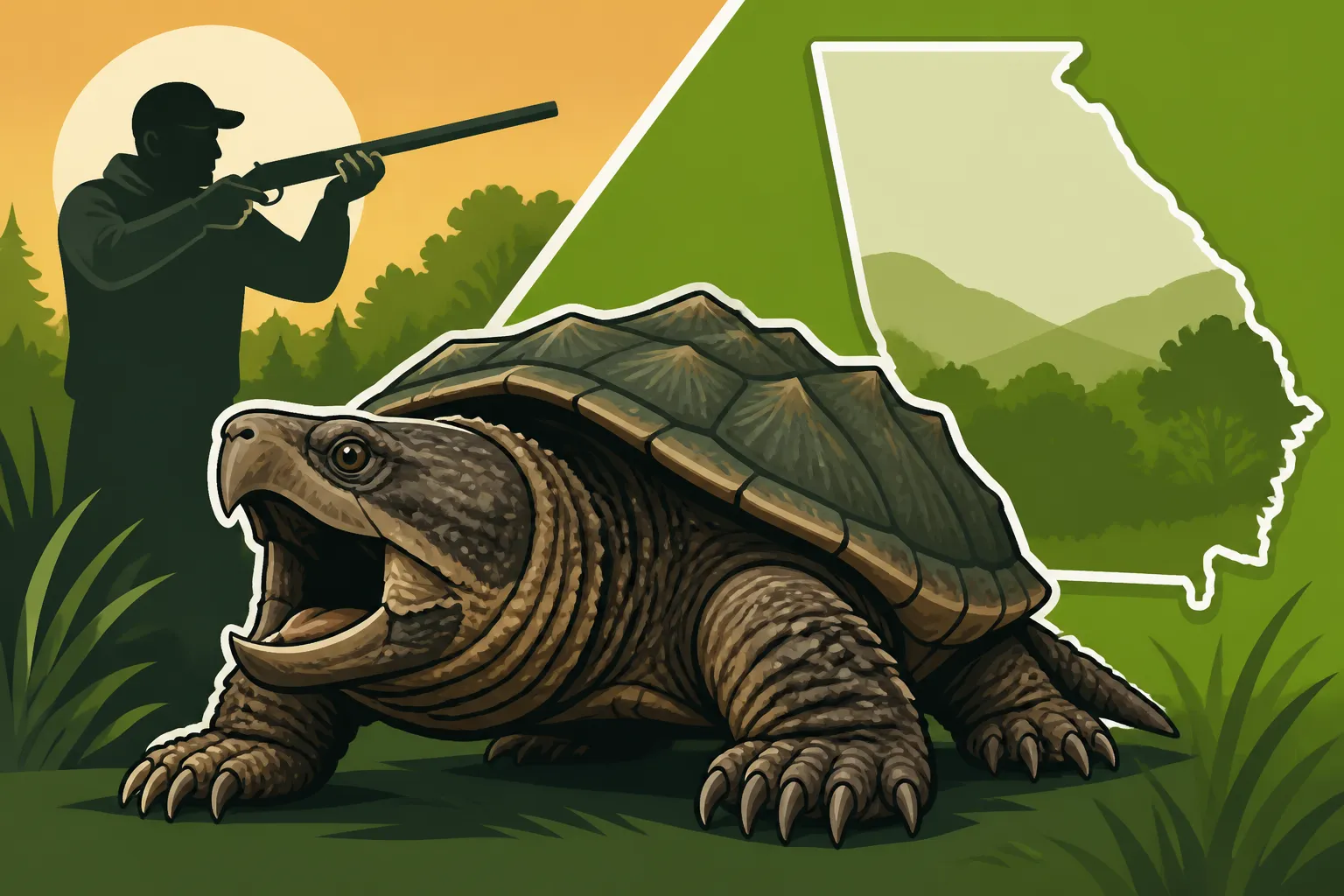
Anyone who's spent time around Georgia's swamps, rivers, or even quiet ponds knows the snapping turtle is a creature of mystery and formidable presence. While often overlooked by hunters focused on deer or turkey, these ancient reptiles represent a unique opportunity for those looking for a different kind of challenge and some truly distinctive table fare. However, if you're thinking about harvesting snapping turtles in the Peach State, you might be feeling a little lost about where to even begin with the rules. The regulations can seem a bit opaque compared to more popular game species, leaving many folks wondering what's legal, what's ethical, and how to avoid running afoul of the law. This comprehensive guide is here to clear up that confusion, diving deep into Georgia's snapping turtle harvest rules so you can pursue them with confidence and respect for the resource.
The Allure of Georgia's Snapping Turtles: Why They're a Prize Catch
There's something uniquely captivating about snapping turtles. Maybe it's their prehistoric appearance, their surprising speed in the water, or the sheer power they exude. For many, they represent a connection to a wilder, older Georgia, and harvesting them offers a chance to engage with that primal aspect of nature. They're also an often-underestimated source of protein, with many people prizing their meat for stews, soups, and fried dishes. It's not every day you get to put a creature like this on the dinner table, making the effort of understanding the rules well worth it.
The Snapping Turtle's Place in Georgia's Ecosystem
Snapping turtles, primarily the common snapping turtle ( Chelydra serpentina), are apex predators in many freshwater ecosystems across Georgia. They play a vital role in keeping populations of fish, amphibians, and even small waterfowl in check. They're opportunists, scavenging and preying on whatever they can catch, making them important parts of the natural clean-up crew in ponds and rivers. Their presence often indicates a healthy aquatic environment, rich in diverse life.
It's this robust presence and their generally stable populations that allow for a regulated harvest in many areas, including Georgia. Unlike some more sensitive species, common snappers are quite adaptable and resilient, thriving in a variety of wetland habitats from the mountain streams to the coastal plain. Understanding their ecological role helps us appreciate why a sustainable harvest is not only permissible but also a tradition for many, providing an alternative food source from the wild.
Culinary Value and Traditional Harvest
Beyond their ecological importance, snapping turtles have a long history of being harvested for food, particularly in the South. Turtle meat is often described as having a unique flavor, sometimes compared to a mix of beef, pork, and chicken, with different parts of the animal offering distinct textures and tastes. The meat is lean and can be incredibly versatile in the kitchen, from slow-cooked stews that tenderize tougher cuts to crispy fried pieces from the tail and legs.
For generations, harvesting turtles has been a way for families to supplement their diets and connect with the land. It's a practice rooted in self-sufficiency and resourcefulness, much like gathering wild berries or fishing for catfish. While it might not be as common as deer hunting, the tradition persists, upheld by those who appreciate the challenge and the culinary rewards. If you're looking to explore this heritage, knowing the specific rules is your first step to a successful and legal harvest.
Navigating Georgia's Snapping Turtle Harvest Regulations
So, you're ready to dive into the world of snapping turtle harvest. Excellent! But before you grab your trotlines or traps, you need to understand the letter of the law. Georgia has specific regulations in place to ensure a sustainable take and to protect certain species. It’s absolutely critical to familiarize yourself with these rules, because ignorance is never an excuse, and violations can lead to hefty fines or worse. The Georgia Department of Natural Resources (DNR) works tirelessly to manage these resources, and adhering to their guidelines is paramount for every responsible outdoorsperson.
Licensing Requirements for Turtle Trapping and Taking
The first thing you need to sort out is your license. In Georgia, if you're planning to harvest snapping turtles, you generally need a valid Georgia hunting license. This isn't usually considered "fishing" in the traditional sense when it comes to trapping or taking turtles, so a hunting license is the appropriate credential. It’s always a good idea to double-check the latest regulations, which can usually be found on the Georgia DNR website, or through resources like the Georgia Hunting Licenses and What They Cost guide.
For those engaging in trapping specifically, there might be additional requirements. If you intend to use traps, particularly those set to take multiple turtles, you often need to possess a Georgia trapping license in addition to your basic hunting license. This distinction is crucial and often overlooked. Make sure you understand if your chosen method falls under general hunting or if it ventures into the realm of regulated trapping, which comes with its own set of rules regarding trap types, tagging, and placement. You can find more specific details on Georgia Trapping License Requirements.
Purchasing and carrying your license is straightforward these days. You can often buy them online through the state's licensing portal or at authorized retailers. Having proof of your license on your person, whether a physical copy or via a digital app like GoHunt, is essential whenever you're afield. This allows you to quickly verify your compliance should a game warden check your activities. Always ensure your license is current and covers the specific activities you plan to undertake.
Legal Harvest Methods and Prohibited Practices
Georgia law permits a few different methods for harvesting snapping turtles, but it's not a free-for-all. Generally, hand capture, dip nets, and specialized turtle traps are among the accepted methods. Traps must often be checked regularly, typically every 24 hours, to prevent unnecessary suffering or waste of the resource. There are also stipulations regarding the type of bait that can be used and how traps must be marked with your identification.
However, just as important as knowing what you can do is knowing what you cannot do. Methods that are considered inhumane or unsporting are strictly prohibited. For instance, using firearms to harvest turtles is generally not allowed, especially in certain areas, due to safety concerns and potential for misidentification of species. Also, methods that might harm other non-target species, or methods that leave turtles to suffer for extended periods, are usually illegal. Always verify the latest specific rules concerning gear and techniques before heading out.
One of the critical prohibitions you must be aware of is the absolute ban on taking alligator snapping turtles. This majestic and much larger species is a protected reptile in Georgia, and harvesting one carries significant penalties. We'll delve deeper into how to distinguish between common and alligator snappers shortly, but for now, remember that misidentification can turn a fun outing into a serious legal problem. Always err on the side of caution if you're unsure about a turtle's identity.
Understanding Size and Possession Limits
Unlike many game fish or mammals, snapping turtles in Georgia often have less stringent daily bag or possession limits, or sometimes none at all for common snappers, reflecting their robust populations. However, this doesn't mean there are no rules. It's still crucial to confirm this with the current year's regulations because things can change. Sometimes, regulations might stipulate a minimum carapace length to ensure that only mature turtles capable of reproducing are harvested. These limits are designed to protect the breeding stock and maintain healthy populations for future generations.
It's also important to understand that while a daily limit might be generous or non-existent for common snappers, there are still ethical considerations. Just because you can take many doesn't mean you should if you don't intend to use them all. Responsible harvesting means taking only what you can reasonably process and consume. Waste is not only disrespectful to the animal but can also reflect poorly on the entire hunting and trapping community.
For any specific size restrictions or possession limits, consult the official Georgia DNR hunting and fishing regulations guide. This document is updated annually and is your definitive source for the most current information. Using a digital platform like the GoHunt app can sometimes provide quick access to these summaries while you're in the field, making it easier to stay compliant with regulations like those detailed in Georgia Snapping Turtle Harvest Rules.
Common Snappers vs. Alligator Snappers: Knowing the Difference
This is arguably the most critical section for anyone considering harvesting snapping turtles in Georgia. The state protects the alligator snapping turtle, meaning it is illegal to harvest, possess, or harm them. Common snapping turtles, on the other hand, are fair game with the proper licenses and adherence to regulations. Mistaking one for the other can lead to severe legal consequences, so knowing how to tell them apart is not just good practice, it's absolutely essential.
Identifying Key Physical Characteristics
Distinguishing between a common snapping turtle and an alligator snapping turtle requires careful observation of several key physical features.
Common Snapping Turtle (Chelydra serpentina)
- Shell: Generally smooth and oval-shaped, though it can have some slight ridging, especially on younger turtles. The top shell (carapace) is typically dark green, brown, or black.
- Head: Relatively small and triangular in shape compared to the size of its body. The eyes are usually on the sides of the head.
- Neck: Often long and thick, allowing the head to reach around surprisingly far.
- Tail: Usually has a series of distinct, sharp, saw-toothed keels or tubercles along its top edge, giving it a somewhat prehistoric look.
- Plastron (bottom shell): Very small and cross-shaped, offering little protection to the sides and legs. This is a very distinctive feature.
- Size: Common snappers are typically smaller than alligator snappers, with carapace lengths usually ranging from 8 to 18 inches and weighing up to 35 pounds, though larger specimens have been found.
Alligator Snapping Turtle (Macrochelys temminckii)
- Shell: Much more rugged, with three prominent, ridged keels (raised rows) running lengthwise down the carapace, giving it a distinctly "alligator-like" or spiked appearance. The shell is often covered in algae, enhancing its camouflaged look.
- Head: Significantly larger and more triangular with a pointed snout and powerful, hooked jaws. The eyes are often positioned more forward and to the sides, almost giving them a perpetually angry or serious expression.
- Neck: Shorter and thicker than the common snapper, often with fleshy, wart-like growths on it.
- Tail: Also keeled, but generally thicker and more robust than the common snapper's tail, without the distinct saw-toothed appearance.
- Plastron (bottom shell): Also small, but generally larger and more robust than that of a common snapper.
- Tongue: Perhaps the most unique feature is a small, pink, worm-like appendage on the floor of its mouth, which it uses as a lure to attract fish. Never attempt to observe this in a live turtle you suspect is an alligator snapper – their bite is incredibly powerful.
- Size: These are much larger, often growing to carapace lengths of 26 inches or more and weighing well over 100 pounds, with some record specimens approaching 200 pounds.
Here’s a quick comparison table to help you keep these distinctions straight:
| Feature | Common Snapping Turtle | Alligator Snapping Turtle |
|---|---|---|
| Carapace (Top Shell) | Generally smooth, sometimes slightly ridged; oval | Three distinct, prominent keels/ridges; rugged, dinosaur-like |
| Head Size | Relatively small, triangular | Very large, triangular, pointed snout |
| Neck | Longer, smoother | Shorter, thicker, often with wart-like growths |
| Tail Keels | Distinct, sharp, saw-toothed tubercles | Thicker, more robust, less distinct saw-tooth |
| Plastron (Bottom Shell) | Very small, cross-shaped | Small, but larger and more robust than common snapper's |
| Tongue Lure | Absent | Present (pink, worm-like lure inside mouth) |
| Average Adult Size | 8-18 inch carapace, up to 35 lbs | Up to 26+ inch carapace, over 100 lbs (can be much larger) |
Habitat Preferences and Geographic Distribution
While both species are found in Georgia's freshwater systems, their preferred habitats and distribution can sometimes offer clues, though this shouldn't be your primary identification method.
Common snapping turtles are widespread across Georgia and are incredibly adaptable. You can find them in almost any freshwater body, from small muddy ponds, ditches, and slow-moving streams to larger rivers and lakes. They tolerate a wide range of water quality and habitat types, making them very common even in developed areas. Their ubiquitous nature means that if you encounter a snapping turtle in a typical pond or creek, it's most likely a common snapper.
Alligator snapping turtles, however, are more particular. They prefer large rivers, bayous, and deep, permanent bodies of water with soft bottoms and abundant aquatic vegetation. They are often found in the larger river systems of south and central Georgia, such as the Altamaha, Ocmulgee, and Flint Rivers, as well as the Okefenokee Swamp region. They are less common in smaller, shallower water bodies and are generally absent from the mountainous regions of North Georgia. If you are specifically targeting large river systems in the southern half of the state, be especially vigilant in your identification. Understanding these regional differences, such as those discussed in Georgia Alligator Zone Preferences, can complement your visual identification skills.
Why Misidentification Can Lead to Serious Trouble
Let's be absolutely clear: harvesting an alligator snapping turtle in Georgia is a serious offense. This species is protected, and state wildlife agencies are committed to their conservation. Penalties for taking a protected species can include significant fines, confiscation of equipment, suspension of hunting and fishing privileges, and even jail time. It’s not a risk worth taking, especially when careful identification can prevent such an outcome.
Imagine you've set a trap, and when you check it, you find a massive, dinosaur-looking turtle. Your first thought might be, "Wow, what a trophy!" But if you haven't taken the time to learn the differences, that "trophy" could easily land you in legal hot water. The ethical hunter, trapper, or outdoors enthusiast always prioritizes the conservation of protected species. When in doubt, let it go. There's no shame in releasing a turtle you can't positively identify as a common snapper. It's far better to be safe than sorry when dealing with Georgia's wildlife laws.
Best Practices for Ethical and Safe Snapping Turtle Harvest
Engaging in the harvest of any wild animal comes with a responsibility to do so ethically, safely, and sustainably. Snapping turtles, with their powerful jaws and defensive nature, require particular care and respect. Following best practices ensures not only your safety but also that you're contributing positively to the resource rather than depleting it.
Setting Traps and Lines Responsibly
If you're using traps or setlines for snapping turtles, proper placement and construction are key. Traps should be sturdy enough to contain the turtle without harming it, and designed to allow other non-target species to escape if possible. Mark your traps clearly with your name, address, and license number as required by law. This is not just for identification by game wardens but also helps prevent others from tampering with your gear. Using an app like GoHunt might allow for digital identification of your trapping locations, which can be useful for remembering where you set them, especially if you're spreading out a few.
Location is also paramount. Set traps in areas where they are unlikely to be tampered with by the public, or pose a hazard to boaters or swimmers. Avoid placing them in high-traffic recreational areas. Also, be mindful of environmental factors; don't place traps where they might interfere with protected habitats or cause undue stress to other wildlife. Always check your traps frequently, as mandated by law (often within a 24-hour period), to ensure any captured turtles are removed promptly and humanely. This reduces stress on the animal and ensures the quality of the meat if you intend to harvest.
Handling and Processing Your Catch Safely
Snapping turtles are well-named. They possess incredibly strong jaws and a lightning-fast strike. A bite from a large snapper can cause severe injury, easily breaking bones. Therefore, handling them safely is absolutely non-negotiable. Always approach a live snapping turtle with extreme caution. Never put your hands near its head or tail. Many experienced trappers use specialized tools, like tongs or sticks, to maneuver them. If you need to handle one, grasp it firmly by the rear of the shell, just above the tail, keeping its head pointed away from you and your body.
Once harvested, processing a snapping turtle is an acquired skill that requires patience and the right tools. The meat needs to be properly butchered, and many choose to bleed out the turtle and then hang it for a period to allow the muscles to relax and enhance flavor. The shell, skin, and internal organs are typically discarded, with care taken to dispose of them responsibly, away from water sources and public view. Learning from an experienced individual or watching reputable online tutorials can be invaluable before attempting this yourself. Proper hygiene is also crucial to prevent foodborne illness, as with any wild game.
Contributing to Sustainable Populations
Ultimately, the goal of any wild harvest is sustainability. By understanding and adhering to Georgia's snapping turtle harvest rules, you are directly contributing to the long-term health of these populations. This means respecting size limits, knowing your species, and only taking what you need. It also means being a steward of the environment by ensuring your activities don't degrade the habitats where these turtles live.
Beyond adhering to the law, consider engaging with conservation efforts. Reporting unusual sightings of alligator snapping turtles to the Georgia DNR can help biologists track their populations. Supporting organizations that work to protect wetland habitats benefits all aquatic species, including common snappers. Every time you check the latest regulations, whether through an official DNR publication or an app like GoHunt, you're investing in the future of Georgia's wild resources. Responsible actions today ensure that future generations will also have the opportunity to experience the unique thrill of harvesting a snapping turtle.
Disclaimer
This article is for general informational purposes only and does not constitute professional advice. Laws, prices and regulations vary by location and change over time. Consult a qualified professional for guidance on your specific situation.