Knocking on Doors in South Georgia Farm Country
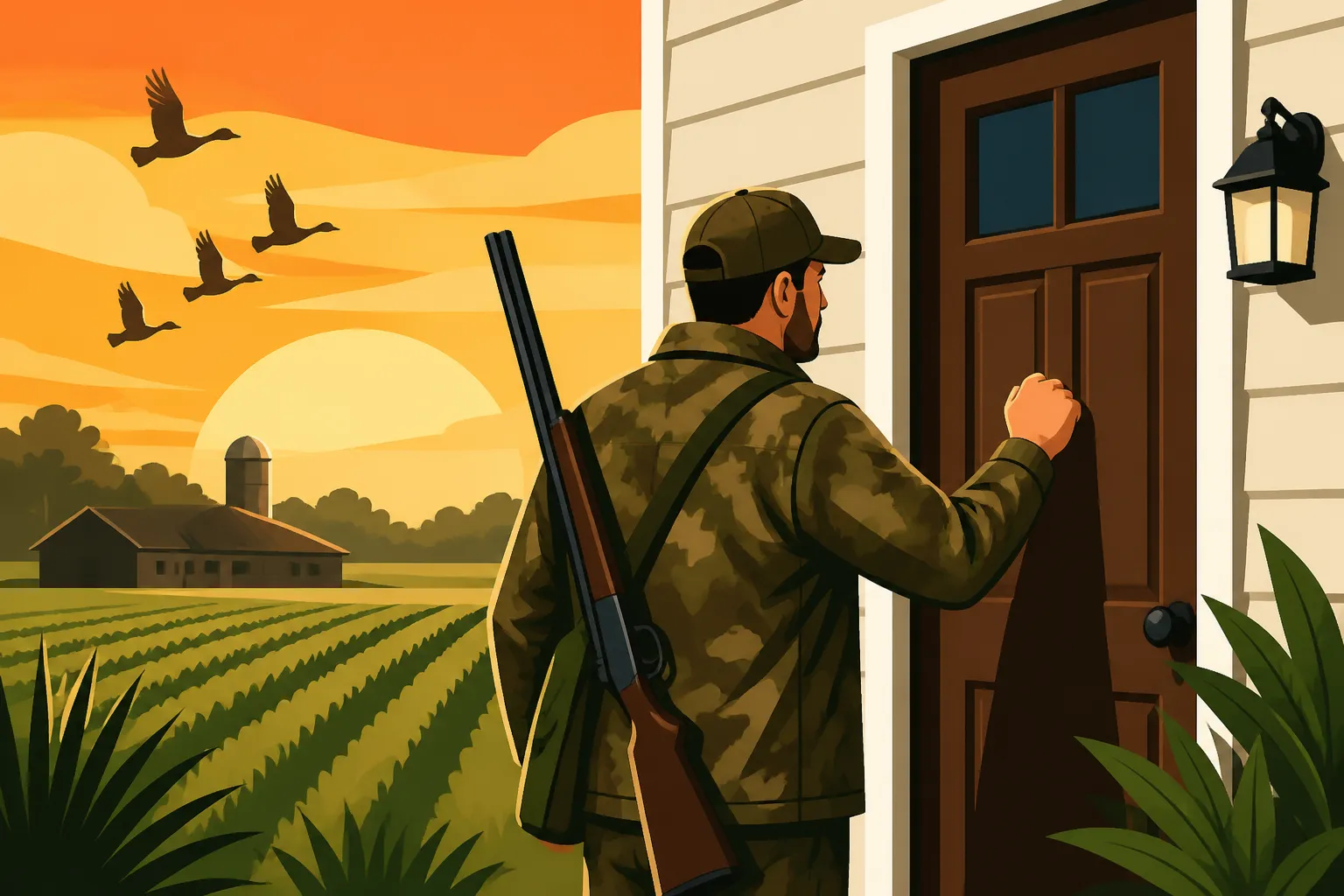
It's no secret that finding quality hunting land in Georgia can feel like an impossible task sometimes. Driving past countless acres of prime looking timber, planted fields, and creek bottoms, you can't help but wonder how anyone gets access. But in the heart of South Georgia's agricultural belt, a tried-and-true method for securing private land permission still thrives: simply knocking on doors. This guide will walk you through the practical steps and etiquette for successfully gaining hunting access this way.
Why South Georgia Farmland Offers Unique Opportunities
South Georgia is a different beast when it comes to habitat and land ownership. Unlike the fragmented parcels of the Piedmont or the vast public lands of the mountains, this region is often characterized by expansive agricultural operations mixed with pine plantations and sprawling river bottomlands. This unique blend creates fantastic wildlife habitat and, often, a pressing need for landowners to manage game populations.
Understanding the Agricultural Landscape and its Appeal to Wildlife
Imagine endless rows of peanuts, cotton, corn, and soybeans stretching to the horizon. These aren't just pretty scenes; they're massive food buffets for deer, hogs, and a variety of small game. When these crops are growing, they provide abundant forage, and after harvest, the leftover stubble, scattered grains, and disturbed ground continue to draw animals in. This creates predictable patterns of movement that hunters can exploit. Deer, in particular, thrive on the nutrient-rich crops, often growing larger body sizes and impressive antlers in this region. This agricultural abundance, combined with pockets of dense cover like mature pine stands or impenetrable swamp edges, offers deer everything they need to flourish. It’s a very different environment than trying your luck while Hunting the Chattahoochee Mountain Ridgelines.
Deer and Feral Hog Pressure as a Landowner Incentive
While seeing a robust deer population might make a hunter's heart flutter, it can be a nightmare for farmers. Deer can cause significant crop damage, reducing yields and impacting livelihoods. Similarly, feral hogs are an absolute plague across much of Georgia, especially in the agricultural south. These destructive animals root up fields, spread disease, and reproduce at an alarming rate. For a farmer, dealing with deer and hogs isn't just a nuisance; it's a financial burden. This is where you, the respectful hunter, come in. Many landowners are actively looking for reliable, responsible individuals to help them manage these populations. Presenting yourself as a solution to their problem, rather than just someone looking for a place to hunt, can be a huge differentiator.
Pre-Approach Homework: Research and Preparation
Before you even think about driving down a dusty farm road, a significant amount of preparation needs to happen. Going in blind or unprepared will dramatically decrease your chances of success. Treat this like a job interview – you want to show you're serious, responsible, and knowledgeable.
Scouting from Afar with Digital Tools
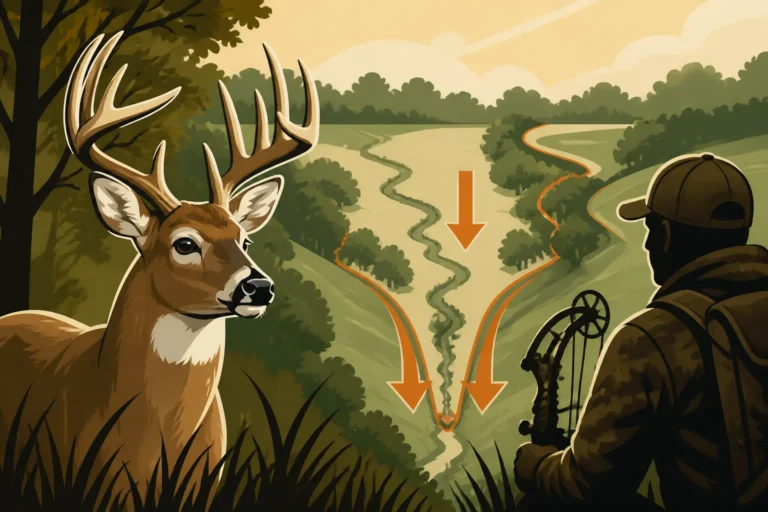
Thanks to modern technology, you can do a tremendous amount of "scouting" from your couch. Satellite imagery on mapping apps is your best friend. Look for properties that have a good mix of agriculture and cover. Are there standing fields adjacent to dense timber blocks? Are there creek bottoms or swampy areas that would provide bedding? Pay attention to pinch points, funnels, and natural travel corridors. You can often see old logging roads or existing field edges that might offer good access points. Services like GoHunt provide detailed property boundary maps, which are invaluable for identifying specific parcels and landowner names. Knowing the lay of the land, even from an aerial perspective, will allow you to speak intelligently about the property when you finally talk to the owner. This initial digital scouting is just as important as the physical scouting you might do before Scouting Georgia Public Land Before Season.
Identifying Landowner Information
Once you've identified a promising parcel, the next step is to figure out who owns it. This information is often public record and can be accessed through county tax assessor websites, often linked through mapping platforms like GoHunt. You'll typically find the owner's name and mailing address. Sometimes, a quick local search or asking around at a hardware store or diner in a small town can also reveal contact information or even insights into the landowner's personality or preferences. It’s important to have this information beforehand because showing up with a name in hand demonstrates respect and seriousness. Remember, not all landowners live on their property, so having their mailing address is key if you decide to send a letter instead of knocking.
Crafting Your Pitch: What to Say and What to Offer
Before you knock, have a clear, concise, and respectful pitch ready. This isn't about bragging about your hunting prowess. It's about demonstrating responsibility and offering a service. Think about what a landowner needs: deer and hog management, respect for their property, and assurance of safety.
- Introduce yourself clearly: State your name, where you're from (generally), and why you're there.
- Acknowledge their property: Compliment their land or operations. "Mr. Johnson, your cornfield looks fantastic this year, and I've noticed a lot of deer activity around the back timber line."
- Offer a solution: "I'm an ethical hunter, and I'm looking for a place to help manage deer and hog populations that might be impacting your crops. I'd be happy to focus on antlerless deer or hogs, if that's a concern for you."
- Highlight your responsibility: Emphasize safety, respect for fences and gates, and adherence to rules. "I understand the importance of your land, and I would treat it as my own, respecting all property lines and gates."
- Be flexible: Offer to hunt specific species, or during certain times. Perhaps they only want hogs gone, or they're concerned about deer during specific growth stages of their crops.
Having a small, neatly printed card with your name, phone number, and a brief statement about your interest can be a nice touch, too. It makes it easy for them to contact you later, even if they're busy at the moment.
The Art of the Knock: Making a Good Impression
This is where the rubber meets the road. It can be intimidating to approach someone's home, but remember, you're offering a mutually beneficial arrangement if approached correctly.
Timing and Demeanor
Choosing the right time to knock is critical. Avoid peak working hours for farmers (early morning or late evening during planting/harvest seasons) or mealtimes. Mid-morning or late afternoon on a weekend, or even a weekday when it's not planting or harvest season, is often best. Look for signs of activity, but don't interrupt a busy operation.
When you approach, dress neatly and casually. No camouflage. Think clean jeans or khakis, a simple shirt, and a friendly, open demeanor. Leave your hunting rig (truck, trailer) parked discreetly, not right in their driveway. Make eye contact, smile, and speak clearly. If they seem busy or preoccupied, politely offer to come back at a better time. "Looks like you're busy right now, I can come back later if that's better?" shows respect for their schedule.
What to Say and How to Listen
Start with your prepared pitch, but be ready to deviate based on their response. The most important skill here is listening. Pay close attention to their concerns, their current situation, and what they might be looking for.
- "My name is [Your Name], and I'm a local hunter. I've admired your property and noticed a lot of deer/hog sign. I was wondering if you ever allow respectful hunters to help manage the wildlife on your land?"
- If they say no, thank them for their time and move on. Don't press or argue.
- If they're open to it, ask open-ended questions: "What kind of issues are you seeing with the deer/hogs?" or "Are there any specific areas you'd like to see hunted?"
- Be ready to discuss specifics: When do you hunt? What weapons do you use (e.g., Crossbow Versus Vertical Bow in Georgia)? How many people would be with you? Would you focus on antlerless deer to help reduce population pressure, as outlined in Filling Ten Antlerless Tags in a Season?
This conversation is a two-way street. They're vetting you, and you're learning about their expectations. If they seem hesitant, offer a trial period, or offer to focus solely on hogs at first. Showing genuine interest in their land and their problems will go a long way.
Addressing Concerns and Setting Expectations
Landowners often have concerns about safety, liability, and respect for their property. Be proactive in addressing these.
- Safety: Explain your commitment to safe hunting practices, including knowing your backstop and adhering to all Georgia hunting regulations. Mentioning that you carry adequate liability insurance can also be a huge plus for some landowners.
- Liability: While Georgia has some landowner liability protections, offering to sign a simple liability waiver can ease their minds.
- Rules: Ask about specific rules: no driving on wet fields, staying out of certain areas, gate protocols, no alcohol, trash policy, guest policy, and harvest reporting procedures. Be explicit about Georgia Trespass and Permission Law and your commitment to respecting all boundaries.
Come prepared to discuss the specifics of hunting, such as how you handle a deer after the shot, especially important in warm weather, as detailed in Field Dressing a Deer in Warm Weather. Discuss things like how you'll enter and exit the property, whether you'll hunt in the Entry Routes Through a Standing Peanut Field or set up on the edge of a Hunting a Standing Soybean Field. Clarifying all these details upfront builds trust and prevents misunderstandings down the road.
Maintaining the Relationship: After You Get Permission
Getting permission is just the first step. The real work is in maintaining a positive, long-term relationship. This is not a one-and-done deal; it's an ongoing partnership built on mutual respect.
Showing Gratitude and Respect
Always, always say thank you. A simple verbal thank you at the time of permission is essential, but following up with a handwritten thank-you note or a small token of appreciation later is even better. This doesn't need to be expensive; a gift certificate to a local restaurant, a box of homemade cookies, or even just a card expressing your gratitude can make a lasting impression. If you harvest game, offering some fresh venison or pork is a fantastic gesture that many landowners genuinely appreciate, especially if you're helping them with management.
Communication and Updates
Keep the lines of communication open. If you're going to hunt, let them know when. If you harvest an animal, inform them promptly. Share photos if they're interested. "Just wanted to let you know I'm heading out this afternoon and will be focusing on the back forty. I'll let you know if I see anything!" This kind of communication builds confidence and shows you're being considerate. It allows them to know who is on their land and when, which is particularly important during busy farm operations. This transparency is crucial. For instance, if you're targeting the peak of the rut, say during Hunting the Rut in Mid-October, let them know your plans.
Going Above and Beyond
Look for ways to be helpful without being intrusive. This doesn't mean becoming their unpaid farmhand, but small gestures can go a long way. If you notice a downed fence, inform them. If you see something out of place or suspicious, let them know. Offering to help with a small task that doesn't take much time, like picking up some trash you noticed on a field edge or closing a gate that might have been left open, shows that you care about their property. This kind of stewardship often turns a temporary permission into a long-term hunting friendship.
Consider offering your services for tasks that directly relate to their game management goals. For example, if they're having trouble with specific nuisance animals, you could offer to help with Feral Hog Hunting Year-Round in Georgia. The more value you can demonstrate beyond just taking an animal, the more indispensable you become.
Here's a quick look at some key takeaways for knocking on doors:
| Aspect | Do's | Don'ts |
|---|---|---|
| Preparation | Research property & owner with tools like GoHunt. Have a clear, respectful pitch ready. | Show up unannounced without knowing who owns the land. Assume you have a right to hunt. |
| Approach | Dress neatly, speak clearly and politely. Choose a respectful time to visit. Smile. | Wear camo. Interrupt them during busy work. Be aggressive or demanding. Bring firearms to the door. |
| Conversation | Listen more than you talk. Address their concerns proactively. Offer solutions (e.g., hog control). | Brag about your hunting skills. Argue or debate. Make promises you can't keep. Assume you know their property better than they do. |
| Follow-up | Send a thank-you note. Offer harvested game. Communicate hunting plans and results. Help with small tasks. | Disappear until next season. Leave trash. Fail to report a harvest if requested. Bring unapproved guests. |
| Long-term Relationship | Be consistent, reliable, and respectful of their property and rules. | Take advantage of their generosity. Treat the land like public property. Break promises. |
The effort you put into building these relationships can pay off for years, providing you with incredible access to Georgia's plentiful wildlife, whether you're hunting deer during the extended Hunting the Extended Southwest Georgia Season or targeting Late-Season Food Sources for Georgia Whitetails. Remember, a hunter with a good reputation is always welcome.
Disclaimer
Hunting is an inherently dangerous activity. Always prioritize safety, understand and follow all local, state, and federal hunting regulations, and obtain proper licenses and permits. The information provided here is for educational purposes only and should not replace professional advice or personal due diligence. Hunting laws and regulations in Georgia, including those around Georgia Hunting Licenses and What They Cost and Georgia Deer Season Structure Explained, can change, so always consult the latest Georgia Department of Natural Resources guidelines before planning any hunt.