Adjusting Turkey Tactics for a Two-Bird Limit
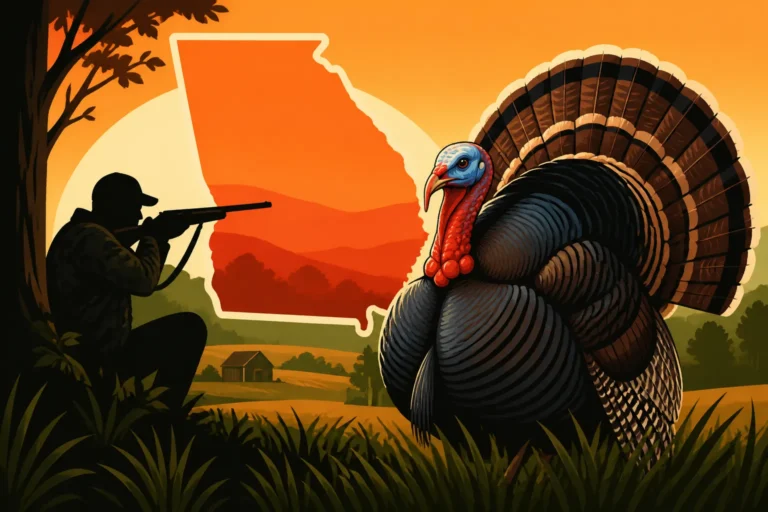
Georgia's change to a two-bird annual limit for wild turkeys has definitely shaken things up for hunters who've grown accustomed to a different system. It creates a unique challenge, forcing us to re-evaluate our strategies and make every gobbler opportunity count. This guide is all about helping you navigate these new regulations, providing practical, real-world tactics to ensure you make the most of your limited tags and still enjoy a successful spring season.
Understanding the "Why" Behind the Two-Bird Limit
For years, many Georgia turkey hunters enjoyed a three-bird annual limit, which felt pretty generous. But if you’ve been following the wild turkey populations, you’ve probably noticed things shifting. The decision to reduce the limit to two birds didn't come out of nowhere; it's a direct response to some significant changes happening within the wild turkey populations across the state and, frankly, much of the Southeast. Understanding the biological and ecological reasoning behind these changes can help us appreciate why our hunting tactics must evolve as well. It’s not just about compliance, but about being responsible stewards of the resource.
Historical Context of Turkey Populations in Georgia
Georgia's wild turkey populations have an incredible conservation success story. Once nearly extirpated from much of their historical range due to unregulated hunting and habitat loss in the early 20th century, turkeys made an astonishing comeback thanks to dedicated trapping and relocation efforts beginning in the 1950s and extending through the latter half of the century. By the 1980s and 90s, turkeys were thriving, expanding into new areas, and hunters enjoyed robust populations. This period of abundance led to fairly liberal bag limits, reflecting the healthy state of the resource.
However, over the last decade or so, wildlife biologists and hunters alike started noticing a trend: declining turkey numbers in many areas. This wasn't just a hunch; data from harvest reports, brood surveys, and hunter success rates began to paint a clearer picture. Factors like habitat changes, increased predation pressure on nests and poults, and even avian diseases have contributed to these declines. The cumulative effect of these pressures means that fewer poults are surviving to adulthood, leading to a reduction in overall turkey density. The Georgia Department of Natural Resources (DNR) monitors these trends closely, and when the data consistently showed a downward trajectory, particularly in poult-to-hen ratios and overall harvest numbers, a change was deemed necessary to help stabilize and ideally, reverse, these declines. The goal wasn't to punish hunters, but to ensure that future generations can still enjoy the thrill of spring turkey hunting. For more insights on the state of the populations, you might want to look into Georgia Turkey Population Trends.
Impact of Reduced Limits on Hunter Behavior
The shift from a three-bird to a two-bird limit has had a palpable impact on how hunters approach the season. For many, the third bird was often seen as a bonus, something to chase if the season had been particularly good or if they had a lot of available land. With only two tags, the stakes feel higher. This often translates to a more cautious approach. Hunters are generally less willing to take marginal shots or chase birds that are acting particularly stubborn, knowing that a missed opportunity or a bird that slips away means one less chance at filling a tag.
It also encourages more strategic planning. Instead of just heading out on opening morning with a general idea, hunters are now thinking more critically about when and where they'll use their tags. Some might hold off on harvesting a bird on public land if they have strong private land prospects later in the season. Others might prioritize getting a bird early to relieve some pressure, then spend the rest of their season being more selective. This change really pushes hunters to hone their scouting skills, understand turkey behavior more deeply, and become more efficient in their calling and setups. It's about quality over quantity, making those two birds truly earned. This shift in hunter behavior is exactly what wildlife managers hoped for, as it naturally reduces overall harvest pressure and gives the turkeys a bit more breathing room to reproduce successfully.
Strategic Planning for Your Two Birds
With Georgia's two-bird limit in place, spring turkey season is less about filling a stringer and more about thoughtful execution. You can't just run-and-gun every morning hoping to stumble into three different gobblers anymore. Now, every decision, from which property you hunt first to how aggressive you are on the call, holds more weight. This new reality demands a strategic mindset, turning each tag into a valuable commodity that requires careful consideration.
Prioritizing Your First Bird
For many hunters, the first bird of the season is as much about breaking the ice and shaking off the rust as it is about putting meat in the freezer. With only two tags, that first bird takes on even greater significance – it's crucial to get it in the bag without burning through all your best spots or spooking every other gobbler in the county. Some hunters prefer to get that first bird early to relieve pressure. This can mean focusing on a known, reliable spot or a particularly hot gobbler that's consistently roosting in the same area. If you have access to private land where birds might be less pressured, that’s often an ideal place to secure your first tag. For instance, a private woodlot where you’ve scouted a few dominant gobblers can be a great place to start, allowing you to be a bit more aggressive with your calling and setup without worrying about competition from other hunters.
Conversely, some hunters might choose to hold off, particularly if they have limited private land access and want to save their private opportunities for later when public land birds are more educated. If you're on public land, getting your first bird might involve a more cautious approach, perhaps focusing on Roost Hunting Georgia Gobblers early in the morning and slipping in quietly before other hunters arrive. The key is to assess your available land, the turkey activity you've scouted, and your personal comfort level. Don't feel pressured to kill the very first bird you hear if you know there are better opportunities waiting. However, don't pass on a clean, ethical shot just because you're holding out for a "trophy" if that means risking not getting any birds at all. It's a balance.
Planning for the Second Bird
Once that first bird is down, the pressure can either increase or decrease, depending on your mindset. For some, it's a relief, allowing them to be more selective and enjoy the rest of the season. For others, it’s a reminder that they only have one tag left. Planning for that second bird requires a different approach, often favoring patience and adaptability. If you harvested your first bird on private land, you might turn your attention to public ground for your second, exploring new areas or focusing on less-pressured pockets. This is where detailed scouting during the off-season, or even during deer season, really pays off. Having a few backup spots in mind, both on private and public land, gives you flexibility.
If you killed your first bird aggressively, consider a more subtle approach for the second. This might involve minimal calling, relying more on silent approaches and strategic setups along known travel corridors. The second bird often comes later in the season when gobblers might be "henned up" or have become call-shy. This is a perfect time to deploy tactics like those discussed in When Georgia Gobblers Go Quiet in May, where patience and understanding late-season behavior are paramount. It might even mean waiting until the mid-day lull when hens are nesting, and lonely gobblers are more apt to come to a call. Don’t be afraid to travel to a different region or even a different type of habitat if your local birds have become too educated. The journey to the second bird can often be the most rewarding part of the season, demanding more skill and perseverance.
Utilizing the Go Outdoors Georgia App
In today's digital age, hunters have powerful tools at their fingertips, and the Go Outdoors Georgia App is one of them. This platform isn't just for buying licenses; it's an invaluable resource for planning your turkey hunts and managing your harvest. For those operating under the two-bird limit, using the app proactively can make a significant difference in your strategic planning.
Firstly, it allows you to easily check the Georgia Spring Turkey Season Rules, including specific dates and any county-specific regulations, ensuring you're always compliant. Knowing the precise opening and closing dates for private and public lands can help you schedule your hunts effectively. For example, the private land opener often precedes the public land opener, giving you a chance to chase birds on familiar territory before the crowds descend on WMAs.
Secondly, and perhaps most crucially for the two-bird limit, the app is where you'll report your harvest. This immediate reporting is mandatory and helps the DNR collect vital data, but for you, it serves as an instant tracker of your remaining tags. There's no guesswork about how many birds you've taken or how many you have left. This clarity helps maintain focus and ensures you don't accidentally over-harvest. You can review your harvest history, and it's also a great way to log your success. Additionally, the app, or its web counterpart, often provides links to WMA maps and information, which can be critical when you're considering Hunting the Georgia Public-Land Turkey Opener for your second bird. Using a tool like GoHunt, which often integrates with state regulations and offers advanced mapping features, can further enhance your ability to scout and plan, letting you mark potential roost sites or high-traffic areas even before you step foot in the woods. This digital preparation is just as important as physical scouting in today's hunting landscape.
Adapting Hunting Tactics for the Reduced Limit
The shift to a two-bird limit isn't just about how many tags you carry; it profoundly impacts the how of your hunting. You can't afford to be reckless or consistently make mistakes when each opportunity is so precious. This means refining your approach, being more deliberate, and sometimes, rethinking the conventional wisdom you've always applied. The goal is to maximize your chances of success while minimizing the risk of educating birds or blowing opportunities.
Aggressive Calling Versus Patience
For many years, especially when turkey numbers were booming, aggressive calling was a go-to tactic. Louder, faster, more frequent calls could often pull a gobbler away from hens or elicit a response from a distant bird. With a reduced bag limit and often more pressured birds, the calculus changes. While there are certainly still times for aggressive calling – particularly on opening day or with a very hot, unpressured gobbler – a more patient, subtle approach can often be more effective for securing those two critical tags.
Consider the scenario: you're sitting on a beautiful spring morning, a gobbler sounds off repeatedly on the roost. Your first instinct might be to hammer him with an excited series of yelps and cutts. However, if he's already henned up or has been worked by other hunters, this aggressive approach could actually push him away. Instead, sometimes a soft tree yelp and then silence, letting him wonder where the hen went, can be more effective. Or, if he flies down with hens, waiting for them to move off before offering a subtle series of clucks and purrs might entice him to leave his real hens for the one he thinks he can't find. This requires immense self-control. It means resisting the urge to overcall and trusting that less can sometimes be more. Paying close attention to the bird's response, or lack thereof, and adjusting your calling volume and cadence accordingly, is key. Think of it as a chess match, not a shouting contest.
Scouting and Roosting Strategies
Effective scouting has always been the cornerstone of successful turkey hunting, but with only two tags, its importance is amplified tenfold. You can't afford to waste precious hunting time on properties that don't hold birds or in areas where you're just guessing. Roosting birds the evening before a hunt is arguably the single most effective scouting tactic for spring gobblers. Knowing exactly where a bird is going to pitch down from the roost gives you an enormous advantage, allowing you to set up well before first light, position yourself strategically, and be ready when he hits the ground.
During the pre-season, use tools like GoHunt or other mapping apps to identify potential roosting areas—tall pines near water, high points on ridges, or mature hardwoods within open bottomlands. Drive backroads at dawn and dusk, listening for gobblers, and make note of where you hear them. Once the season opens, focus your efforts on those known roost sites. For instance, if you're hunting in the North Georgia Mountains, Wind and Thermals on a Mountain Ridge will play a crucial role in how you approach a roosted bird. You'll want to position yourself so your scent doesn't carry to the bird and so you can hear him even in a stiff breeze.
Beyond roosting, look for other signs of turkey activity: tracks in soft dirt, scat, shed feathers, and dusting bowls. Pay attention to strut marks in fields or along logging roads. These tell you where gobblers are spending their time during the day. This intelligence allows you to develop a specific game plan for each hunt, rather than just wandering around hoping to strike a bird. Knowing a bird’s travel patterns from the roost to feeding areas can inform your setup even if you can't get him to come in perfectly to a call. This level of detail in your scouting is what separates successful hunters operating under a limited bag from those who struggle.
Decoy Use Under Pressure
Decoys can be a game-changer in turkey hunting, but their effectiveness can vary significantly based on pressure, time of season, and the specific bird you're working. With only two tags, you need to use decoys strategically, understanding both their strengths and limitations. Early in the season, when gobblers are hot and haven't seen much hunter traffic, a simple hen decoy or a jake/hen combination can often seal the deal, especially if you're on private land or a less-pressured public parcel. The visual appeal combined with your calling can be irresistible. Many hunters find success with a DSD (Dave Smith Decoys) jake and hen combo early in the season, as the realism can really draw in a dominant gobbler.
However, as the season progresses and birds become more educated, or if you're hunting high-pressure public land, decoys can sometimes backfire. A gobbler that has been shot at over a decoy might become wary of them, hanging up out of range or even fleeing. In these situations, less can be more. You might opt for a single, submissive hen decoy, or no decoy at all, relying solely on your calling and setup. When using decoys, always consider Decoy Placement for Pressured Georgia Birds. You want the decoy to be visible but also positioned so that the gobbler must come into your shooting lane to investigate. Quartering-away or broadside presentations are ideal for ethical shots.
On public land, be mindful of other hunters. A decoy can draw in a bird, but it can also draw in an unsuspecting hunter. Safety should always be your top priority. If you do use a decoy on public land, ensure you're wearing plenty of blaze orange when moving, and position yourself carefully. Sometimes, especially when working a bird that's consistently hanging up, setting a decoy 20-30 yards out from your position can be effective, drawing his attention away from your hiding spot and giving you those crucial few seconds for a shot.
Leveraging Different Land Types
The new two-bird limit truly highlights the differences between hunting various land types in Georgia. If you're fortunate enough to have access to both private and public land, you're in a much better position to strategize how to fill those two tags effectively. Each type of land presents its own set of advantages and challenges, and understanding how to leverage them can make all the difference in your spring season success. It’s not just about finding a bird; it’s about where and when you find it.
Public Land Considerations
Hunting public land in Georgia for turkeys is a mixed bag, to be honest. On one hand, areas like the Chattahoochee-Oconee National Forest or various Wildlife Management Areas (WMAs) offer vast expanses of beautiful, wild country, and the thrill of earning a bird on public ground is incredibly satisfying. You'll find good turkey populations in many WMAs, especially those managed with a focus on upland habitats. For details on accessing these areas, check out Hunting the Georgia Public-Land Turkey Opener. However, public land often comes with significant hunting pressure, especially during opening week and on weekends. This pressure can make gobblers call-shy, force them to change their patterns, and make them generally harder to hunt.
When planning your public land hunts for your two tags, consider these tactics:
- Early Season Avoidance (or Deep Dive): If you can, avoid the absolute peak pressure days, like the opening weekend, especially if you have private land options. If public land is your only option, plan to hike deep into areas others won't bother with. This is where fitness and knowing how to Scouting Georgia Public Land Before Season truly pays off. Use mapping apps like GoHunt to find remote creek bottoms, forgotten ridges, or dense thickets far from road access.
- Mid-Week Advantage: Public land pressure typically drops significantly during the weekdays. If your schedule allows, hunting Monday through Friday can drastically increase your chances of finding less-pressured birds.
- Patience and Subtlety: On public land, gobblers often hear a lot of aggressive calling. A softer, more patient approach with minimal calling can sometimes be the ticket. Don't be afraid to sit silently for extended periods in a good travel corridor or near a known roost, waiting for a bird to simply pass by.
- Focus on Specific WMAs: Some WMAs might have lower turkey populations but also lower hunter numbers, creating a more favorable hunter-to-bird ratio. Research specific WMAs and their turkey reports before committing your time.
- Using a Ground Blind on Georgia Public Land: This can be a great tactic, especially if you anticipate having to wait out a wary gobbler that hangs up just out of range. A blind offers concealment and allows for subtle movements, which is key for pressured birds.
Remember, success on public land often requires more effort, more patience, and a willingness to adapt on the fly.
Private Land Advantages
Private land, whether it's your own property, a friend's farm, or a leased hunting tract, usually offers a significant advantage under a two-bird limit. The biggest benefit is reduced hunting pressure. This typically translates to gobblers that are less wary, more responsive to calling, and generally more predictable in their patterns. This is where you can often be a bit more aggressive with your calling and setup, especially earlier in the season.
Key advantages and tactics for private land:
- First Bird Opportunity: Many hunters choose to fill their first tag on private land. This relieves the pressure of having a tag in hand and allows you to enjoy the rest of the season. Private land often provides a more controlled environment where you can minimize variables.
- Consistency and Patterning: On private land, you can scout extensively and consistently. You can learn specific roost trees, travel routes, and feeding areas without worrying about other hunters disturbing the patterns. This allows you to set up precisely where you know a bird is likely to be.
- Aggressive Tactics: Early in the season, on private land with minimal pressure, you can often get away with more aggressive calling. A shock gobble, a series of excited cutts, or a jake/hen decoy setup can be incredibly effective at drawing in a dominant gobbler that hasn't been pressured yet.
- Flexibility: Private land allows for more flexibility in your setup, from building brush blinds to strategically placing treestands if you're waiting on a specific pattern. You also have the freedom to hunt later in the day without as much concern for other hunters moving in. For those with access to farm country, Hunting Piedmont Farmland Deer often overlaps with prime turkey habitat, giving you year-round scouting opportunities.
- Strategic Decoy Use: On private land, you can utilize more elaborate decoy spreads or realistic models, like those from Avian-X or Primos, without the same safety concerns as public land. This can be especially effective for those stubborn gobblers that hang up just out of range.
While private land can make filling those two tags easier, it's still crucial to be ethical and respectful of the resource. Don't over-harvest or chase birds unnecessarily. Manage your property to ensure a healthy turkey population for years to come.
Combining Public and Private Efforts
The most effective strategy for the two-bird limit in Georgia often involves a smart combination of public and private land hunting. Think of it as a diversified portfolio for your tags. This hybrid approach allows you to leverage the strengths of each land type while mitigating their weaknesses.
Here’s how to approach it:
- Private Land First, Public Land Second: A common and often highly successful strategy is to aim for your first bird on private land early in the season. This typically offers higher success rates due to less pressure, allowing you to secure one tag relatively quickly and reduce the overall pressure you feel. Once that first bird is down, you can then turn your attention to public lands. This approach makes the public land hunting more enjoyable, as you’re no longer desperate for a bird, but rather hunting for the challenge and experience. This strategy might involve Hunting the Private-Land Turkey Opener in March on your lease, and then shifting your focus to a WMA during April's public land opener.
- Public Land Scouting, Private Land Execution: Even if you primarily hunt private land, scouting public land can sometimes provide valuable insights into general turkey behavior or migration patterns in the broader region. You might learn about new calling techniques or understand how local weather patterns are affecting gobblers.
- Utilizing Off-Peak Times on Public Land: If you're on a multi-day hunt and have filled a private land tag, dedicate the mid-week days to public land. Gobblers on WMAs are often more active and responsive outside of the weekend rush. This also applies to mid-day hunts; Turkey Tactics for Piedmont Field Edges might apply perfectly to a public land field that sees less traffic during the quieter hours.
- Adapting to Success or Failure: If you have an incredibly successful private land hunt and fill both tags quickly, fantastic! If private land proves tougher than expected, then you have public land as a backup, forcing you to switch tactics and perhaps become more patient.
This blended strategy maximizes your opportunities while allowing you to adapt to the fluid nature of turkey season. It demands flexibility, good planning, and an understanding that every hunt is a learning experience. Using detailed scouting reports, like those available on platforms like GoHunt, can help you identify high-potential public land areas to complement your private land efforts.
| Tactic/Area | Private Land (1st Bird Focus) | Public Land (2nd Bird Focus) |
|---|---|---|
| Pressure | Low to Moderate | High, especially early season/weekends |
| Calling Strategy | Can be aggressive early, then adapt | More subtle and patient usually better |
| Decoy Use | Often highly effective, realistic spreads | Use cautiously, consider single hen or no decoy |
| Scouting | Consistent pre-season and in-season access | Extensive pre-season scouting is critical |
| Timing | Often early season, can hunt any time | Mid-week, mid-day, or deep into less accessible areas |
| Likelihood of Tag | Higher, especially if birds are unpressured | Requires more effort, patience, and adaptive strategies |
| Flexibility | High, more control over environment | Lower, must adapt to other hunters and educated birds |
Mid-Season Adjustments and Patience
As the initial excitement of opening week fades and the season progresses, turkey hunting in Georgia can shift dramatically. The gobblers you heard hammering every morning might suddenly go quiet, or become incredibly difficult to call in. This mid-season lull, often extending into late April and early May, is a common challenge for hunters, and it’s even more pronounced with a two-bird limit. This phase demands patience, an understanding of changing turkey behavior, and a willingness to adjust your tactics.
Dealing with Gobblers Going Quiet
It’s a frustrating scenario: one day, the woods are alive with gobblers, and the next, silence. When Georgia gobblers go quiet, it's usually for a few key reasons, and understanding them is the first step to adapting. Often, the peak breeding activity is starting to subside, and many hens are actively nesting. This means gobblers are frequently "henned up" – spending their days with real hens and having little interest in your calls. Why would they leave a real hen for a fake one? Other times, they’ve simply been pressured heavily, heard every call in the book, and are now highly educated and wary.
When this happens, aggressive calling is often counterproductive. Instead, try these adjustments:
- Become a Listener and Watcher: Spend more time listening for subtle sounds – soft clucks, purrs, or even just the tell-tale rustle of leaves as a turkey moves. Use binoculars to glass fields, food plots, and open timber edges. You might spot a gobbler strutting silently.
- The "Run-and-Gun" Paradox: While some might advise running and gunning to find a new bird, remember that each set-up on public land risks spooking birds. If you're going to move, do it quietly and strategically. Don't just blast calls into empty woods. Focus on known travel corridors or transition areas. Check out Run-and-Gun Turkey Tactics on Public Land for some nuanced approaches.
- Less is More Calling: Scale back your calling significantly. Offer a few soft tree yelps at dawn, then shut up. Let the silence work for you. Later in the morning, offer a few soft clucks and purrs, mimicking a contented hen. The goal is to pique a gobbler's curiosity, not scare him off.
- Patience is a Virtue: If you know birds are in an area, sit longer. Often, a gobbler will come in silently, especially later in the morning when hens might leave him alone to go to their nests. Set up against a sturdy tree, like a Setting Up Against a Big Pine, and be prepared for a long wait.
The key here is not to give up, but to shift from a "call to them" mentality to a "let them come to you" approach. The quieter a gobbler is, the more likely he is to show up without making a sound.
Late-Season Strategy for Remaining Tags
If you're still holding a tag or two as the season winds down in late April and early May, you're officially in the late-season grind. This can be some of the toughest turkey hunting, but it also offers unique opportunities if you're persistent and adaptable. The woods are greening up, visibility might be reduced, and the remaining gobblers have likely survived weeks of hunting pressure.
Here's how to adjust your strategy for those final tags:
- Focus on Lonely Gobblers: By late season, most hens are on nests. This means gobblers, especially two-year-olds and some older birds, are often lonely and actively seeking company. They might be more receptive to calling than earlier in the season. Your calls might now be exactly what they're looking for. This is when understanding When Georgia Gobblers Go Quiet in May becomes paramount, as the quietness often signifies this shift.
- Mid-Day Hustle: Don't sleep in! But also, don't quit at 9 AM. The mid-day hours, roughly 10 AM to 2 PM, can be surprisingly productive. Hens are often off their nests to feed or drink, leaving gobblers by themselves. These lonely gobblers are much more likely to roam and respond to calls.
- Pattern Travel Routes: Gobblers, especially older ones, often have predictable travel routes between roosting areas, feeding grounds, and strut zones. If you’ve been scouting these patterns, setting up along a well-used logging road, a field edge, or a creek bottom can intercept a silent gobbler.
- Patience and Persistence: This is not the time for fast and furious action. Be prepared for long sits and minimal interaction. You might only get one gobble all morning, or none at all, before a bird silently slips into range. Persistence is crucial; the hunter who stays in the woods when others have given up often finds success.
- Weather Watch: Pay close attention to weather fronts. A sudden cold snap or a break in a rainy spell can sometimes trigger a burst of renewed gobbling activity, even late in the season. Be ready to capitalize on these brief windows of opportunity.
Ultimately, securing your second bird under the new limit in the late season is a testament to your dedication and willingness to adapt. It requires a deeper understanding of turkey behavior and a commitment to smart, patient hunting.
Disclaimer
Hunting is an inherently dangerous activity. Always prioritize safety, follow all Georgia Department of Natural Resources (DNR) regulations, and obtain appropriate licenses and permits before hunting. This guide is for informational purposes only and does not supersede official hunting regulations or safety guidelines. Be aware of your surroundings, know your target and what is beyond it, and always handle firearms and bows responsibly.