Cold-Weather Sitting Strategy in a Georgia January
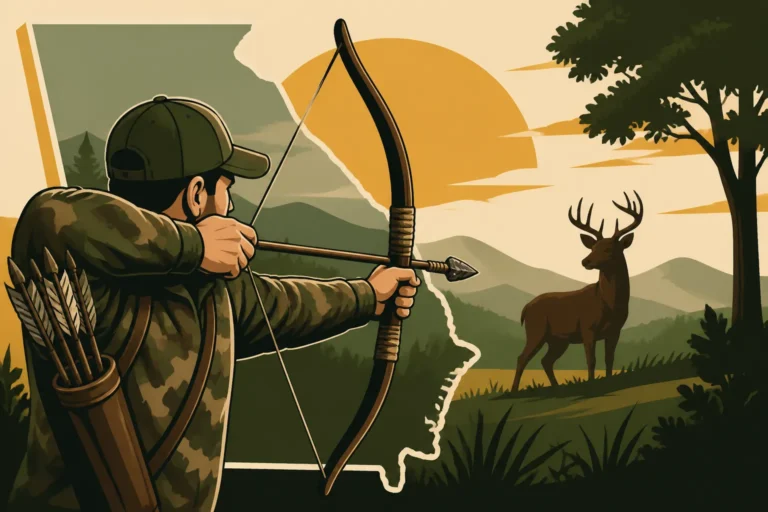
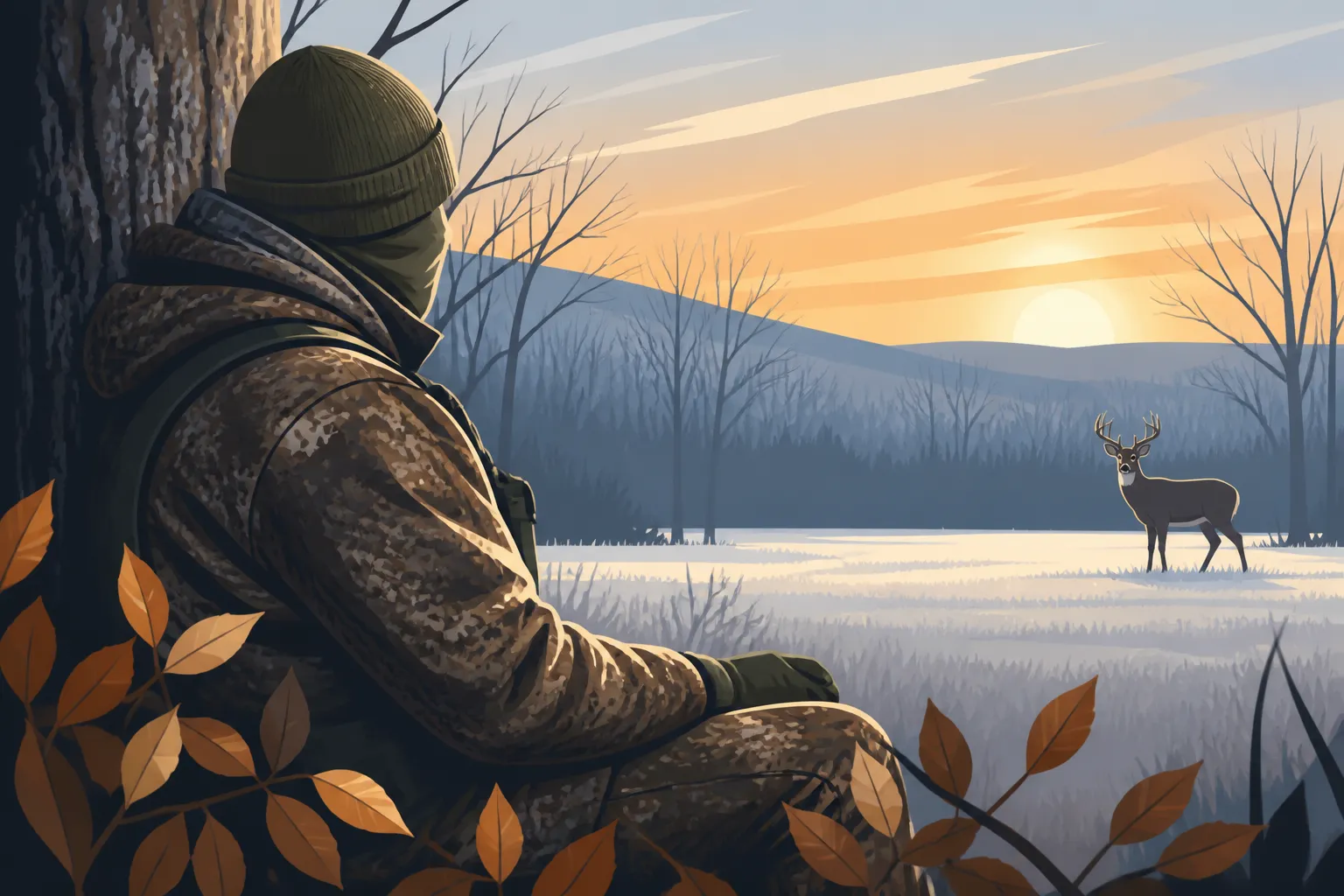
There’s nothing quite like the crisp air of a Georgia January morning, but when you’re perched in a treestand before dawn, that crispness can quickly turn into a bone-chilling cold. Many hunters pack it in early, missing out on crucial late-season deer movement simply because they can’t stand the cold. This guide will walk you through proven strategies to stay warm, comfortable, and effective during those frigid late-season sits, ensuring you maximize your chances of success.
Understanding Georgia's January Weather Patterns
January in Georgia can be a real mixed bag. It's often one of the coldest months, and understanding these patterns is key to planning your hunts and staying comfortable. You might think "Georgia cold" isn't that cold, but sitting perfectly still in 20-degree weather with a biting wind will test even the most seasoned hunter.
Typical Temperatures and Fluctuations
While South Georgia might see average daytime highs in the low to mid-50s, mornings can easily dip into the 20s or even teens. Up in the North Georgia mountains, it's a different beast entirely, with temperatures often staying below freezing for much of the day. The critical thing to remember is the wide fluctuation. A sunny afternoon can feel downright pleasant, lulling you into a false sense of security, only for the mercury to plummet once the sun dips below the horizon. This makes layering absolutely crucial, as you'll need to adapt to changing conditions throughout your sit.
Beyond the temperature, consider the humidity. Even on colder days, Georgia's inherent humidity can make the cold feel more penetrating. That damp chill can seep into your bones faster than dry cold, making effective insulation and moisture-wicking layers even more important. Understanding these local nuances helps you prepare beyond just looking at a number on a thermometer. It's not just how cold, but how it feels.
Impact of Cold Fronts and Precipitation
A strong cold front rolling through Georgia in January can be a deer hunter's dream – often leading to increased deer movement as animals feed heavily before or after the front. However, these fronts also bring plummeting temperatures, sometimes accompanied by sleet, freezing rain, or even a rare snowfall, particularly in the northern counties. If you're out during one of these events, your cold-weather strategy needs to be top-notch.
Precipitation, whether it's freezing rain or just a steady drizzle, will rapidly strip your body heat if your outer layers aren't up to snuff. Being wet and cold is a recipe for an early exit from the woods and potentially dangerous hypothermia. Always check the forecast meticulously. If there's any chance of wet weather, ensure your gear includes truly waterproof outer shells, not just water-resistant ones. This preparedness is essential for anyone tackling Hunting Deer After a Georgia Cold Front. Furthermore, a strong wind accompanying a cold front will compound the effects, making a 30-degree morning feel like it's in the teens. Windproof layers are just as vital as waterproof ones.
Strategic Gear for Late-Season Comfort
Your gear is your first line of defense against the cold. Skimping here isn't just uncomfortable; it can ruin your hunt and even put your safety at risk. Thinking strategically about what you wear and bring can mean the difference between lasting all day and calling it quits before lunch.
Layering Systems for Static Hunting
The cornerstone of cold-weather hunting is an effective layering system. It's not about one big, bulky coat; it's about multiple, adaptable layers that trap warm air and allow you to regulate your temperature. You'll likely generate some heat walking to your stand, so being able to shed a layer or two and then add them back once you're settled is paramount. For a deeper dive into foundational layering, consider this guide on Lightweight Layering for Warm-Weather Sits, as the principles of moisture-wicking base layers still apply, even when you're adding much more insulation.
Start with a good base layer. This should be made of moisture-wicking material like merino wool or synthetic fabrics, not cotton. Cotton absorbs sweat and holds it against your skin, making you cold. A mid-weight or heavy-weight base layer will provide the most benefit for static January sits. Next, add insulating mid-layers. Fleece jackets, down vests, or synthetic puffy jackets are excellent choices. These layers are designed to trap air, providing warmth without excessive bulk. Finally, your outer layer needs to be windproof, waterproof, and durable. A good insulated hunting jacket and bibs or pants designed for extreme cold will protect you from the elements and keep your trapped warmth from escaping.
Essential Accessories for Extreme Cold
Beyond your core clothing, several accessories can dramatically improve your comfort. Neglecting these seemingly small items is a common mistake that leads to discomfort. A good quality knit hat or a balaclava is non-negotiable, as you lose a significant amount of heat through your head. Hand warmth is also critical. Thin gloves for dexterity, combined with a heavy, insulated pair of mittens (or a hand-muff with hand warmers inside), will keep your fingers functional and warm. Brands like Sitka Gear and Kuiu offer excellent cold-weather options designed for static hunting.
And let's not forget your feet! Cold feet are a miserable experience. Invest in high-quality wool socks, and consider layering two pairs if your boots allow for it without cutting off circulation. Your boots themselves need to be insulated, waterproof, and sized to allow for thick socks and good blood flow. For advice on specific footwear, check out our insights on Insulated Boots for a Georgia January. If you're walking through a lot of wet ground, particularly in river bottoms, having a pair of Rubber Boots for Swamp Walking that are also insulated is a game-changer. Chemical hand and foot warmers are also a hunter's best friend. Stick them to your base layers on your chest or back, or place them in your pockets, gloves, or boots for hours of supplemental warmth.
Tactical Considerations for Cold-Weather Success
Beyond just wearing the right gear, adjusting your hunting tactics to account for the cold and late season conditions can significantly boost your success rate. Deer behavior changes in January, and your approach needs to change with it.
Stand Location Adjustments for January Deer
In January, deer are primarily focused on two things: food and thermal cover. The rut is largely over in most parts of the state, though some areas might experience a Hunting the Late-Season January Rut Lull with a few does coming back into estrus. However, the dominant force is survival through the winter. This means you should prioritize stand locations near reliable Late-Season Food Sources for Georgia Whitetails. Think about standing crops like soybeans or corn that might still be available, or areas with persistent acorns if the fall mast crop was good. Cut-overs and thick pine plantations can also offer crucial browse during this time.
Additionally, seek out areas that offer thermal cover, especially on windy days. Thick pine thickets, dense cedar groves, and south-facing slopes that catch the most sun can be preferred bedding areas. A deep creek bottom or a dense funnel between two swamps, as discussed in Hunting a Funnel Between Two Swamps, might offer more protection from the wind. Using a reliable mapping application like GoHunt can help you identify these features from satellite imagery, allowing you to scout potential locations without disturbing the area. Look for dense pockets of cover, especially those with good southern exposure. These spots will hold deer, particularly after a harsh cold front.
Managing Your Time and Movement in the Cold
Sitting still for hours in freezing temperatures is tough, but sometimes it's what's required for success. However, you don't want to get so cold that you're shaking uncontrollably or lose focus. Plan shorter sits if necessary, especially when you're just starting out or if the conditions are particularly brutal. It's better to have a productive three-hour sit than a miserable six-hour sit where you're constantly fidgeting or shivering.
During prolonged sits, small, controlled movements can help maintain circulation without spooking deer. Gently flex your fingers and toes, roll your shoulders, or shift your weight. Standing up occasionally, if your stand allows and the coast is clear, can also help blood flow. Remember, the Georgia Statewide Firearms Season Dates often run well into January, giving you ample time, but also challenging conditions. For public land hunters, this is where a tool like GoHunt can be invaluable for pinpointing specific features on WMA maps or national forest sections where you might find less pressured deer seeking refuge and food. Even a well-placed ground blind can offer much more warmth and cover than an open treestand, especially if you can brush it in effectively.
Staying Fed and Hydrated in the Chill
Your internal furnace needs fuel to burn, and that's even more true in cold weather. What you eat and drink can significantly impact your ability to stay warm and alert.
Fueling Your Body for Warmth
Think of your body as a high-performance engine; it needs quality fuel to run efficiently, especially when it's trying to generate heat. Before you head out, have a substantial breakfast rich in fats and complex carbohydrates. Oatmeal with nuts, eggs, and bacon is a fantastic choice that provides sustained energy release. Avoid sugary, simple carbs that will give you a quick spike followed by a crash.
During your sit, bring along snacks that are calorie-dense and easy to eat quietly. Nuts, trail mix, jerky, cheese sticks, and protein bars are excellent choices. They provide essential energy without requiring a lot of fuss or noise. Don't underestimate the power of a warm drink, either. A thermos full of coffee, hot chocolate, or soup can be a moral booster and a great way to warm up from the inside out. Just be mindful of fluid intake versus bladder control, as getting down from a stand in the cold for a bathroom break is always a tactical challenge.
The Importance of Hydration
It might seem counterintuitive to focus on hydration in cold weather, but it’s just as important as in summer. Dehydration can impair your body’s ability to regulate temperature, making you more susceptible to the cold. While you might not feel as thirsty as you do in August, your body is still losing fluids through respiration, especially in dry, cold air.
Bring a water bottle or a hydration bladder, ensuring it’s insulated to prevent freezing. Room temperature water is fine; you don’t need it ice-cold. If you’re bringing a hot beverage in a thermos, consider bringing plain water separately to ensure adequate hydration. Staying hydrated will help your circulatory system work efficiently, distributing warmth throughout your body and keeping you mentally sharp for when that late-season buck finally steps out.
Table: Cold Weather Layering System Overview
Here's a quick breakdown of a proven layering system for static cold-weather hunting:
| Layer Type | Material Examples | Primary Function | Key Considerations |
|---|---|---|---|
| Base Layer | Merino wool, Synthetic | Wicks moisture, provides initial insulation | Avoid cotton; snug fit but not restrictive |
| Mid Layer | Fleece, Down, Synthetic | Traps body heat, adds warmth | Multiple thin layers are better than one thick one; zippered for ventilation |
| Outer Layer | Insulated shell | Windproof, waterproof, durable, holds insulation | Needs to be quiet; consider bibs for extra core warmth |
| Accessories | Wool hat, Mittens, Insulated boots | Prevents heat loss from extremities, comfort | Hand warmers are a game changer; choose socks wisely |
This structured approach to layering, combined with smart gear choices and tactical adjustments, will make those long January sits in Georgia much more enjoyable and, most importantly, more productive. Don't let the cold be the reason you miss out on a late-season trophy or some delicious venison.
Disclaimer
Hunting is an inherently dangerous activity. Always prioritize safety, understand and adhere to all local, state, and federal hunting regulations, and ensure you have the proper licenses and permits before heading into the field. The information provided in this guide is for informational purposes only and should not replace professional instruction or local wildlife agency guidelines.