Hunting Coastal Georgia Marsh Waterfowl
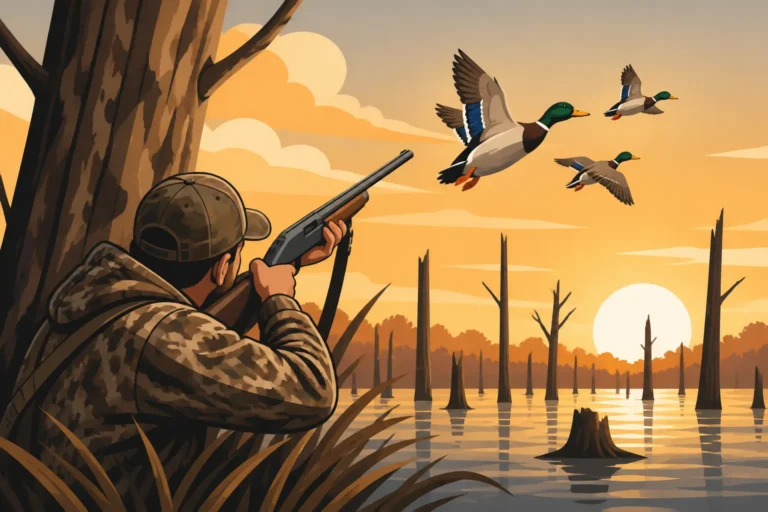
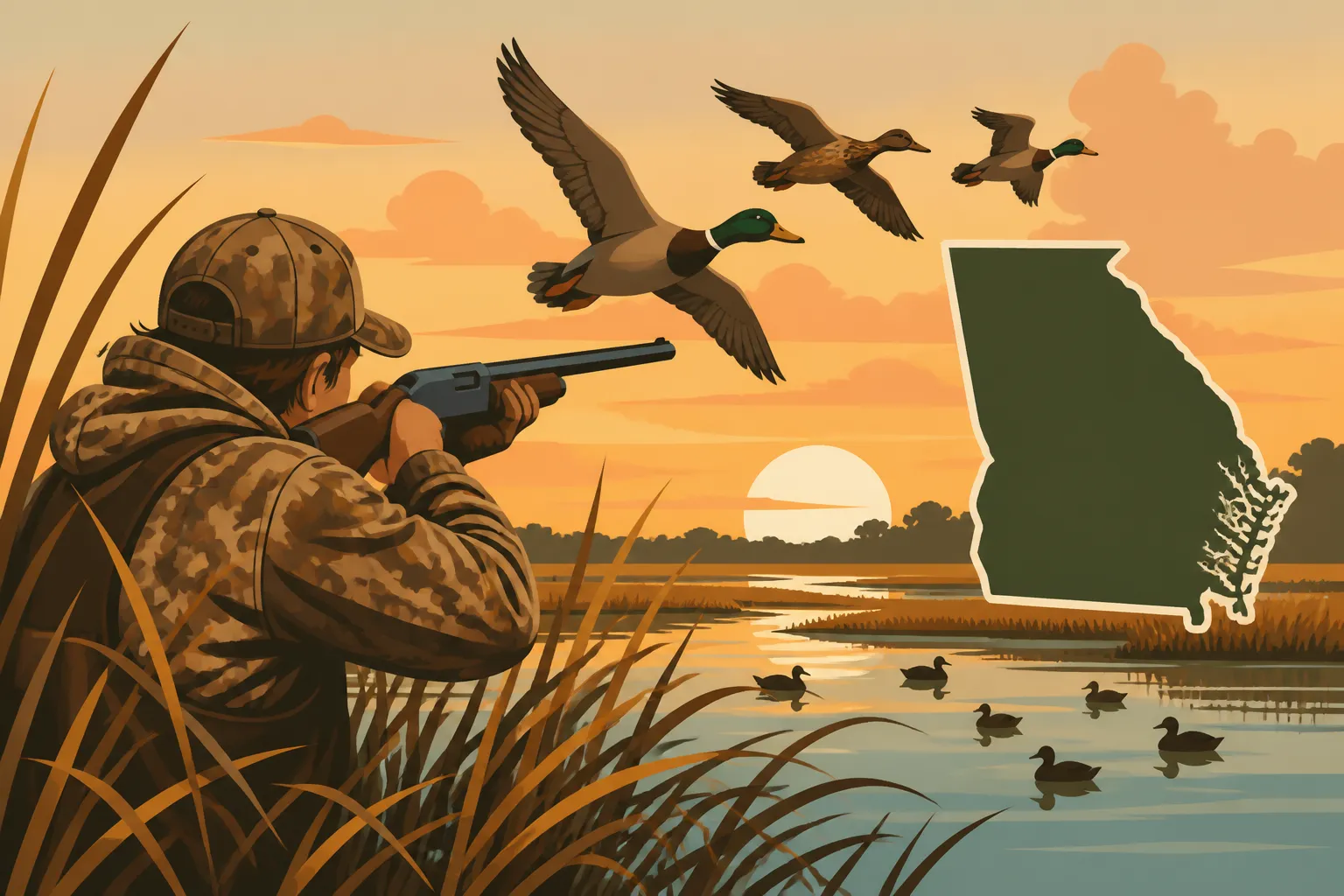
Hunting the vast, dynamic marshlands of coastal Georgia for waterfowl can feel like trying to solve a puzzle where the pieces are constantly shifting. The tides rise and fall, the birds appear and vanish with the moon, and the sheer scale of the landscape can be intimidating. If you’ve ever felt overwhelmed by the challenge of finding and decoying ducks in this unique environment, you’re not alone. This guide is here to strip away the mystery, offering practical, deep insights into successfully hunting Georgia’s coastal marsh waterfowl, from understanding the ecosystem to mastering the nuances of tide and terrain.
Understanding the Unique Coastal Marsh Ecosystem
Coastal Georgia offers a waterfowl hunting experience unlike anywhere else in the state, primarily because its entire ecosystem is dictated by the rhythmic ebb and flow of the ocean. It's not just a matter of finding water; it's about understanding how the water moves and how that movement utterly shapes where ducks live, feed, and fly.
Tidal Influences and Waterfowl Movement
The tides are the undisputed master of the Georgia marsh. Imagine vast expanses of Spartina grass and mud flats, sometimes completely submerged, other times bone dry. This constant change dictates everything. At high tide, particularly a strong one, the water pushes far back into the marsh, flooding areas that are usually just damp mud or exposed grass. This is when dabbling ducks, like pintails and widgeon, find new feeding grounds as seeds and invertebrates become accessible over the submerged vegetation. They'll often pull into these newly flooded pockets, feeling safe and unpressured. For hunters, this means you might need to hunt deeper into the marsh, or focus on the edges of large creeks where the rising water creates current and concentrates food sources.
Conversely, as the tide begins to fall, those flooded areas slowly drain. Ducks that were happily dabbling over submerged grass now find their buffet receding. They'll start to congregate in the remaining pockets of water, often pulling into the deeper tidal creeks, sloughs, or the edges of mud flats where water still holds. This falling tide can concentrate birds, creating excellent opportunities for pass shooting along creek bends or setting up decoys on exposed mud flats that will soon be covered by shallow water at low tide. Understanding this push and pull is paramount; a misread tide can leave you high and dry, or worse, stuck in the mud far from your hunting spot. The constant motion means you're not just scouting for birds, but scouting for where the birds will be based on the tide chart.
Key Habitat Types in Coastal Georgia Marshes
The diverse topography of coastal Georgia marshlands provides a variety of habitats, each favored by different waterfowl species. The most pervasive feature is the expansive Spartina grass flats. This hardy salt marsh cordgrass dominates the landscape, providing cover, nesting sites, and food for many insects and invertebrates that ducks consume. Dabbling ducks, especially teal and widgeon, will work these flats at various tide levels, sifting through the vegetation for seeds and small organisms. Setting up on a rising tide along the edge of a vast Spartina flat, or finding a natural opening within it, can be incredibly productive as birds move in to feed.
Interspersed throughout these grass flats are numerous tidal creeks and guts, ranging from narrow ditches to wide, navigable waterways. These are the arteries of the marsh, channeling water and providing deeper refuges for ducks at low tide. Wood ducks and mottled ducks, being more secretive, often favor the quieter, winding creeks, particularly those with a bit more brackish or freshwater influence. Divers, like scaup and buffleheads, might utilize larger, deeper creeks and open bays, especially if there are oyster beds or clam flats nearby where they can dive for food. Then you have the mud flats and oyster bars, which become exposed at low tide, providing critical feeding grounds for shorebirds, but also for ducks that pick through the exposed mud for invertebrates. Recognizing these distinct micro-habitats and how they change with the tide is the key to predicting where your target species will be at any given moment.
Primary Waterfowl Species and Their Habits
While the coastal marsh might seem like one big, sprawling ecosystem, different waterfowl species have distinct preferences that inform how and where you'll hunt them. Understanding these habits is crucial for tailoring your strategy.
Resident Wood Ducks and Mottled Ducks
Coastal Georgia is home to some incredible resident waterfowl populations, and two stars of the show are the wood duck and the mottled duck. Unlike many of their migratory cousins, these birds are here year-round, adding a consistent element to the hunting season. Wood ducks, with their dazzling plumage, are often found in the tidal creeks and sloughs that have a good mix of brackish and freshwater influence. They absolutely love flooded timber and areas with cypress and tupelo trees, even if it's just a narrow band along a tidal creek. You'll often find them tucked back in hidden corners, especially where the marsh transitions into slightly higher ground with some woody vegetation. Hunting these birds often means setting up tight to cover, perhaps in a natural blind along a winding creek, and using realistic decoys within close range. They are notoriously fast and agile fliers, making for challenging shots as they zip through the trees. For more on their habitat preferences, you might want to look into Wood Ducks in Georgia Swamps.
Mottled ducks, sometimes called "Florida mallards" due to their resemblance to a hen mallard, are another year-round resident of the coastal plain. They prefer open marsh habitat, often utilizing large, shallow brackish ponds and expansive Spartina flats. Unlike wood ducks, they're less dependent on woody cover and are more likely to be found dabbling in the open marsh. They are known to be quite wary, and a good spread of decoys, coupled with excellent concealment, is usually necessary. Their flight patterns can be less predictable than the steady, cupped-wing approach of a mallard, often circling wide before committing. Both mottled ducks and wood ducks offer fantastic opportunities for those willing to learn their specific habits within the intricate coastal marsh environment.
Migratory Teal and Other Divers
When fall arrives and the mercury begins to drop north of Georgia, the coastal marsh comes alive with a rush of migratory birds. Teal, particularly blue-winged and green-winged, are often the first to arrive and can provide some of the most action-packed hunting. Blue-winged teal are usually early migrants, passing through in September and October, utilizing the shallow, open Spartina flats where they can dabble for seeds and small invertebrates. Green-winged teal follow shortly after and will often stay through the winter, favoring similar shallow marsh edges and tidal creeks. They are incredibly fast flyers and can be notoriously difficult to hit, but their numbers can make for an unforgettable hunt. For a deeper dive into their presence here, check out Georgia Coastal Marsh Teal Numbers.
Beyond the teal, coastal Georgia sees a variety of diving ducks that utilize the more open, deeper waters of the larger tidal creeks, estuaries, and sounds. Scaup, often called "bluebills," along with buffleheads, redheads, and sometimes even a few ring-necked ducks, are common. These birds feed by diving for submerged vegetation, shellfish, and aquatic insects. Hunting divers often means setting up on larger bodies of water, possibly over oyster bars or where deeper channels meet shallower flats. Long lines of decoys are often effective, mimicking a raft of feeding birds. While their numbers fluctuate year to year, depending on weather patterns and food availability, understanding the general Duck Migration Timing Through Georgia can help you predict when these exciting species will be in the area and ready to provide some fast-paced action.
Essential Gear and Setup for Coastal Marsh Hunting
Hunting coastal Georgia marshes isn't just about knowing the birds; it's about having the right tools for the job. The environment is rugged, wet, and often unforgiving, demanding specialized gear that can stand up to salt, mud, and endless abuse.
Waterfowl Boats and Propulsion
Navigating the labyrinthine tidal creeks and shallow flats of coastal Georgia requires specific types of boats. Standard deep-V hulls are often useless here, as the water frequently becomes too shallow, or you encounter mudflats that bring you to a dead stop. Jon boats are arguably the most popular choice among marsh hunters. Their flat bottom design allows them to float in incredibly shallow water, and their robust aluminum construction can take a beating from oyster rakes and submerged snags. A 16-18 foot jon boat with a wide beam offers a good balance of stability, carrying capacity for decoys and gear, and shallow-water performance.
For propulsion, a conventional outboard can work, but you'll want one that can be trimmed up high to skim over shallow water. A jack plate can be a game-changer, allowing you to quickly adjust the motor height. However, for truly challenging shallow water and mud, a mud motor is king. Brands like Gator-Tail or Pro-Drive specialize in these long-tail or surface-drive motors that can push a boat through inches of water, over mud, and even through dense vegetation. For those looking for a quieter, more physically demanding approach, kayaks and canoes are excellent for accessing ultra-skinny water and remote pockets that larger boats can't reach, offering a silent approach that can be incredibly effective on wary birds. Don't forget a sturdy push pole, too – it's often the only way forward when the motor can't go any further, as detailed in our guide on Marsh Boats and Push Poles.
Decoy Spreads and Calling Strategies
Decoys are your visual invitation to passing birds, and in the dynamic marsh, they need to be realistic and adaptable. Most coastal hunters carry a mixed spread, primarily focusing on species common to the area: mallards, pintails, widgeon, and especially teal. A dozen or two teal decoys, both blue-winged and green-winged, are almost always a good idea, as these birds are plentiful. Adding some pintails and widgeon helps add realism, particularly to attract high-flying birds. For diver hunting in larger bays, a longer string of scaup or bufflehead decoys can be effective, mimicking a large raft of birds. Consider adding a few motion decoys, like jerk cords or spinning-wing decoys (where legal and appropriate), as movement can be a huge draw on calm days. The key is often to keep your spread natural-looking, avoiding perfectly symmetrical patterns.
Calling in the marsh can be a bit different than in timber. While loud, aggressive calling can work on eager early-season birds, often a more subtle approach is better. Teal whistles are indispensable for blue-winged and green-winged teal, producing soft, high-pitched peeps and trills that these birds respond to. A basic mallard call can be used for chuckle and feeding calls, mimicking contented birds on the water, rather than aggressive hailing calls. Sometimes, simply using a few soft greeting calls and clucks is all it takes. For divers, less calling is typically more; a few low growls or a deep burr can sometimes turn them. The goal is to make your spread look inviting and your calls sound like happy, unconcerned birds already feeding. Learning about effective layouts for various species can be found in resources like Decoy Spreads for Coastal Georgia Divers.
Specialized Apparel and Safety Gear
Dressing for coastal marsh hunting means preparing for a world of wet, mud, and fluctuating temperatures. High-quality waders are non-negotiable. Chest waders, rather than hip waders, are almost always the correct choice, protecting you from unexpected holes or deeper channels. Neoprene waders offer insulation for colder days, while breathable, uninsulated models are better for early season or warmer weather. Regardless of type, ensure they are durable and well-fitting. Coupled with your waders, a good pair of waterproof boots or snake boots is essential, especially if you'll be walking through grass or on transitional land. Our guide on Waders for Georgia Tidal Marsh Hunting has more detailed advice.
Beyond basic waders, layers are crucial. Even on a cold morning, the sun can quickly warm up the marsh, and you'll be working hard. A waterproof and windproof outer shell is vital for those boat rides and unexpected rain showers. Don't forget about bug protection; mosquitoes and no-see-ums can be absolutely relentless, especially during warmer periods. Permethrin-treated clothing and a strong DEET repellent are your best friends. Lastly, safety gear is paramount. Always wear a PFD (Personal Flotation Device), especially when boating in unpredictable waters. A fully charged phone with a reliable GPS app (like GoHunt) is essential for navigation, as marshes can look identical in every direction. Carry an air horn, a whistle, a paddle or spare prop, and a comprehensive first-aid kit. The marsh is beautiful but can be unforgiving if you're not prepared. For additional protection in this snake-prone environment, consider investing in robust Snake Boots for Coastal Plain Walking.
Tactics for Navigating and Hunting the Tides
Successfully hunting the Georgia coast demands more than just finding ducks; it requires a deep understanding of the tides and how to leverage them. The water isn't just something you float on; it's an active participant in every aspect of your hunt.
Scouting and Tide Chart Mastery
You wouldn't hunt a new deer stand without scouting, and the same goes for marsh waterfowl. Effective scouting is paramount, but it has to be done with the tides in mind. What looks like an ideal feeding flat at low tide might be completely submerged and barren at high tide, or vice-versa. Spend time watching the marsh at different points of the tidal cycle. Use binoculars or a spotting scope from a vantage point to observe where birds are feeding, resting, and flying. Pay attention to how birds move as the water rises and falls. Do they pour into the newly flooded Spartina? Do they gather in certain creek bends as the water recedes? These observations are gold.
Beyond physical scouting, becoming a master of the tide chart is non-negotiable. This is where modern tools really shine. Apps like GoHunt or dedicated marine forecasting apps can give you real-time tide predictions for specific locations along the Georgia coast. You need to know not just when high and low tide occur, but also the height of the tide. A neap tide (low difference between high and low) might not flood certain areas, while a spring tide (large difference) could cover vast expanses. Plan your hunts around these predictions. Sometimes, you want to be set up an hour before high tide to catch birds moving in. Other times, you'll want to be there as the water begins to drop, funneling birds into a specific channel. These online tools, along with resources like Using the Georgia Outdoors Map Tool, are invaluable for pre-hunt planning and on-the-water navigation. Knowing how to read a tide chart allows you to predict where the birds will be even before you launch your boat, which leads us to Reading a Tidal Marsh for a Morning Flight.
Blind Placement and Concealment
Concealment in the marsh is a constant battle against a vast, open landscape. Unlike hunting timber, there are rarely perfectly shaped trees or brush piles to tuck into. Your blind placement has to be strategic, blending seamlessly with the natural surroundings. Often, the best blind is simply a natural edge of dense Spartina grass or a small clump of cedar trees that have somehow taken root on a slightly higher bank. When setting up, consider the sun's position and the expected flight path of the birds. You want to be hidden from their approach, not silhouetted against the sky.
If natural cover is sparse, you might need to bring your own. Layout blinds or panel blinds, brushed in thoroughly with local vegetation like Spartina or broken branches, can be highly effective. The key is to break up your outline and eliminate any unnatural shapes. Think like a duck: what would they see from 50 feet up? Even a subtle glint from a gun barrel or the wrong color on a piece of clothing can flare birds in an open environment. Digging a shallow pit in a mud flat or using the natural contours of a creek bank can also provide surprisingly good concealment. Remember, the less birds see of you, the more likely they are to commit to your spread. Learn more about effective concealment with our guide on Layout Blinds and Marsh Boats.
Legalities, Ethics, and Conservation
Hunting coastal Georgia marsh waterfowl isn't just about the thrill of the hunt; it's about being a responsible steward of the resource. Understanding and adhering to all regulations, practicing ethical hunting behaviors, and contributing to conservation efforts are paramount to ensuring these traditions endure for generations.
Licenses, Stamps, and Regulations
Before you even think about loading your shotgun, you absolutely need to make sure your paperwork is in order. Hunting migratory waterfowl in Georgia, or anywhere in the U.S. for that matter, comes with specific federal and state requirements. First, you'll need a valid Georgia hunting license, which can be easily purchased online through the Georgia Department of Natural Resources (DNR) Go Outdoors Georgia website. On top of that, every migratory bird hunter aged 16 or older must possess a valid Federal Duck Stamp. This stamp is an investment in conservation, with 98% of the purchase price going directly to acquire and protect wetland habitat for ducks, geese, and many other species.
But wait, there's one more piece of the puzzle: the Georgia Migratory Bird Certification, often referred to as HIP (Harvest Information Program) certification. This is a free, annual registration that helps wildlife agencies gather crucial harvest data to better manage migratory bird populations. You can typically complete your HIP certification when you purchase your state license. It's a simple, quick step that makes a big difference. For detailed instructions, refer to Georgia Migratory Bird Certification. Beyond these licenses, it is critical to be aware of other specific regulations. This includes daily bag limits and possession limits, which vary by species and can change year to year, so always check the current Georgia migratory bird hunting regulations booklet. And remember, for waterfowl, only non-toxic shot is allowed. This is a federal requirement to prevent lead poisoning in birds that might ingest spent shot. Our guide on Where Nontoxic Shot Is Required in Georgia offers more specifics on this vital regulation.
Respecting the Resource and Other Users
Ethical hunting goes far beyond merely following the law; it's about demonstrating respect for the wildlife, the environment, and your fellow outdoors enthusiasts. When waterfowl hunting in the marsh, this translates to several key practices. First and foremost is shot placement. Aim for clean, humane kills. Don't take Hail Mary shots at birds that are out of range. A crippled bird in the marsh can be incredibly difficult to recover, and leaving a wounded bird behind is a disservice to the animal and the sport. Work on your shooting skills, understand your shotgun's capabilities, and know your effective range.
Secondly, quick and thorough retrieval of downed birds is critical. The marsh can swallow a duck in an instant, especially on a falling tide or in dense cover. A good retriever dog is an invaluable asset here, but if you don't have one, mark your bird precisely, and get to it as quickly and safely as possible. Thirdly, always be mindful of other hunters and users of the marsh. This expansive landscape is also used by fishermen, boaters, and birdwatchers. Give other hunters ample space, never "sky-bust" or shoot at birds that are clearly working another hunter's spread, and avoid setting up in high-traffic areas if you can help it. Clean up after yourself, leaving no trash, spent shells, or broken decoys behind. Our collective actions reflect on the entire hunting community, and upholding a high ethical standard ensures our privileges continue.
Overcoming Common Coastal Marsh Challenges
Let's be real: hunting coastal Georgia marshes isn't always picturesque sunrises and easy limits. It's a tough environment, and acknowledging and preparing for its challenges is part of the experience.
Mosquitoes, Alligators, and Other Critters
If you've spent any time in a Georgia marsh, you know the true rulers of the summer and early fall aren't the ducks, but the mosquitoes, gnats, and sand fleas. These tiny terrors can turn an otherwise enjoyable morning into an unbearable ordeal, leaving you covered in itchy welts. During the early archery season for deer, for instance, the bug pressure is intense, and while duck season starts a bit later, warm stretches can bring them out in force. Preparing for them is crucial. This means using plenty of high-percentage DEET repellent on exposed skin and treating your hunting clothing with permethrin a day or two before you head out. Head nets and gloves can also be a lifesaver, especially during quiet moments in the blind.
Beyond the biting insects, you're sharing the marsh with other, larger residents. Alligators are a prominent feature of Georgia's coastal waterways and while typically shy, they demand respect. Always be aware of your surroundings, especially when retrieving birds. Never wade blindly into thick vegetation or muddy water where you can't see your footing. Snakes, particularly cottonmouths, are also common in these environments, so good snake boots aren't just for show. Encounters are usually harmless if you give them space, but situational awareness is key. The marsh is a wild place, and appreciating its natural inhabitants, even the less pleasant ones, is part of the adventure.
Equipment Maintenance and Durability
The saltwater and abrasive mud of the coastal marsh are the arch-nemesis of hunting gear. Any equipment you bring into this environment needs to be robust, and it demands rigorous maintenance afterward. Saltwater is incredibly corrosive; it will quickly rust untreated metals, seize up moving parts, and degrade fabrics if left unchecked. Your shotgun, for instance, should be thoroughly cleaned and oiled after every single marsh hunt, paying extra attention to all metal components. Even stainless steel can pit and corrode over time if not cared for.
Your boat and motor also require diligent attention. Flush your outboard motor with fresh water every time you return to the ramp. Check for mud and debris in cooling intakes, and regularly inspect your propeller for damage from oyster rakes or submerged logs. Decoys should be rinsed off to remove salt and mud, which can degrade their paint and lines. Any electronics, from your GPS to your headlamp, need to be fully waterproof and checked for signs of water intrusion. Invest in quality gear that's built for marine environments – it might cost a bit more upfront, but it will save you countless headaches and replacements down the line. Treat your gear like it's crucial for your next hunt, because in the marsh, it truly is.
| Waterfowl Species | Preferred Marsh Habitat | Primary Diet | Tidal Preference | Flight Characteristics |
|---|---|---|---|---|
| Wood Duck | Tidal creeks, flooded timber, brackish ponds | Seeds, acorns, invertebrates, aquatic plants | High tide, often secluded | Fast, agile, erratic |
| Mottled Duck | Open Spartina flats, shallow brackish ponds | Seeds, insects, aquatic vegetation | All tides, often exposed | Strong, direct, wary |
| Blue-winged Teal | Shallow Spartina flats, mud flats, ditches | Seeds, small invertebrates, algae | High/Falling tide for feeding | Very fast, erratic, often in flocks |
| Green-winged Teal | Shallow marsh edges, tidal creeks, small ponds | Seeds, insects, aquatic plants | High/Falling tide for feeding | Extremely fast, small flocks |
| Scaup (Bluebill) | Large tidal creeks, open estuaries, bays | Mollusks, crustaceans, aquatic insects | All tides, diving | Fast, strong, often in large rafts |
| Bufflehead | Open tidal creeks, calm bays | Crustaceans, aquatic insects, small fish | All tides, diving | Very fast, erratic, strong wing beats |
| Pintail | Open marsh, shallow flats, creek edges | Seeds, aquatic vegetation, invertebrates | High/Falling tide for feeding | Graceful, high fliers, long neck |
Disclaimer
Please remember that hunting regulations, seasons, and licensing requirements can change. Always consult the latest Georgia Department of Natural Resources (DNR) regulations and federal waterfowl guidelines before planning any hunting trip. Safety should always be your top priority.