Waders for Georgia Tidal Marsh Hunting
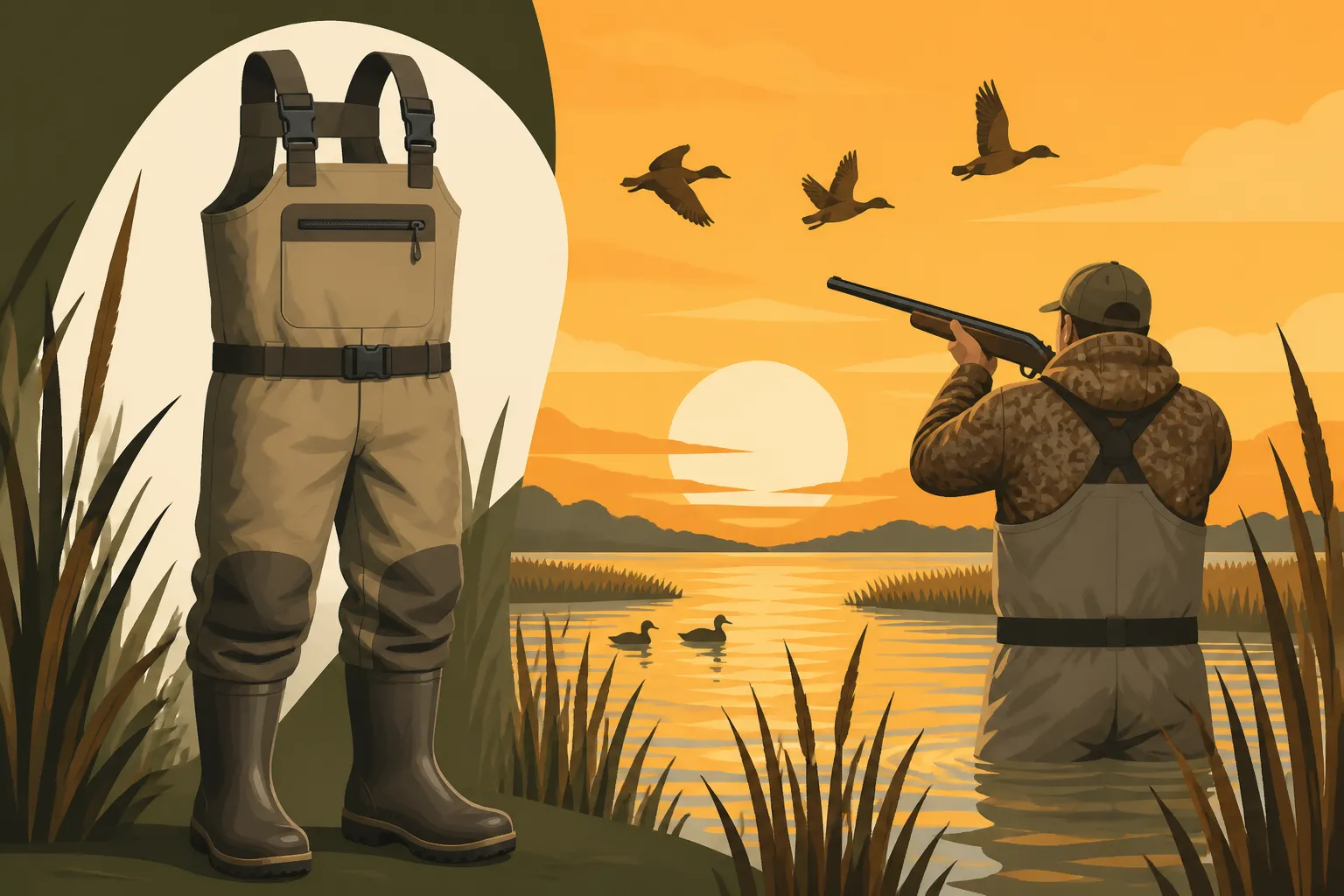
Venturing into Georgia's tidal marshes for a duck hunt or just scouting can be an exhilarating experience, but it comes with its own unique set of challenges. The constantly shifting landscape of mudflats, oyster beds, and unpredictable water depths can quickly turn a promising day into a miserable, cold, and wet ordeal if you're not properly equipped. This comprehensive guide is here to walk you through everything you need to know about choosing and maintaining the perfect waders to conquer the wild, watery world of Georgia's coastal hunting grounds.
Understanding Georgia's Tidal Marsh Environment
The tidal marshes of Georgia are a truly special, yet demanding, environment. Unlike static freshwater swamps or upland forests, these areas are in constant flux, dictated by the relentless rhythm of the ocean's tides. Ignoring these unique characteristics when preparing for a hunt is a recipe for discomfort and, potentially, danger.
The Dynamic Nature of Coastal Georgia Tides
Picture this: you've set up your decoys perfectly at low tide, the sun is just starting to peek over the horizon, and the ducks are already working. You settle into your spot, feeling confident. An hour later, you're standing in water up to your waist, the mud underneath shifting with every step, and that once-dry piece of ground where you set your gear is now a small island. This isn't just a hypothetical scenario; it's the daily reality of hunting Georgia's tidal marshes. The sheer volume of water that moves in and out with each tide, sometimes rising or falling several feet in a matter of hours, means that what was wadeable a short while ago might become impassable or chest-deep. You need gear that can handle both the fluctuating water levels and the long periods you might spend exposed to the elements. Understanding how to Read a Tidal Marsh for a Morning Flight is absolutely crucial for planning your movements.
This constant ebb and flow doesn't just change the depth; it shapes the entire landscape. Channels deepen, mudflats emerge or submerge, and obstacles shift. Hunters must always be aware of the tide charts for their specific hunting area, not just for safety but also for strategic purposes. Setting up on a rising tide might allow you to access areas that are too shallow at other times, but it also means you'll be wading out through deeper water later. Conversely, a falling tide could leave you high and dry, exposing your position and making retrieves difficult, or even stranding you in thick mud. A good pair of waders acts as your armor against this dynamic environment, allowing you to move with confidence and adapt to the ever-changing conditions.
Terrain Challenges: Mud, Shells, and Submerged Debris
Beyond the water itself, the ground beneath your feet in a Georgia tidal marsh presents its own gauntlet of challenges. It's not just soft mud; it's often a treacherous mix of sticky, knee-deep muck, razor-sharp oyster shells, jagged driftwood, and unseen submerged stumps or rocks. Stepping into a marsh blindly without proper footwear can lead to a twisted ankle, a nasty cut, or even a wader puncture.
The consistency of the mud can vary wildly, from firm, sandy patches near the uplands to a gelatinous, sucking quagmire in the deeper channels. Every step can be a battle, demanding extra energy and focus. The oyster shells, a common feature along the coast, are perhaps the most insidious threat. They can slice through less durable wader materials or even regular rubber boots with alarming ease, turning a comfortable hunt into a freezing, miserable slog. And let's not forget the hidden dangers: old fishing line, discarded crab traps, or submerged branches that can trip you up or snag your gear. Quality waders, particularly those with reinforced knees and shins, are essential for navigating this hostile terrain, protecting your legs and feet from both the elements and the unforgiving ground.
Weather Variability: From Balmy to Biting Cold
Georgia's coastal weather is notoriously fickle, especially during the waterfowl seasons. You might start your day in crisp, cool air, only for the sun to break through and rapidly warm things up, making insulated waders feel like a sauna. Or, you could have a seemingly mild morning suddenly turn into a biting, wind-driven chill as a cold front rolls in off the Atlantic. This variability demands versatility from your gear. Lightweight Layering for Warm-Weather Sits is a strategy that applies just as much to waterfowl hunting as it does to deer.
During the early migratory bird seasons, such as for teal or the first dove split, the air and water temperatures can still be quite warm, requiring breathable waders to prevent overheating and excessive sweating. However, as the season progresses into late fall and winter, especially when targeting divers or later wood ducks, you'll face frigid winds, freezing rain, and potentially ice-cold water. Insulated waders become absolutely non-negotiable then. The wrong choice here can lead to anything from mild discomfort to genuine hypothermia. Your waders need to be capable of shedding internal moisture when you're exerting yourself, while also providing steadfast protection against external cold and wetness when you're sitting still in a blind or waiting out a flight.
Types of Waders: Neoprene versus Breathable
When you start looking at waders for Georgia's tidal marshes, you'll quickly discover there are two main categories: neoprene and breathable. Each has its strengths and weaknesses, making one more suitable for certain conditions or hunting styles than the other. Making the right choice here is critical for your comfort and safety afield.
Neoprene Waders: Warmth and Durability for Colder Days
Neoprene waders are the traditional choice for cold-weather waterfowl hunting, and for good reason. Neoprene is a synthetic rubber that provides excellent insulation, trapping a layer of water against your skin that your body warms, thus keeping you toasty even in freezing conditions. Think of it like a wetsuit, but designed for hunting. They are typically available in various thicknesses, measured in millimeters (mm), with 3mm being suitable for milder cold and 5mm or even 7mm being ideal for truly frigid temperatures and prolonged exposure to cold water.
Beyond their insulating properties, neoprene waders are generally more puncture-resistant than many breathable materials, offering a tougher barrier against those sharp oyster shells and submerged sticks that are so prevalent in Georgia's marshes. This durability is a huge plus when you're scrambling over rough terrain or pushing through dense marsh grass. However, this robustness comes with a trade-off: neoprene doesn't breathe. On warmer days, or when you're doing a lot of walking or pushing a marsh boat through thick mud, you'll quickly overheat and sweat profusely. This trapped moisture can then make you feel colder once you stop moving, creating a chilling effect. For hunters focusing on the late season, when temperatures plummet and the wind whips across the open marsh, neoprene waders are often the go-to choice, providing the warmth needed to endure long waits for Georgia Waterfowl Hunting on Coast and Swamp.
Breathable Waders: Comfort and Versatility for Year-Round Hunting
Breathable waders represent a significant advancement in hunting gear, offering a level of comfort and versatility that neoprene simply can't match for many situations. These waders are typically made from advanced multi-layered fabrics like Gore-Tex, Toray, or proprietary materials that allow water vapor (sweat) to escape from the inside while preventing liquid water from penetrating from the outside. This "breathability" keeps you much drier and more comfortable, especially when temperatures are mild or when your activity level is high.
While they don't provide inherent insulation like neoprene, breathable waders excel when paired with appropriate layering underneath. This layering system allows you to adapt to a much wider range of temperatures. For an early season hunt for Georgia teal, you might wear just a base layer. For a late-season mallard hunt, you could add fleece pants and insulated long johns, providing warmth without the bulk or sweat of neoprene. The lighter weight and increased flexibility of breathable waders also make them more comfortable for long walks into remote marsh areas or when you need maximum mobility to set decoys. Their primary drawback is that they can be more susceptible to punctures or tears from sharp objects than neoprene, especially if not constructed with reinforced areas. However, many modern breathable waders address this with heavier duty fabrics in high-wear zones.
Hybrid Options and When They Shine
The world of waders isn't always a strict either/or. Many manufacturers now offer hybrid waders that attempt to combine the best features of both neoprene and breathable designs, or at least offer specific configurations that lean towards versatility. Some breathable waders, for instance, come with removable insulated liners. This allows you to have a single pair of waders that can be adapted for both warm and cold weather, simply by adding or removing the liner. It's a fantastic option for hunters who experience a wide range of temperatures throughout the season or who don't want to invest in two separate pairs.
Another form of hybrid might involve breathable uppers with neoprene boots, or vice-versa, though this is less common. More often, you'll see breathable waders with strategically placed neoprene-like reinforcement in high-wear areas like the knees, seat, and shins. These reinforcements offer added durability where you need it most, without sacrificing overall breathability. These hybrid designs often shine for hunters who primarily hunt the middle segments of the season, where temperatures can swing significantly within a single week, or even a single day. They offer a good balance for those who prioritize adaptability and want a single, reliable piece of gear for most of their coastal waterfowl pursuits. Before heading out, consider using a mapping application like GoHunt to scout your planned entry and exit points, which can help determine the expected activity level and thus your wader choice.
Here's a quick comparison of the two main types:
| Feature | Neoprene Waders | Breathable Waders |
|---|---|---|
| Primary Benefit | Excellent insulation, inherent warmth | Excellent comfort, moisture wicking |
| Best For | Cold temperatures, stationary hunting, rough terrain | Moderate to warm temperatures, active hunting, layering |
| Insulation | Good (3mm, 5mm, 7mm thickness) | Minimal to none (relies on layering) |
| Durability | Generally high puncture resistance | Can be susceptible to punctures, but improving |
| Weight/Bulk | Heavier, bulkier, less flexible | Lighter, more flexible, less restrictive |
| Sweat/Drying | Traps sweat, slower to dry | Wicks sweat, dries quickly |
| Cost | Often more budget-friendly for basic models | Can be more expensive due to advanced fabrics |
Key Features to Look For in Marsh Waders
Choosing the right waders goes beyond just neoprene versus breathable. There are a host of other features that can significantly impact your comfort, safety, and overall hunting experience in Georgia's challenging tidal marshes. Paying attention to these details can make a big difference.
Bootfoot versus Stockingfoot: The Great Debate
One of the first decisions you'll face is whether to go with bootfoot or stockingfoot waders. Each style has its devoted followers and specific advantages. Bootfoot waders have the boots permanently attached to the wader legs. This means less gear to put on and take off, no need to worry about mud getting into your wading boots, and often superior insulation for your feet in cold water, especially if the boots themselves are insulated. They're quick, convenient, and can be very comfortable if the integrated boots fit well. However, bootfoot waders are generally bulkier and less packable. The fixed boot size can also be an issue if you wear specific orthotics or want to fine-tune your footwear for extreme warmth. If the boots fail, the entire wader is compromised.
Stockingfoot waders, on the other hand, have neoprene "socks" as the foot portion, and you wear separate wading boots over them. This system offers greater flexibility in terms of footwear choice – you can select boots that provide the exact level of ankle support, traction, and fit you prefer. It also means you can easily replace just the boots if they wear out, or if you need different boots for different conditions. Stockingfoot waders are often more form-fitting and packable than their bootfoot counterparts. The downside is the added step of putting on separate boots, and the potential for mud or debris to get trapped between the wader sock and the boot if you're not careful. For traversing miles of marsh, especially where stable footing is paramount, many hunters prefer the customized support and aggressive traction a dedicated wading boot offers with stockingfoot waders.
Material Thickness and Reinforcements
The thickness and specific materials used in wader construction are crucial, particularly in an abrasive environment like the Georgia marsh. For neoprene, the thickness (3mm, 5mm, etc.) directly relates to its insulating properties. A 5mm neoprene wader will keep you much warmer than a 3mm in cold water. For breathable waders, it's not about thickness, but about the denier (a measure of fiber density) of the fabric and the number of layers. Higher denier fabrics generally mean more durability and puncture resistance, but can also mean slightly less flexibility.
Regardless of the base material, look for waders with strategic reinforcements in high-wear areas. The knees, seat, and shins are constantly subjected to rubbing, kneeling, sitting, and bumping against obstacles. Many quality waders feature double-layer construction, additional patches, or heavier denier fabrics in these zones. Some even incorporate abrasion-resistant materials like Cordura. These reinforcements are essential for extending the life of your waders and preventing leaks in critical areas. Imagine kneeling in oyster shells to retrieve a downed duck; reinforced knees are a lifesaver. Without them, even a slight brush could lead to a pinhole leak, and nobody wants that when the water is frigid.
Pockets, Straps, and Accessories That Matter
While not as critical as material or fit, the thoughtful inclusion of pockets, straps, and other accessories can significantly enhance your hunting experience. A fleece-lined handwarmer pocket on the chest is almost a necessity for cold mornings, providing a quick respite for numb fingers. External storage pockets, ideally waterproof or water-resistant, are invaluable for carrying calls, extra shells, a headlamp, or other small essentials that you want to keep easily accessible. Internal pockets are great for keeping your phone, wallet, or hunting license dry and secure.
Adjustable shoulder straps are a given, but look for designs that are comfortable, don't slip, and are easy to adjust even with gloved hands. Some waders include a wading belt, which is not just about keeping the waders up; it's a vital safety feature. It prevents water from rushing into the waders if you happen to fall or stumble into deeper water, creating a potentially dangerous situation. D-rings or other attachment points can be handy for clipping on call lanyards, a rangefinder, or other tools. Features like zippered chest pockets, integrated gear hangers, or even a waterproof electronics pouch can elevate a basic pair of waders to a highly functional piece of hunting kit. When you're spending hours wading and working a decoy spread for Georgia Waterfowl Hunting on Coast and Swamp, these small conveniences add up to a much more pleasant and efficient hunt.
Fit, Maintenance, and Longevity
Even the most expensive, feature-rich waders are only as good as their fit and how well they're maintained. Investing in quality waders for Georgia's tidal marshes is a smart move, but protecting that investment through proper care will ensure they serve you well for many seasons to come.
Getting the Right Fit for Comfort and Safety
A properly fitting pair of waders is paramount for both comfort and safety. Waders that are too tight will restrict your movement, cause chafing, and put undue stress on seams, leading to premature leaks. Waders that are too loose, especially in the legs, can create excess material that bunches up, making wading through thick mud even more difficult and increasing the risk of tripping. Furthermore, overly baggy waders can fill with an alarming amount of water if you stumble, making it very hard to regain your footing or exit the water.
When trying on waders, wear the layers you typically plan to hunt in. This is crucial for breathable waders, where layering is key. You should be able to comfortably squat, kneel, and raise your knees to your chest without feeling restricted. There should be enough room in the crotch and knees to allow for full range of motion. For bootfoot waders, ensure the boot fits snugly but not too tightly, with room for thick socks if needed. For stockingfoot waders, the neoprene sock should fit your foot without excessive bagging or tightness, and your wading boots should provide a secure, comfortable fit over them. Remember, you'll be spending hours in these, often in challenging conditions, so a comfortable, unrestrictive fit is non-negotiable.
Essential Cleaning and Drying Practices
One of the quickest ways to ruin a good pair of waders is improper cleaning and drying. After every trip to the marsh, especially in saltwater environments, your waders must be cleaned. Salt, mud, and organic debris can degrade fabrics, clog breathable membranes, and accelerate the breakdown of seams and adhesives. A simple rinse with fresh water, both inside and out, is usually sufficient to remove most of the grime. Pay particular attention to the boots, scrubbing off any caked-on mud. For stubborn stains or odors, a mild, non-detergent soap and soft brush can be used, followed by a thorough rinse.
The drying process is equally important. Waders should always be dried completely, inside and out, before storage. Hanging them upside down or inside out can help ensure the interior dries fully, preventing mildew growth which can damage materials and create unpleasant smells. Avoid direct heat sources like radiators or prolonged direct sunlight, as excessive heat can damage neoprene, degrade waterproof coatings, and weaken seam tape. Air drying in a well-ventilated area is always the best approach. Once dry, store them in a cool, dry place, ideally hanging them to prevent creases that can stress seam points. For an extended season like Georgia's Long Firearms Deer Season, you might be wearing these for multiple days in a row, so proper daily care becomes even more critical.
Repairing Wader Leaks and Extending Their Life
Even with the best care, leaks happen. A stray oyster shell, a sharp stick, or just general wear and tear can eventually create a pinhole or small tear. The good news is that most wader leaks are repairable. Identifying the leak can be the trickiest part. For small holes, turning the waders inside out, spraying them with rubbing alcohol, and looking for dark spots can reveal the leak. Alternatively, filling them with water while hanging them (carefully, as they become very heavy) can show where drips occur.
Once located, repairs typically involve specialized wader repair kits, which usually contain a patch of matching material, contact cement, or a waterproof sealant like Aquaseal. Follow the kit's instructions carefully, ensuring the area is clean and dry before applying the patch or sealant. For larger tears or seam failures, it might be worth taking them to a professional repair service. Regular inspection, proactive cleaning, and prompt repair of small issues will significantly extend the lifespan of your waders. Think of your waders as an investment; a little preventative maintenance and quick repairs will keep them performing for many seasons of Hunting Coastal Georgia Marsh Waterfowl. Don't forget, resources like GoHunt can often provide advice on gear care or even locate repair services in your area.
Safety Considerations When Wading Georgia Marshes
Hunting in Georgia's tidal marshes isn't just about bagging ducks; it's about navigating a challenging and potentially dangerous environment safely. Your waders are a crucial piece of safety gear, but they need to be paired with good judgment and an understanding of the inherent risks.
Navigating Soft Mud and Deep Water
The deceptive nature of marsh terrain is a primary safety concern. What looks like firm ground might be knee-deep, sucking mud just a few steps away. And even areas that appear shallow can hide sudden drop-offs into deep channels, especially near oyster beds or tidal creeks. Always move slowly and deliberately, probing the ground ahead with a push pole, stick, or even your foot before committing your weight.
Falling in deep mud or water can be dangerous, especially if your waders fill with water. This is why a wading belt is not just an accessory but a critical safety item. Worn snugly around your waist, it can help prevent your waders from completely filling with water if you fall, allowing you to retain more mobility and making it easier to self-rescue or be helped by a partner. It's also why having appropriate wading boots with good traction, or choosing bootfoot waders with aggressive soles, is so important. When the mud is pulling at your feet, every bit of grip helps prevent a stumble. Always know your physical limits and avoid pushing into areas where the water depth or mud conditions are beyond your comfort or skill level.
Awareness of Wildlife and Environment
Georgia's tidal marshes are teeming with life, and not all of it is friendly. Alligators are residents of these waters, and while generally shy, encounters are possible, particularly in warmer months. Always be aware of your surroundings, and if you spot an alligator, maintain a respectful distance. Similarly, venomous snakes like cottonmouths are present, often resting on logs, snags, or marsh grass. Keep an eye out for them, especially when pushing through thick vegetation or stepping over debris. Georgia Cottonmouth Range in Swamp Country often overlaps with prime duck hunting areas.
The environment itself can also pose risks. Extreme weather, sudden thunderstorms, or dense fog can disorient you and make navigation difficult. Always check the forecast and tide charts before heading out. The sun, even on cold days, can cause sunburn, and insects like mosquitoes can be relentless. Having a good bug repellent is often a necessity, especially during Bug Protection for Early Archery Season, which is a good proxy for early waterfowl. Being prepared for these environmental factors, from protective clothing to insect repellent, is as much a part of marsh safety as your waders. A good mapping app on your phone, perhaps even pre-loaded with your route from a scouting tool like GoHunt, can be a literal lifesaver if you get disoriented by fog or darkness.
The Importance of a Wading Belt and Buddy System
We've mentioned the wading belt, but its importance cannot be overstated. Should you fall into deep water, especially in colder temperatures, a wader full of water can quickly become a deadly anchor, making it nearly impossible to swim or even stand up. A properly tightened wading belt helps to seal off the top of the waders, minimizing the amount of water that can enter and significantly increasing your chances of recovering from a fall.
Beyond gear, the buddy system is perhaps the most critical safety rule for marsh hunting. Never hunt alone in these challenging environments. A hunting partner can provide assistance if you get stuck in mud, fall into deep water, or experience an unexpected medical emergency. They can help you retrieve game safely, offer an extra set of eyes for spotting hazards, and simply make the experience more enjoyable. Ensure your partner knows your planned route, expected return time, and how to contact emergency services if needed. Carrying a fully charged cell phone in a waterproof bag, and perhaps a two-way radio for areas with spotty cell service, should be standard practice. Safety in the marsh is a collective effort, and your waders are just one piece of the puzzle.
Disclaimer
This article is for general informational purposes only and does not constitute professional advice. Laws, prices and regulations vary by location and change over time. Consult a qualified professional for guidance on your specific situation.