Hunting a Managed Quail Plantation
For many devoted wing-shooters in Georgia, the dream of a classic bobwhite quail hunt often bumps up against the harsh reality of declining wild bird populations. It's a frustrating truth: finding consistent covey flushes on unmanaged land has become incredibly challenging, leaving many hunters disheartened. This comprehensive guide will pull back the curtain on hunting a managed quail plantation in Georgia, explaining what makes this experience so unique, what you can expect, and how to prepare for a memorable day afield that harks back to the golden age of quail hunting.
Understanding the Managed Quail Plantation Experience
Hunting wild bobwhite quail in Georgia, like much of the Southeast, has faced significant hurdles over the past few decades, primarily due to habitat loss and changing land use practices. The sound of a covey rise, once a common symphony in Georgia's piney woods, is now a much rarer melody. This is precisely where managed quail plantations step in, offering a curated experience that provides consistent bird encounters while preserving the traditions and charm of a classic quail hunt.
A Contrast to Wild Quail Hunting
When you talk about Georgia Wild Quail Decline Since the 1960s, you’re really talking about a fundamental shift in the landscape. Wild quail hunting, in its purest sense, involves extensive scouting, understanding intricate habitat nuances, and often covering miles of challenging terrain for a few unpredictable flushes. It's a game of patience, skill, and often, sheer luck. The reward of finding a truly wild covey is immense, but the opportunity can be scarce.
On a managed plantation, the variables are significantly reduced. You're hunting in an environment specifically designed to maximize quail encounters. This doesn't mean it's easy or without skill, but it shifts the focus from finding the birds to executing the shot and enjoying the process. The habitat is optimized, predators are managed, and often, birds are supplemented to ensure a high-quality experience. It’s about reliable action and an immersion in the deep-rooted culture of Southern hunting hospitality, providing a stark contrast to the often demanding and less predictable nature of chasing elusive wild birds.
The Goal: Consistent Action and Southern Hospitality
The primary aim of a managed quail plantation hunt is to deliver consistent, high-quality bird action. Guests come seeking the thrill of a covey exploding from the wiregrass, the precision of a well-trained pointer, and the satisfaction of a clean shot. These operations meticulously cultivate their lands to ensure robust quail numbers, providing a reliable experience that can be hard to come by in the wild.
Beyond the birds, these plantations often offer an unparalleled level of Southern hospitality. From gourmet meals to comfortable lodging, knowledgeable guides, and impeccably trained dogs, the entire experience is crafted to be immersive and luxurious. Many plantations are historic estates, preserving a rich heritage of hunting traditions. It’s not just a hunt; it’s an all-encompassing experience, perfect for introducing new hunters, entertaining clients, or simply enjoying a stress-free day with friends, something platforms like GoHunt might highlight for other species, but for quail, it's about the unique package deal these specific operations offer. This curated environment makes it accessible for anyone interested in Quail Hunting Georgia Plantation Country.
The Role of Pen-Raised Birds
Let's be realistic: maintaining high quail densities year after year on an intensively hunted property often requires supplementing the population with pen-raised birds. While some purists might turn up their nose at the thought, the truth is, without them, many plantations wouldn't be able to guarantee the consistent action their clients expect. Modern breeding and release techniques have significantly improved the flight characteristics and wild instincts of these birds.
These birds are typically released into the managed habitat well in advance of the hunt, allowing them time to acclimate to their surroundings. They learn to forage for natural foods, become wary of predators, and develop stronger flight patterns. While they might not be identical to truly wild quail, the goal is for them to behave as naturally as possible, offering challenging shots and excellent dog work. It's a necessary compromise that allows the tradition of quail hunting to thrive in an era where wild populations face immense pressure, ensuring that the sound of a covey rise continues to echo across Georgia's beautiful hunting landscapes.
The Landscape and Habitat
Georgia's managed quail plantations are renowned not just for their bird numbers but for their stunning, carefully cultivated landscapes. These aren't just patches of woods; they are vibrant ecosystems, specifically designed and maintained to be ideal quail habitat. The commitment to land stewardship is often immense, requiring constant attention and significant resources.
Longleaf Pine and Wiregrass Ecosystems
The quintessential habitat for bobwhite quail in the Southeast is the longleaf pine savanna, often characterized by an understory of wiregrass and other native forbs. This ecosystem provides the perfect blend of cover, food, and nesting sites. Mature longleaf pines offer open canopy, allowing sunlight to penetrate to the forest floor, which encourages the growth of crucial groundcover plants. Wiregrass, in particular, is vital, creating dense clumps that provide escape cover and nesting structure while allowing easy movement for quail beneath its canopy.
Plantation managers actively work to restore and maintain these specific habitats. This often involves planting longleaf pine seedlings, carefully managing the spacing of trees, and controlling invasive species. The goal is to mimic the natural, open pine woodlands that historically supported booming quail populations, creating a healthy and productive environment that feels truly authentic, a testament to effective Managed Pine and Georgia Quail Recovery efforts.
Habitat Management for Quail
Effective habitat management on a quail plantation is a year-round, intensive endeavor. It goes far beyond simply planting trees. Prescribed burning is one of the most critical tools, used to clear out dense underbrush, stimulate new growth of native plants, and control ticks and other pests. These controlled fires are carefully planned and executed, often on a rotational basis across the property, to ensure a mosaic of different habitat stages that benefit quail.
Beyond fire, mechanical thinning of pine stands is common to maintain the open canopy crucial for longleaf ecosystems. Selective timber harvests are conducted to improve stand health and generate revenue that can be reinvested into habitat work. Disking, mowing, and herbicide application are also employed to manage herbaceous vegetation, encouraging the growth of desirable food and cover plants while suppressing those that are less beneficial. This continuous, active management ensures a thriving environment where quail can flourish, providing abundant resources for both resident and released birds.
Food Plot Strategies
While managed plantations strive for natural forage, supplemental food plots play an important role in enhancing the habitat and concentrating birds for hunting. These plots are strategically placed throughout the property, providing a reliable food source, especially during lean periods or harsh weather. Common choices for quail food plots include various legumes like partridge pea, lespedeza, and clover, as well as native grasses and grains such as millet, sorghum, and chufa.
The placement and type of food plot are carefully considered. They are often planted in strips or small patches adjacent to good cover, creating edges that quail love. The goal isn't just to feed the birds but to provide nutritional diversity and attract insects, which are a crucial protein source, particularly for growing poults. These carefully managed food sources contribute significantly to the health and density of the quail population, directly impacting the quality of the hunting experience and illustrating an advanced strategy beyond just Hunting After a Poor Acorn Year for deer.
Dogs, Guides, and the Hunt Itself
The heart and soul of any quail hunt, especially on a plantation, are the dogs and the guides. They are the maestros orchestrating the action, bringing the birds to heel, and ensuring the safety and enjoyment of the hunters. Their expertise transforms a walk in the woods into a thrilling, seamless experience that embodies the tradition of Southern wing shooting.
The Stars of the Show: Expert Bird Dogs
The pointing dogs used on managed quail plantations are nothing short of phenomenal. Breeds like English Pointers, English Setters, German Shorthaired Pointers, and Brittany Spaniels are meticulously bred, trained, and conditioned for this specific task. These dogs are the engine of the hunt, covering ground with boundless energy, scenting birds, and then "locking up" on point, holding motionless with unwavering intensity as they indicate the presence of a covey. Watching a truly accomplished dog work a field, nose high, tail rigid, is a spectacle in itself—a testament to years of dedicated training and an incredible instinct for game birds.
Once a covey is flushed, flushing dogs (often smaller spaniels like Cockers or Springers) might be employed to retrieve downed birds, or the pointing dogs themselves may be trained to retrieve. The bond between the guide and their dogs is palpable, a silent communication built on trust and countless hours in the field. These dogs aren't just pets; they are invaluable working partners, essential to the success and joy of every hunt. For more insight into these remarkable animals, you might look into Working Pointing Dogs on Wild Georgia Quail.
The Guide's Essential Role
The quail guide is far more than just someone who knows the land; they are the expert, the historian, and the facilitator of your hunt. A good guide possesses an encyclopedic knowledge of the property, understanding exactly where the birds are likely to be, how they'll behave, and the best approach for a successful flush and shot. They manage the dogs, reading their subtle cues and directing them through the habitat. Their experience is crucial in ensuring that every hunter has opportunities and that safety protocols are strictly followed.
Beyond the practicalities, guides often share stories of the plantation's history, insights into quail behavior, and tips on shooting. They ensure the hunt flows smoothly, from the moment you step out of the buggy to the final retrieve. They are also adept at judging a hunter's skill level, positioning them for optimal shots and offering encouragement and advice. The guide's presence elevates the experience, making it not just a hunt, but a personalized educational journey into the world of quail.
The Flow of a Typical Hunt
A typical day on a managed quail plantation usually begins with an early breakfast, followed by a safety briefing and an introduction to your guide and dogs. You’ll then head out to the hunting grounds, often in a specially equipped hunting buggy or truck. The guide will release a brace of dogs, who will immediately begin to work the cover, quartering back and forth, noses to the wind.
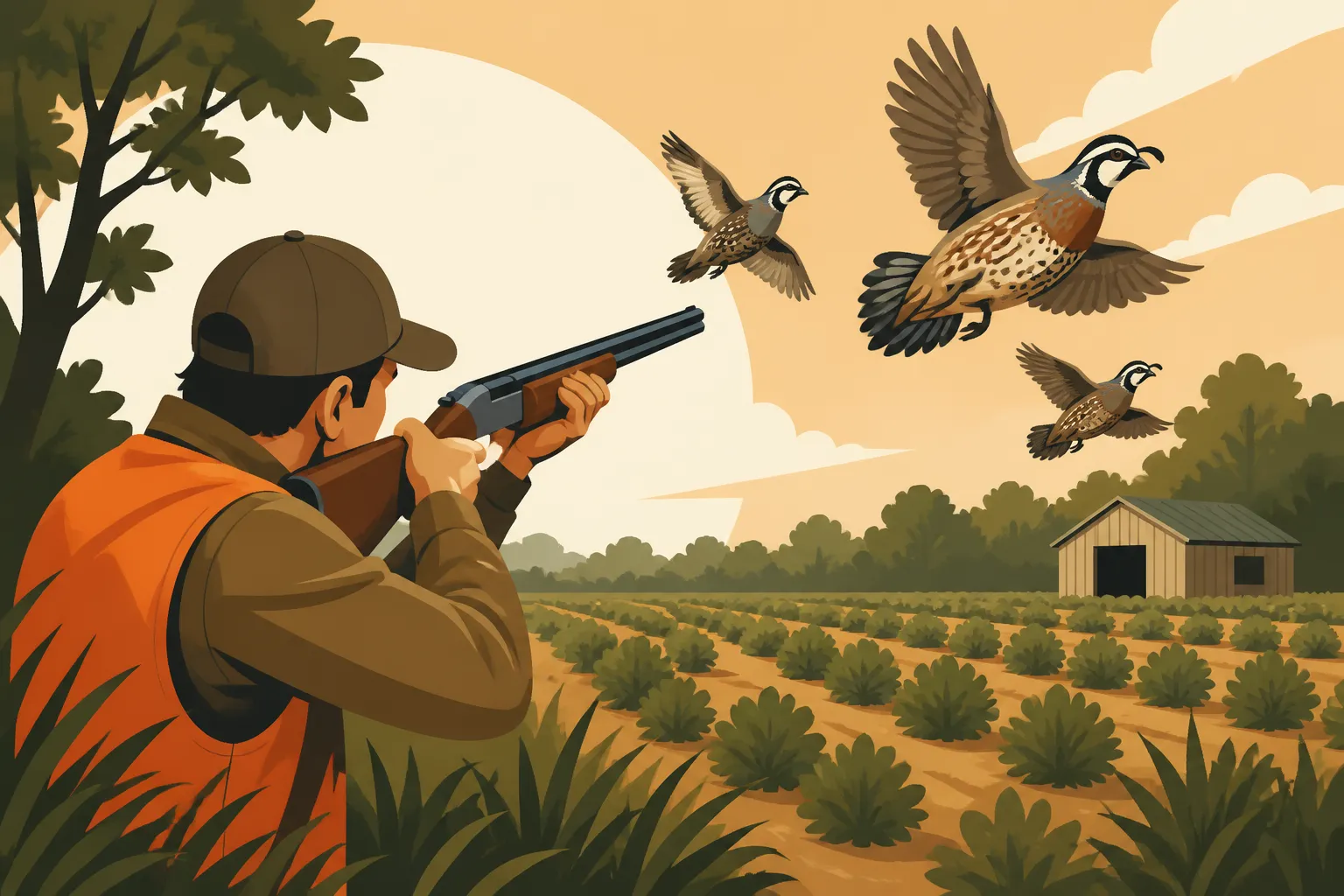
When a dog goes on point, the guide will alert the hunters. This is the moment of anticipation, as you walk in behind the dog, shotguns at the ready. The guide will advise on positioning and then flush the birds, either by walking them up or using a flushing dog. The covey explodes, offering fast-paced, challenging shots. After the shooting, dogs retrieve downed birds, and the process repeats. Most hunts involve multiple covey flushes over several hours, often broken up by a gourmet lunch back at the lodge or a field-side spread. The entire experience is designed to be immersive and fluid, creating a seamless memory of classic wing shooting.
Gear and Etiquette for Plantation Hunts
While the plantation experience provides many amenities, being properly equipped and understanding the unspoken rules of etiquette will enhance your hunt and show respect for your hosts and fellow hunters. It's a blend of practical needs and traditional courtesies that define the character of these outings.
Shotguns and Ammunition Considerations
When it comes to shotguns for quail, lighter gauges are often preferred due to the fast-flying nature of the birds and the close-quarters shooting. A 20-gauge shotgun is arguably the most popular choice, offering a good balance of firepower and reduced recoil, making it comfortable for a full day of shooting. Many hunters also opt for 28-gauge or even .410 bore for an added challenge and lighter carry. Over/under or side-by-side shotguns are traditional favorites, exuding classic elegance, but reliable semi-automatics and pumps are perfectly acceptable too. For detailed guidance on your choice, consider reading Upland Guns for Quail Plantation Walks.
Ammunition-wise, light field loads with smaller shot sizes (like 7 1/2 or 8 shot) are standard for quail. You don't need heavy loads to bring down a bobwhite, and lighter loads mean less recoil, allowing for quicker follow-up shots. Always confirm with the plantation in advance if they have any specific ammunition requirements or recommendations. Carrying enough shells for the day is essential, as the consistent action can mean you go through more than you expect.
Dressing for Success and Comfort
Georgia weather can be fickle, especially during prime quail season, which typically runs from late fall through early spring. Layering is key. Start with a moisture-wicking base layer, add an insulating layer, and top it with a durable, briar-resistant outer layer. Brush pants or chaps are highly recommended to protect against thorns and thick cover, ensuring you can move comfortably through the habitat without getting snagged. Many plantations require a hunter orange hat or vest for safety, so always confirm their specific requirements.
Comfortable, supportive, and waterproof boots are non-negotiable. You'll be doing a fair amount of walking, sometimes through damp or uneven terrain. Many hunters also choose snake boots, especially during warmer parts of the season, for added peace of mind against encounters with venomous snakes, a practical consideration when navigating Snake Boots for Georgia Swamp Ground might offer good insights. Don't forget shooting gloves, eye protection, and ear protection—all crucial for safety and comfort during a day of shooting.
Respecting the Tradition and Your Hosts
Hunting on a managed plantation comes with a certain decorum that honors the sport's rich traditions. Always follow your guide's instructions precisely, both for safety and to ensure the best possible hunting experience. The guide is the authority in the field, and their directives are paramount. Be respectful of the dogs; they are highly trained athletes, and their concentration is vital. Avoid calling them, feeding them, or interfering with their work unless instructed by the guide.
It’s also customary to tip your guide and dog handlers, as their dedication and hard work are central to your enjoyment. A general guideline is 15-20% of the hunt's cost, but use your judgment based on the service received. Beyond that, simply embrace the atmosphere. Engage with the stories, appreciate the effort that goes into maintaining the property, and savor the unique hospitality. It’s an opportunity to connect with a storied tradition, and showing respect for that heritage enhances the experience for everyone involved.
Choosing the Right Plantation and Booking a Hunt
Deciding to hunt a managed quail plantation is an exciting step, but with numerous excellent options in Georgia, finding the perfect fit requires a bit of homework. Your choice will depend on various factors, from your budget to your desired level of luxury and the specific type of experience you're seeking.
Researching Reputable Outfitters
Georgia is home to some of the most historic and prestigious quail plantations in the country, especially in the southwestern part of the state, often referred to as the "Red Hills" region around Thomasville and Albany. Start your research by looking for operations with a long-standing reputation for quality. Websites and hunting forums are good places to gather initial information, but personal recommendations from fellow hunters are invaluable. Look for reviews that specifically mention the quality of the habitat, the professionalism of the guides, the training of the dogs, and the overall hospitality.
Some well-known names like SpringBank Plantation, Rio Piedra Plantation, and Pine Hill Plantation often come up in discussions about premier experiences, though there are many other excellent smaller operations. Don't be shy about calling the plantation directly to ask questions. Inquire about their management practices, their dog programs, and what their typical hunt entails. This due diligence will help you discern which operations truly align with your expectations, similar to how one might research a specific WMA using a tool like GoHunt for different hunting ventures, but here, it's about personal connection and reputation.
Understanding Package Options and Pricing
Managed quail plantation hunts are rarely a one-size-fits-all affair. Most operations offer a range of package options, which can significantly impact the pricing. You might find half-day hunts, full-day hunts, or multi-day excursions that include lodging, meals, and other amenities. Some plantations offer "all-inclusive" packages where everything from the shotgun rental to ammunition and cleaning of birds is covered, while others might itemize services.
The cost can vary wildly, from a few hundred dollars for a basic half-day hunt to several thousand for a multi-day, luxury experience. Be sure to get a clear breakdown of what's included and what's extra (e.g., gratuities, alcoholic beverages, transportation to and from the airport). Comparing these packages side-by-side using a table can be incredibly helpful for making an informed decision. For instance, when considering Booking a Guided Plantation Quail Hunt, understanding these differences is key.
Here’s a simplified comparison to illustrate the differences:
| Feature | Wild Quail Hunting (Self-Guided) | Managed Plantation Quail Hunting |
|---|---|---|
| Birds Encountered | Highly unpredictable, often low density, requires extensive scouting | Consistent, high density, often supplemented, reliable action |
| Habitat | Varies wildly, depends on public land or private land access | Meticulously managed, optimal longleaf/wiregrass, prescribed burns |
| Dogs | Your own dogs, or no dogs; training and care is your responsibility | Highly trained, professional bird dogs provided by the plantation |
| Guides | None (self-guided) | Professional, experienced guides who know the property and birds |
| Cost | License, gear, travel, time; can be very low initial cost | Significant investment for packages (per person/day), gratuities |
| Hospitality/Amenities | Self-sufficient, camping, basic lodging | Often includes gourmet meals, luxury lodging, social events |
| Physical Demands | Can be very high, walking long distances in tough cover | Moderate, often utilizing buggies for transport, walking at covey |
| Success Rate | Variable, often challenging, low bag limits | High, consistent opportunities, often higher bag limits |
| Focus | The challenge of finding birds, self-reliance | Enjoying the tradition, dog work, consistent shooting |
Planning Your Trip and Logistics
Once you've selected a plantation and package, it's time to nail down the logistics. Book your hunt well in advance, especially for prime dates during peak season. Discuss group sizes, any specific dietary needs if meals are included, and any equipment rentals you might require. If you're traveling from out of state, plan your flights and ground transportation. Many plantations offer shuttle services from nearby airports (often regional airports like Albany or Valdosta, or larger hubs like Atlanta or Jacksonville, depending on location).
Ensure you have all necessary licenses and permits. In Georgia, this generally includes a Georgia Resident Hunting License Options or non-resident equivalent, and if you plan to hunt anything else, specific endorsements. Check the plantation's specific rules regarding hunter education requirements, although most experienced hunters will have already completed Georgia Hunter Education Requirements. Confirm what you need to bring (clothing, gun, ammo) and what will be provided. A smooth logistical plan makes for a stress-free trip, allowing you to fully immerse yourself in the excitement of the hunt.
The Investment and What It Offers
Let's not beat around the bush: hunting a managed quail plantation is an investment. It's often more expensive than a self-guided hunt for other species. But the value extends far beyond the number of birds in your vest, offering a unique blend of tradition, conservation, and unparalleled outdoor experience.
Deconstructing the Costs
The price tag for a managed quail hunt can seem high at first glance. These costs cover a multitude of services and operations that contribute to the quality of your experience. Firstly, there's the significant investment in habitat management: prescribed burning, planting, thinning, predator control, and supplementary feeding. This ensures the land remains pristine and productive. Secondly, the costs cover the extensive care, feeding, breeding, and training of the elite bird dogs, which are truly priceless assets.
Then, there are the salaries for professional guides, dog handlers, lodge staff, and chefs, all of whom contribute to the seamless operation. The cost of releasing pen-raised birds to supplement populations is also factored in. Finally, the overhead includes maintaining the luxurious lodges, hunting vehicles, and other infrastructure. When you break it down, the price reflects the immense effort and expertise required to deliver such a consistent and high-quality hunting experience. It's an investment in a meticulously managed ecosystem and a dedicated team, ensuring an experience you simply can't replicate anywhere else.
Beyond the Birds: The Overall Experience
While the thrill of the covey rise is central, the true value of a managed quail plantation hunt lies in the comprehensive experience. It's a journey into a cherished Southern tradition, often steeped in history. Imagine waking up in a beautifully appointed lodge, enjoying a hearty breakfast, and then heading out with experienced guides and magnificent dogs into a perfectly manicured longleaf pine forest. The camaraderie with fellow hunters, the crackle of a fire, the stories shared after a day afield—these elements are as much a part of the hunt as the shooting itself.
It's an opportunity to escape the hustle and bustle of daily life and immerse yourself in the natural world, albeit a carefully managed one. You learn about habitat, dog training, and the nuances of shooting fast-flying birds. For many, it's about forging new friendships, strengthening old ones, or introducing younger generations to the magic of the outdoors in a supportive and successful environment. This holistic approach makes it more than just a hunting trip; it's a cultural and social event, creating memories that last a lifetime.
Cultivating Future Generations of Hunters
One of the most profound, though often overlooked, benefits of managed quail plantations is their role in cultivating future generations of hunters. With wild quail hunting becoming increasingly difficult, it can be hard to keep young people engaged when success is rare. A managed hunt, with its consistent action and supportive environment, provides an ideal introduction to the sport. The excitement of numerous covey flushes, the joy of watching dogs work, and the satisfaction of harvesting birds can ignite a lifelong passion for hunting and conservation.
These experiences offer a gentle learning curve for new shooters, allowing them to build confidence and skill. They teach safe gun handling, ethical harvesting, and respect for game animals in a controlled setting. By providing such an accessible and enjoyable entry point, managed plantations help ensure that the traditions of wing shooting endure, passing down not just the skills, but the appreciation for habitat, wildlife, and the unique culture of hunting. It’s an investment in the future of our sport, keeping the flame of passion alive for generations to come.
Disclaimer
Hunting and outdoor activities carry inherent risks. Always prioritize safety, understand and follow all Georgia hunting regulations, and consider seeking professional guidance for unfamiliar activities. This guide is for informational purposes only and does not endorse specific outfitters or guarantee specific outcomes.