Blaze Orange Jackets Versus Vests
Navigating Georgia's hunting seasons often means wrestling with two things: the unpredictable weather and the legal requirements designed to keep us safe. It's not enough to just have blaze orange; you've got to wear it right, and that often boils down to a classic dilemma: do you go with a lightweight vest or a more substantial jacket? This guide is here to help you unpack that choice, understanding not just the rules, but how your gear impacts your comfort and success in the diverse Georgia landscape.
Understanding Georgia's Blaze Orange Requirements
Before we even dive into the pros and cons of vests versus jackets, it's absolutely crucial to grasp what Georgia law actually mandates. Many a hunter has found themselves scratching their head, wondering if their carefully selected gear truly meets the mark. The goal here isn't just compliance; it's about being seen and staying safe in the woods.
The Legal Mandate for Safety
In Georgia, hunter safety is paramount, and that's why blaze orange (or blaze pink) requirements are in place, especially during firearms seasons. Imagine still-hunting through thick pine plantations or pushing a Deer Drives With Three or Four Hunters on public land. The woods can be incredibly dense, and it’s easy for another hunter to mistake movement for game, particularly in low light conditions or thick fog. This is precisely why that bright, fluorescent color is so critical. It creates a stark contrast against natural foliage, making you immediately identifiable as a human hunter, not a deer or a turkey.
This requirement isn't just a suggestion; it's a non-negotiable part of hunting during specific seasons, primarily when firearms are allowed for deer, bear, or feral hogs. If you're out there without the proper amount of blaze orange, you're not only putting yourself and others at risk, but you're also inviting a citation. It's a small piece of gear that has an enormous impact on the safety of every person in the field. Always double-check the current regulations before heading out, as they can sometimes vary slightly by specific Wildlife Management Area or type of hunt.
Minimum Coverage Rules
Georgia has clear guidelines on how much blaze orange you need to display. It's not just about wearing a piece of orange; it's about covering a specific amount of your body in a way that's clearly visible from all angles. Generally, hunters are required to wear at least 500 square inches of visible blaze orange above the waist, which must be visible from both the front and the back. This typically means a hat and an outer garment like a vest or jacket. A simple orange hat isn't enough on its own; it needs to be combined with a larger piece.
This minimum coverage rule is designed to ensure that regardless of your position—walking, sitting, or kneeling—a significant portion of your body remains highly visible. Think about climbing into a Treestand Setups in North Georgia Mountains. If you're wearing just a small strip of orange, much of it might be obscured by the stand itself or the tree trunk. A proper vest or jacket, especially when paired with an orange hat, helps prevent this by wrapping around your torso and keeping that crucial visibility high. It's not just about having the color; it's about the surface area and its strategic placement. You can find detailed information on How Much Blaze Orange Georgia Requires on the Georgia Wildlife Resources Division website.
Blaze Pink as an Alternative
For those who might prefer an alternative to traditional blaze orange, Georgia law does offer an option: blaze pink. This highly visible, fluorescent pink color serves the exact same safety purpose as blaze orange and is an equally acceptable choice during seasons when hunter orange is mandated. It's a fantastic option that provides the same level of visibility and safety, ensuring that all hunters have choices when it comes to their gear.
The introduction of blaze pink recognized that personal preference plays a role, and offering a broader range of options encourages more people to get into hunting while maintaining strict safety standards. Whether you opt for blaze orange or blaze pink, the key is the luminosity and the amount of surface area visible. Just like with orange, if you choose blaze pink, you still need to adhere to the 500-square-inch minimum coverage above the waist, visible from all directions. It's a personal choice that doesn't compromise on the critical aspect of hunter safety. For more information on this, check out Blaze Pink Options Under Georgia Law.
Blaze Orange Vests: Lightweight Versatility
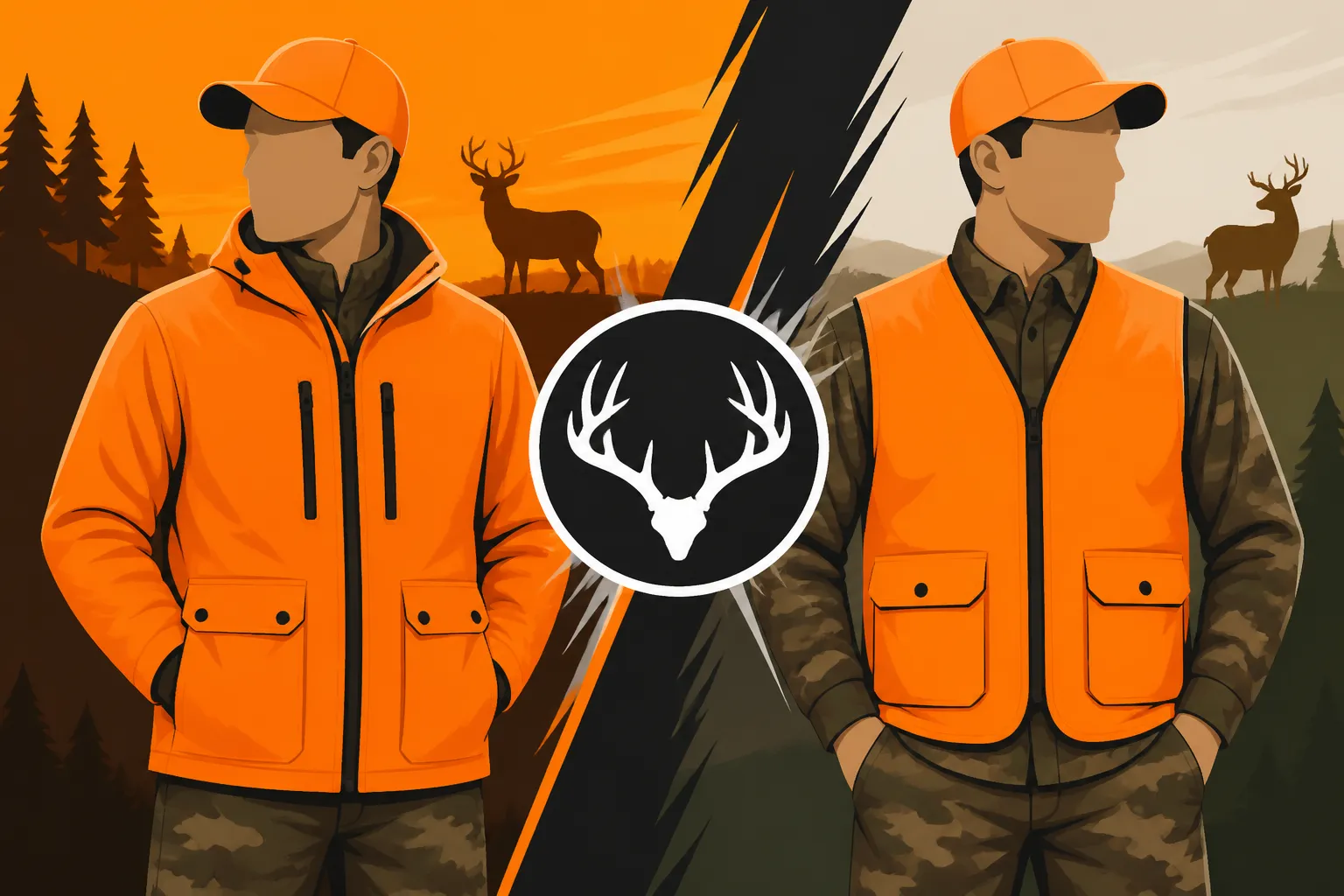
When the Georgia heat and humidity are cranking, especially during the early parts of the firearms season, a blaze orange vest often feels like a lifesaver. You don't want to be sweating buckets on your way to the stand, only to freeze once you sit down. Vests offer that crucial balance of visibility without unnecessary bulk or warmth.
Pros of Vests: Mobility, Layering, Warmer Weather
The biggest advantage of a blaze orange vest is its sheer versatility, especially in Georgia's often-mild hunting climate. Firstly, vests are incredibly lightweight and allow for superior mobility. If you're actively hunting, perhaps covering ground during Still-Hunting South Georgia Pine Flats or even just trekking a long distance to your remote stand, a vest won't restrict your movement or add unnecessary weight. You feel much less encumbered, which is a real blessing when you're navigating thick underbrush or climbing steep hills.
Secondly, vests are perfect for layering. Georgia's weather can be notoriously fickle; a morning that starts chilly can quickly turn into a warm, almost muggy afternoon. With a vest, you can layer a base shirt, a fleece, or even a light jacket underneath, then easily shed layers as the day warms up, all while maintaining your required blaze orange visibility. This adaptability is invaluable, preventing you from overheating or getting too cold. Many hunters appreciate that this layering approach lets them adapt to changes quickly, ensuring comfort throughout the hunt. Lastly, they are the undisputed champion for Warm-Weather Clothing for Georgia Hunters. When it's 70 degrees in November, a jacket is just too much, but a vest keeps you legal and visible without causing heatstroke.
Cons of Vests: Less Warmth, Snagging, Limited Storage
While vests are fantastic for their lightweight nature and layering capabilities, they certainly have their drawbacks. The most obvious one is the lack of warmth. If you're hunting during a Cold-Weather Sitting Strategy in a Georgia January, a vest simply won't cut it as your primary insulation layer. You'll need to pile on other warm garments underneath, which can sometimes negate the lightweight advantage depending on how many layers you need. This might not be an issue for the legal aspect of the orange, but it becomes a comfort problem very quickly.
Another common frustration with vests, especially the simpler mesh ones, is their susceptibility to snagging. Bushwhacking through briars or dense thickets can quickly lead to tears and rips in lighter vest materials. While this might not immediately compromise visibility, it shortens the lifespan of your gear and can be annoying. Finally, many basic vests offer very limited storage, if any. You might find a small pocket or two, but don't expect to stash your calls, rangefinder, or snacks. For those items, you'll still need a separate pack or pant pockets, which can be an inconvenience if you prefer to have everything easily accessible on your outer layer. Some hunters find that a simple mesh vest over a well-designed hunting shirt or light jacket from brands like GoHunt offers the best of both worlds—critical visibility without sacrificing other features.
Best Use Cases for Vests
So, when is a blaze orange vest your absolute best bet in Georgia? They shine in scenarios where mobility, heat management, and adaptable layering are top priorities. Think early firearms season, especially in September or October, when temperatures are still quite warm. If you're planning on covering a lot of ground, whether you're still-hunting, scouting, or participating in a deer drive, the vest's minimal bulk and restriction of movement are a huge advantage. You won't feel weighed down or overheated when you're actively moving through the woods.
Vests are also ideal for hunters who prefer to layer extensively underneath their outer shell. This allows for precise temperature regulation, pulling on or shedding insulation as the day progresses. When you're facing those famously changeable Georgia days, a vest lets you start with a warm base layer, add a fleece if needed, and still keep that essential orange visible. For instance, when the deer are really moving during Hunting the Rut in Mid-October, you might be more active, and a vest keeps you agile and comfortable. It's about staying nimble and cool, without compromising on safety.
Blaze Orange Jackets: Warmth and Protection
While vests are great for warm weather and high mobility, there are plenty of times in Georgia when you absolutely need the added protection and warmth that only a blaze orange jacket can provide. When that cold north wind starts blowing, or a winter rain settles in, a jacket becomes your best friend.
Pros of Jackets: Warmth, Weather Protection, More Storage
The clear benefits of a blaze orange jacket revolve around increased warmth, superior weather protection, and often, more functional storage. When Georgia finally gets a legitimate cold front, especially late in the season, a good jacket is indispensable. It provides a substantial layer of insulation that a vest simply can't match, keeping your core warm during long, cold sits in a stand or blind. This is particularly vital if you're out hunting during Hunting the Late-Season January Rut Lull when temperatures can dip significantly.
Beyond warmth, many jackets are designed with weather-resistant or waterproof features. This is a game-changer when you're facing a drizzly morning or an unexpected downpour. Staying dry is just as important as staying warm for comfort and safety in the field. Lastly, hunting jackets typically come equipped with multiple pockets, often generously sized and strategically placed. This means you can keep essential gear like your calls, rangefinder, license, and snacks readily accessible without needing a separate pack. The integrated nature of a jacket means fewer items to manage, which can simplify your hunt.
Cons of Jackets: Bulk, Overheating, Less Layering Flexibility
Despite their advantages, blaze orange jackets do come with a few trade-offs. The most common complaint is their bulk and weight. While this can be a benefit in cold weather, it can quickly become a hindrance if temperatures rise unexpectedly or if you're doing a lot of walking. Dragging a heavy, insulated jacket through a pine thicket when it's 60 degrees is a recipe for overheating and discomfort. This can lead to excessive sweating, which then makes you even colder when you stop moving.
Jackets also offer less flexibility for fine-tuning your layering system. Because the orange is integrated into a heavier garment, you can't easily shed it if you get too warm, forcing you to either tough it out or remove your safety color. This can be a real headache in Georgia's often fluctuating temperatures. Imagine starting your morning bundled up in a jacket for a Cold-Weather Sitting Strategy in a Georgia January, only for the sun to break through and push temperatures up by twenty degrees. You're stuck. The integrated nature means if you take off the jacket, you lose your required visibility, which isn't an option during firearms season.
Best Use Cases for Jackets
So, when does a blaze orange jacket truly shine in Georgia? It’s your go-to gear for those colder, wetter, and less active hunting scenarios. If you're primarily sitting in a stand or blind for extended periods, especially during late fall and winter, a jacket offers the warmth and protection you need to stay comfortable and focused. This is particularly true if you're hunting after a significant Georgia cold front, when the chill can truly bite.
A jacket is also the preferred choice when adverse weather is a factor. If there's a good chance of rain, sleet, or heavy fog, a waterproof or water-resistant jacket will keep you much drier and warmer than a vest over other layers. For instance, if you're trying to fill your tags during Georgia's Long Firearms Deer Season in December or January, or hoping for a bear in the Hunting the North Georgia Mountain Bear Zone during a late season hunt, a durable, warm jacket is usually the wisest choice. It provides that essential external barrier against the elements, allowing you to endure the conditions and extend your time in the field.
Making Your Choice: Factors Beyond the Law
Choosing between a blaze orange jacket and a vest isn't just about what's legal; it's about what makes you most effective and comfortable in the field. Your personal hunting style, the specific conditions of the day, and how you approach layering all play a significant role in making the right call. There's no single "best" option for every hunter or every hunt.
Climate and Weather: How Georgia's Variable Temps Impact the Decision
Georgia's climate is famously diverse, and it can throw a lot at hunters, sometimes all in a single day. The same day might start below freezing and warm up to nearly 70 degrees by afternoon, making gear choices surprisingly complex. This variability is perhaps the single biggest factor influencing whether you reach for a vest or a jacket. During the early firearms season, say in October, you might face mornings with a chill that quickly gives way to warm, even hot, afternoons. In these conditions, a lightweight vest is almost always preferable. You can wear it over a thin long-sleeve shirt or a light fleece, allowing you to breathe and move without overheating.
However, as the calendar flips to November, December, and especially January, the chances of encountering genuinely cold weather, including freezing temperatures and even light precipitation, increase dramatically. When you're sitting for hours, perhaps waiting for a big buck during Hunting the Rut in Mid-October and a cold front rolls through, a well-insulated, weather-resistant jacket will be your savior. Without it, you'll be shivering and miserable, cutting your hunt short. Always check the forecast—not just for the high, but for the low and any wind chill—before deciding. Many experienced Georgia hunters have both options ready to go, adapting to what Mother Nature throws their way.
Hunting Style and Activity Level
Your chosen hunting style also heavily dictates whether a vest or a jacket will serve you better. Are you a mobile hunter who constantly moves, tracks, and stalks? Or do you prefer to sit patiently in a blind or treestand for hours, waiting for game to come to you? These contrasting approaches demand different gear.
If your style involves a lot of movement—think Still-Hunting South Georgia Pine Flats, setting up new ambushes on the fly, or participating in a vigorous deer drive on public land—a vest is almost always the more practical choice. Its minimal bulk allows for unrestricted movement, reduces the chance of snagging on brush, and prevents overheating that can come with exertion. You'll be more agile, quieter, and ultimately more effective if your clothing isn't working against you. Conversely, if you're planning a long, stationary sit, particularly during colder parts of the season, a jacket provides the sustained warmth and protection necessary to remain comfortable and focused. When you're not generating body heat through movement, that added insulation is critical. Even a slightly heavier jacket from a brand like GoHunt that's designed for quiet movement can be a good compromise for those who sit but also need to occasionally adjust.
Layering Strategies
Mastering the art of layering is fundamental to hunting comfortably in Georgia, and your choice of blaze orange—vest or jacket—is an integral part of that system. A vest offers the ultimate flexibility in layering. You can build your entire insulation and weather protection system underneath the vest, tailoring it precisely to the day's conditions. This allows you to wear various combinations of base layers, mid-layers, and even a non-orange outer shell (if not legally required for visibility) beneath your vest, adding or subtracting garments as needed. This approach is perfect for adapting to rapid temperature changes, as discussed in Lightweight Layering for Warm-Weather Sits.
With a jacket, your layering strategy shifts. The jacket itself becomes your primary outer layer for warmth and weather protection, with the blaze orange integrated. This means your internal layers need to be more about insulation and moisture wicking, knowing that you likely won't be shedding the jacket without losing your legal visibility. While modern hunting jackets are designed to breathe and offer some flexibility, they inherently offer less adaptability than a vest over a complete system. The key is to assess the forecast, your activity level, and your personal comfort threshold. Often, having both a vest and a jacket in your hunting arsenal allows you to pick the perfect setup for any Georgia hunting scenario, ensuring you stay safe, warm, and effective.
| Feature | Blaze Orange Vest | Blaze Orange Jacket |
|---|---|---|
| Pros | – Lightweight, excellent mobility | – Superior warmth and insulation |
| – Ideal for layering (adapts to temp changes) | – Excellent weather protection (wind, rain, snow) | |
| – Less prone to overheating in warm weather | – Often includes ample storage pockets | |
| – Packs down small | – Integrated solution for cold/wet conditions | |
| Cons | – Offers minimal warmth | – Can be bulky and restrict movement |
| – No weather protection | – Prone to overheating in mild/warm weather | |
| – Can snag easily (especially mesh) | – Less flexible for layering (can't shed orange) | |
| – Limited or no storage pockets | – Heavier and takes up more pack space | |
| Ideal Scenarios | – Early firearms season (warm) | – Late firearms season (cold) |
| – Active hunting (still-hunting, drives) | – Stationary hunting (stand, blind) | |
| – Mild/variable weather days | – Cold, windy, or wet weather | |
| – When prioritizing agility and shedding layers | – When prioritizing warmth and protection |
Disclaimer
This article is for general informational purposes only and does not constitute professional advice. Laws, prices and regulations vary by location and change over time. Consult a qualified professional for guidance on your specific situation.