How Much Blaze Orange Georgia Requires
It’s a scenario many of us have faced: standing in the sporting goods aisle, trying to decipher the blaze orange regulations for hunting in Georgia, or worse, heading into the woods hoping you’ve got enough. The rules can feel like a moving target, varying by season, weapon, and even the type of game. This guide is here to clear up that confusion, diving deep into exactly how much blaze orange Georgia requires and, more importantly, why understanding these requirements is absolutely crucial for a safe and successful hunt.
Navigating Georgia's Blaze Orange Laws
The primary goal of any hunter is to return home safely, and a huge part of that in Georgia, especially during certain seasons, involves wearing enough blaze orange. It's not just a suggestion; it's the law, designed to make you highly visible to other hunters, dramatically reducing the risk of accidental shootings. Getting this wrong isn't just a fine waiting to happen; it's a safety hazard for everyone in the woods.
The Core Requirements for Firearms Deer Hunters
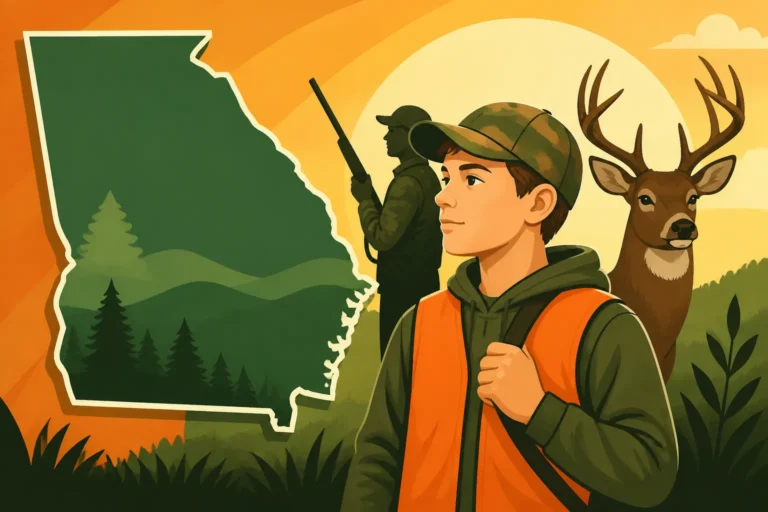
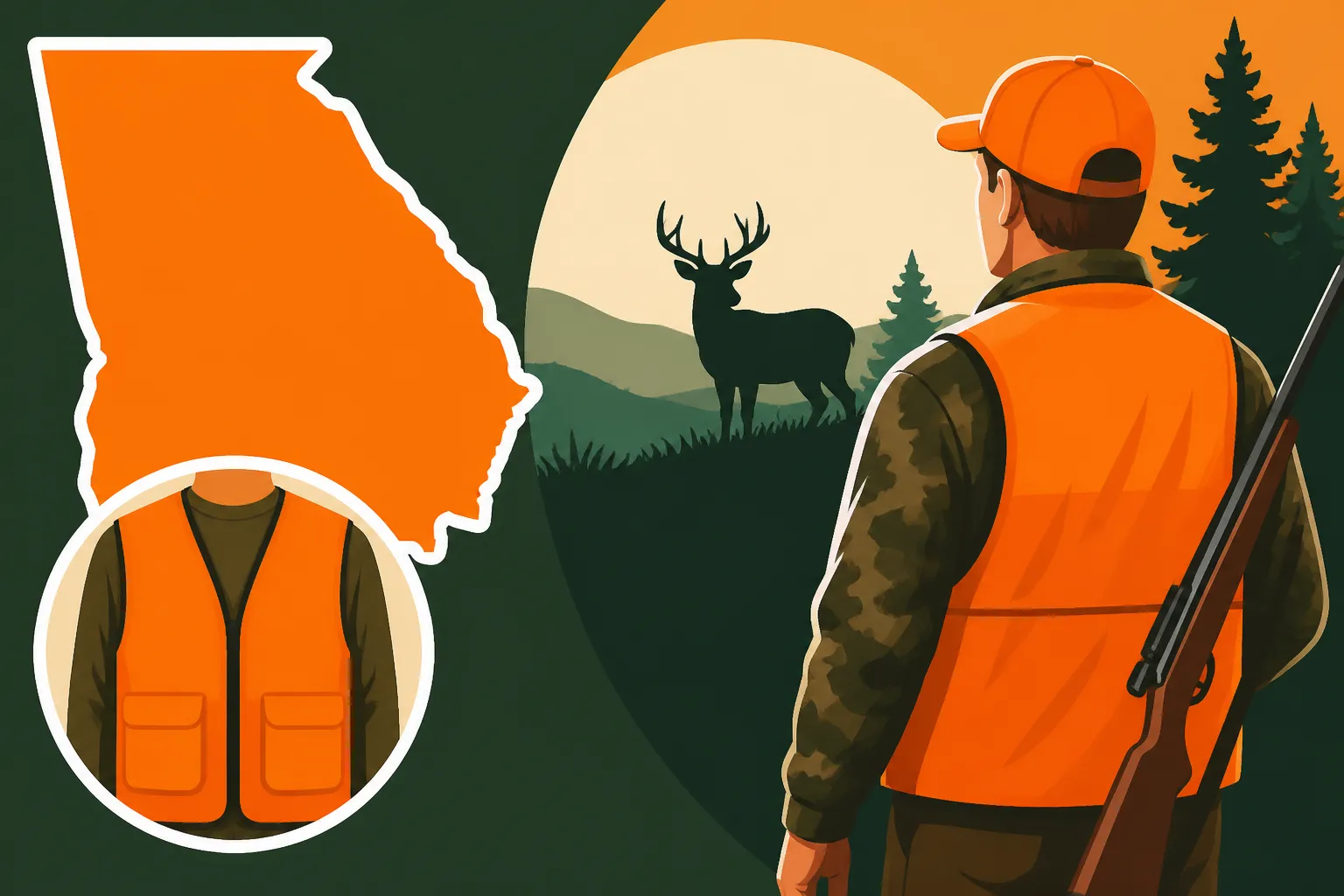
When you’re out pursuing deer with a firearm in Georgia, there's a very specific mandate regarding blaze orange. The law states that you, as the hunter, must wear at least 500 square inches of visible hunter orange or blaze pink above the waist, and it must be visible from all sides. Think about that for a moment: 500 square inches is a substantial amount. It's not just a little patch on your hat; it needs to be a prominent part of your outer clothing.
Typically, this means a blaze orange vest or jacket is almost always necessary. A simple hat, while helpful, rarely provides the full 500 square inches on its own, especially when you consider it needs to be seen from front, back, and both sides. This rule applies whether you're still-hunting through a thick pine stand or posted on a field edge during the statewide firearms season. Imagine yourself walking through dense underbrush to get to your stand before dawn. Even with a flashlight, that orange is your first line of defense as the woods slowly come alive. This requirement is in place because deer hunting, especially with firearms, often involves multiple hunters in the same general area, and differentiating a human from game animals, particularly in low light or dense cover, is paramount. Always double-check your gear to ensure it meets these critical dimensions before you even step foot out the door.
When Blaze Orange is Not Mandatory
Now, here's where some of the confusion often creeps in, and understandably so. While 500 square inches of blaze orange or pink is a firm rule during certain seasons, it's not universally required for all hunting in Georgia. Knowing the exceptions can save you from unnecessary bulk or, conversely, ensure you’re adequately protected when you need to be.
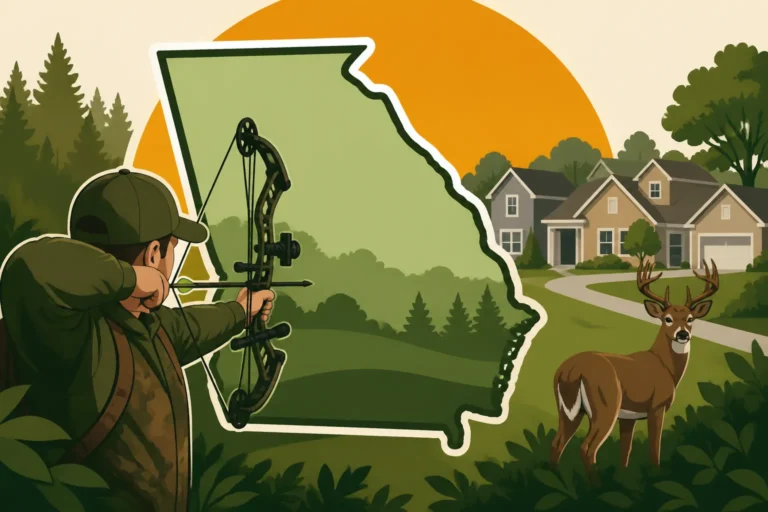
For instance, during Georgia's standalone archery season, typically from mid-September through mid-October, hunters are generally not required to wear blaze orange. This is a common time for bowhunters to enjoy the woods in full camouflage, taking advantage of the quiet approach needed for close-range shots. However, a critical caveat exists: if you are archery hunting during an overlap period when firearms hunting for deer or other species is also permitted in the same area (like during the primitive weapons week or late-season firearms), then the blaze orange requirements do apply to you as an archery hunter. Always consult the current regulations for Georgia Archery Season Dates to understand these overlaps.
Similarly, if you're chasing longbeards during Georgia Spring Turkey Season Rules, you won't be wearing blaze orange. Turkey hunting relies heavily on camouflage and concealment to draw in wary gobblers, and any bright colors would give you away instantly. The same goes for waterfowl hunting, where camouflaged blinds and clothing are essential for decoying ducks and geese. Small game hunting, such as squirrels or rabbits, also typically doesn't require blaze orange, unless it overlaps with an active firearms deer season, in which case the deer season rules take precedence for everyone in the area.
It’s also important to remember that these rules primarily govern safety during deer and bear firearms seasons, where visibility to other human hunters is the paramount concern. For hunters who spend a lot of time on Georgia Wildlife Management Areas, always be sure to check the specific WMA regulations, as some areas may have unique rules or recommendations. The key takeaway here is to understand the specific season and game you’re pursuing, and then cross-reference with the current Georgia Department of Natural Resources (DNR) regulations to ensure you're in compliance.
The Option of Blaze Pink in Georgia
In recent years, Georgia has recognized that hunter safety isn't exclusive to one color. For those who prefer it, or perhaps for new hunters and youth looking for an alternative, blaze pink is now legally equivalent to blaze orange in Georgia. This is a fantastic step towards inclusivity and giving hunters more options while maintaining the same critical safety standards.
Just like with blaze orange, any blaze pink garment must meet the same 500 square inches of visible material above the waist, observable from all directions, during seasons where hunter orange is required. Research has shown that blaze pink is just as visible, if not more so, in certain lighting conditions and environments compared to blaze orange. It cuts through the greens and browns of the forest canopy effectively, making hunters stand out distinctly to other human eyes, while still being perceived as muted or gray by most deer and other colorblind game animals.
This means you have the freedom to choose the color that you prefer, or that might be more readily available to you, without compromising on safety or breaking any regulations. Whether you opt for a vibrant orange vest or a sharp blaze pink jacket, the important thing is that you adhere to the coverage requirements and make yourself as visible as possible. This flexibility reflects a broader understanding of hunter preferences and modern safety science, and it’s a welcome change for many in the hunting community. For more details on this, you can look into specific guidelines on Blaze Pink Options Under Georgia Law.
Practical Strategies for Wearing Blaze Orange Effectively
Simply owning a blaze orange vest isn't enough; you need to wear it correctly and strategically to maximize your safety and compliance. It’s about more than just checking a box; it’s about making a conscious effort to be seen in the woods.
Choosing the Right Gear and Placement
When it comes to blaze orange or pink, not all gear is created equal. You want to choose items that provide the maximum visibility while still being practical for hunting. A simple vest is often the go-to, but consider one that is cut generously to drape over your body and cover your torso adequately. Many vests are designed with straps that allow for adjustment, ensuring a snug fit without bunching up.
Hats are another crucial component. A blaze orange cap or beanie is an excellent addition, as it provides visible coverage at the highest point of your body, making you easier to spot over brush or from a slight elevation. However, remember that a hat alone is almost never enough to meet the 500 square inch requirement. Combining a hat with a full vest or jacket is the best approach.
One common mistake hunters make is wearing a backpack over their blaze orange vest, effectively covering a significant portion of the required visibility. If you're carrying a pack, ensure your vest or jacket is worn outside of it, or choose a vest designed to integrate with a backpack, keeping the orange panels clear. Some vests even have panels on the back that expand to accommodate a full pack, maintaining visibility. When you're out there, relying on tools like the Georgia Outdoors App or GoHunt to navigate Georgia Public Land Hunting Hours or pinpoint your location, you want to make sure your safety gear isn't being inadvertently obscured. After all, what’s the point of wearing it if no one can see it? Consider a vest with large, unobstructed panels, ideally made from durable, quiet material that won't snag or rustle excessively as you move through the timber.
Layering and Weather Considerations
Georgia weather is famously unpredictable, often swinging from chilly mornings to warm afternoons, sometimes within the same hunt. This can make proper layering a challenge, especially when blaze orange is a mandatory outer layer.
For early season hunts, which can still be quite warm, look for lightweight, breathable blaze orange vests or mesh jackets. You want something that provides the required visibility without causing you to overheat. Brands like GoHunt often provide weather overlays on their maps, helping you plan your layers more effectively. Carrying a compact, lightweight orange vest that can be easily donned or removed (when not legally required, of course) is a smart move. If rain is in the forecast, invest in a waterproof blaze orange rain jacket or a waterproof vest that can be worn over your primary raingear, again, making sure the orange is the outermost, visible layer.
As the season progresses into colder months, layering becomes even more important. You might wear several base layers, a fleece, and then a heavier insulated jacket. Your blaze orange piece should still be the outermost garment. Some hunters opt for a blaze orange softshell jacket that provides warmth and weather resistance while meeting the visibility requirements. The key is to avoid situations where your protective orange layer is hidden underneath other clothing. Prioritize comfort and weather protection, but never at the expense of being seen by other hunters. A truly dedicated hunter always ensures their visibility, regardless of the thermometer.
Avoiding Common Missteps on Public and Private Land
While the core blaze orange requirements are generally statewide, there are nuances, especially when it comes to the type of land you're hunting. Most regulations focus on public lands, such as Georgia Wildlife Management Areas or National Forests, where hunter density can be higher and the need for clear visibility is acute. On private land, the law still applies if it’s a firearms deer season, but sometimes landowners or hunting clubs might have additional, stricter rules, or conversely, if it’s an archery-only private land hunt, they might allow camouflage. Always clarify with the landowner or club manager.
A common misstep is assuming that because you’re on private land, you don’t need to wear orange. If it’s firearms deer season, you absolutely do. Another mistake is taking off your orange too early or putting it on too late. The law applies from the moment you begin your hunt until you conclude it, which means walking to and from your stand, even in the dark, usually requires being visibly marked. Imagine walking through a food plot just before legal shooting light; another hunter might be approaching, and your orange is their only clue you're there.
Furthermore, hunters sometimes mistakenly believe they only need orange when actively shooting. No, it’s about being visible to prevent an incident. Even if you're just scouting or tracking, if it's within a required season, wear your orange. Familiarize yourself with how to use a mapping tool like Using the Georgia Outdoors Map Tool to accurately identify property boundaries and public land areas, which can sometimes be confusing checkerboards. Knowing precisely where you are helps you adhere to local regulations and remain safe. The goal is to eliminate any doubt about your presence in the hunting area, for your safety and for the safety of others.
The Deeper Importance of Hunter Orange for Safety
Beyond legal compliance, the embrace of blaze orange or pink speaks to a fundamental principle of ethical hunting: safety first. It's a testament to our collective responsibility as outdoorsmen and women to protect ourselves and each other.
Reducing Accidents and Enhancing Visibility
The most profound reason for wearing blaze orange is its unparalleled effectiveness in reducing hunting accidents. Simply put, it saves lives. Deer are largely colorblind, seeing the world in shades of gray, blue, and yellow. To them, a bright orange vest might appear as just another muted tone against the backdrop of the forest. To human eyes, however, blaze orange screams "person!" It stands out like a beacon against the greens, browns, and grays of natural landscapes, even in dim light or thick cover.
Consider the dynamic conditions in the field: dappled sunlight, dense fog, or thick brush. In these environments, even experienced hunters can misidentify targets. Blaze orange acts as a stark, unmistakable contrast, allowing another hunter to quickly and unequivocally recognize that what they are seeing is a human being, not a game animal. Statistics from wildlife agencies across the country consistently show that hunter orange significantly reduces "mistaken for game" incidents, which were once a tragic staple of hunting accident reports. This isn't just about avoiding a legal penalty; it's about coming home safe to your family after a day in the woods. Every time you don that orange, you're making a conscious decision to protect yourself and those around you. It's an affirmation of your commitment to safe hunting practices. Learning this vital information is a core part of Georgia Hunter Education Requirements for a reason.
Promoting a Culture of Responsibility and Awareness
Wearing blaze orange isn't just a personal safety measure; it's a visible symbol of a hunter's commitment to responsibility within the wider outdoor community. When you see another hunter wearing their orange correctly, it communicates a shared understanding of safety protocols and a mutual respect for life in the woods. This unspoken code helps foster a positive and safe hunting culture.
Imagine a new hunter, perhaps someone utilizing a Georgia Apprentice Hunter License Rules, learning the ropes with a mentor. Seeing experienced hunters consistently wearing their orange sends a powerful message about the importance of safety from day one. It helps instill habits that will last a lifetime. This is especially relevant in a state like Georgia, where Hunting Pressure on Georgia Public Land can sometimes be high, and clear communication, even non-verbal, is vital.
Furthermore, proper blaze orange use helps to maintain a positive public image for hunters. Non-hunters who might be hiking or otherwise recreating on public lands often feel safer when they see hunters clearly marked, demonstrating that hunters are responsible and safety-conscious. This awareness helps bridge the gap between hunting and non-hunting communities, fostering understanding and respect. It shows that we, as hunters, prioritize safety above all else, upholding the highest ethical standards of our sport.
Hunter Orange Requirements At a Glance
To simplify Georgia's requirements for blaze orange or pink, here's a quick reference table. Remember, always double-check the latest Georgia DNR regulations as seasons and rules can sometimes change.
| Hunting Activity / Season | Blaze Orange/Pink Required? | Specifics |
|---|---|---|
| Firearms Deer Season (Statewide) | YES | 500 square inches above the waist, visible from all sides. |
| Primitive Weapons Deer Season | YES | Same as firearms deer season. |
| Archery Deer Season (Standalone) | NO | Unless a firearms season for deer or other species is open in the same area. |
| Bear Season (Firearms) | YES | Same as firearms deer season. |
| Turkey Hunting (Spring/Fall) | NO | Camouflage is standard. |
| Waterfowl Hunting | NO | Camouflage is standard for concealment. |
| Small Game Hunting | NO | Unless a firearms deer season is open in the same area; then 500 sq. inches applies. |
| Trapping | NO | Not typically required, but visibility is always a good idea in shared areas. |
| Walking to/from Stand (Firearms) | YES | Applies during legal hunting hours for active firearms seasons, even in low light. |
This table provides a general guideline, but the golden rule remains: when in doubt, wear it!
Disclaimer
Please note that hunting regulations, seasons, and licensing requirements in Georgia can change. While this guide provides comprehensive and up-to-date information based on current regulations, it is crucial for every hunter to consult the official Georgia Department of Natural Resources (DNR) hunting regulations each year before heading afield. This content is for informational purposes only and should not be considered legal advice.