Bird Dog Gear for Georgia Plantation Country
Heading out into Georgia's beautiful, sprawling quail plantations with your bird dog is one of life's true pleasures, but it comes with its own set of challenges. The unique terrain, the heat, and the sheer physicality of working a bird all day mean your best four-legged hunting partner needs the right gear to stay safe, healthy, and performing at their peak. This guide is all about making sure you've got everything covered, from their paws to their tracking system, so you can both enjoy those crisp mornings and explosive covey flushes without a hitch.
Essential Gear for Your Bird Dog in Georgia's Upland Fields
When you're walking through those longleaf pine stands and broom sedge fields, your dog isn't just a companion; they're a finely tuned athlete. Equipping them properly for the hunt means thinking beyond just a leash. We're talking about basic necessities that protect them from the elements and the terrain, ensuring they can do their job effectively and comfortably.
Durable Collars and Leashes for Field Work
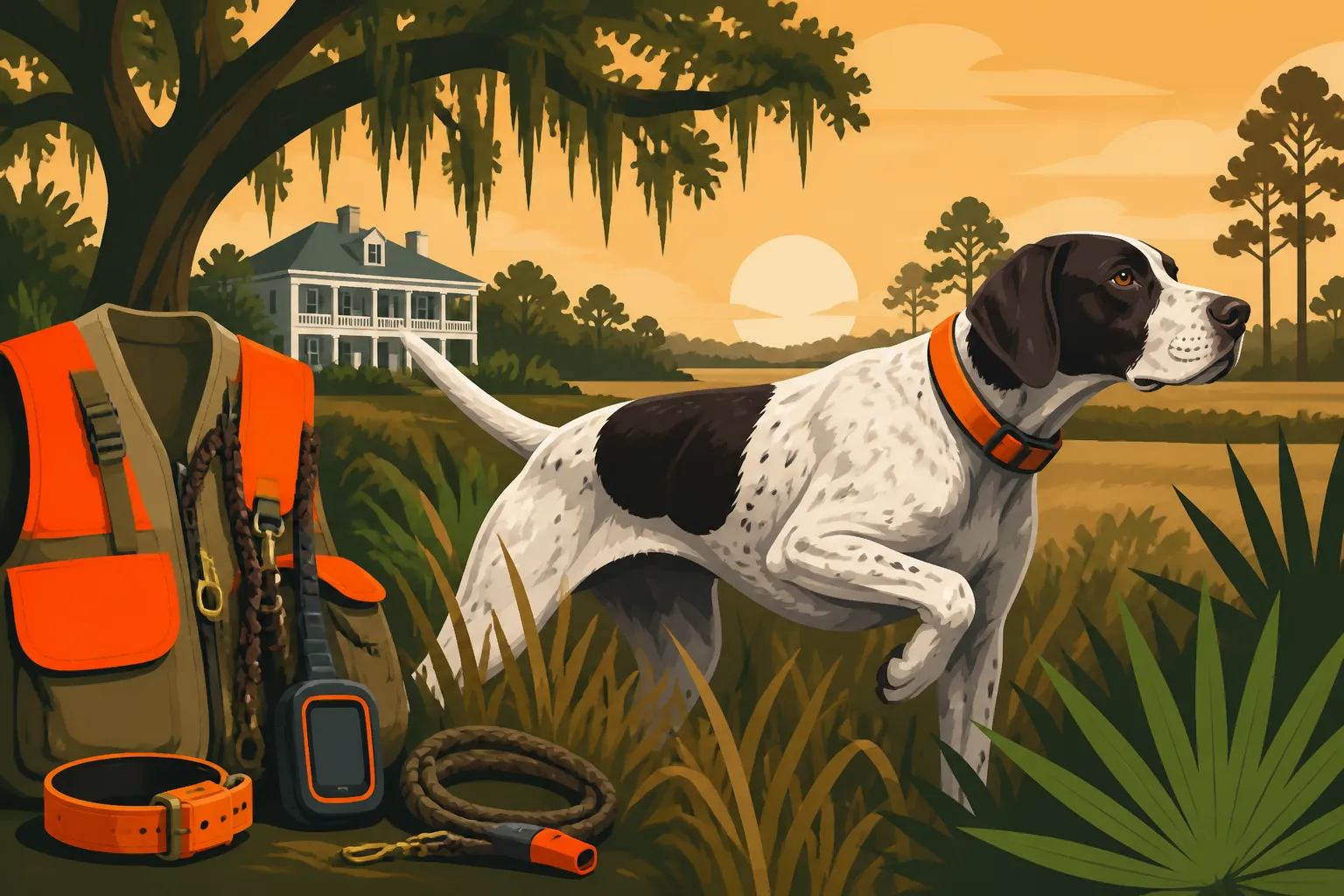
Every bird dog needs a collar, but for the demanding environment of a Georgia quail plantation, not just any collar will do. You need something rugged that can withstand thorns, briars, mud, and water, yet remains comfortable for your dog to wear for hours on end. Leather collars are classic and durable, often breaking in beautifully over time, but synthetic materials like Biothane are also incredibly popular because they're waterproof, stink-proof, and easy to clean – a huge plus when you're wading through dew-soaked grass or splashing through a creek. Make sure the D-ring is solid and won't bend or break if your dog gets snagged or you need to grab them quickly.
Leashes, too, need to be up to the task. A good field leash is often longer than your standard walking leash, perhaps 6 to 8 feet, giving your dog a bit more room to range while still under control. Material matters here again; something that offers a good grip even when wet, like braided nylon or Biothane, is ideal. You might even consider a slip lead that can be quickly put on or taken off as you move from the truck to the field and back, allowing for efficient transitions without fumbling with buckles. When you're Working a South Georgia Quail Covey Rise, quick and easy handling of your dog is paramount.
Whistles and Communication Tools
Effective communication is the cornerstone of a well-trained bird dog, and nothing beats a whistle for consistent, far-reaching commands. Unlike your voice, a whistle's tone won't change with your mood, fatigue, or the wind direction. You'll want a quality whistle that produces a clear, consistent sound, whether it's a pea whistle for a classic trill or a pealess whistle for a sharper, more penetrating sound that cuts through distance and wind.
Different whistles are better suited for different situations and dogs. Some handlers prefer a single-frequency whistle for general commands, while others might use a combination whistle with two distinct tones for different signals. It’s important to introduce the whistle early in training and associate specific blasts with actions like "stop," "come," or "turn." Think of it as an extension of your own voice, enabling you to direct your dog precisely even when they’re out of sight, deep in the cover while you're trying to locate a covey.
Advanced Training and Tracking Systems
Georgia's quail country can be vast, and even the best-trained dog can get out of sight or into a tough spot. Modern technology has given us incredible tools to extend our communication, refine training, and, most importantly, keep track of our canine partners. These systems are invaluable for both safety and effectiveness, especially when covering large tracts of land.
Electronic Collars for Refined Control
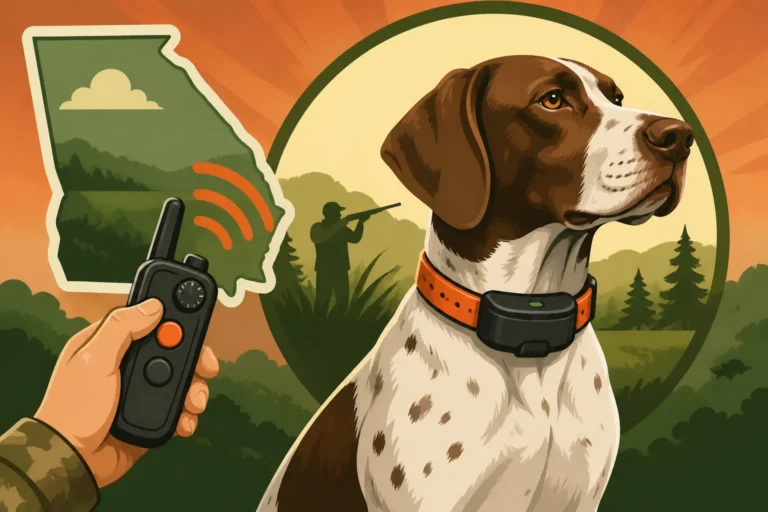
Electronic collars, often called E-collars or remote trainers, are powerful tools for reinforcing commands and managing your dog's behavior at a distance. When used correctly and humanely, they can be instrumental in ensuring your dog stays within reasonable range, stops on command, or heeds an instruction even when distracted by tempting bird scent. For a bird dog, this means you can correct an undesirable behavior, like chasing after a flushed bird, or reinforce a positive one, like a steady point, without having to physically be right next to them.
The key to successful E-collar use is proper introduction and consistent, low-level stimulation to guide, not punish. Choose a model with multiple stimulation levels, including a "nick" and a "continuous" option, and make sure it has a significant range to cover the open spaces you'll encounter when Hunting a Managed Quail Plantation. Brands like Garmin offer robust systems that integrate well with tracking, providing a comprehensive solution for advanced field work. Learning to use it effectively takes time and patience, but the benefits in dog control and safety are undeniable.
GPS Tracking Systems for Peace of Mind
There's nothing quite like the heart-stopping moment when your dog goes on point, but then vanishes from sight in thick cover, or perhaps ranges a little too far. GPS tracking systems have become an absolute game-changer for bird dog owners, offering real-time location tracking that can pinpoint your dog's exact position, direction of travel, and even if they're on point or treed. This technology not only prevents lost dogs but also helps you understand your dog's working style and improve your own hunting strategy.
Many modern GPS systems integrate with handheld devices or even smartphone apps, showing you a detailed map of your dog's movements and your own. Some, like the Garmin Alpha series, combine GPS tracking with E-collar functions, giving you a single device for both tracking and remote training. This is incredibly useful for navigating large properties, ensuring you know exactly where your dog is at all times, especially on big land. When planning a hunt on unfamiliar territory, using a mapping tool like those integrated with GoHunt can help you visualize the terrain and anticipate where your dog might range, making your GPS tracking system even more effective. This technology means you can confidently allow your dog to Working Pointing Dogs on Wild Georgia Quail without constant worry.
Training Dummies and Scent Kits
While not strictly "on-the-hunt" gear, training dummies and scent kits are crucial for preparing your bird dog for Georgia's quail season. Repetitive, positive training builds the foundation for a successful hunting partner, and these tools are central to that process. Dummies, ranging from canvas bumpers to plastic birds, help teach retrieves, steadying, and handling. They come in various weights and textures, simulating actual game birds without using live birds during initial training phases.
Adding scent to these dummies, typically game bird scent like quail or pheasant, helps introduce your dog to the smell of their quarry in a controlled environment. This allows them to develop their nose and learn what to look for, building their desire and focus before they ever hit the field. Consistency in training with these tools helps solidify commands and behaviors, making your dog more predictable and effective when the real birds are on the ground. Think about how much more successful your actual hunt will be if your dog is already proficient in retrieving from cover before Hunting the Primitive Weapons Week in Georgia.
Safety and First Aid for Field Dogs
Georgia's diverse terrain, from dense pine thickets to swamp edges, presents specific hazards for bird dogs. Beyond training, protecting your dog from injury and being prepared for emergencies is paramount. A small oversight can lead to a big problem quickly, and having the right safety gear and first aid supplies can make all the difference in keeping your hunting buddy healthy.
Protective Vests and Boots
Walking through tough cover means your dog's vulnerable areas – chest, belly, and paws – are constantly exposed to cuts, scrapes, and punctures. A good protective vest, often made from durable Cordura or similar rip-resistant fabric, can shield their chest and underbelly from briars, thorns, and sharp sticks. These vests often come in bright, highly visible colors like orange or yellow, which also serve the crucial purpose of making your dog easier to spot in thick vegetation, minimizing the risk of accidental injury from another hunter, and keeping them visible to you.
Dog boots are another essential item, especially if your dog has sensitive paws or if you're hunting particularly rocky or abrasive terrain. While some dogs take time to adjust to wearing them, dog boots can prevent pad tears, cuts from sharp debris, and even protect against extreme temperatures on very hot or cold ground. Having a set of boots on hand, even if you don't use them every hunt, is a smart preventative measure. When you're spending days hunting in the extended Georgia's Long Firearms Deer Season or running dogs on Feral Hog Hunting Year-Round in Georgia, foot protection for your dog is key.
| Feature | Protective Vest (Heavy Duty) | Protective Vest (Lightweight) | Dog Boots (All-Terrain) | Dog Boots (Temporary/First Aid) |
|---|---|---|---|---|
| Primary Purpose | Thorn/Briar Protection, Visibility | Visibility, Minor Scrape Protection | Paw Protection from Rough Terrain | Injury Protection, Hot Ground |
| Material | Cordura, Ballistic Nylon | Ripstop Nylon, Mesh | Rubber Sole, Neoprene Upper | Fabric, Velcro Straps |
| Visibility | High (Orange, Yellow) | High (Orange, Yellow) | Often Black or Dark Colors | Varied, often High-Vis |
| Breathability | Moderate | High | Moderate | Moderate |
| Durability | Excellent | Good | Excellent | Fair |
| Typical Use | Dense cover, active hunting | Open fields, light cover | Rocky, abrasive ground, long hunts | Injured paw, temporary relief |
| Key Benefit | Prevents cuts, highly visible | Keeps dog seen, comfortable | Prevents pad tears/abrasions | Protects wounds, quick fix |
Snake Protection and Awareness
Georgia is home to several venomous snake species, including rattlesnakes and cottonmouths, which pose a significant threat to curious bird dogs working through fields and swamps. While no gear offers 100% protection, a snake-proof vest can provide a crucial layer of defense for your dog's neck, chest, and belly – common strike zones. These vests are typically made from tough, puncture-resistant material like Cordura or Kevlar.
Beyond gear, training for snake avoidance is vital. Many trainers offer specific programs to teach dogs to recognize and steer clear of snakes using aversion conditioning. Always be vigilant yourself, scanning the ground ahead, especially in sunny spots where snakes might bask or in dense cover where they hide. If you hunt regularly in areas known for snakes, investing in both a protective vest and snake avoidance training for your dog is a wise decision. You certainly don't want a snake encounter to cut short a great day of Quail Hunting Georgia Plantation Country.
Comprehensive Canine First Aid Kit
Just like you carry a first aid kit for yourself, a well-stocked kit for your dog is non-negotiable for any serious hunter. Accidents happen, whether it's a minor cut, a thorn puncture, or something more serious. Your kit should include essentials like antiseptic wipes, gauze rolls and pads, vet wrap, medical tape, tweezers for removing splinters or ticks, a small pair of blunt-tipped scissors, and a sterile saline solution for flushing wounds or eyes.
Don't forget some basic medications, too, like a dog-safe pain reliever (consult your vet first for dosage) and anti-histamines for allergic reactions, such as to insect stings. A small bottle of hydrogen peroxide can induce vomiting if your dog ingests something toxic (again, consult your vet or poison control before administering). Knowing how to perform basic canine first aid, like wrapping a paw or stopping bleeding, is just as important as having the supplies. This preparedness ensures that a minor issue doesn't escalate into a trip-ending emergency.
Comfort and Care: Post-Hunt Essentials
The hunt doesn't end when the last bird is flushed. The true measure of a responsible bird dog owner is the care provided after a long day in the field. Proper post-hunt care ensures your dog recovers quickly, stays healthy, and is ready for the next adventure. This includes everything from proper hydration to a comfortable place to rest their weary bones.
Hydration and Nutrition
A working bird dog expends an incredible amount of energy and can become dehydrated quickly, especially in Georgia's heat. Always carry plenty of fresh water and a collapsible bowl for your dog. Offer water frequently throughout the hunt, not just during breaks, but even during short lulls in action. Dehydration can lead to heatstroke, fatigue, and serious health problems. Some handlers carry electrolyte supplements specifically designed for working dogs to help replenish vital minerals lost through exertion and sweating (yes, dogs "sweat" through their paw pads and panting).
When it comes to nutrition, your bird dog needs a high-quality, high-protein diet year-round, but especially during hunting season. Consider a performance dog food that's formulated for active breeds. After a hunt, a good meal helps replenish their energy reserves and supports muscle recovery. Avoid feeding a large meal right before intense activity, which can lead to bloat, a life-threatening condition. Instead, offer a smaller, easily digestible snack a few hours before the hunt and a full meal a few hours after.
Warmth, Shelter, and Rest
After a long, strenuous day of running and pointing, your bird dog deserves a comfortable and warm place to rest. Even in Georgia, evenings can get chilly, especially during the later parts of Georgia's Deer Season Structure Explained that overlap with upland bird seasons. A good quality dog bed, whether it's in a crate in your vehicle or at home, provides insulation from cold floors and supports their joints.
If you're staying at a hunting camp or lodge, ensure your dog has a designated, safe, and warm sleeping area away from drafts. Proper shelter helps prevent muscle stiffness and keeps their immune system strong. A tired dog is a happy dog, but a dog that doesn't get enough rest between hunts can quickly become prone to injury or illness. Just like human athletes, rest and recovery are crucial for their performance and longevity in the field.
Paw Care and Muscle Recovery
Your dog's paws are their primary interface with the hunting ground, and they take a beating. After each hunt, inspect their paw pads carefully for cuts, cracks, thorns, or any foreign objects. Clean their paws gently with warm water and apply a paw balm or moisturizer to prevent cracking and promote healing. Keeping their nails trimmed is also important to prevent snags and maintain proper foot structure.
For muscle recovery, a gentle massage can do wonders for a tired bird dog, much like it does for human athletes. Focusing on their legs, shoulders, and back can help improve circulation and alleviate stiffness. Some handlers even use warm compresses on sore areas. If you notice any limping, swelling, or unusual sensitivity, don't hesitate to contact your veterinarian. Being proactive about paw and muscle care will keep your dog in top condition for many hunting seasons to come.
Apparel and Protection for Handlers
Let's not forget about the human end of the leash! Your comfort and protection are just as important when you're navigating Georgia's quail country. A miserable hunter makes for a less effective handler, and exposed skin or feet can lead to painful distractions. Dressing appropriately and carrying the right personal gear ensures you can focus on the hunt and your dog's performance.
Upland Vests and Game Bags
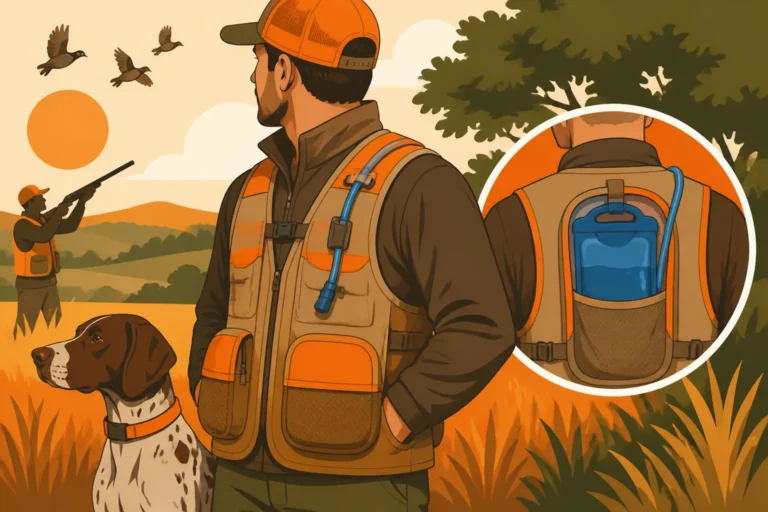
An upland hunting vest is an indispensable piece of gear for any bird hunter. Unlike a traditional hunting coat, a vest keeps your arms free for swinging your shotgun, and its specialized pockets are designed for carrying all the essentials. Look for a vest with large, easily accessible front pockets for shells, a water bottle, a whistle, and perhaps a GPS unit. A key feature is the integrated game bag across the back, typically lined with an easy-to-clean, waterproof material, perfect for stashing your harvested quail.
Many vests also incorporate blaze orange or blaze pink panels for visibility, which is crucial for safety in the field, especially when hunting with a group. Some models offer extra padding on the shoulders to absorb recoil, or a dedicated transmitter pocket for your GPS/E-collar remote. The best vest will be one that fits comfortably, distributes weight evenly, and allows for full range of motion.
Brush Pants and Snake Protection
Walking through dense broom sedge, briar patches, and pine thickets can tear up ordinary pants in a single outing, not to mention your legs. Brush pants are specifically designed for this type of abuse, made from heavy-duty, abrasion-resistant fabrics like Cordura or canvas. They often feature reinforced fronts or full chap-style protection, safeguarding your legs from thorns and sharp undergrowth.
Beyond thorns, snake protection for hunters is just as critical as it is for dogs in Georgia. Many brush pants integrate snake-proof material in the lower leg, or you can opt for snake chaps or gaiters that strap over your regular pants. This provides a vital defense against venomous snake bites, which can happen quickly and unexpectedly. Pairing good brush pants with Snake Boots for Coastal Plain Walking is the ultimate defense for your lower body, allowing you to focus on the dogs and the birds, not every step you take.
Weather-Appropriate Outerwear
Georgia's weather can be unpredictable, especially during the fall and winter hunting seasons. Mornings might be crisp and cool, requiring a light jacket, but by midday, the sun can warm things up significantly. Layering is always the smart approach. Start with a moisture-wicking base layer, add an insulating mid-layer for warmth, and top it off with a windproof and water-resistant outer layer. This allows you to adjust your clothing as the temperature and your activity level change.
A lightweight, packable rain jacket is also a must-have, even if the forecast looks clear. Pop-up showers can occur, and staying dry is crucial for comfort and preventing hypothermia on cooler days. Choose outerwear in subdued colors or camo patterns, or with integrated blaze orange panels to maintain visibility without alarming the birds. For hunters, much like for dogs, being prepared for the environment ensures endurance and focus throughout the day, whether you're out Hunting a Green Field Planted for Deer or chasing quail.
Disclaimer
This article is for general informational purposes only and does not constitute professional advice. Laws, prices and regulations vary by location and change over time. Consult a qualified professional for guidance on your specific situation.