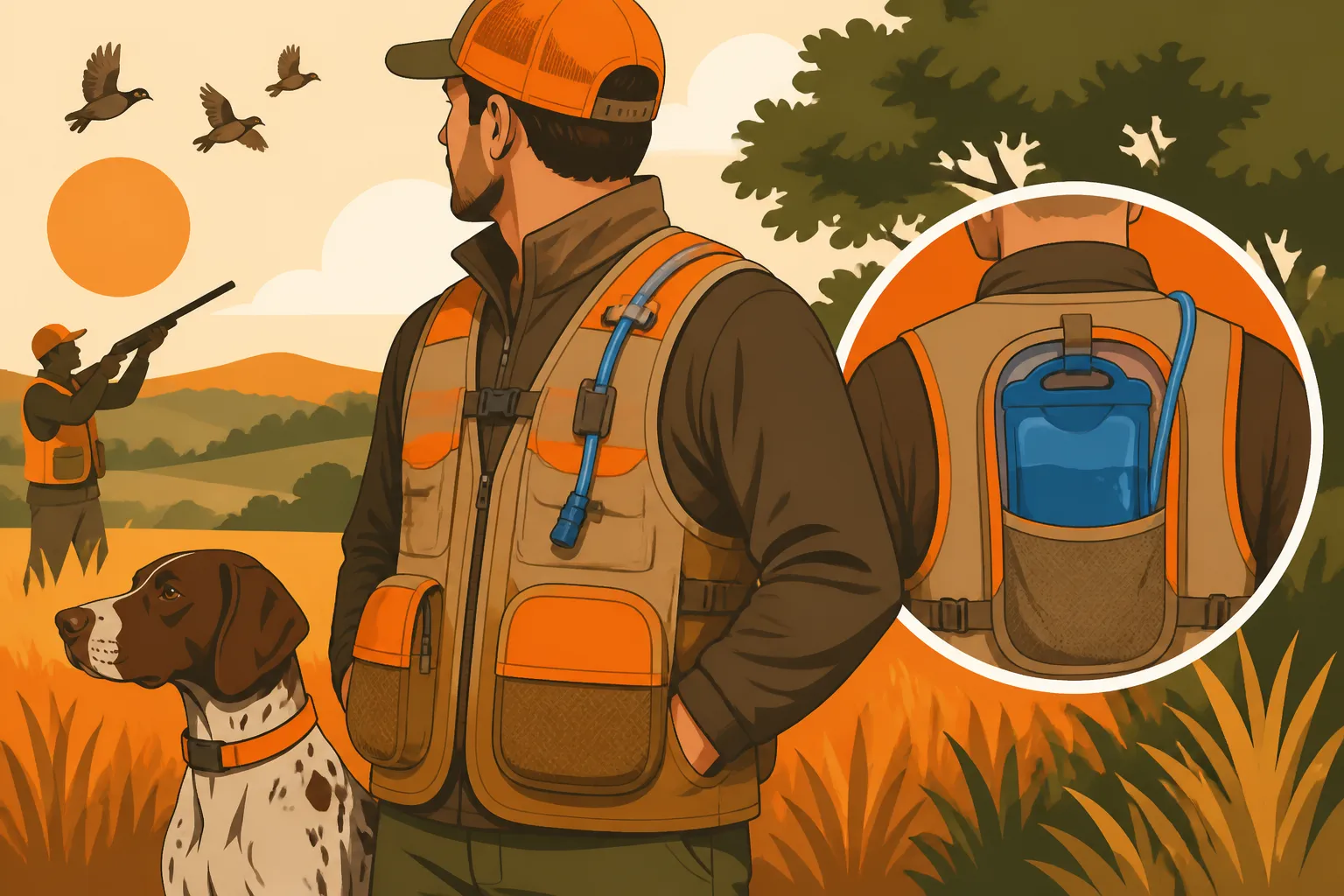
Upland Vests With Water Capacity
There's nothing quite like the thrill of a covey rise, the flush of a bobwhite quail, or the anticipation of a good bird dog working a scent through a Georgia pine stand. But that excitement can quickly turn to discomfort, or even danger, if you're not properly hydrated, especially when those southern temperatures and humidity levels decide to crank up. This guide is all about tackling that common challenge by diving deep into upland vests with built-in water capacity, helping you stay refreshed and focused from the first step to the last retrieve.
The Undeniable Need for Hydration in Georgia's Upland Fields
Let's face it, Georgia hunting isn't always about crisp, cool mornings. Many of us chase birds when the air is still thick, even into the late fall, and the exertion of walking miles of cover with a shotgun and a dog in tow can drain you faster than you think. Ignoring hydration is a rookie mistake that can have serious consequences.
Why Dehydration is a Real Threat for Georgia Bird Hunters
Georgia's climate is famously humid, and even when the thermometer isn't screaming triple digits, the air can feel heavy. When you're actively hunting, whether it's pushing through a dense Working a South Georgia Quail Covey Rise or navigating the rolling hills of the Piedmont, your body is working hard. You're constantly moving, often uphill or through thick brush, and sweating is your body's way of trying to cool down. This constant perspiration, combined with the often relentless Georgia sun, means you're losing fluids at a rapid rate.
It's not just about comfort; it's about safety and performance. Mild dehydration can lead to fatigue, reduced focus, and even impaired judgment, which is the last thing you want when handling a firearm or navigating unfamiliar terrain. Severe dehydration is a medical emergency. And let's not forget our canine companions – they often work even harder than we do, pushing through cover, and their need for water is just as critical, if not more so. A parched throat isn't just unpleasant; it impacts your ability to make good decisions, safely handle your firearm, and enjoy the experience. You might think you're fine, only to realize too late that you've been pushing it too hard.
The Problem with Traditional Water Carrying Methods
For years, hunters have jury-rigged their water solutions. Maybe it's a plastic water bottle stuffed into a vest pocket, jingling and bumping with every step. Perhaps it's a separate backpack with a hydration bladder, adding another layer to your gear and potentially hindering quick access to your game bag or shells. Or, the classic, leaving bottles in the truck, which forces you to cut your hunt short every time you or your dog need a drink. None of these are ideal for the dynamic, stop-and-go nature of upland hunting.
Those water bottles in pockets are notorious for creating uneven weight distribution, leading to discomfort and chafing on longer treks. They're also often difficult to access quickly, especially if you're holding a shotgun or your dog suddenly goes on point. Reaching for a bottle can break your rhythm and concentration. Separate hydration packs, while offering more capacity, can add bulk and restrict movement, which is a major drawback when you need to swing on a fast-flushing bird. Plus, they might not integrate well with your existing vest, leaving you feeling overloaded. And the truck option? That's really only feasible for very short forays, definitely not for a full day of Hunting a Managed Quail Plantation where you might be miles from your vehicle. These compromises detract from the hunting experience, turning what should be an enjoyable outing into a constant battle with inconvenient gear.
Exploring Upland Vests with Integrated Water Capacity
The hunting gear market has evolved to address these challenges, and upland vests with integrated water capacity are a game-changer. These aren't just vests; they're thoughtfully designed systems that prioritize both hydration and efficiency, ensuring you have everything you need, precisely when you need it.
Design and Functionality: What to Look For
At the heart of these vests is the hydration bladder, typically nestled in a dedicated compartment on the back. These bladders usually range from 1.5 to 3 liters, offering ample water for a full day afield. Look for bladders made from durable, food-grade materials that are easy to clean and resist mildew, often featuring a wide-mouth opening for simple filling and drying. The drinking hose should be insulated to prevent water from freezing in colder weather or heating up too much in the sun, and it should route conveniently over a shoulder strap, securing with clips or magnets so the bite valve is always within easy reach.
Beyond the hydration system itself, the vest's overall design is crucial. You want a vest that distributes weight evenly across your shoulders and hips, preventing strain and fatigue. Look for adjustable shoulder straps, often padded, and a sturdy waist belt that can bear a significant portion of the load. Material choice is also paramount; rugged ripstop nylon or heavy-duty canvas can stand up to the briars and thickets you'll encounter when Working Pointing Dogs on Wild Georgia Quail. A well-designed vest will marry hydration with practical storage, creating a seamless, comfortable hunting experience.
Advantages Over Other Hydration Solutions
The primary advantage of an integrated hydration vest is, of course, the hands-free, continuous access to water. No more fumbling for bottles or stopping your stride. A quick sip from the bite valve is all it takes to stay hydrated, allowing you to maintain focus on your dog, the cover, and potential birds. This constant, easy access encourages more regular hydration, preventing that "already thirsty" feeling that often signals the onset of dehydration.
Beyond just water, these vests offer superior load management. By integrating the bladder into the vest, the weight is distributed more naturally and comfortably than with a separate backpack or awkwardly placed bottles. This means less fatigue over long distances, which is particularly beneficial when pursuing fast-moving birds across expansive properties. Plus, a good upland hydration vest still features ample storage: large, easily accessible game bags, multiple shell loops, and various pockets for essentials like a GPS unit, e-collar remote, first-aid kit for yourself and your dog, and even a snack. It's truly an all-in-one solution for comfort and utility. You can easily keep your Bird Dog Gear for Georgia Plantation Country organized and at hand.
Key Features Beyond Just Water
While hydration is the star, a great upland vest needs to excel in other areas too. A spacious game bag, ideally with a blood-proof lining and accessible from either side, is non-negotiable for carrying birds. Shell loops or dedicated shell pockets should be easy to reach without fumbling, allowing for quick reloading. Accessory pockets, often zippered, are essential for securing smaller items like your truck keys, phone, or a multi-tool. For safety, many vests incorporate blaze orange or blaze pink panels, ensuring you remain visible to other hunters, a critical consideration when Deer Drives With Three or Four Hunters might be in progress in nearby areas or if you're hunting public land.
Comfort features like padded, adjustable shoulder straps, a padded lumbar area, and a supportive waist belt make a huge difference, especially when the vest is fully loaded. Some vests even include a "kickstand" feature, allowing you to sit down comfortably on a short break without having to take the entire vest off. Materials that are quiet in the field, resistant to snags and tears, and easy to clean are also important. When you're researching options, check out reviews on platforms like GoHunt, as they often highlight real-world performance and durability in various hunting conditions, helping you find a vest that can stand up to the rigors of Georgia's diverse habitats.
Choosing the Right Upland Vest for Your Georgia Hunts
With so many options available, picking the perfect hydration vest can feel a bit overwhelming. But by considering your specific hunting style, the conditions you typically encounter, and prioritizing comfort and durability, you can narrow down the field significantly.
Matching Capacity to Your Hunt Style and Conditions
The amount of water you need depends heavily on how and where you hunt. Are you doing short, two-hour morning hunts on a cool day, or are you embarking on an all-day expedition through thick cover in late September? For shorter, cooler hunts, a 1.5 to 2-liter bladder might be perfectly sufficient. However, for longer hunts, especially when temperatures climb or you're covering vast distances, a 2.5 to 3-liter bladder provides that crucial extra margin of safety. Remember to factor in your dog's needs as well; many vests have external pockets or clips where you can carry a collapsible water bowl for your canine partner.
Consider the terrain too. Hunting the Piedmont Farmland Deer means open fields and wooded edges, while Hunting Coastal Georgia Marsh Waterfowl might mean higher humidity and less shade. In these demanding environments, having readily available water isn't just a convenience; it's a necessity. Don't underestimate how quickly you and your dog can burn through a liter or two, especially if you’re pushing through dense habitat or dealing with unseasonably warm weather. You'd be surprised how much water you go through when you're doing something physically demanding like chasing quail through cutovers.
Comfort and Fit: The Unsung Heroes
You can have the most advanced hydration system and the toughest materials, but if the vest doesn't fit well, you won't wear it. An ill-fitting vest can cause chafing, restrict movement, and lead to discomfort and fatigue long before your legs give out. Look for vests with highly adjustable components – shoulder straps, waist belts, and even sternum straps – that allow you to customize the fit to your body type and layering system. You should be able to cinch it down securely so it doesn't bounce or shift, but without feeling restrictive.
Padding in the shoulder straps and lumbar area is key, especially when the bladder is full and the game bag starts to accumulate birds. It’s always a good idea to try on a vest with some weight in it – mimic a full bladder and a few boxes of shells – to get a true sense of how it feels on the move. Don't forget that your vest needs to integrate with your Lightweight Layering for Warm-Weather Sits or bulkier cold-weather gear, so ensure there's enough adjustability to accommodate different clothing combinations throughout the season. Comfort is paramount for long, enjoyable days afield.
Durability and Materials for Georgia's Environment
Georgia's hunting grounds can be unforgiving on gear. From the thick briar patches that seem to guard every quail covey to the abrasive bark of pine trees and the dampness of swamp edges, your vest needs to be built tough. Look for high-denier fabrics like Cordura or ripstop nylon, which offer excellent resistance to tears and abrasions. Reinforced stitching at stress points – where straps attach, around game bag openings, and on pocket flaps – indicates a quality build that will last.
Some vests incorporate specific briar-proof panels, particularly on the lower back and sides where you're most likely to brush against thorny vegetation. Water-resistant coatings can also be a benefit, helping to shed light rain and keep your internal gear drier. While researching, consider how a brand like GoHunt might review different material choices in their gear tests, often providing insights into how various fabrics hold up under demanding conditions. You need a vest that can withstand rubbing against everything from saw palmetto to honey locust, year after year, just like your Upland Guns for Quail Plantation Walks need to be reliable.
Practical Tips for Using and Maintaining Your Hydration Vest
A great vest is only as good as how you use and care for it. A little proactive maintenance goes a long way in ensuring your hydration system is always ready when you are and lasts for many seasons to come.
Pre-Hunt Prep and Field Use
Before every hunt, especially in Georgia's varying temperatures, make sure your hydration bladder is clean and filled with fresh water. If you're using plain water, you might consider adding an electrolyte tablet on particularly hot or strenuous days to replenish salts lost through sweat. Always purge any air from the bladder once it's filled by turning it upside down and sucking the air out through the bite valve. This prevents sloshing and keeps the water from warming up as quickly. Also, give your hose and bite valve a quick check for any blockages or leaks.
In the field, make a conscious effort to sip regularly, even if you don't feel acutely thirsty. Small, frequent sips are more effective for staying hydrated than chugging a lot of water all at once. If you're hunting with a dog, take regular breaks to offer them water from a collapsible bowl you carry in your vest pocket. Pay attention to how the vest feels; if it starts to feel heavy or uncomfortable, adjust the straps to redistribute the load. Having your Shotguns for Georgia Quail and Dove ready is important, but so is maintaining your energy levels.
Post-Hunt Care and Storage
This is where many hunters fall short, but it's arguably the most important step for the longevity and hygiene of your hydration vest. As soon as you get home, empty any remaining water from the bladder and give it a thorough cleaning. Warm, soapy water and a specialized cleaning brush kit are best for reaching all corners and the inside of the hose. If you've used anything other than water (like a sports drink), clean it immediately, as sugar residues are a breeding ground for bacteria and mold. Many bladders are reversible for easy drying, or you can use a bladder hanger to ensure good air circulation.
Hang the bladder and hose upside down to dry completely, which can take 24-48 hours. Never store a damp bladder or hose, as it will inevitably grow mold and develop an unpleasant taste. For the vest itself, spot clean any dirt or blood from the game bag with mild soap and water. If it needs a more thorough cleaning, follow the manufacturer's instructions, often a gentle cycle with cold water. Store your clean, dry vest in a cool, dark place, ready for your next Georgia upland adventure. This diligent care will prevent foul odors and ensure that your vest and its hydration system are always reliable.
Upland Vest Hydration Comparison
To give you a better idea of the range of options, here's a quick comparison of general types of upland vests you might encounter, focusing on their hydration features and other key aspects. This can help you weigh what's most important for your Georgia hunting style.
| Feature | Minimalist Upland Vest | Standard Upland Vest | Hydration-Specific Upland Vest |
|---|---|---|---|
| Water Capacity | None (carry bottles) | None (carry bottles) | 1.5 – 3 Liters (integrated bladder) |
| Hydration Access | Manual from pockets | Manual from pockets | Hands-free hose & bite valve |
| Game Bag Size | Small to Medium | Medium to Large | Large, often blood-proof |
| Shell Capacity | A few loops/small pockets | Dedicated pockets/loops | Ample dedicated pockets/loops |
| Accessory Pockets | Limited (1-2 small) | Moderate (several) | Multiple, varied sizes |
| Weight Distribution | Often uneven (bottle specific) | Fair to Good | Excellent (designed for load) |
| Comfort Features | Basic straps | Padded straps, basic belt | Padded, adjustable straps/belt, lumbar support |
| Visibility | May require external orange | Often integrated blaze orange | Often integrated blaze orange/pink |
| Typical Use | Short, casual hunts | General bird hunting | Long, strenuous, warm-weather hunts |
| Key Benefit | Lightweight, simple | Versatile, traditional | Superior hydration, comfort, organization |
Ultimately, investing in a quality upland vest with integrated water capacity is an investment in your comfort, safety, and overall enjoyment of hunting Georgia's incredible wild places. It's about staying out longer, feeling better, and giving your full attention to the hunt, rather than being distracted by thirst or inconvenient gear. Happy hunting, and stay hydrated out there!
Disclaimer
This article is for general informational purposes only and does not constitute professional advice. Laws, prices and regulations vary by location and change over time. Consult a qualified professional for guidance on your specific situation.