Quail Hunting Georgia Plantation Country
There's nothing quite like the crisp autumn air turning into a chilly winter morning, the eager anticipation of a well-trained bird dog working a patch of longleaf pine, and the explosive, heart-stopping flush of a wild covey of bobwhite quail. For many, this isn't just a hunt; it's a deep-seated tradition, a piece of Georgia's soul that offers camaraderie, incredible dog work, and a true test of shooting skill. If you've ever dreamt of experiencing the classic bobwhite hunt in Georgia's storied plantation country, but felt overwhelmed by where to start, what to expect, or how to even find these elusive birds, then this comprehensive guide is for you. We're going to dive deep into everything you need to know to pursue quail in the Peach State, from understanding the diverse landscapes to gearing up and navigating the regulations.
The Enduring Allure of Georgia Quail Hunting
Georgia’s red clay hills and pine forests have been synonymous with quail hunting for generations. It’s more than just chasing birds; it’s an experience steeped in tradition, natural beauty, and the pure joy of working alongside magnificent bird dogs. This particular pursuit captures the essence of classic wingshooting, a far cry from a treestand sit or a duck blind.
A Rich History and Tradition
For centuries, the bobwhite quail has been a cornerstone of Georgia's sporting heritage. From the grand plantations of the Gilded Age to the local farmer's fields, quail hunting has shaped the culture of the region. Wealthy industrialists and local gentry alike flocked to Southwest Georgia, drawn by abundant wild quail populations and the opportunity to engage in a gentleman's sport. This history is palpable when you step onto a well-managed plantation, where the architecture, the hospitality, and the sheer dedication to the sport echo traditions passed down through time. It's a connection to a bygone era, where every covey rise was a testament to meticulous land management and expert dog handling. Many hunters today cherish this historical link, seeking not just the birds, but the entire experience that has been refined over generations. The feeling of being part of this lineage is a significant draw, making each hunt feel like a step back into a cherished past.
The Thrill of the Covey Rise
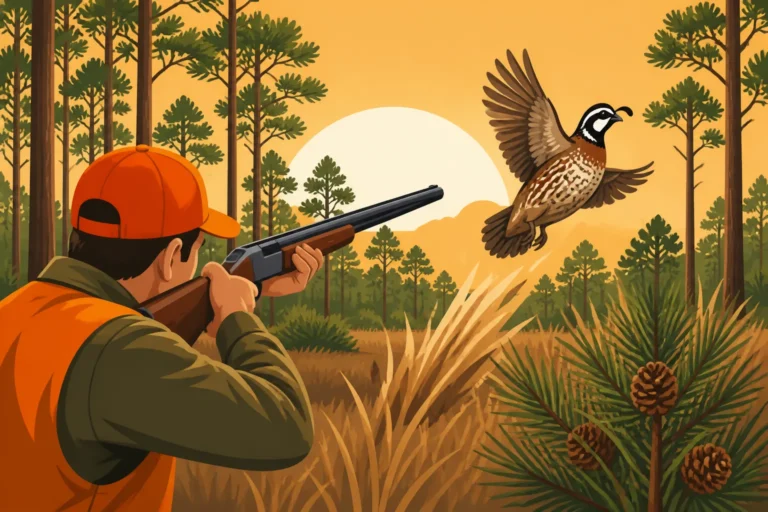
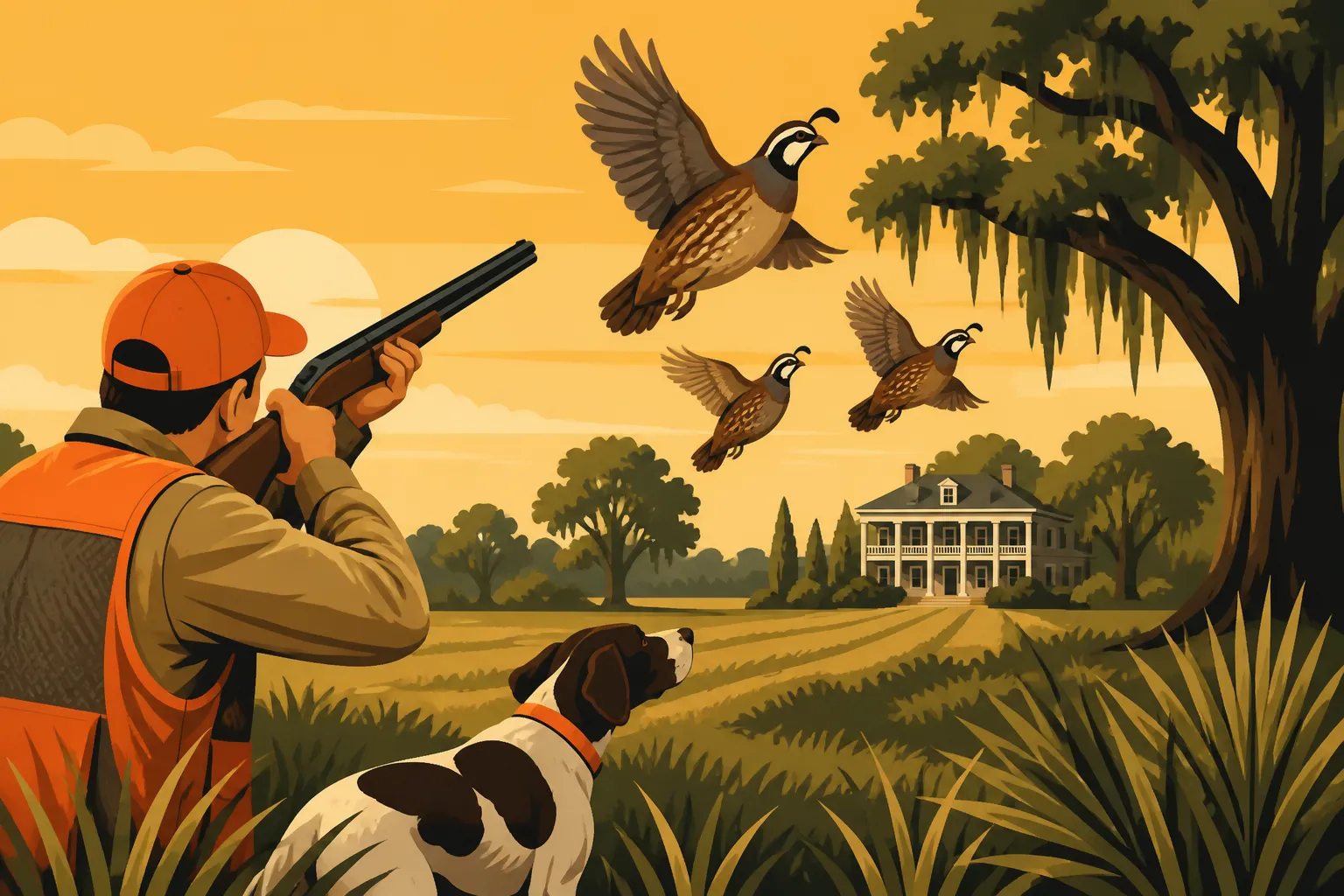
There are few moments in hunting as exhilarating as a covey rise. Imagine this: you're walking alongside your guide, eyes fixed on the diligent bird dogs quartering through the broom sedge and sparse pines. Suddenly, a pointer locks up, rigid as a statue, its tail high, nose quivering, indicating a covey of quail is tucked tight ahead. Your heart rate quickens. The guide gives a quiet command, and a flushing dog moves in, or you and your hunting partners carefully step around the point. Then, with a sudden, explosive burst of wings and chirps, a dozen or more bobwhites erupt from the cover, scattering in every direction. It’s a moment that demands quick reflexes, instinctive shooting, and a steady hand. The sheer chaos and beauty of it, the blur of wings against the sky, is what keeps hunters coming back year after year. It's a fleeting yet intense challenge, a true test of marksmanship that leaves an indelible memory, whether you connect with a bird or not.
Understanding Georgia's Quail Landscape: Wild vs. Managed
Georgia offers a unique duality in its quail hunting opportunities, ranging from the truly wild and challenging to the carefully cultivated experiences found on private plantations. Understanding these distinctions is key to planning your hunt.
Wild Quail: The Elusive Prize
Hunting truly wild bobwhite quail in Georgia is a pursuit for the dedicated and often, the fortunate. Over the past few decades, wild quail populations have seen significant declines due to habitat loss, changing agricultural practices, and increased predation. This has been a widespread trend, as detailed in discussions like Georgia Wild Quail Decline Since the 1960s. Finding good numbers of wild birds now often requires extensive scouting, access to large tracts of well-managed private land, or hunting on specific Wildlife Management Areas (WMAs) that prioritize quail habitat. The reward, however, is immense. A covey rise from wild birds, unexpected and untamed, carries a different kind of satisfaction. These birds are cagey, quick, and often hold tight, offering some of the most challenging wing-shooting experiences. Success in wild quail hunting often means covering a lot of ground, having exceptional dogs, and understanding subtle changes in cover and terrain. It's an experience built on persistence and a deep appreciation for the wildness of the birds.
Managed Plantations: Habitat, Birds, and Experience
In contrast to the challenges of wild quail, Georgia's managed plantations offer a more consistent and accessible hunting experience. These storied properties, particularly concentrated in the "Quail Belt" of Southwest Georgia around cities like Albany and Thomasville, are dedicated to intensive habitat management. Through techniques like prescribed burning, selective timber thinning, and planting specific food and cover crops, these plantations create ideal environments for bobwhite quail. While some of these operations rely on boosting numbers with pen-raised birds to ensure a successful hunt, many also boast impressive populations of truly wild birds, thriving due to the superior habitat. This blend often provides both quantity and quality. The focus here is on the entire experience: exceptional dog work, expert guides, comfortable lodging, and often gourmet meals. Discussions around Managed Pine and Georgia Quail Recovery highlight how these managed landscapes are critical to providing suitable habitat, even if the birds themselves are often supplemented. For many, a hunt on a Georgia plantation is a bucket-list item, offering a chance to step into a rich tradition with a high probability of multiple covey flushes throughout the day.
Key Quail Regions in Georgia
When people talk about quail hunting in Georgia, their minds often drift immediately to the famed Southwest Georgia region. This area, particularly the counties surrounding Albany, Thomasville, and Valdosta, is renowned as the heart of Georgia's quail country. Here, vast tracts of land are managed specifically for quail, characterized by longleaf pine forests, wiregrass prairies, and meticulously maintained agricultural fields. This unique ecosystem, coupled with decades of dedicated conservation efforts by private landowners, creates an unparalleled environment for bobwhites. The soil types, the climate, and the historical land use patterns have all contributed to making this region prime habitat. While Southwest Georgia holds the crown, other parts of the state, particularly the Piedmont region, also have potential for quail. However, these areas typically require more intensive private land management and may not offer the same density or grand scale as the traditional plantation country. If you're looking for the quintessential Georgia quail experience, Southwest Georgia is undoubtedly the place to focus your efforts.
Essential Gear and Dog Work for Plantation Country
A successful quail hunt in Georgia’s plantation country isn't just about having birds; it's about being prepared with the right equipment and, perhaps most importantly, appreciating the incredible partnership with well-trained bird dogs.
The Right Shotgun and Ammunition
When it comes to shotguns for quail, many seasoned hunters opt for lighter, faster-swinging firearms. The traditional choice is a 20-gauge side-by-side or over/under shotgun, often with open chokes like Skeet and Improved Cylinder. These gauges offer enough knockdown power for a fast-flying bobwhite without excessive recoil, and the open chokes allow for a wider pattern that is forgiving on quick, close-range shots. For those who prefer a semi-automatic or pump, a 20-gauge or even a 28-gauge can be excellent options, as discussed in detail when considering Upland Guns for Quail Plantation Walks. Ammunition is another critical consideration. Most hunters will use lead shot in sizes 7.5 or 8. These smaller pellets provide a dense pattern, crucial for hitting fast-moving birds. While lead shot is generally permissible for upland birds, it’s always wise to confirm local regulations, especially if hunting on certain public lands or near water, where non-toxic shot might be required. Always carry enough shells, as the action can be fast and furious, and quick reloads are part of the rhythm of a covey rise. Resources like GoHunt often provide state-specific ammunition regulations, which can be helpful before you pack your bags.
Clothing and Footwear for Upland Terrain
Georgia's quail season runs primarily from late autumn through winter, which means varying weather conditions. Lightweight, breathable layers are key, allowing you to adapt to warm afternoon sun or chilly morning breezes. A good quality upland hunting vest is indispensable, featuring large game pockets for your birds, shell loops or pockets for easy access to ammunition, and often a water bottle holder. Beyond comfort, safety is paramount. Blaze orange is often required or highly recommended, especially when hunting with a group. A blaze orange cap and vest ensure you are highly visible to other hunters and guides. Footwear is perhaps the most critical gear component for walking miles through varied terrain. Snake boots are non-negotiable in Georgia’s quail country. Southeastern timber rattlesnakes, copperheads, and cottonmouths are present, and protective footwear can prevent a potentially life-threatening situation. Choose boots that are comfortable, waterproof, and offer good ankle support, as you'll be navigating uneven ground, pine straw, and thick brush. Durable brush pants or chaps are also a wise investment, protecting your legs from thorns, briars, and abrasive cover.
The Indispensable Bird Dog
Without good bird dogs, quail hunting simply isn't the same. These intelligent and athletic animals are the stars of the show, truly indispensable in locating, pointing, and retrieving quail. On managed plantations, you'll almost exclusively hunt with the outfitter's professional dogs and handlers. These dogs, typically English Pointers, English Setters, or Brittany Spaniels, are meticulously trained to quarter the ground efficiently, use the wind to their advantage, and lock up on point when a covey is located. Their ability to hold steady on point, often for extended periods, allows hunters to approach the birds safely and strategically. The silent communication between dog and handler, and the sheer elegance of a dog locked on point, are central to the entire experience. For those interested in developing their own dogs for hunting, excellent resources exist, and articles like Working Pointing Dogs on Wild Georgia Quail delve into the nuances of training. Platforms like GoHunt can also be a good place to find resources or even connect with guides known for their top-tier dog teams. The bond between a hunter and a well-trained bird dog is something truly special, elevating the quail hunt from a simple outing to a profound partnership.
Tactics for Success on Georgia Quail Plantations
While much of the magic of a plantation hunt comes from the expert guides and their incredible dogs, understanding a few key tactics can significantly enhance your experience and improve your success rate. It's about being an active, aware participant, not just a spectator.
Working the Cover Smartly
Quail are masters of camouflage and thrive in specific types of cover. On Georgia plantations, you'll typically be walking through open pine woodlands, often dominated by longleaf pines, with an understory of wiregrass, broom sedge, and scattered palmettos. You'll also encounter brushy thickets, field edges, and natural regeneration areas – all prime spots for quail to hide and feed. Pay close attention to how the dogs are working. They'll often adjust their patterns based on wind direction, scent, and the type of cover. As a hunter, your job is to stay spread out, typically in a line, to cover the ground effectively and be ready for a flush from any direction. The guide will often position you strategically, ensuring that you're in the best spots for a shot when a covey is pointed. Understanding the nuances of "reading" the cover and anticipating where birds might be holding, as detailed in discussions like Working a South Georgia Quail Covey Rise, can greatly improve your readiness. Look for transitions in habitat, edges of dense cover, and areas with good overhead protection from predators.
Approaching the Point and the Flush
This is where the adrenaline really kicks in. When a dog goes on point, it’s a moment of frozen anticipation. The guide will direct you on how to approach. Typically, you'll walk in a line, slowly and deliberately, to either side of the dog, with guns ready but pointed safely towards the ground or sky. The goal is to flush the birds within effective shooting range while maintaining safe shooting lanes. Communication with your guide and hunting partners is vital. Know who is taking which birds if a covey scatters widely. When the covey explodes, it will happen fast. Resist the urge to rush your first shot; instead, pick a bird, swing smoothly, and follow through. Many hunters miss their first shot because of the surprise and speed of the flush. Take a breath, trust your instincts, and focus. Remember, safety always comes first; ensure you have a clear shot and are aware of where your partners and dogs are at all times.
Post-Shot Protocol: Retrievals and Reloads
Once the shots are fired and the air is clear, the work isn't quite over. Quickly mark where any birds fell. This is crucial for efficient retrieval, especially with dense cover. A good retrieving dog will make quick work of finding downed birds, but your memory of the fall is a huge help. While the retrievers are working, this is your chance to quickly reload your shotgun. Coveys often scatter, and sometimes single birds or smaller groups will flush again from nearby cover, offering a follow-up opportunity. The guide will likely move the dogs to search for these scattered singles, which can often provide some of the best and most challenging shooting of the day. Don't be shy about asking the guide for help locating a bird you're sure you hit, even if the dog hasn't found it immediately. Every retrieved bird is a testament to a successful hunt and a respectful way to honor the game. After all, the ethics of hunting dictate that we make every effort to recover what we shoot.
Navigating Regulations and Access for Quail Hunts
Understanding the rules and the different avenues for accessing quail hunting in Georgia is essential for a smooth and enjoyable experience. The state has specific regulations for both wild and managed bird populations, and access varies widely between public and private lands.
Understanding Georgia's Quail Season Rules
Georgia's quail season typically runs from early November through late February or even into March, offering ample time to plan your trips. The specific opening and closing dates can vary slightly year to year, so always check the Georgia Department of Natural Resources (DNR) official regulations before heading afield. For wild quail, the daily bag limit is generally 12 birds per hunter, with a possession limit of 36. However, when hunting on licensed shooting preserves or managed quail plantations that release pen-raised birds, the rules are often much more lenient, with no daily bag limit or season limit. This flexibility is what makes plantation hunting so popular, as it allows for a more consistent and abundant hunting experience. Details like Georgia Wild Quail Season Opening Day and Georgia Shooting Preserve Season Rules highlight these important distinctions. You'll need a valid Georgia hunting license, and if you plan to hunt migratory birds (though quail are not migratory, other upland birds like woodcock sometimes share habitat), a Georgia Migratory Bird Stamp (HIP certification) is also required.
Public Land vs. Private Plantation Access
Access is arguably the biggest differentiator when it comes to quail hunting in Georgia. Truly wild quail are incredibly challenging to find on public lands in significant numbers. While some Wildlife Management Areas (WMAs) in Georgia have ongoing habitat restoration projects aimed at increasing bobwhite populations, consistent success on these lands requires extensive scouting, knowledge of the specific WMA rules, and a good dose of luck. These public land hunts often involve covering many miles for a few flushes, if any.
Private land is where the vast majority of successful wild quail hunting occurs, but gaining access to these properties is often through established hunting leases or personal connections. This is where the managed quail plantations truly shine. They offer guaranteed access to prime quail habitat and birds, removing the uncertainty of finding a place to hunt. Most plantations operate on a booking system, where you reserve a specific date or multiple days for a guided hunt. For those looking for the ultimate quail hunting experience without the hassle of securing private land access or endless scouting, a guided hunt on a reputable plantation is the way to go. If you’re considering this route, resources like Booking a Guided Plantation Quail Hunt can provide valuable insights into what to expect and how to choose the right outfitter. Many hunters also use platforms like GoHunt to research available hunts, compare packages, and read reviews, helping them make informed decisions about their next trip.
The Cost of the Experience
A Georgia quail plantation hunt is an investment, but for many, it's an unforgettable experience worth every penny. The cost can vary significantly depending on the caliber of the plantation, the length of the hunt, the number of hunters in your party, and what's included in the package. Basic day hunts might start in the mid-hundreds per person, while multi-day, all-inclusive packages at some of the more luxurious lodges can run into the thousands. These all-inclusive packages often cover not just the hunting, but also lodging, all meals, bird cleaning, beverages, and the use of the lodge's dogs and guides.
It's important to clarify what's included when booking. Some outfitters might have additional fees for ammunition, licenses, or gratuities for guides and staff. While the price might seem steep to some, remember you're paying for world-class habitat management, highly trained dogs, expert guides, and a complete, curated experience that prioritizes your comfort and success. Many hunters view it as a yearly tradition, a chance to immerse themselves in a classic sporting adventure. GoHunt, for example, often features outfitters and provides detailed cost breakdowns, allowing hunters to budget effectively for their dream quail hunt.
Preserving the Legacy: Conservation and Future of Georgia Quail
The iconic bobwhite quail faces ongoing challenges, but dedicated conservation efforts, particularly on Georgia’s working lands, are critical to ensuring this species thrives for future generations of hunters and wildlife enthusiasts.
The Role of Habitat Management
The single most important factor for robust quail populations is suitable habitat. On Georgia’s managed plantations and increasingly on forward-thinking public lands, habitat management is an art and a science. Prescribed fire is perhaps the most critical tool, mimicking natural fire regimes to control dense undergrowth, promote desirable forage, and create open ground for quail to move and feed. Regular burning cycles are vital for maintaining the open piney woods and wiregrass ecosystems that bobwhites depend on. Beyond fire, selective timber thinning and clear-cutting create early successional habitat, allowing sunlight to reach the forest floor and stimulate the growth of grasses, forbs, and legumes that provide food and cover.
Food plots, while often associated with deer, can also be beneficial for quail when planted with species like lespedeza, millet, or sorghum, offering supplemental food sources, especially during lean times. Controlling invasive species and managing predator populations are also pieces of the puzzle. The commitment to these practices, often discussed in relation to topics like Why Georgia Foresters Burn Longleaf Pine, is what separates thriving quail populations from struggling ones. Without active, intentional habitat management, quail numbers inevitably decline.
Supporting Quail Conservation Efforts
For those who cherish the bobwhite quail and the tradition of hunting them, supporting conservation efforts is paramount. Numerous organizations are dedicated to quail habitat restoration and research in Georgia and across the Southeast. Groups like Quail Forever, Tall Timbers Research Station & Land Conservancy, and the Georgia Wildlife Federation work tirelessly to advocate for sound land management policies, conduct scientific research, and implement on-the-ground habitat projects. These efforts often involve working with private landowners to implement best management practices, offering technical assistance, and funding habitat improvements. Many plantations themselves are leaders in conservation, often conducting their own research and experimenting with new management techniques. By joining these organizations, donating to their causes, or simply educating yourself and others about the importance of proper habitat, you become an active participant in securing the future of Georgia's quail.
The Future of Georgia Quail Hunting
The future of Georgia quail hunting is a tale of two trajectories. For the grand managed plantations, the outlook remains bright. Their continued investment in habitat, dog breeding, and guest experiences ensures a vibrant future for high-quality, guided hunts. These operations not only preserve a cherished tradition but also serve as vital ecological anchors, maintaining significant tracts of prime quail habitat that benefit countless other species. The challenge, however, lies with truly wild, unmanaged quail populations across broader landscapes. Habitat fragmentation, development, and the difficulty of implementing widespread management practices on smaller private holdings continue to be significant hurdles.
There is, however, a growing awareness and renewed interest in promoting quail habitat on smaller scales, from private landowners to state agencies. Programs designed to assist landowners with habitat restoration, along with efforts to educate new hunters about the unique challenges and rewards of upland hunting, offer glimmers of hope. The legacy of Georgia quail hunting depends on a continued commitment to conservation, education, and fostering a deep respect for the wild bobwhite and the landscapes it calls home.
Comparison of Wild Quail vs. Plantation Quail Hunting
To better understand the differences, here's a quick comparison of what you might expect from a wild quail hunt versus a typical plantation experience in Georgia:
| Feature | Wild Quail Hunt | Managed Plantation Hunt |
|---|---|---|
| Habitat | Varied, often fragmented; self-scouted or private | Large, contiguous, intensively managed pine/field |
| Bird Source | Entirely natural, breeding populations | Natural populations supplemented with pen-raised |
| Difficulty | Very high; birds are sparse, wary, challenging | Moderate to high; birds are more abundant, consistent |
| Dog Reliance | Critical; must have exceptional dogs and handler | Provided; professional guides with trained dogs |
| Success Rate | Low to moderate; often few flushes/day | High; multiple covey flushes expected |
| Cost | Low (license/travel) if public; moderate if lease | High; includes guides, dogs, lodging, meals |
| Experience | Rugged, self-reliant, deeply satisfying if successful | Luxurious, traditional, high-volume action, social |
| Season Rules | Strict bag/possession limits | Often no bag/possession limits on preserve birds |
Disclaimer
Hunting is an inherently dangerous activity. This guide provides general information and recommendations. Always consult the official Georgia Department of Natural Resources (DNR) regulations before hunting, as rules and seasons can change. Ensure you have the proper licenses and permits, adhere to all safety guidelines, and respect private property. The author and publisher are not responsible for any accidents, injuries, or legal issues incurred while hunting. Always prioritize safety and ethical hunting practices.