Georgia Statewide Firearms Season Dates
There’s nothing quite like the anticipation that builds as Georgia’s deer season approaches, but for many of us, the true excitement really kicks in when firearms season rolls around. It’s a time when more hunters hit the woods, bringing different strategies and opportunities, but also a fair bit of confusion about dates, rules, and where to even begin. If you've ever felt overwhelmed trying to keep track of the opening and closing dates, or wondered if you're truly prepared for what the firearms season demands, you're not alone. This comprehensive guide is here to untangle all of that, providing a clear roadmap to understanding Georgia's statewide firearms deer season dates and ensuring you're ready for a safe and successful hunt.
Understanding Georgia's Deer Season Structure
Navigating the various hunting seasons in Georgia can sometimes feel like trying to solve a puzzle, especially for those new to the state or just getting back into the rhythm of things. Before we dive headfirst into the specifics of firearms season, it’s crucial to understand how it fits into the larger tapestry of deer hunting opportunities across our beautiful state. It's not just about one set of dates; it's a progression that offers different challenges and rewards at various times of the year.
The Big Picture: Archery, Primitive, and Firearms
Georgia's deer hunting season is smartly designed into three distinct phases: archery, primitive weapons, and the much-anticipated firearms season. Each phase offers a unique experience, catering to different preferences and skill sets, and together they provide a lengthy period of hunting opportunities. The archery season usually kicks off first, a quiet and often warm time when hunters rely purely on bow and arrow, getting deep into the woods with minimal disturbance. Following that is the primitive weapons season, which typically allows for muzzleloaders, crossbows (depending on the specific rules for a given year), and sometimes even shotguns using slugs, bridging the gap between the quiet bow season and the louder, more widespread firearms season.
Then, of course, comes the statewide firearms season. This is the period when most hunters will participate, using modern rifles, shotguns, and handguns. It's often seen as the primary deer season for a good reason – it's when the deer are typically in their rut, or post-rut, and when hunter numbers are at their peak. Knowing the flow from Georgia Archery Season Dates to Georgia Primitive Weapons Season Dates and finally into firearms season is key to planning your entire hunting calendar. It's a progression, not just a series of disconnected events.
Statewide Versus Zone-Specific Rules
For the most part, Georgia's firearms deer season operates on a statewide calendar. This means that the vast majority of counties will share the same opening and closing dates for firearms hunting. This uniformity is a blessing, as it simplifies planning significantly compared to states with complex zone divisions for deer. However, it’s critical to always remember that there can be exceptions. For instance, certain Wildlife Management Areas (WMAs) might have specific quota hunts or abbreviated seasons, and there are sometimes unique rules for archery-only zones in more populated suburban areas, though these don't typically apply to the statewide firearms season itself.
The key takeaway here is to always double-check the current Georgia Hunting Regulations book or the Georgia Department of Natural Resources (DNR) website. While the general dates are statewide, staying informed about any localized modifications or special hunt opportunities is part of being a responsible hunter. Don't just assume what was true last year is true this year without a quick verification.
The Importance of the Go Outdoors Georgia App
In today's digital age, staying informed about hunting regulations has never been easier, and Georgia DNR has done an excellent job providing accessible tools. The Go Outdoors Georgia platform, which includes a highly useful mobile app, is your absolute best friend for keeping tabs on all the season dates, bag limits, and licensing requirements. Instead of sifting through pages of a printed booklet in the dark before an early morning hunt, you can pull up the most current information right on your phone.
The app allows you to purchase and carry your licenses digitally, report your harvest quickly, and, most importantly for this discussion, easily look up season dates by game type and county. Many experienced hunters also rely on advanced mapping tools, like those offered by GoHunt, to cross-reference public land boundaries, property lines, and potential access points, all while keeping the official season dates at the forefront of their planning. Using these resources means you’re always operating with the most accurate and up-to-date information, which is essential for ethical and legal hunting.
Key Dates for Statewide Firearms Deer Season
Alright, let's get down to brass tacks: the actual dates! This is often the first thing every hunter checks when the new regulations are released. Knowing these windows is critical for planning time off work, coordinating with hunting buddies, and generally getting your mind wrapped around the deer season ahead. While the exact calendar dates shift slightly year to year based on how they fall on the week, the general pattern remains consistent.
The Grand Opening: When Firearms Season Kicks Off
The statewide firearms deer season in Georgia typically opens on the Saturday closest to October 15th. This is the big day, the moment many deer hunters have been waiting for since the previous season closed. For many, it marks the true beginning of the deer hunting tradition, often coinciding with cooler weather and increased deer activity as the pre-rut begins to warm up. This opening weekend is legendary for being one of the busiest times in the Georgia woods. Public land can see a significant influx of hunters, and private land clubs are often bustling with members eager to fill their tags.
For those planning to hunt during this initial rush, understanding Why Georgia's Gun Opener Draws the Biggest Crowds is important. It means anticipating more orange in the woods, potentially more pressured deer, and the need for even more meticulous scouting and stand placement to find those less disturbed pockets. Despite the crowds, the opening weekend offers fantastic opportunities, especially if you’ve done your homework and found deer sign away from heavily trafficked areas.
Mid-Season Opportunities and Peak Rut
Following the initial excitement of opening weekend, the firearms season rolls on, often encompassing the most exciting period for deer hunters: the peak rut. While the precise timing of the rut can vary across different regions of Georgia, a significant portion of the statewide firearms season falls right when bucks are most actively seeking does. This typically occurs from late October through mid-November, making this a prime window for encountering mature bucks that might otherwise be largely nocturnal.
During this mid-season, the woods come alive. Bucks are on the move, chasing, scraping, and rubbing, making calling and rattling much more effective. This is when tactics described in guides like Hunting the Rut in Mid-October really shine. As the season progresses through November and into early December, the post-rut can still offer excellent hunting. Bucks are often recovering from their strenuous rut activities and focusing heavily on feeding, making food sources prime locations to target. Don't overlook these periods; while the opening rush is exciting, the mid-season, especially around the rut, often yields some of the biggest deer.
Closing Day: What to Expect as the Season Winds Down
The statewide firearms deer season in Georgia generally extends through the first week or two of January, finally closing on January 15th. This late-season period presents a unique set of challenges and opportunities. By January, temperatures are usually colder, and natural food sources like acorns might be depleted or buried under fallen leaves. Deer are often concentrated on remaining food sources such as winter greens, food plots, or agricultural fields.
This late-season hunting often requires a different strategy. Deer are highly patterned, relying on established travel routes between bedding and feeding areas. They are also highly educated due to months of hunting pressure. Hunters who adapt to these conditions, focusing on Late-Season Food Sources for Georgia Whitetails and being extremely quiet and patient, can find success. It's a grind, but it can be incredibly rewarding, sometimes even coinciding with a late secondary rut in certain areas. Understanding the entire span of the season, from the chaotic opener to the quiet, strategic close, helps you plan for success across the board.
Specific Regulations and Considerations During Firearms Season
Beyond knowing when you can hunt, it's just as vital to understand how you can hunt during Georgia's firearms season. There are specific rules regarding the types of weapons allowed, mandatory safety precautions, and how you report your hard-earned harvest. Overlooking any of these details can quickly turn a successful hunt into a problematic one.
Legal Firearms and Ammunition in Georgia
One of the great things about Georgia's firearms season is the relatively broad allowance for weapon types, making it accessible for most hunters. Generally, centerfire rifles, shotguns (using slugs or buckshot, depending on location and game), muzzleloaders, and handguns are all legal for deer hunting during the statewide firearms season. There aren't restrictive minimum caliber rules for rifles that you might find in some other states, meaning popular calibers like .243, .270, .30-06, and .308 are all widely used and effective.
However, there are nuances. While modern centerfire rifles are the norm, it's worth noting that if you're hunting in a WMA or certain public lands, there might be specific weapon restrictions, so always check those particular regulations. For example, some areas might restrict to shotguns with slugs or muzzleloaders only. Additionally, while the firearms season covers a wide range of weapon types, if you’re interested in hunting with a crossbow during other periods, you’d need to look into specific rules like Crossbow Versus Vertical Bow in Georgia, as those can differ from general firearms season allowances.
Blaze Orange Requirements: Safety First
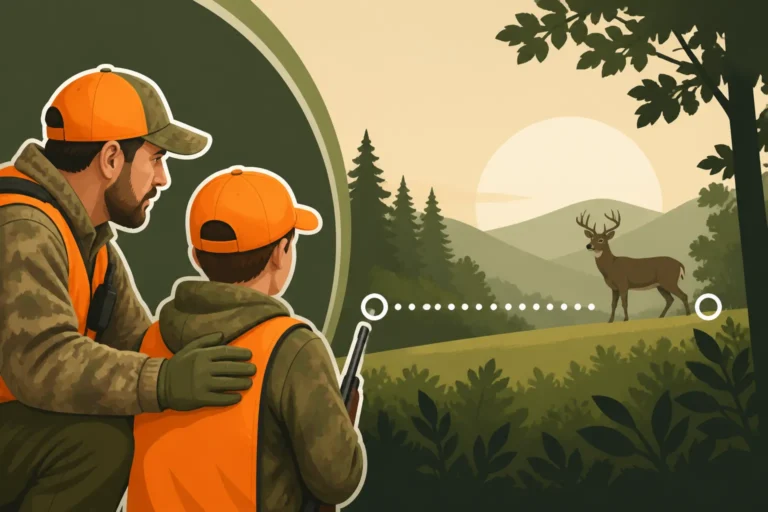
Safety is paramount in the hunting woods, especially during the busy statewide firearms season. Georgia has clear and mandatory regulations regarding the wearing of blaze orange. Any hunter, or person accompanying a hunter, while hunting deer, bear, or feral hogs with a firearm (or primitive weapon) must wear at least 500 square inches of visible blaze orange above the waist. This includes wearing a head covering of blaze orange. This rule applies even if you are just walking to or from your stand.
This isn't just a recommendation; it's a legal requirement designed to prevent accidents by making hunters highly visible to one another. There are very few exceptions to this rule, primarily for hunters utilizing archery equipment during the archery-only season or for those hunting from an enclosed stand that completely conceals them. However, for the vast majority of firearms season hunting, your blaze orange gear is as important as your firearm itself. Make sure your vest and hat are brightly colored and easily seen from all angles. For more details on the specific requirements, refer to Georgia Blaze Orange Requirements.
Bag Limits and Reporting Your Harvest
Georgia is well-known for its generous deer bag limit, allowing hunters to take up to 12 deer per season. This includes a maximum of two antlered bucks and a liberal number of antlerless deer. This high antlerless limit is a crucial tool for managing the deer population and maintaining a healthy herd. When you successfully harvest a deer during the firearms season, it’s not just about filling your freezer; it’s about fulfilling your responsibility as a hunter.
Every single deer harvested in Georgia must be reported to the Georgia DNR through their Game Check system. This process is simple and can be done via the Go Outdoors Georgia app, the DNR website, or by calling a toll-free number. You'll need to report the deer within 72 hours of harvest and before processing it for storage. This data is incredibly important for wildlife biologists to monitor herd health, track harvest trends, and make informed management decisions for future seasons. Failing to report your harvest is a violation, so make it a habit to log your deer as soon as possible after the shot. For a full breakdown, check out Georgia Deer Harvest Reporting Rules.
Here’s a quick summary of the key statewide firearms deer season information:
| Category | Detail |
|---|---|
| Opening Date | Saturday closest to October 15th |
| Closing Date | January 15th |
| Legal Firearms | Centerfire rifles, shotguns (with slugs/buckshot), muzzleloaders, handguns. Check WMA/public land rules for specifics. |
| Blaze Orange | Mandatory 500 sq. inches above the waist (including headwear) when hunting with firearms/primitive weapons, or accompanying a hunter using them. |
| Antlered Buck Limit | 2 per season |
| Antlerless Deer Limit | Up to 10 per season (varies by county/area for bonus tags, check specific county limits) |
| Harvest Reporting | Mandatory within 72 hours via Go Outdoors Georgia app, website, or phone. |
| Primary Rut Period | Late October – Mid-November (approximate, varies by region) |
Hunting Strategies During Firearms Season
The firearms season, with its broader range of legal weapons and typically colder weather, often opens up new strategic avenues compared to the quiet precision of archery. However, it also brings its own set of challenges, particularly on public land. Adapting your approach to these conditions is essential for consistent success.
Navigating Public Land Pressure on Opening Day
If you plan to hunt Georgia's public lands, particularly during the firearms season opener, you need to be realistic about the crowds. Many hunters, especially those who only participate during gun season, converge on Wildlife Management Areas (WMAs) and National Forests. This increased pressure can push deer into thicker cover, alter their movement patterns, and make them more nocturnal.
To succeed, you've got to think differently. One common strategy is to hike deeper than most hunters are willing to go. While many folks set up close to roads or established trails, deer will often seek refuge in remote, hard-to-reach areas. Consider packing light and embracing a "run and gun" approach, or focusing on scouting overlooked pockets of cover, like thickets in a bottomland swamp or a steep, inaccessible ridge. Another effective tactic can be focusing on areas that act as escape routes or funnels that deer might use when pressured. Learning to identify these spots on aerial maps or by scouting well before the season is invaluable. If you're heading to the mountains, think about Reading a Ridge for North Georgia Deer to find less-pressured travel corridors.
Private Land Access and Management
For hunters fortunate enough to have access to private land, the firearms season often presents a different scenario. While there can still be significant hunter presence, especially on large leased properties with multiple members, the level of pressure is typically more controlled than on public land. This often allows for more predictable deer behavior and the ability to implement longer-term management strategies.
On private land, the focus shifts from finding unpressured deer to understanding the specific patterns on your property. This might involve setting up stands overlooking established food plots, monitoring trail cameras on scrape lines along a logging road, or targeting natural funnels and pinch points between different types of cover. Landowners often implement specific management goals, such as letting younger bucks walk or aggressively harvesting does to control population numbers, which can directly influence your hunting strategy. Building a good relationship with the landowner and understanding their objectives is key to a successful and harmonious hunting experience on private ground.
Late-Season Food Sources and Tactics
As the firearms season progresses into December and especially January, the landscape changes dramatically. Most natural food sources like acorns are gone, and cold weather forces deer to seek out reliable, high-calorie forage. This makes identifying key late-season food sources paramount. Planted green fields, like winter wheat, oats, or clover, become absolute magnets for deer, as do agricultural fields such as standing corn or soybeans (if available).
Hunting these late-season food sources often involves sitting for longer periods in colder weather, requiring warm clothing and extreme patience. Deer tend to move more predictably between bedding areas and these crucial feeding grounds, often in the late afternoon. Understanding wind direction is even more critical, as deer are highly alert at this point in the season. Consider setting up on the downwind side of travel corridors leading to food, or using ground blinds brushed into a field edge to minimize your profile. Tactics like those used for Cold-Weather Sitting Strategy in a Georgia January become essential for staying comfortable and effective when the mercury drops.
Navigating Special Zones and Exceptions
While Georgia's firearms season is largely statewide, it's not entirely without its regional quirks and special opportunities. Understanding these exceptions is crucial, as they can significantly impact your hunting plans or even present unique advantages in specific areas.
Extended Southwest Georgia Season
One of the most notable exceptions to the statewide firearms season closing date is the Extended Southwest Georgia Season. This special season, which allows for deer hunting until the end of January, encompasses several counties in the far southwest corner of the state. These counties typically include areas like Baker, Calhoun, Colquitt, Decatur, Dougherty, Early, Grady, Lee, Miller, Mitchell, Seminole, Terrell, Thomas, and Worth. The primary reason for this extension is usually related to agricultural concerns and localized deer management objectives.
For hunters with access to land in these counties, the extended season offers additional weeks of firearms hunting after the rest of the state has closed. This can be an excellent opportunity, particularly for targeting mature bucks that have survived the regular season, or for harvesting additional does for population control. Deer in these regions may also have a later rut, or a secondary rut, making late January a surprisingly productive time. If you're hunting in this region, definitely consult The Extended Southwest Georgia Season for specific dates and rules for your county.
Youth and Disability Hunt Weekends
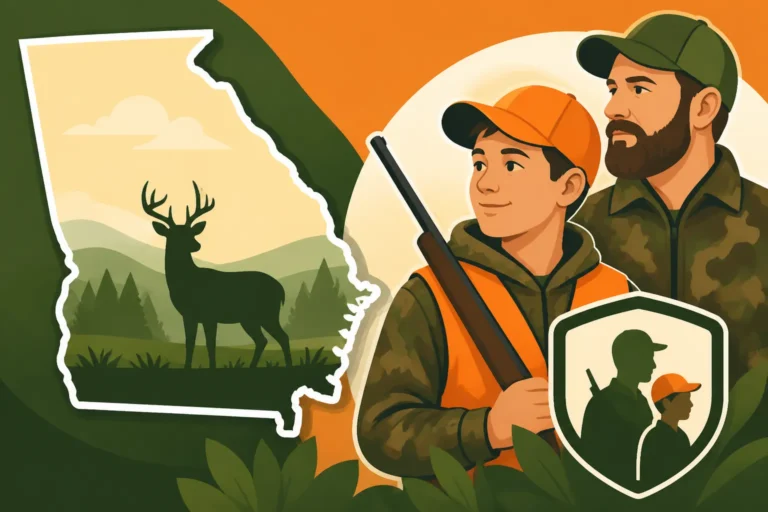
Georgia is committed to fostering new hunters and providing opportunities for all. To that end, special youth and disability hunt weekends are often scheduled, sometimes before the general statewide firearms season opens or during other specific periods. These events are designed to give young hunters (usually under 16) and hunters with mobility impairments or other disabilities a chance to hunt in a less pressured environment.
These hunts typically have specific regulations regarding who can participate, what weapons can be used, and supervision requirements. For example, during a youth deer weekend, a youth hunter might be allowed to use a firearm while supervised by an adult, even if the general firearms season for adults hasn't yet opened. These are fantastic initiatives to introduce new generations to the joys of hunting and provide accessibility. Always check the current regulations for specific dates and eligibility requirements for Georgia Youth Deer Hunt Rules or disability hunts.
Chronic Wasting Disease CMA
In recent years, the specter of Chronic Wasting Disease (CWD) has become a serious concern for wildlife managers across North America, and Georgia has not been immune. Following the detection of CWD in a deer in southwest Georgia, the state established a CWD Management Area (CMA). This area currently encompasses specific counties (as of current data, it includes Early, Calhoun, Clay, and Terrell counties) where special rules and restrictions apply to hunters.
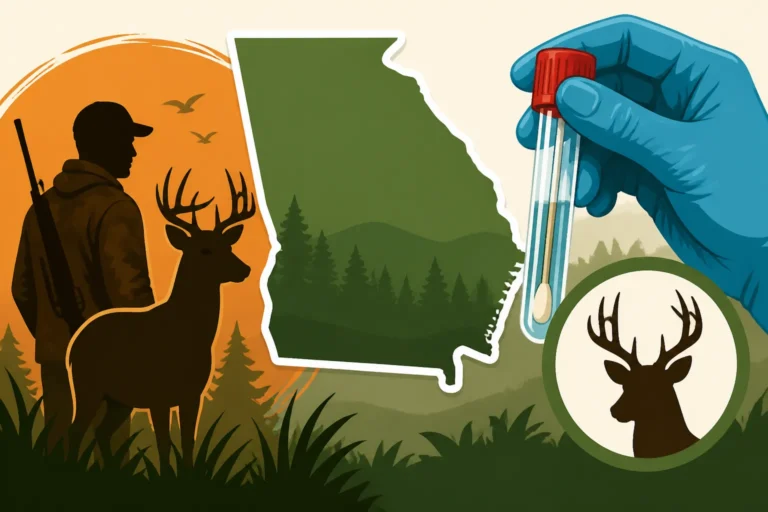
If you plan to hunt deer in any county within the CMA, it's absolutely critical to be aware of these regulations. They typically include mandatory CWD testing for harvested deer, restrictions on the movement of deer carcasses out of the CMA, and specific rules regarding baiting or feeding deer. These measures are designed to monitor the disease, prevent its spread, and ensure the health of Georgia's deer herd. While the statewide firearms season dates generally apply, these CWD-specific rules add an additional layer of responsibility for hunters in affected areas. For comprehensive information, consult resources on Chronic Wasting Disease Risk in Georgia and current Georgia DNR guidelines for the CMA.
Preparing for Firearms Season Success
Alright, you've got the dates down, you understand the rules, and you're aware of the special considerations. Now it's time to actually get ready for the hunt! Success in the deer woods, especially during firearms season, isn't just about showing up on opening day. It's about preparation, attention to detail, and a commitment to safety and ethics.
Scouting in the Pre-Season and During Archery
Effective scouting is the bedrock of a successful hunting season, regardless of whether you're carrying a bow or a rifle. Just because firearms season opens doesn't mean you can skip the groundwork. Ideally, your scouting should be an ongoing, year-round activity. Early pre-season scouting in late summer can help you identify prime bedding areas, travel corridors, and potential food sources before the woods are choked with leaves. Looking for scrapes, rubs, and tracks can give you a clear picture of deer movement.
Even during the archery and primitive weapons seasons, you should continue scouting. Pay attention to how deer react to hunter pressure, where they seek refuge, and what food sources they are currently utilizing. This real-time information is invaluable. While you might be focusing on Bowhunting Georgia's Early Archery Season with a bow, you're also gathering intelligence that will directly inform your firearms season strategy. Finding natural funnels, pinch points, and cover changes can give you a significant advantage when the guns start blazing.
Gear Checks and Maintenance
Your gear is your lifeline in the woods, and firearms season often means relying on a rifle or shotgun. Before the season opens, take the time to thoroughly check and maintain all your equipment. This includes your firearm itself: clean it, lubricate it, and ensure all components are functioning correctly. Most importantly, head to the range and zero your rifle with the ammunition you intend to hunt with. Don't assume last year's zero is still accurate. Different ammo types can shoot differently, and even a slight bump during storage can throw things off. Knowing your rifle is shooting true will build confidence and ensure an ethical shot.
Beyond your firearm, check your optics – binoculars and rifle scope. Ensure they are clean, clear, and securely mounted. Test your treestand or ground blind, make sure your safety harness is in good condition, and inspect all your clothing for tears or damage. Don't forget essentials like a good headlamp (with fresh batteries!), a field dressing kit, and enough water and snacks. For a deeper dive into preparing your main tool, check out Rifle Setups for Georgia Deer Hunting.
Staying Safe and Ethical
Finally, let’s talk about the most important aspect of hunting: safety and ethics. The firearms season, with more hunters in the woods, necessitates an even greater emphasis on responsible practices. Always practice the four fundamental rules of firearm safety: treat every firearm as if it's loaded, never point a firearm at anything you're not willing to destroy, keep your finger off the trigger until you're ready to shoot, and be sure of your target and what's beyond it. These are non-negotiable.
Beyond firearm safety, remember to be courteous to other hunters. Respect private property boundaries, pick up your trash, and leave the woods better than you found them. Ethical hunting means taking clean shots, tracking wounded game diligently (even if it takes hours or means calling in a tracking dog), and properly field dressing and caring for your harvest. It's about respecting the animal, the land, and your fellow hunters. Upholding these values ensures that the tradition of hunting in Georgia remains strong and positive for generations to come.
Disclaimer
Please remember that hunting regulations, season dates, and specific rules can change. While this guide aims to be comprehensive and up-to-date, it is your personal responsibility to consult the most current official Georgia Department of Natural Resources (DNR) Hunting Regulations each year before heading into the field. This guide is for informational purposes only and should not be considered a substitute for the official legal requirements.