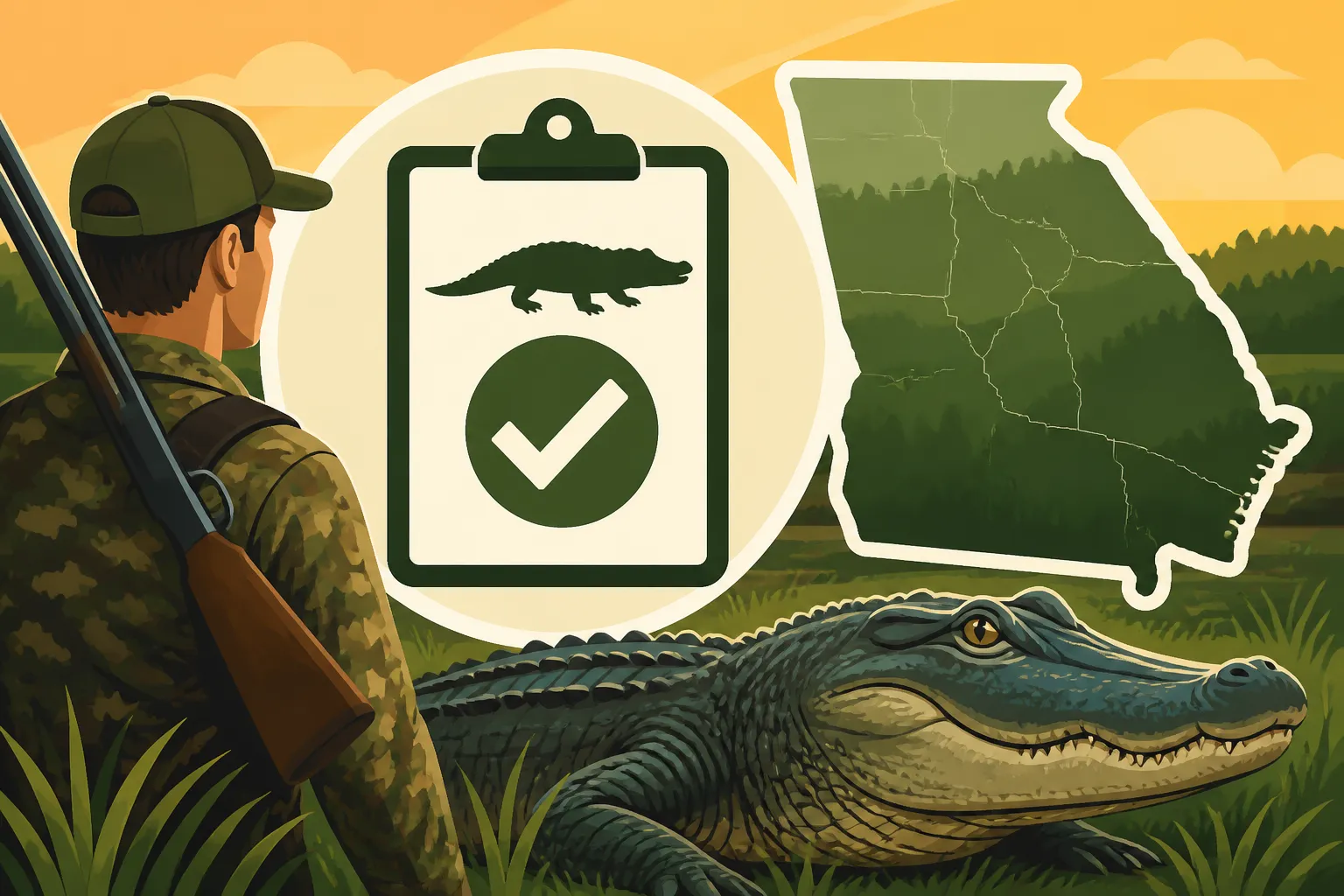
Applying for a Georgia Alligator Quota Hunt
Trying to secure a permit for a Georgia alligator quota hunt can feel like trying to catch a greased hog in a muddy pen—frustrating and a bit overwhelming if you don't know the ropes. Many aspiring hunters dream of the unique challenge and thrill of harvesting a gator, but the application process for these limited, highly coveted tags often leaves folks scratching their heads. This comprehensive guide is here to untangle all the complexities, walking you through every step of applying for a Georgia alligator quota hunt, from understanding the system to boosting your chances.
Understanding the Georgia Alligator Quota Hunt System
The Georgia alligator quota hunt isn't just a random drawing; it's a carefully managed program designed to balance conservation with recreational hunting. It allows a limited number of hunters to pursue alligators in specific areas, ensuring the population remains healthy and sustainable while also addressing nuisance issues in certain regions.
Why Quota Hunts Are Necessary
Georgia's alligator population has made an incredible comeback since conservation efforts began decades ago. Once severely depleted, these ancient reptiles now thrive in many of the state's waterways, from coastal marshes to inland rivers and swamps. This resurgence, while a conservation success, also means that local populations can sometimes exceed the carrying capacity of their habitat, or lead to increased human-alligator conflicts. That's where quota hunts come in.
The Georgia Department of Natural Resources (DNR) uses these hunts as a vital wildlife management tool. By issuing a limited number of permits for specific zones, they can regulate the harvest, preventing overhunting while simultaneously providing opportunities for hunters and helping to mitigate nuisance alligator issues in certain areas. It's a delicate balance, and the quota system ensures that every gator harvested is part of a larger, scientifically-backed management plan. Without such a system, unregulated hunting could quickly undo decades of recovery work, and nobody wants to see that happen.
Overview of Georgia's Alligator Zones
Georgia is a big state, and its alligator populations aren't evenly distributed. To effectively manage these reptiles, the DNR has divided the state into various Alligator Management Units, often simply called "zones." Each zone has its own quota of permits, based on the estimated alligator population, habitat suitability, and historical harvest data within that particular area.
These zones typically span large regions, sometimes encompassing multiple counties or significant portions of major river systems and coastal areas. For example, you might find zones focusing on the Altamaha River basin, the vast Okefenokee Swamp fringes, or various coastal plain waterways. Hunters apply for a specific zone, and if successful, their permit is only valid for that designated area. Understanding the characteristics of each zone—its terrain, water bodies, and accessibility—is crucial before applying. Some zones might be heavily pressured due while others, perhaps more remote or challenging to access, might offer slightly better drawing odds or a different hunting experience. Consider exploring maps and resources that detail these specific areas to gain an edge. For more on where these reptiles are most common, check out our guide on Where Georgia's Alligators Concentrate.
Key Dates and Deadlines
One of the most critical aspects of the Georgia alligator quota hunt application process is adhering to strict dates and deadlines. Miss them, and you're out of luck for the season, plain and simple. The application period typically opens in the summer, usually around July, and closes a few weeks later. The specific dates can vary slightly year to year, so it's absolutely essential to consult the current Georgia DNR Hunting Regulations before anything else.
Once the application window closes, the drawing takes place, and results are usually announced within a few weeks, often in early August. Successful applicants then have a short window to accept their permit and pay the tag fee. The actual alligator hunting season then generally runs from September into October. It's a tight schedule, and procrastinating will cost you. Mark your calendars, set reminders, and make sure you're ready to hit "submit" well before the deadline. Being proactive is the first step to securing that coveted alligator tag. You can find more detailed information about this on the Georgia Quota Hunt Application Season page.
Eligibility and Requirements for Application
Before you even think about which zone to apply for, you need to make sure you meet the basic eligibility criteria for a Georgia alligator quota hunt. The DNR has specific rules in place to ensure responsible hunting and to maintain the integrity of the permit system.
Basic License and Residency Rules
First and foremost, to apply for a Georgia alligator quota hunt, you need a valid Georgia hunting license. This isn't just any license; it needs to be a valid annual license, a lifetime license, or a Georgia Sportsman's License bundle that covers big game. Both Georgia residents and non-residents are eligible to apply, though the cost of the base hunting license and any additional big game licenses will differ significantly.
If you're a Georgia resident, you have several options, from an annual hunting license to a comprehensive Sportsman's License which often includes fishing and big game privileges. Non-residents will need to purchase the appropriate non-resident hunting and big game licenses. Always double-check the current regulations for the exact license requirements and costs before you apply. You don't want to get through the application process only to find out you're missing a prerequisite. For a detailed breakdown of options, check out our guides on Georgia Resident Hunting License Options and Georgia Nonresident Hunting License Options.
Age Restrictions and Hunter Education
Age is another important factor. In Georgia, there's no minimum age to apply for an alligator quota hunt. However, anyone under 16 years of age who obtains an alligator harvest permit must be accompanied by an adult 18 years of age or older who possesses a valid hunting license. The actual hunter must be at least 16 years old to harvest an alligator independently.
Furthermore, hunter education requirements apply. If you were born on or after January 1, 1961, you must have successfully completed a hunter education course to purchase a Georgia hunting license (unless you're buying an apprentice license). An apprentice license is a great option for new hunters or those visiting from out of state who haven't completed a course, as it allows you to hunt under the direct supervision of a licensed mentor. This provides a fantastic opportunity to learn from experienced hunters while still participating in the draw. For more on this, our article on Georgia Hunter Education Requirements has all the details.
The Importance of a Harvest Record
While your past success or failure in harvesting an alligator doesn't directly impact your eligibility to apply for a future quota hunt in the same way it might for certain trophy species in other states, the harvest reporting system is incredibly important for the Georgia DNR. Every successful alligator hunter is required to report their harvest, providing crucial data that informs future population management decisions and quota allocations.
This data helps the DNR monitor alligator populations, assess the health of the species within different zones, and determine how many permits can be issued in subsequent years. It ensures that the quota system remains sustainable and responsive to current wildlife conditions. So, if you are lucky enough to draw a tag and harvest an alligator, remember that fulfilling your reporting obligations is a critical part of being a responsible conservationist. This contributes directly to the continued opportunity for others to experience an alligator hunt.
Navigating the Application Process Step-by-Step
Once you've confirmed your eligibility, it's time to dive into the actual application. The entire process is conducted online through the Georgia DNR's official portal.
Setting Up Your Go Outdoors Georgia Account
The gateway to applying for any Georgia quota hunt, including alligators, is the "Go Outdoors Georgia" website. If you've hunted or fished in Georgia before, you likely already have an account. If not, your first step is to create one. This involves providing personal details, establishing a username and password, and ensuring all your contact information is accurate. This account will be your hub for purchasing licenses, applying for quota hunts, checking results, and reporting harvests.
It's crucial to keep your account information up-to-date, especially your email address, as this is often how the DNR will notify you of drawing results or important updates. Take your time setting it up, double-check everything, and make sure you understand how to navigate the portal. Many hunters find that resources like GoHunt can be incredibly valuable for scouting and understanding potential zones before they even submit their application. While GoHunt isn't where you apply, its mapping tools and public land information can give you a significant advantage in making informed choices about which zones might align with your hunting style and access preferences.
Choosing Your Preferred Alligator Zones
During the application period, you'll log into your Go Outdoors Georgia account and look for the "Quota Hunt Applications" section. Here, you'll find the alligator hunt application. The system will prompt you to select your preferred alligator zones. You'll typically be able to choose multiple zones, ranking them in order of preference.
This is where your research comes into play. Some zones are historically much harder to draw than others due to higher alligator densities, better access, or simply greater popularity. Think about what kind of hunt you're looking for. Do you want the best chance of drawing any tag, even if it's a more challenging zone? Or do you have your heart set on a specific, popular zone and are willing to accumulate preference points for several years? You'll want to review the current regulations for details on each zone, including available permits and any special considerations. Our article on Georgia Alligator Zone Preferences offers deeper insights into how to make these choices strategically.
Understanding Preference Points
Georgia uses a preference point system for its alligator quota hunts, and understanding how it works is vital for anyone serious about drawing a tag. For every year you apply for an alligator quota hunt and are unsuccessful in drawing a permit, you earn one preference point. These points accumulate over time. When the drawing occurs, applicants with more preference points have a statistically higher chance of being drawn than those with fewer points.
This system rewards persistence. If you apply for five years and don't draw, you'll have five preference points, significantly increasing your odds in the sixth year's draw compared to someone applying for the first time. Even if you can't hunt in a particular year, applying just to earn a point is a common strategy among seasoned quota hunt enthusiasts. It’s a long game, but it’s often the most reliable way to eventually secure a highly sought-after permit. Just remember, once you successfully draw a permit, your accumulated preference points for alligator hunts will be reset to zero, and you'll start building them again the following year.
Strategies for Improving Your Odds
Drawing an alligator quota hunt permit often feels like winning the lottery, but there are definitely strategies you can employ to tilt the odds in your favor, especially over the long term. It's not just about luck; it's about smart planning and consistent effort.
Researching Zone Popularity and Success Rates
One of the most impactful things you can do is thoroughly research the various alligator management zones. The Georgia DNR often publishes past harvest data and draw odds, which are invaluable resources. Look for information on:
- Number of Permits Issued: How many tags were available in each zone?
- Number of Applicants: How many people applied for each zone? This directly affects draw odds.
- Average Preference Points Drawn: While not always available, sometimes you can infer which zones require more points.
- Hunter Success Rates: This tells you how effective hunters were in harvesting an alligator once they drew a tag.
Some zones, perhaps those known for larger gators, easier access, or proximity to urban areas, will inherently be more popular and therefore harder to draw. Conversely, more remote or challenging zones might have fewer applicants, offering better immediate draw odds, even if the hunt itself requires more effort. Weigh your desire for a specific experience against the reality of the draw statistics. Sometimes, accepting a tag in a less popular but still productive zone is better than waiting years for a highly coveted one. Our comprehensive data on How Many Georgia Alligator Permits Are Issued can be a great starting point for this research.
Here's a simplified example of how zone popularity might affect draw odds:
| Alligator Zone | Total Permits Issued (Avg.) | Total Applicants (Avg.) | Approximate Draw Odds | Preference Points for Success (Avg.) |
|---|---|---|---|---|
| Coastal Marsh | 50 | 1500 | 3.3% | 5-7 |
| Altamaha River | 30 | 900 | 3.3% | 4-6 |
| Okefenokee Fringe | 20 | 400 | 5.0% | 3-5 |
| Central Piedmont | 15 | 250 | 6.0% | 2-4 |
| Southern Swamps | 25 | 350 | 7.1% | 1-3 |
Note: This table provides hypothetical data for illustrative purposes only. Always consult current Georgia DNR regulations and statistics for accurate information.
Maximizing Preference Points
The preference point system is your long-term friend in the Georgia alligator quota hunt. The most straightforward way to maximize your preference points is simply to apply every single year, regardless of whether you genuinely plan to hunt that season. If you apply, don't draw, you earn a point. If you decide not to hunt the following year due to other commitments or costs, apply anyway, decline the tag if you draw, and you'll still earn a point for that year (though you wouldn't get a refund of the application fee).
This consistent application strategy is particularly valuable for those highly popular zones where drawing a tag on your first or second try is highly improbable. By steadily accumulating points, you're investing in your future hunting opportunities. Think of it as a savings account for your hunting dreams. While it requires patience, it significantly increases your statistical probability over time. Many successful alligator hunters will tell you that their first tag came after years of diligently applying and building up those crucial preference points.
Applying with a Group vs. Solo
In some quota hunt systems across the country, hunters can apply as a group, and if one member of the group draws, everyone draws. This can be a great way to guarantee a hunting party gets to go together. However, for the Georgia alligator quota hunt, applications are generally individual. While you might hunt with friends if you both draw tags for the same zone, your application and draw odds are calculated solely on an individual basis.
This means you can't pool preference points with a buddy to boost your collective odds. Each hunter must apply independently, accumulate their own preference points, and hope their individual number is called. So, focus your strategy on maximizing your own preference points and making the best zone selections based on your personal research. If you and a friend both draw for the same zone, that's fantastic, but don't count on it as a group strategy for the application itself. It's truly a personal quest to secure that permit.
After the Draw: What Happens Next
The nerve-wracking waiting period after the application deadline can feel endless. But once the drawing takes place, whether you're successful or not, there are crucial steps to take.
Notifying Successful Applicants
The Georgia DNR typically notifies successful applicants via email, so ensure the email address associated with your Go Outdoors Georgia account is current and that DNR emails aren't going to your spam folder. You'll also be able to log into your account directly to check your application status. The results are usually announced a few weeks after the application period closes, so keep an eye out, usually in early to mid-August.
Upon notification, successful applicants will have a limited timeframe—often just a week or two—to accept their permit and pay the required tag fee. It's vital to act quickly during this window. Failing to accept the permit and pay the fee by the deadline will result in forfeiture of the tag, and it will often be reallocated to another applicant. Don't let all your hard work and accumulated preference points go to waste by missing this critical step! Make sure you have the funds available and are ready to confirm your permit as soon as you receive that exciting notification.
Tagging and Reporting Requirements
Congratulations, you drew a tag! Now it's time to understand the responsibilities that come with it. Once you've successfully harvested an alligator, Georgia law mandates immediate tagging. The permit you receive will include a harvest tag, which must be securely affixed to the alligator's tail within a specific timeframe (often within an hour) and before it's moved from the site of harvest. This tag serves as proof of legal harvest and is crucial for conservation enforcement.
Beyond the physical tag, you are also required to report your harvest to the Georgia DNR. This is typically done online through your Go Outdoors Georgia account or by phone within 24 hours of harvest. You'll need to provide details such as the zone where the alligator was taken, its length, and its sex. This information is vital for the DNR's ongoing management and research efforts, helping them understand population dynamics and ensure the long-term health of Georgia's alligator resource. Familiarize yourself with all the specific rules for Georgia Alligator Quota Hunt Rules and Georgia Alligator Tag Transfer Rules to avoid any issues.
Preparing for Your Alligator Hunt
With your tag in hand, the real fun begins: preparing for the hunt itself! Alligator season in Georgia typically runs through September and October, offering warm weather and active gators. Your preparation should include a few key components:
- Scouting: Even if you've drawn a tag for a zone you know, pre-season scouting is invaluable. Use maps, satellite imagery (tools like GoHunt can be particularly helpful here for identifying likely gator habitat like shallow coves, cypress sloughs, or river bends), and even on-the-ground observation to locate prime areas within your zone. Look for sunning banks, trails, or areas with abundant prey.
- Gear: Alligator hunting requires specialized gear. This can include a sturdy boat (often a jon boat or airboat), a powerful light for night hunting, grappling hooks or harpoons for securing the gator, strong ropes, and a bang stick or handgun for dispatching it. Safety equipment like life jackets, first-aid kits, and communication devices are also paramount.
- Technique: Alligator hunting often involves cruising waterways at night with a spotlight, looking for the tell-tale red eye-shine. Once spotted, a careful stalk, a precise harpoon shot, and then a controlled struggle to secure and dispatch the animal are typical. Familiarize yourself with techniques like Night Hunting Georgia Alligators From a Boat or Bowfishing Tactics for Georgia Alligators if you're considering those methods. Remember, the minimum legal alligator length in Georgia is typically 48 inches from snout to tip of the tail, so always know your target before you engage.
The Georgia alligator quota hunt is a truly unique and challenging experience. With thorough preparation, a clear understanding of the application process, and a bit of patience, you might just find yourself pulling a magnificent gator from a Georgia swamp.
Disclaimer
Always consult the current year's Georgia Department of Natural Resources (DNR) hunting regulations for the most up-to-date and accurate information regarding licenses, season dates, bag limits, and specific rules. Regulations can change annually, and it is the hunter's responsibility to be aware of and comply with all applicable laws.