Georgia’s First Confirmed CWD Case
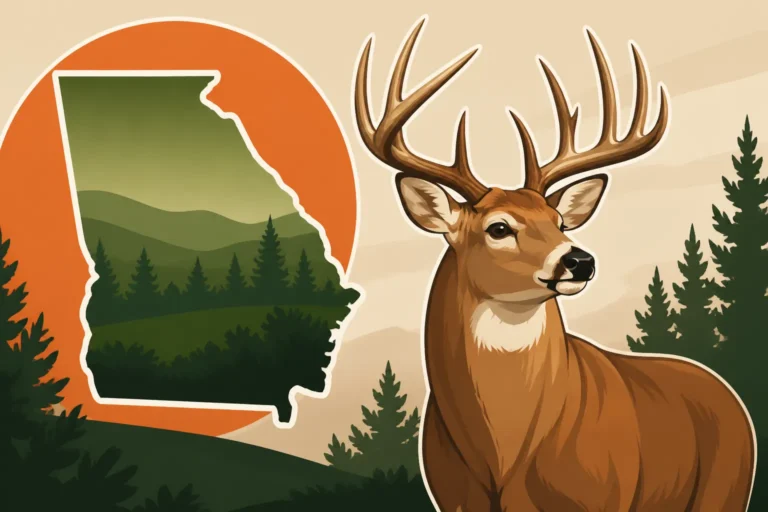
The day the news broke, it felt like a collective punch to the gut for every deer hunter in Georgia. Chronic Wasting Disease (CWD), a terrifying affliction we'd only heard about in other states, had finally been detected within our borders. It's a moment that rocked the hunting community, bringing with it a wave of questions, concerns, and a natural fear for our beloved deer herd. This guide aims to unpack the critical details surrounding Georgia's first confirmed CWD case, delve into the nature of the disease, outline the state's immediate response, and help every hunter understand what this means for the future of deer hunting in the Peach State.
The Alarming News: How CWD Arrived in Georgia
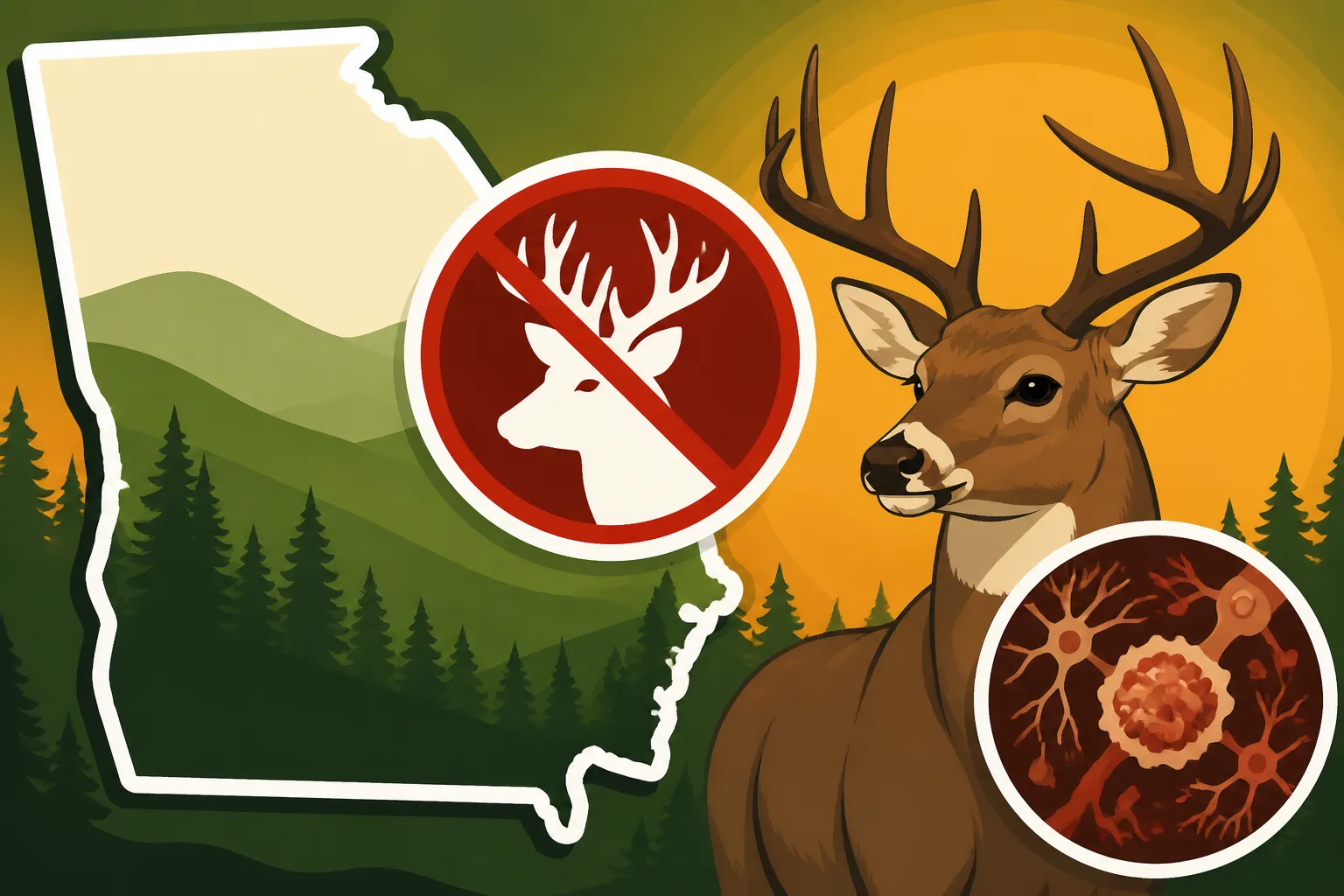
For years, Georgia hunters watched CWD march steadily across the country, hoping against hope that our state's strict regulations and natural barriers would keep it out. That hope was shattered in September 2023, when the Georgia Department of Natural Resources (DNR) announced the first confirmed case. It was a sobering moment, a harsh reminder that wildlife diseases don't respect state lines.
The Initial Discovery and Confirmation
The initial discovery came from a routine sampling program, a testament to the proactive efforts of the Georgia Wildlife Resources Division (WRD). A harvested deer, taken by a hunter in Fayette County, was submitted for testing as part of ongoing surveillance. While the hunter likely noticed nothing out of the ordinary, the lab results quickly flagged a positive CWD detection. This was not just a suspicion; it was a confirmed case, thoroughly verified by multiple tests. The confirmation process is meticulous, often involving tissue samples sent to specialized labs for definitive diagnosis, ensuring there's no room for error before such a significant announcement is made. The weight of that confirmation was immense, signaling a new chapter for wildlife management and hunting in Georgia.
Upon confirmation, the WRD moved quickly. The immediate priority was to confirm the positive result, then to inform the public and activate a robust response plan. This wasn't a situation that could be downplayed; transparency was key to gaining the trust and cooperation of the hunting public. News spread fast, often sparking intense discussions on social media, in hunting camps, and around outdoor retailers like the local Academy Sports + Outdoors in Peachtree City, a stone's throw from the initial detection. Many hunters, myself included, felt a mix of dread and a call to action – we knew our participation would be crucial.
Tracing the Path of the Disease
Pinpointing the exact moment or method of CWD's arrival is notoriously difficult, almost like trying to track a ghost through a thick fog. CWD prions can persist in the environment for years, and deer can carry the disease for an extended period before showing any outward symptoms. This makes it challenging to identify the "patient zero" or a specific vector. However, wildlife experts have a few common theories about how CWD spreads to new areas, and Georgia's situation likely falls into one of these categories.
One primary concern for states like Georgia, which share borders with other CWD-positive states, is the natural movement of deer. While deer typically don't travel vast distances, a slow, incremental spread across contiguous habitat is always a possibility. Another, perhaps more concerning, pathway is the illegal importation of live deer or elk. Unfortunately, there have been instances in other states where individuals have moved animals, often from captive facilities, across state lines without proper health checks, inadvertently introducing the disease. It's a violation of regulations designed to protect our wild herds, and the consequences can be devastating, as we've now seen.
The WRD continues to investigate all potential avenues, but regardless of how it arrived, the fact remains that it is here. Understanding How CWD Reached South Georgia and other areas is vital for long-term management, helping biologists refine their strategies to prevent further introductions and mitigate the spread. While Fayette County is in the Piedmont region, the implications of such a discovery touch every corner of the state, reminding us that no area is truly isolated from this threat.
Understanding Chronic Wasting Disease
To truly grasp the significance of Georgia's first CWD case, it's essential to understand what CWD is, how it functions, and why it poses such a grave threat to deer populations. It's not a typical virus or bacteria, which often makes it even more perplexing and concerning for hunters and wildlife managers alike.
What CWD Is and How It Spreads
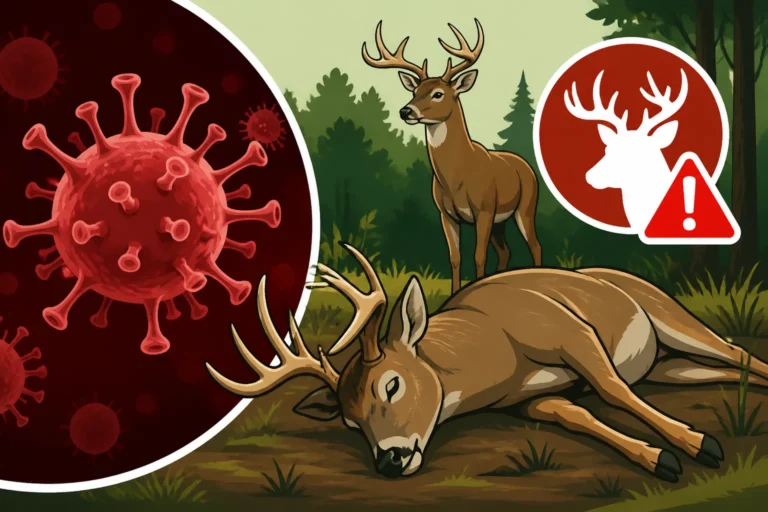
Chronic Wasting Disease is a transmissible spongiform encephalopathy (TSE), a family of neurological diseases that also includes Mad Cow Disease in cattle and Creutzfeldt-Jakob disease in humans. What makes CWD unique in the wildlife world is that it primarily affects cervids – animals like deer, elk, and moose. Unlike bacterial or viral infections, CWD is caused by abnormal proteins called prions. These misfolded proteins are incredibly resilient; they aren't destroyed by cooking, freezing, or typical disinfectants, and they can persist in the environment for a very long time.
The way CWD spreads is insidious and multifaceted. The most direct route is through animal-to-animal contact, often via saliva, urine, or feces, especially during shared feeding or social interactions. An infected deer shedding prions can contaminate food sources, water, and soil. When a healthy deer then consumes contaminated forage or comes into contact with infected soil, it can contract the disease. This environmental persistence is a huge challenge because even if every infected deer were removed, the prions can remain in the soil for years, potentially infecting new generations of deer. This makes CWD a long-term problem, unlike many other wildlife diseases that might flare up and then recede.
The slow progression of CWD is another factor that complicates its management. Deer can be infected for months or even years before they begin to show any visible symptoms. During this asymptomatic period, they are still shedding prions and capable of spreading the disease, silently infecting other animals and contaminating the environment. This silent spread is why surveillance and proactive testing, even of seemingly healthy deer, are absolutely critical to understanding the prevalence and distribution of the disease, and why the initial detection in Which Georgia County Found the First CWD Case was so crucial.
Symptoms and Impact on Deer
Recognizing CWD in the field can be difficult, particularly in its early stages. Many of the symptoms are non-specific and can mimic other ailments that deer might experience, such as starvation, other neurological disorders, or even injuries. However, as the disease progresses, certain tell-tale signs become more apparent, painting a grim picture for the affected animal.
Common symptoms include dramatic weight loss, which is where the term "wasting" comes from. An infected deer will become emaciated despite continuing to eat. You might also notice neurological signs, such as a lack of coordination, stumbling, or an abnormal gait. Behavioral changes are also frequent, including a vacant or "blank" stare, excessive drooling, increased thirst and urination, and a general listlessness. Infected deer may also become unusually fearless of humans, or conversely, show heightened aggression. It's a heartbreaking sight, watching an animal slowly deteriorate in this way.
The ultimate impact of CWD on an individual deer is always fatal. There is no known cure, and once symptoms appear, the animal's decline is irreversible. For the overall Georgia Deer Population Estimate, a widespread outbreak of CWD can lead to significant population declines, especially in areas with high deer densities, where the disease can spread more rapidly. The long incubation period means that even if a CWD-positive deer is harvested, many more might be silently infected, posing a continuous threat to the health and vitality of the herd.
Why It's a Concern for Hunters
For those of us who cherish Georgia's hunting traditions, CWD is more than just a scientific curiosity; it's a direct threat to our heritage, our recreation, and even our food source. The concerns are multi-layered, touching on everything from ethical considerations to the long-term health of the wild game we pursue.
Ethically, no hunter wants to harvest a diseased animal. The idea of taking a deer that is suffering or potentially riddled with illness goes against the core principles of responsible hunting. Beyond that, there's the very real question of human health. While there have been no confirmed cases of CWD transmission to humans, the Centers for Disease Control and Prevention (CDC) and other health organizations strongly advise against consuming meat from CWD-positive animals. This caution is paramount, as prions are notoriously difficult to destroy. It means that if you harvest a deer in a CWD-affected area, getting it tested is a critical step, both for your peace of mind and for public health. This adds another layer of responsibility and decision-making to every hunt, especially when considering Handling Venison From a CWD Management Area.
Furthermore, CWD threatens the very populations of White-Tailed Deer Across Georgia that we love to hunt. As the disease spreads and takes hold, it can reduce deer numbers, alter age structures (often hitting older bucks first), and impact overall herd health. This isn't just about fewer deer; it's about a less robust, less vibrant herd, which diminishes the quality of the hunting experience for everyone. The thought of once-thriving deer populations dwindling due to this incurable disease is a stark reality that weighs heavily on the minds of many Georgia hunters, affecting everything from scouting strategies to the types of Rattling and Grunting in Georgia tactics you might employ. The disease also poses an economic threat to hunting clubs, wildlife tourism, and local businesses that rely on hunting season revenue, making its management a critical issue for the entire state.
Immediate Response and Management Efforts
The Georgia DNR and WRD didn't just sit back after confirming the first CWD case. They immediately sprang into action, implementing a strategic response plan designed to contain the disease and prevent its further spread. This involved establishing specific management zones and enforcing strict regulations to protect Georgia's deer herd.
Establishing the CWD Management Area
Following the positive detection in Fayette County, the WRD promptly established a CWD Management Zone (CMZ). This zone wasn't just Fayette County itself; it encompassed a specific area around the detection site, creating a buffer for intensified surveillance and management. Initially, this meant a five-mile radius around the detection location, which included portions of Fayette, Coweta, Spalding, and Meriwether counties. This immediate boundary designation was a critical first step, helping to define the geographical scope of the problem. You can learn more about Georgia's Chronic Wasting Disease Management Area and its specific boundaries through the WRD's official channels.
The goal of establishing such a zone is multi-faceted: primarily, it's about containment and preventing the disease from spreading beyond this initial footprint. Within the CMZ, specific regulations are enacted that differ from statewide hunting rules. These regulations are designed to increase sampling efforts, monitor deer health more closely, and restrict activities that could inadvertently facilitate CWD transmission. For hunters operating in these areas, it means a higher level of vigilance and compliance with new rules is absolutely essential. While the initial zone was defined by a radius, these areas can expand or contract based on ongoing surveillance and disease detection, which is why staying informed is so important.
The establishment of this zone underscored the seriousness of the CWD threat. It wasn't just a recommendation; it was a mandatory area with specific legal requirements for hunters. Understanding these boundaries is critical for anyone who hunts in or near these counties. Tools like GoHunt, which many Georgia hunters already rely on for mapping and season dates, can be invaluable for staying updated on where these zones are located and how they might affect your planned hunts. It’s a stark reminder that managing wildlife in the face of diseases like CWD requires an adaptive and responsive approach, continuously monitored and adjusted.
Mandatory Testing and Carcass Restrictions
One of the most immediate and impactful changes within the newly established CWD Management Zone was the implementation of mandatory testing requirements for harvested deer. Hunters who successfully harvest a deer within the CMZ are required to submit specific tissue samples for CWD testing. This isn't optional; it's a critical component of the state's surveillance strategy. The samples, typically lymph nodes, are collected at designated drop-off locations, allowing the WRD to gather crucial data on the prevalence and geographic extent of the disease. Detailed information on Mandatory Testing Inside Georgia's CMA is readily available from the DNR, including locations of self-service drop-off sites and specific instructions for sample submission.
Alongside mandatory testing, stringent carcass movement restrictions were put in place. This is perhaps one of the most challenging regulations for hunters, especially those who travel to hunt. The core idea is to prevent the physical transport of potentially infected carcass parts from the CMZ to unaffected areas. Because CWD prions are concentrated in certain tissues—particularly the brain, spinal cord, and lymph nodes—moving these parts could unknowingly spread the disease. Therefore, within the CMZ, hunters are generally restricted to moving only deboned meat, antlers (with skull plate removed), hides, and clean skull plates out of the area. This prevents the movement of high-risk materials that could contaminate new environments.
These restrictions are not meant to be punitive; they are a vital safeguard for the health of Georgia's broader deer population. Hunters must understand and adhere to these rules meticulously. Failing to comply, even unintentionally, could have dire consequences for unaffected areas. The WRD provides clear guidelines on Moving a Deer Carcass Out of the CMA, detailing what parts are permissible to transport and how to properly process a deer within the zone. It's an inconvenience, certainly, but one that is absolutely necessary to protect our shared wildlife resources.
Implications for Georgia's Deer Herd and Hunters
The detection of CWD isn't just a regulatory change; it's a fundamental shift in how we view and manage Georgia's deer herd. The implications extend far beyond the immediate management zone, potentially reshaping hunting practices and the long-term health of our wildlife.
Impact on Deer Population Health
The most significant long-term implication of CWD in Georgia is its potential impact on the overall health and size of the deer population. While CWD acts slowly, it is relentlessly fatal. In areas where the disease becomes endemic and highly prevalent, studies from other states have shown that deer populations can experience declines. This isn't a sudden die-off like with some acute diseases; rather, it's a gradual erosion of the herd as more and more animals succumb over time. Older age classes, particularly older bucks, are often the first to show higher rates of infection, impacting the age structure and genetic vigor of the herd.
Managing a CWD-infected deer population becomes a complex balancing act. Wildlife agencies must shift their focus from purely managing harvest numbers for population control or trophy quality to primarily managing disease prevalence. This might involve strategies aimed at reducing deer densities in certain areas to slow the spread of the disease, as higher densities can facilitate easier transmission between animals. Such changes could directly influence Georgia Deer Population Estimate models and impact future hunting seasons.
Furthermore, the presence of CWD introduces another stressor to an already dynamic ecosystem. Deer populations already contend with habitat changes, predator pressures, and other diseases like epizootic hemorrhagic disease (EHD). CWD adds a chronic, pervasive threat that can weaken the overall resilience of the herd. The goal for Georgia now is to limit the spread and prevalence of CWD as much as possible, protecting the broader health of our white-tailed deer for generations to come.
Changes to Hunting Practices and Regulations
The arrival of CWD invariably leads to modifications in hunting practices and potentially significant shifts in statewide regulations. For hunters, this means a new level of awareness and adaptability is required every time we step into the woods. The most immediate changes, as discussed, are mandatory testing and carcass movement restrictions within the CWD Management Zone. These aren't just minor adjustments; they demand careful planning and adherence.
Looking ahead, we might see broader changes to Georgia Deer Season Structure Explained if the disease were to spread or become more prevalent. This could include changes to bag limits, season lengths, or even specific weapon restrictions in certain areas, all aimed at managing the herd's health and reducing disease transmission. For instance, some states have implemented special harvest incentives to encourage the removal of more deer in CWD-affected areas, particularly does, to help reduce overall deer density. Hunters need to stay vigilant and informed, as these regulations can evolve based on scientific data and disease progression.
Beyond the formal regulations, CWD also brings about changes in individual hunting ethics and decision-making. Hunters are now encouraged to be even more discerning in the field, carefully observing deer for any signs of illness before taking a shot. The practice of "passing" on a visibly sick animal becomes a moral imperative, not just a preference. The entire hunting community is now tasked with being proactive partners in disease surveillance, making every successful hunt an opportunity to contribute to the state's monitoring efforts through voluntary or mandatory testing.
The Role of Hunter Cooperation
In the fight against CWD, hunters are not just stakeholders; we are absolutely critical partners. Our presence in the field, our observations, and our willingness to comply with regulations make us the frontline defense against the disease's spread. Without active hunter cooperation, any management plan would struggle to succeed.
The Georgia WRD relies heavily on hunters to report any deer exhibiting signs of CWD, such as extreme weight loss, neurological symptoms, or unusual behavior. These reports are invaluable for pinpointing potential new areas of infection and for targeting surveillance efforts. Every pair of eyes in the woods contributes to a broader network of disease monitoring, and your call could be the key to early detection in a new area. Additionally, participating in voluntary CWD testing, even outside the designated CMZ, helps wildlife managers build a comprehensive picture of the disease's distribution across the state. The more data they have, the better they can understand and respond to the threat. More on this can be found at Georgia CWD Testing for Hunters.
Compliance with regulations like mandatory testing and carcass restrictions within the CMZ is non-negotiable. While these rules can sometimes be inconvenient, they are put in place for the long-term health of the entire deer population and the continuation of our hunting heritage. It's about collective responsibility – ensuring that our actions today protect the resource for future generations. Engaging with the WRD, asking questions, and educating fellow hunters about CWD are all ways to contribute to this crucial cooperative effort. It's a shared challenge that demands a shared commitment from every person who values Georgia's wild places and its white-tailed deer.
Living with CWD: What Hunters Need to Know Moving Forward
The reality is that CWD is now a part of Georgia's wildlife landscape. While that's a tough pill to swallow, it doesn't mean the end of hunting. It simply means adapting our practices and becoming more informed stewards of the land and its resources. We must learn to live with CWD, minimizing its impact while continuing to enjoy the outdoors responsibly.
Best Practices for Hunters in the Field
When you're out hunting, especially in or near a CWD Management Zone, maintaining vigilance and adopting specific best practices can significantly reduce your risk and contribute to overall disease management. First and foremost, always scout and identify healthy animals. If a deer appears visibly ill, emaciated, or is displaying abnormal behavior, it's best to pass on that animal. Not only does this reduce the chance of harvesting a CWD-positive deer, but it’s also an ethical choice. Your hunting tools, from your rifle to your optics, remain essential for discerning a healthy deer from one that may be compromised.
When you do harvest a deer, particularly in areas where CWD has been detected or is a concern, proper field dressing and carcass handling are paramount. Always wear gloves when field dressing any animal, as this is a good practice for preventing exposure to any potential pathogens, CWD included. Minimize contact with brain, spinal cord, and lymph node tissues, as these are where CWD prions concentrate. It's recommended to bone out the meat in the field, especially if you're hunting within a CMZ and need to adhere to carcass movement restrictions. Details on Handling Venison From a CWD Management Area can guide you through these processes, ensuring you're taking all necessary precautions.
After field dressing, clean your tools thoroughly with a 50/50 bleach and water solution. This helps to decontaminate knives, saws, and other equipment that may have come into contact with potentially infected tissues. Properly dispose of all high-risk carcass parts (head, spinal column, etc.) in designated landfills, particularly those approved for biological waste, or follow specific instructions from the WRD for the CMZ. You can also double-check county lines and WMA boundaries using digital mapping apps like GoHunt, ensuring you're aware of any specific regulations that apply to your hunting spot, as these tools often have layers showing CWD zones.
Resources for Up-to-Date Information
Staying informed is perhaps the most crucial step for any hunter navigating the new reality of CWD in Georgia. The situation is dynamic, with regulations and scientific understanding constantly evolving. Your primary source of information should always be the Georgia Department of Natural Resources, Wildlife Resources Division (WRD) website. They provide the most current and accurate data on CWD detections, management zones, mandatory testing locations, and regulatory changes. Make it a habit to check their dedicated CWD pages before and during each hunting season.
Beyond official state channels, reputable hunting organizations and conservation groups also play a vital role in disseminating information and advocating for sound wildlife management. Organizations like the Quality Deer Management Association (now the National Deer Association) have extensive resources on CWD, drawing on years of research and experience from other affected states. These groups can offer broader perspectives and practical advice. Furthermore, utilizing mapping and data tools can be incredibly helpful. While the Scouting With the Georgia Outdoors App provides official state data, platforms like GoHunt often compile regulatory updates and provide map overlays that can highlight CMA boundaries, making it easier for hunters to visualize affected areas and plan their hunts accordingly.
The fight against CWD is a long-term commitment. It requires continuous education, adaptation, and collective effort from the entire hunting community. By staying informed, adhering to best practices, and actively participating in surveillance efforts, we can all contribute to mitigating the spread of CWD and safeguarding the future of Georgia's deer herd and our cherished hunting traditions. Understanding the latest in Georgia Wildlife Disease Monitoring is part of being a responsible and engaged hunter.
Disclaimer
Please note that hunting regulations, seasons, and wildlife disease management protocols can change frequently. Always consult the official Georgia Department of Natural Resources (DNR), Wildlife Resources Division (WRD) website or their current hunting regulations guide for the most accurate and up-to-date information before planning any hunting activities. This article is intended for informational purposes only and does not supersede official state regulations.