Waterfowl Loads for Coastal Georgia Divers
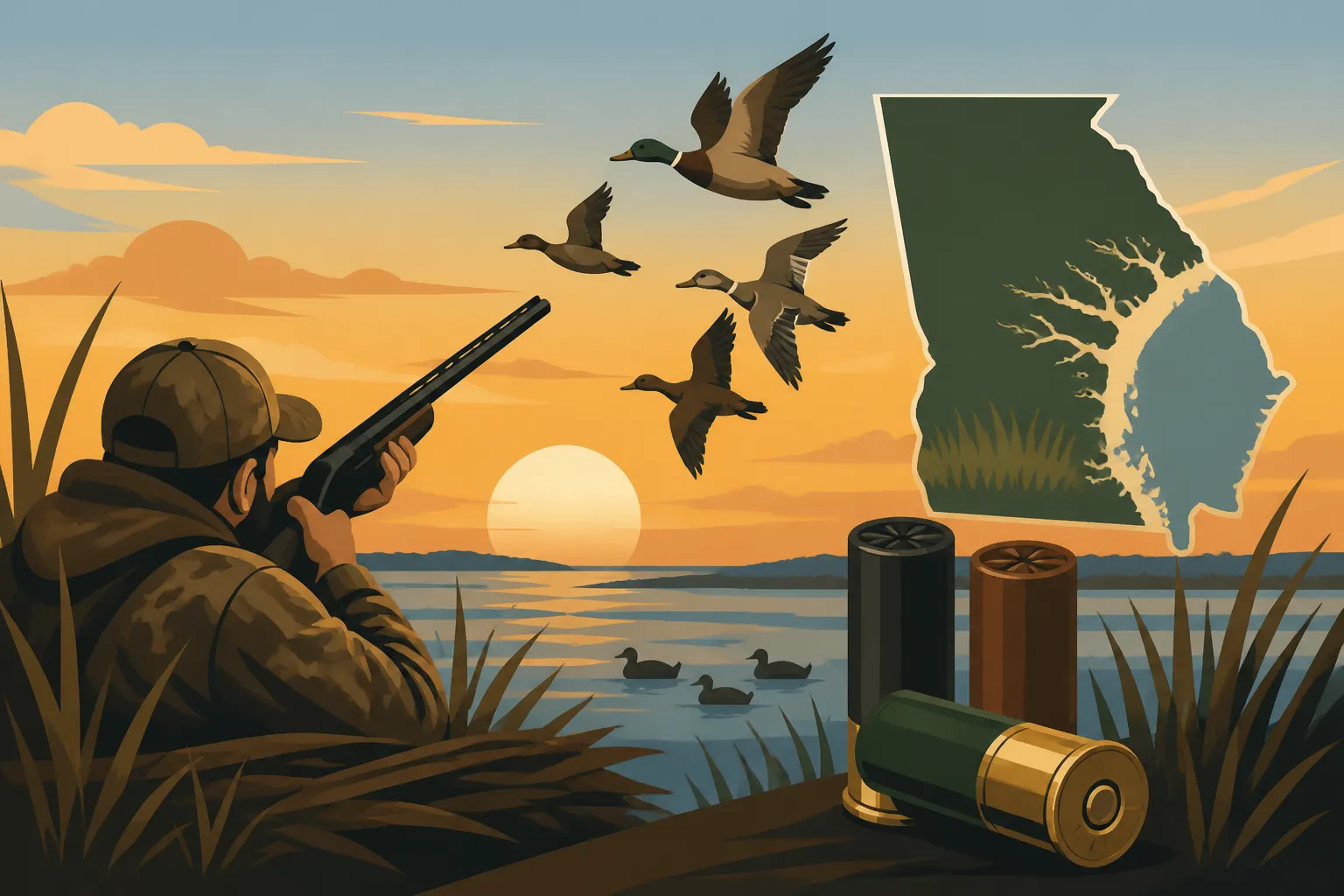
Hunting diver ducks in the vast, often unforgiving coastal marshes of Georgia presents a unique set of challenges, from the salty environment to the sheer toughness of these birds. If you've ever felt frustrated by ducks seemingly shrugging off your shots or struggled to find the right ammunition that performs in such conditions, you're not alone. This guide aims to demystify the world of waterfowl loads specifically designed for coastal Georgia divers, helping you choose the best non-toxic shot to fill your strap ethically and effectively.
Understanding the Challenges of Coastal Georgia Diver Hunting
Georgia's coast offers some incredible waterfowl opportunities, but it's a far cry from a calm, flooded timber hunt. The environment itself demands specific gear and tactics, and the birds you're targeting are built for survival.
The Unique Environment of Georgia's Coastal Marsh
Imagine standing in a tidal marsh, the salty air biting at your exposed skin, mud sucking at your waders, and the distant roar of the ocean filling your ears. This isn't just picturesque; it's a harsh reality that affects every aspect of your hunt, especially your ammunition choice. Hunting Coastal Georgia and the Golden Isles means dealing with fluctuating tides that can quickly turn a dry flat into an impassable channel. The dense spartina grass and vast open water mean long shots are common, and retrieving downed birds can be a Herculean task if they aren't anchored quickly. Your shells are exposed to high humidity and corrosive saltwater, which can affect their performance if not stored properly. These conditions demand loads that are not only powerful but also reliable and, critically, non-toxic.
The Toughness of Diver Ducks
Diver ducks like scaup (bluebills), redheads, and the majestic canvasbacks are renowned for their incredible hardiness. Unlike dabblers that feed on the surface, divers plunge deep, developing dense feathers, strong bone structures, and compact bodies built to withstand the pressure of deep-water feeding and long migrations. When they're cupped and coming into a decoy spread, their speed and flight patterns are exhilarating, but their robustness means they can take a hit and keep going. This often leads to frustrating retrieves of crippled birds or, worse, lost birds that swim or dive away before you can reach them. For ethical hunting, you need a shotshell that delivers sufficient kinetic energy and penetration to ensure a clean, quick kill, especially when these birds are often taken at the outer limits of a shotgun's effective range.
Essential Considerations for Diver Duck Loads
Choosing the right shotshell for coastal Georgia divers involves more than just grabbing a box off the shelf. You need to consider legal requirements, the physics of your shot, and how it performs in real-world scenarios.
Non-Toxic Shot Requirements in Georgia
This is a non-negotiable point for waterfowl hunters. Federal regulations, which Georgia adheres to, mandate the use of non-toxic shot for all waterfowl hunting. This means absolutely no lead shot for ducks, geese, or coots anywhere in the United States. The reasons are primarily environmental, preventing lead poisoning in waterfowl and other wildlife that might ingest spent pellets. Ignoring this rule can lead to significant fines and loss of hunting privileges, so it's paramount to be compliant. You'll find specific details on Where Nontoxic Shot Is Required in Georgia, but the short answer for ducks is: everywhere. This means you'll be choosing between various materials like steel, bismuth, and different tungsten alloys, each with its own advantages and disadvantages in terms of density, cost, and terminal performance.
Shot Size and Pellet Count for Divers
When selecting your non-toxic loads for diver ducks, shot size is a critical factor. Divers, being tough birds, require good penetration to reach vital organs. Larger shot sizes generally carry more energy per pellet, leading to better penetration. However, larger shot also means fewer pellets in a given payload, which can reduce pattern density and increase the chance of gaps through which a bird can fly unscathed.
For diver ducks, common shot sizes often range from #2 to BB. Some hunters even opt for BBB for larger species or longer shots. Here’s a quick breakdown:
- #2 Shot: A good all-around choice, offering a decent balance of pellet count and energy. Effective for closer to medium-range shots (30-40 yards).
- #1 Shot: A step up in energy, suitable for medium to longer ranges. Still provides a reasonable pattern density.
- BB Shot: Often favored for its increased energy and penetration, especially for larger divers or when stretching the range to 45-50 yards. Pellet count is lower, so a tight pattern is crucial.
- BBB Shot: The largest of the commonly used sizes, offering maximum energy and penetration. Best reserved for very long shots or extremely tough birds, but pattern density can be a concern.
Ultimately, the goal is to deliver enough energy to penetrate effectively while still putting enough pellets on target for a quick kill. This often means carefully balancing shot size with choke selection, as we'll discuss later.
Velocity and Payload: Finding the Right Balance
Beyond shot size, the velocity and total payload (weight of shot in ounces) significantly influence your shotshell's performance.
-
Velocity: Higher muzzle velocities generally result in greater kinetic energy downrange, leading to better penetration. Many modern waterfowl loads are "hyper-velocity" or "magnum" loads, pushing shot out at speeds exceeding 1,450 feet per second (fps). While higher velocity can sound appealing, it also comes with increased recoil, which can affect follow-up shots and shooter comfort. Extremely high velocities can also deform some types of non-toxic shot, potentially leading to poorer patterns. For divers, a good balance is often found in loads ranging from 1,350 to 1,550 fps, providing a flat trajectory and ample energy without excessive recoil or pattern degradation.
-
Payload: This refers to the total weight of the shot charge. Common payloads for 12-gauge waterfowl loads range from 1 ounce to 1 1/2 ounces. A heavier payload means more pellets, which can lead to denser patterns, especially at longer ranges. For diver hunting, where birds are often taken further out, a 1 1/8 oz or 1 1/4 oz payload is a popular choice, providing a robust pattern. However, a heavier payload also means more recoil and often a higher price tag. Consider your gun's capabilities and your personal tolerance for recoil when choosing. For instance, a 3-inch shell with a 1 1/4 oz or 1 3/8 oz payload in BB or #1 steel might be a standard choice for Hunting Coastal Georgia Marsh Waterfowl, offering a good blend of range and density.
Popular Non-Toxic Shot Options for Coastal Divers
With lead out of the picture, modern technology has given us several excellent non-toxic alternatives, each with its own characteristics suitable for different hunting styles and budgets.
Steel Shot: The Workhorse of Waterfowling
For many waterfowl hunters, steel shot remains the go-to choice. It's widely available, generally the most affordable non-toxic option, and performs admirably within reasonable ranges.
Pros:
- Cost-Effective: Significantly cheaper than other non-toxic alternatives, making it practical for high-volume shooting or hunters on a budget.
- Readily Available: Found in virtually every sporting goods store.
- Effective: When matched with the right choke and shot size, steel can be incredibly effective for diver ducks out to 40-45 yards.
Cons:
- Lighter than Lead: Steel is less dense than lead, meaning individual pellets carry less energy and lose velocity faster. To compensate, hunters often go up one or two shot sizes (e.g., if you'd use #4 lead, you'd try #2 steel).
- Limited Range: Beyond about 45-50 yards, steel's effectiveness drops off significantly due to its lighter weight and rapid energy loss.
- Pattern Deformation: Steel is very hard. While beneficial for bore protection (it won't scratch barrels like some other materials), it doesn't deform on impact like lead, sometimes leading to less predictable patterns without proper wad design.
For coastal diver hunting, #2 or #1 steel in a 3-inch or 3.5-inch shell is a common and effective choice for many hunters. When planning your spread of decoys, consider using Decoy Spreads for Coastal Georgia Divers that aim to bring birds into steel's effective range. Hunters using the GoHunt app can often find scouting reports or public land maps that highlight areas suitable for closer decoying action, maximizing steel's effectiveness.
Bismuth Shot: A Step Up in Density
Bismuth shot offers a significant upgrade over steel, bridging the gap between steel and the super-dense tungsten alloys.
Pros:
- Denser than Steel: Bismuth is about 24% denser than steel, giving individual pellets more mass and thus more kinetic energy. This translates to better penetration and effective ranges closer to those of traditional lead shot.
- Softer than Steel: Bismuth is much softer than steel, allowing it to conform better to the bore and chokes, often resulting in tighter, more consistent patterns. It's also safe for older, fixed-choke shotguns that aren't rated for steel shot.
- Better Energy Retention: Due to its density, bismuth retains energy better downrange, extending effective distances compared to steel.
Cons:
- Higher Cost: Bismuth is considerably more expensive than steel, though generally less than tungsten alloys.
- Availability: While growing in popularity, it's not as ubiquitous as steel shot.
For diver hunters pushing the 45-55 yard range, or those looking for a bit more punch without the premium price of tungsten, bismuth in #3 or #2 shot size is an excellent choice. It’s particularly appealing for hunters with classic shotguns, ensuring no barrel damage while still delivering superior performance. When preparing for your hunt, you might use a tool like the GoHunt app to check weather patterns or identify potential Georgia Waterfowl Migration Timing zones, helping you anticipate shot distances and fine-tune your load choice.
Tungsten-Matrix and Other High-Density Alloys: Premium Performance
At the top tier of non-toxic shot performance are the tungsten-based alloys. These include tungsten-iron, tungsten-nickel-iron, and other proprietary blends. They are the closest in density to lead, often exceeding it, offering unparalleled performance.
Pros:
- Superior Density: These materials are significantly denser than lead, steel, or bismuth. This means even small tungsten pellets (#6 or #7) can carry tremendous energy, rivaling or exceeding larger steel shot.
- Exceptional Penetration and Range: With their density, tungsten pellets hit hard and retain energy remarkably well, allowing for clean kills at ranges up to 60 yards or more, effectively extending your ethical shooting distance.
- Tight Patterns: Due to their mass and hardness, tungsten loads often produce very tight, consistent patterns.
Cons:
- Significant Cost: This is the primary drawback. Tungsten-based loads are the most expensive option by a substantial margin, often costing several dollars per shell.
- Limited Availability: While found in specialty stores, they are not as common as steel or bismuth.
For hunters who demand the absolute best performance, especially when hunting highly pressured birds, facing consistent long-range shots, or chasing elusive trophy divers, tungsten-based loads are unmatched. A #4 or #5 tungsten load can perform like a BB steel load, offering devastating energy with a high pellet count. Given the investment, using a platform like GoHunt to scout and ensure you're in prime Hunting a Tidal Marsh for a Morning Flight territory becomes even more valuable.
Here’s a quick comparison of these non-toxic options:
| Shot Type | Relative Density (vs. Lead) | Relative Cost | Effective Range (Approx.) | Key Advantages | Key Disadvantages |
|---|---|---|---|---|---|
| Steel | ~68% | Low | Up to 45 yards | Widely available, affordable, generally reliable | Lighter, loses energy faster, limited range |
| Bismuth | ~88% | Medium-High | Up to 55 yards | Denser than steel, softer, good energy retention | More expensive than steel, less common |
| Tungsten Alloys | ~100-120% | Very High | 55+ yards | Extremely dense, exceptional penetration and range | Very expensive, often limited availability |
Patterning Your Shotgun for Coastal Diver Success
You could buy the most expensive, high-performance waterfowl loads on the market, but if your shotgun doesn't pattern them effectively, you're just throwing money downrange. Patterning is arguably one of the most overlooked, yet critical, steps in becoming a more successful and ethical hunter.
Why Patterning is Non-Negotiable
Every shotgun is unique, and every load performs differently through various chokes and barrel lengths. What patterns beautifully in your buddy's gun might throw a sparse, uneven pattern in yours. When hunting fast-flying divers in the coastal environment, you need absolute confidence that your shot charge is delivering a lethal pattern to the target.
Patterning allows you to:
- Confirm Choke-Load Combination: Determine which choke tube (e.g., Modified, Improved Modified, Full, or specific aftermarket waterfowl chokes) works best with your chosen non-toxic load and shot size.
- Identify Effective Range: Understand the maximum ethical distance at which your specific setup consistently delivers a lethal pattern. This helps prevent those frustrating long-range misses or, worse, crippling birds.
- Spot Gaps in the Pattern: A poor pattern might have holes big enough for a duck to fly through, even if your aim is perfect. Patterning reveals these inconsistencies.
- Ensure Ethical Shots: Ultimately, patterning ensures you can put enough pellets into a vital area to achieve a quick, humane kill, reducing lost birds.
Given the variety of conditions you might encounter while Hunting Coastal Georgia Marsh Waterfowl, knowing your shotgun's capabilities at different distances is invaluable.
Tips for Effective Pattern Testing
Patterning doesn't have to be complicated, but it does require a systematic approach.
- Use Large Targets: Use a large sheet of paper, at least 30×30 inches, with a bullseye or a drawn duck silhouette in the center. This helps you clearly see the entire pattern.
- Test at Realistic Hunting Distances: Don't just pattern at 25 yards. Most diver shots will be between 30 and 50 yards, so test at these distances. Start at 30, then 40, and if you plan to shoot further, try 50 yards.
- Shoot Multiple Shots: Don't rely on a single shot. Shoot at least three to five patterns with each choke and load combination to get a true average.
- Use a Rest: A shooting rest helps eliminate human error, ensuring you're judging the pattern, not your shooting form.
- Count Pellets: Draw a 30-inch circle around the densest part of the pattern and count the number of pellets within it. For ducks, a minimum of 80-100 pellets in that 30-inch circle at your chosen maximum ethical range is generally considered adequate for a lethal pattern.
- Analyze and Adjust: If your patterns are too open, try a tighter choke or a denser shot material. If they're too tight at close range, you might need a more open choke. Take notes on each combination.
Many hunters use apps or even simple spreadsheets to track their patterning results. A sophisticated app like GoHunt could even help you record your patterning data, store images of your targets, and overlay them with details about the ammunition, choke, and weather conditions, building a comprehensive record of your shotgun's performance. Knowing your gear inside and out will give you the edge when those wary divers buzz your spread on a blustery coastal Georgia morning.
Disclaimer
This article is for general informational purposes only and does not constitute professional advice. Laws, prices and regulations vary by location and change over time. Consult a qualified professional for guidance on your specific situation.