Georgia Turkey Roost Tree Preferences
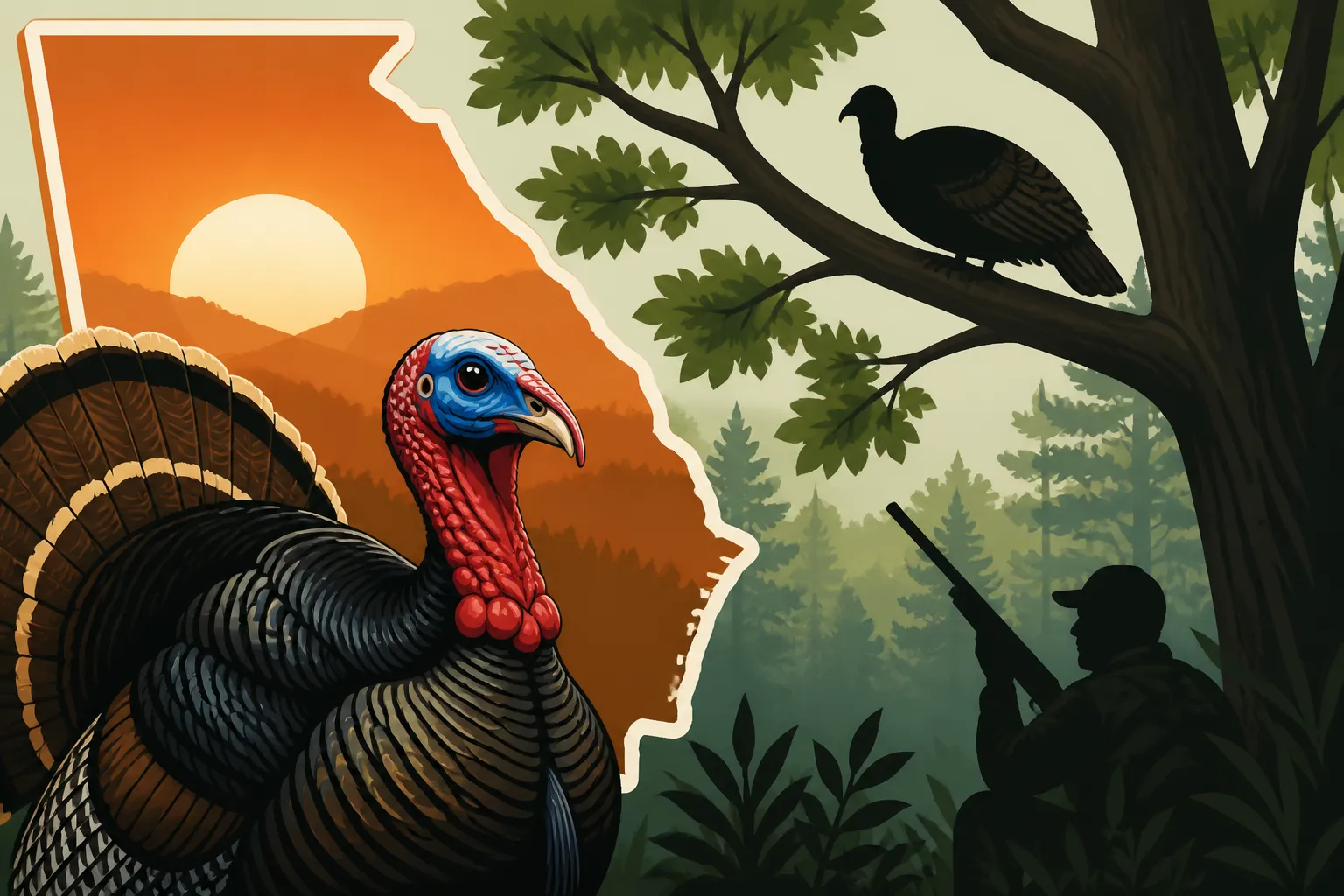
Finding a gobbler in the pre-dawn darkness, especially when you're trying to set up quietly and effectively, often boils down to knowing where he's going to be perched for the night. Turkeys aren't just roosting anywhere; they have specific preferences that offer safety and a good vantage point. This guide will dive deep into understanding these crucial roost tree preferences across Georgia, helping you pinpoint those birds before the first light of day breaks.
Why Roost Trees Are the Foundation of Your Turkey Hunt
Understanding why a wild turkey chooses a particular tree to roost in isn't just a fascinating bit of natural history; it's a critical piece of information for any serious turkey hunter in Georgia. Turkeys aren't particularly nimble on the ground after dark, and predators like coyotes, bobcats, and even feral hogs pose a constant threat. Their roost offers safety from these ground-bound dangers, a place where they can escape to relative security for the night.
Beyond safety, a good roost tree also provides a strategic vantage point. Turkeys want to wake up with a view, allowing them to survey their surroundings for danger before dropping down to the ground. This means they often pick the tallest trees in an area, or trees situated on higher ground, giving them an advantage over the morning mist and ground cover. For us as hunters, identifying these prime roosting spots before opening day can dramatically increase our chances of success. You don't want to be wandering around blindly when the woods begin to awaken. Knowing where a gobbler is likely to be perched lets you plan your approach, set up your decoys, and position yourself for that critical first call without disturbing the bird. This pre-season intel is invaluable, often gained through meticulous scouting and listening for those tell-tale evening fly-up sounds or morning gobble bursts right from the limb.
Key Characteristics of Preferred Roost Trees
When it comes to picking a hotel for the night, turkeys are pretty picky guests. They're looking for a combination of safety, visibility, and accessibility. It's not just about any tall tree; it's about the right tall tree.
Tallest Trees with Strong Horizontal Limbs
The number one characteristic of a prime turkey roost tree is its height. Turkeys want to get as far off the ground as possible to deter predators. This often means they'll choose the tallest pines or hardwoods in a given area. Think about a towering loblolly pine standing head and shoulders above its neighbors in a typical South Georgia pine plantation, or a massive white oak overlooking a creek bottom in the Piedmont. These trees offer not only height but also dense canopy protection from avian predators like owls during the night.
Beyond just height, the specific limb structure is crucial. Turkeys need strong, sturdy horizontal limbs to perch on. These limbs provide a stable platform for them to comfortably spend the night. Unlike songbirds that can cling to small branches, a several-pound gobbler needs a limb with some girth. You'll often find them utilizing limbs that are thicker and extend outward, providing maximum space and stability. If you're using a tool like the GoHunt app for scouting, you can often pinpoint these unusually tall trees or clusters of trees on aerial imagery, making your ground scouting more efficient. Remember that a turkey isn't just going to jump onto the first branch; they often hop up from lower branches, working their way up to their final perch, so a tree with a good "ladder" of branches can be an advantage for them too.
Proximity to Water and Food Sources
While safety is paramount, turkeys are also practical. They don't want to fly a mile to water or their morning feeding grounds after dropping off the roost. Therefore, ideal roost trees are often situated within reasonable proximity to water sources like creeks, rivers, ponds, or even low-lying areas that retain moisture. A turkey will typically fly down, grab a drink, and then move directly to feed. This makes scouting around these water sources and identifying adjacent tall timber a highly effective strategy.
Similarly, they'll often roost near their primary food sources. If it's acorn season in the hardwoods, expect them to be roosting in or very near those oak stands. If it's early spring and they're feeding on insects and fresh greens in a field, the tall pines bordering that field become prime real estate. Understanding what late-season food sources for Georgia whitetails are, for instance, can sometimes also give you clues about where turkeys might be feeding nearby, as some food sources overlap. This combination of safety, visibility, and convenience makes a location irresistible to a flock of turkeys settling in for the night.
Topographical Features and Wind Protection
Topography plays a significant role in roost tree selection, particularly in areas like the North Georgia mountains or the rolling hills of the Piedmont. Turkeys often prefer to roost on ridge lines, saddles, or points that offer an elevated position. This isn't just for visibility; it can also offer a degree of protection from cold air pooling in lower elevations during chilly nights, or allow them to catch a favorable thermal updraft on their morning fly-down. Understanding how wind and thermals on a mountain ridge affect animal movement can also apply to how turkeys choose their nighttime perches.
Additionally, while turkeys want a good view, they also seek some protection from strong winds. A single tall pine standing alone in an open field might seem ideal for visibility, but if it's constantly buffeted by strong gusts, it's not a comfortable place to spend the night. They might choose a group of tall pines that offer a wind break, or a tree within a thicker stand that still boasts superior height. This balance of exposure and protection is something hunters need to observe when looking for potential roost sites.
Here's a quick look at common roost tree preferences across Georgia's diverse landscapes:
| Georgia Region | Preferred Tree Types | Common Habitat | Key Considerations for Roosting |
|---|---|---|---|
| North Georgia Mtns. | Tall White Oaks, Poplars, Pines (ridge top) | Ridge lines, mature timber along creek bottoms | Elevation for thermals, strong limbs, windbreak |
| Piedmont | Tall Pines (Loblolly, Shortleaf), Mature Oaks | Field edges, creek bottoms, hardwood ridges | Proximity to food/water, commanding views |
| Coastal Plain | Tall Loblolly/Longleaf Pines, Cypress, Water Oaks | Pine plantations, swamp fringes, river bottoms | Tallest trees available, water access |
| Swamp/River Bottom | Cypress, Tupelo, Water Oak, River Birch | Trees over water, high ground near waterways | Protection from ground predators, water access |
Regional Variations in Georgia Turkey Roosting Habits
Georgia is a big state, and a turkey's idea of a perfect roost tree can shift quite a bit depending on whether you're in the rolling hills of the Piedmont or the ancient cypress swamps of the Coastal Plain.
Mountainous and Hilly Terrain
In the rugged terrain of North Georgia, turkeys frequently opt for the tallest trees on a ridge or a prominent point overlooking a valley. These elevated positions give them an incredible view of their surroundings, making it easier to spot predators approaching from below. You'll often find them in large, mature hardwoods like white oaks or poplars, especially those with strong, sprawling limbs that extend out from the main trunk. Pines are also a common choice if they are the tallest in the immediate vicinity.
The thermals in the mountains also play a role; cool air sinks into the valleys at night, and warmer air rises. Roosting higher up keeps them out of the coldest air and can help them catch a morning updraft for an easy fly-down. When scouting for Georgia gobblers here, pay close attention to the contours of the land. Hunting Chattahoochee Mountain Ridgelines offers similar insights into how deer use these features, and turkeys are often no different in seeking out advantageous terrain. Look for clusters of mature timber on those high spots, especially if there's a water source like a small creek running through the valley below.
Piedmont Farmland and Hardwood Stands
The Piedmont region, with its mix of farmland, scattered woodlots, and creek bottoms, offers a different set of challenges and opportunities. Here, turkeys are often found roosting in the tallest pines lining the edges of agricultural fields or towering oaks along creek drainages. These locations provide the height and visibility they crave, while also placing them close to morning feeding opportunities in fields or along the rich edges of hardwood stands.
A common scenario might involve a group of gobblers roosting in a line of mature loblolly pines bordering a large hayfield. They'll drop down into the field shortly after sunrise to strut and feed. Conversely, if you're in a more heavily wooded area of the Piedmont, such as national forest land, they might choose the tallest oaks on a gentle slope, close to a water source. The key here is often the juxtaposition of mature timber with open feeding areas or reliable water. For those scouting on public land, a tool like the GoHunt app can help identify these prime edge habitats from satellite imagery before you even step foot in the woods.
Coastal Plain and Swamp Ecosystems
Down in the vast Coastal Plain, particularly in the low-lying areas and extensive swamp systems, turkey roosting habits adapt to the unique environment. Here, the tallest trees often mean cypress, tupelo, or massive water oaks that stand out from the surrounding canopy, sometimes even directly over water. Roosting over water offers an extra layer of protection from ground predators that are less keen on swimming to reach them.
Along the fringes of the Okefenokee Swamp or the Altamaha River, you might find gobblers perched in towering cypress trees that seem to pierce the sky. In drier pine flatwoods, they will still gravitate towards the tallest loblolly or longleaf pines available. The presence of water often dictates their choices more strongly here than in other regions. Look for trees that stand out significantly in height, even by a few feet, especially those near river bends, swamp openings, or areas of slightly higher ground within an otherwise wet landscape. Understanding the specific Hunting Georgia Swamp and River Bottom Deer tactics can also indirectly inform your turkey scouting, as both species often utilize these areas, albeit for different purposes at different times of day.
Scouting for Roost Trees and Pre-Season Preparation
Identifying potential turkey roost trees isn't something you can usually do from your couch. It takes boots on the ground, keen observation, and often, a lot of patience. Pre-season scouting is absolutely paramount for spring turkey hunting success.
Listening for Fly-Up and Fly-Down
The most definitive way to locate a roost tree is to actually hear turkeys using it. In the evenings, turkeys will "fly up" to their roosts as dusk approaches. This often involves a distinctive series of wing beats and sometimes a few soft clucks or yelps as they settle in. Conversely, in the mornings, they'll "fly down" from the roost, typically just before or at first light, accompanied by more wing beats and often the morning's first gobble.
To scout this way, pick an area you suspect holds birds, perhaps identified through previous hunting trips or by using satellite imagery from the GoHunt platform to spot promising habitat. Arrive in the evening well before dark and position yourself quietly. Listen intently for those tell-tale sounds. The same goes for morning; be in position before legal shooting light and listen for the fly-down. Once you hear it, mark the location on your GPS or a mapping app. Remember that turkeys don't always use the exact same tree every night, but they often utilize the same general cluster of trees or the same area year after year. Scouting Georgia Public Land Before Season is crucial for all game, and turkey roosting is a prime example of where it pays off.
Using Topographic Maps and Aerial Imagery
Before you even step into the woods, leverage technology. Topographic maps and high-resolution aerial imagery are invaluable tools for identifying potential roosting habitat. Look for the tallest timber in an area, especially those on high ground, along field edges, or bordering water sources. The darker green, taller canopy on aerial maps often indicates mature timber, which is exactly what turkeys are looking for.
Pay particular attention to isolated tall trees or clumps of trees that stand out. These are often the first places turkeys will consider. Contour lines on topographic maps will help you identify ridge lines, saddles, and creek bottoms – all key areas for turkey activity. A good digital mapping system, like the GoHunt platform, allows you to overlay different map layers, measure distances, and mark waypoints for later ground-truthing. This helps you narrow down your scouting efforts to the most promising locations, saving you precious time and energy. You can identify potential roosting knobs or areas with exceptionally tall timber before committing to a long hike.
Looking for Physical Evidence
Turkeys, like all birds, leave behind signs of their presence. Once you've identified a potential roost area through listening or mapping, go in during the day (well outside of hunting season, of course) and look for physical evidence. The most common sign of a well-used roost site is droppings on the ground directly beneath the trees. Turkey droppings are quite distinctive. Gobbler droppings are typically J-shaped or curly, while hen droppings are more coiled or blob-like. Finding a collection of these tells you turkeys have been spending time overhead.
You might also find shed feathers, particularly larger primary feathers, which indicate a fly-down point. In some cases, you might even see rub marks on the bark of the tree where turkeys have flown up or down, though this is less common. Pay attention to the ground cover; a clear area under a tall tree with multiple droppings is a sure sign. These visual clues confirm your suspicions and help you fine-tune your understanding of exactly which trees are most preferred. This type of detailed scouting is what sets successful turkey hunters apart.
Setting Up Near a Roost: Timing and Tactics
Once you've done your homework and found those coveted roost trees, the next challenge is getting into position without alerting the birds. This requires careful planning and flawless execution.
Silent Approaches and Early Arrivals
The cardinal rule of setting up near a roost is silence. Turkeys have exceptional hearing, and any unnatural noise – a snapping twig, a rustling backpack, or a whispered conversation – can send them flying in the wrong direction or, worse, make them hold tight on the roost indefinitely. Plan your approach route meticulously using a GPS or mapping app, ideally identifying a path that avoids dense brush, fallen leaves, or areas where you might trip. Consider using a headlamp with a red or green light filter to preserve your night vision and minimize disturbance during your pre-dawn walk.
Arrive early. And by early, I mean well before legal shooting light and well before the turkeys even think about waking up. This gives you ample time to get to your chosen setup location, deploy your decoys if you're using them, and get completely settled and still before the first peep or gobble from the limb. Rushing your setup is a recipe for disaster. If you're targeting a gobbler that you heard call from the roost, the quiet approach is key to coaxing him in. Many hunters find success when Calling a Georgia Gobbler Off the Roost by already being in position and waiting.
Decoy Placement and Hunter Concealment
Your setup around a roost tree involves two main components: your decoys and your concealment. If you're using decoys, place them where they will be highly visible to the gobbler when he flies down, ideally within your effective shooting range. A common strategy is to place a single hen or a hen and jake decoy about 15-20 yards from your position, facing away from your likely shooting lane to give the gobbler something to approach. Remember, turkeys want to see a clear path to the decoys.
For your own concealment, positioning is critical. You need to be hidden from the turkeys' keen eyesight but still have a clear shooting lane. A large, mature tree or a thick patch of undergrowth makes an excellent natural blind. Setting Up Against a Big Pine is a classic strategy, as the wide trunk breaks up your outline. Always ensure you have a clear backstop that breaks up your silhouette, and be mindful of the rising sun; you want it at your back, not shining directly into your eyes or silhouetting you against the horizon. Patience in your setup here is rewarded.
Adapting to Fly-Down Direction
While turkeys might roost in the same tree or general area, their fly-down direction can vary based on perceived danger, wind direction, or simply where they feel like going that morning. It's a common frustration: you're perfectly set up, only for the gobbler to fly down 100 yards in the opposite direction. Be prepared to adapt.
If you hear a gobbler pitch down far from your position, don't despair immediately. Sometimes, a well-placed call can still bring him in, especially if he's alone. If he lands closer but angles away, you might need to make a small, silent adjustment to your position, using terrain features or thick cover to remain undetected. This is where a good knowledge of the local topography really helps. If you're on public land, and he flies to a new spot, you might consider a Run-and-Gun Turkey Tactics on Public Land approach, but only if you can do so silently and quickly without alerting him further. The goal is always to anticipate their moves and have a plan B (and C!).
Disclaimer
This article is for general informational purposes only and does not constitute professional advice. Laws, prices and regulations vary by location and change over time. Consult a qualified professional for guidance on your specific situation.