Georgia Buck-to-Doe Ratio by Region
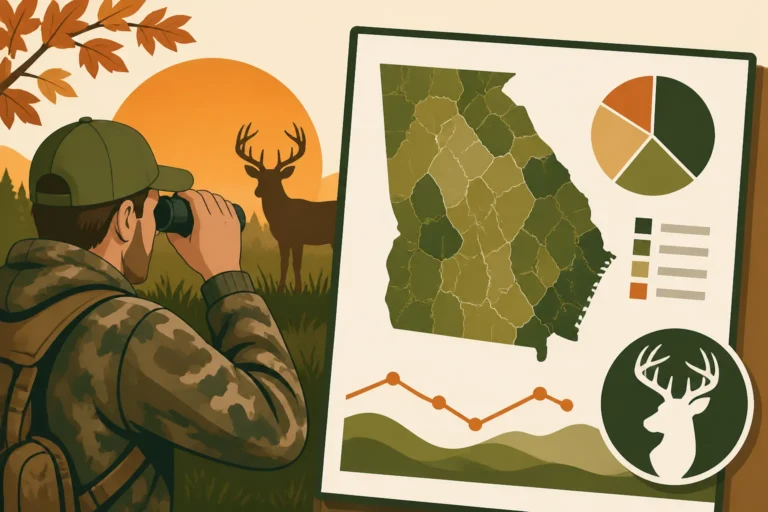
It’s a common frustration for Georgia deer hunters: you hit the woods with high hopes, maybe you’ve scouted hard, hung your stands, but all you seem to see are does and fawns. Where are the bucks? Or perhaps you’re seeing too many deer for the habitat to support, leaving you wondering if the herd is healthy. Understanding the buck-to-doe ratio in Georgia, and how it varies by region, can unlock critical insights into deer herd dynamics and vastly improve your hunting strategy, helping you make more informed decisions afield.
Understanding the Buck-to-Doe Ratio and Why It Matters
The buck-to-doe ratio is a foundational concept in deer management, often talked about in hushed tones around deer camp. Simply put, it's the number of bucks per doe within a specific deer population. While a 1:1 ratio might sound ideal, wildlife biologists often aim for something closer to 1 buck for every 2 or 3 does to ensure a healthy, thriving deer herd. It's more than just numbers on paper; it's a window into the overall health of the deer population and can heavily influence your hunting success.
The Ecological Balance
When the buck-to-doe ratio gets severely skewed—meaning there are far more does than bucks—it can throw the entire ecosystem out of whack. A high doe population without enough bucks to breed them efficiently often leads to does breeding at younger ages and having multiple fawns, creating an even larger population explosion. This overpopulation can quickly degrade habitat as deer overbrowse available forage, leading to smaller, less healthy deer with reduced antler growth, and even increased disease transmission. Think of it like a crowded dinner table: if there are too many mouths, everyone gets less to eat, and eventually, no one thrives. Maintaining a balanced ratio ensures that does are bred by mature bucks, leading to healthier fawns and a more robust deer herd overall.
Impact on Hunting Strategy
For us hunters, a balanced buck-to-doe ratio translates directly to a more exciting and predictable hunting season. When the ratio is close to ideal, the rut—that magical time when bucks are actively seeking does for breeding—is typically more intense and prolonged. Bucks don't have to travel as far or search as hard to find receptive does, leading to more daylight movement and more aggressive rutting behavior. You're more likely to see a mature buck chasing a doe right past your stand. Conversely, in areas with a heavily skewed ratio, the rut can feel sporadic and less intense, as bucks might be stretched thin trying to find and breed a vast number of does. This understanding can help you decide where and when to focus your efforts, influencing everything from calling tactics to stand placement.
Georgia's Regional Ratios: What to Expect
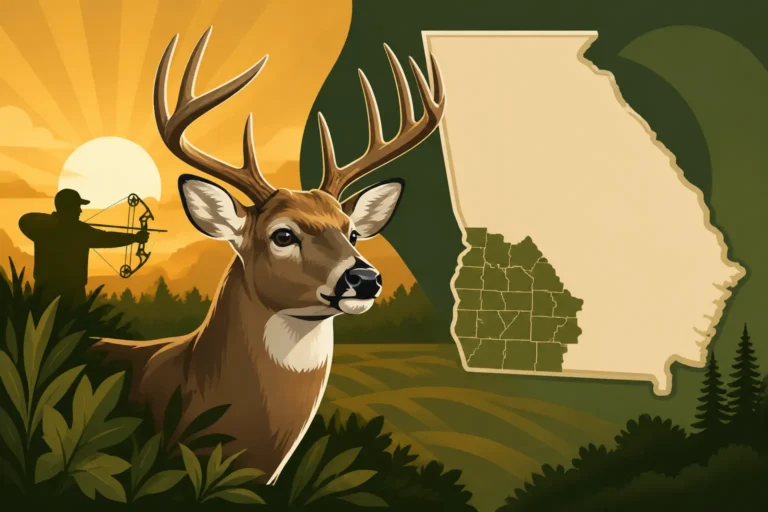
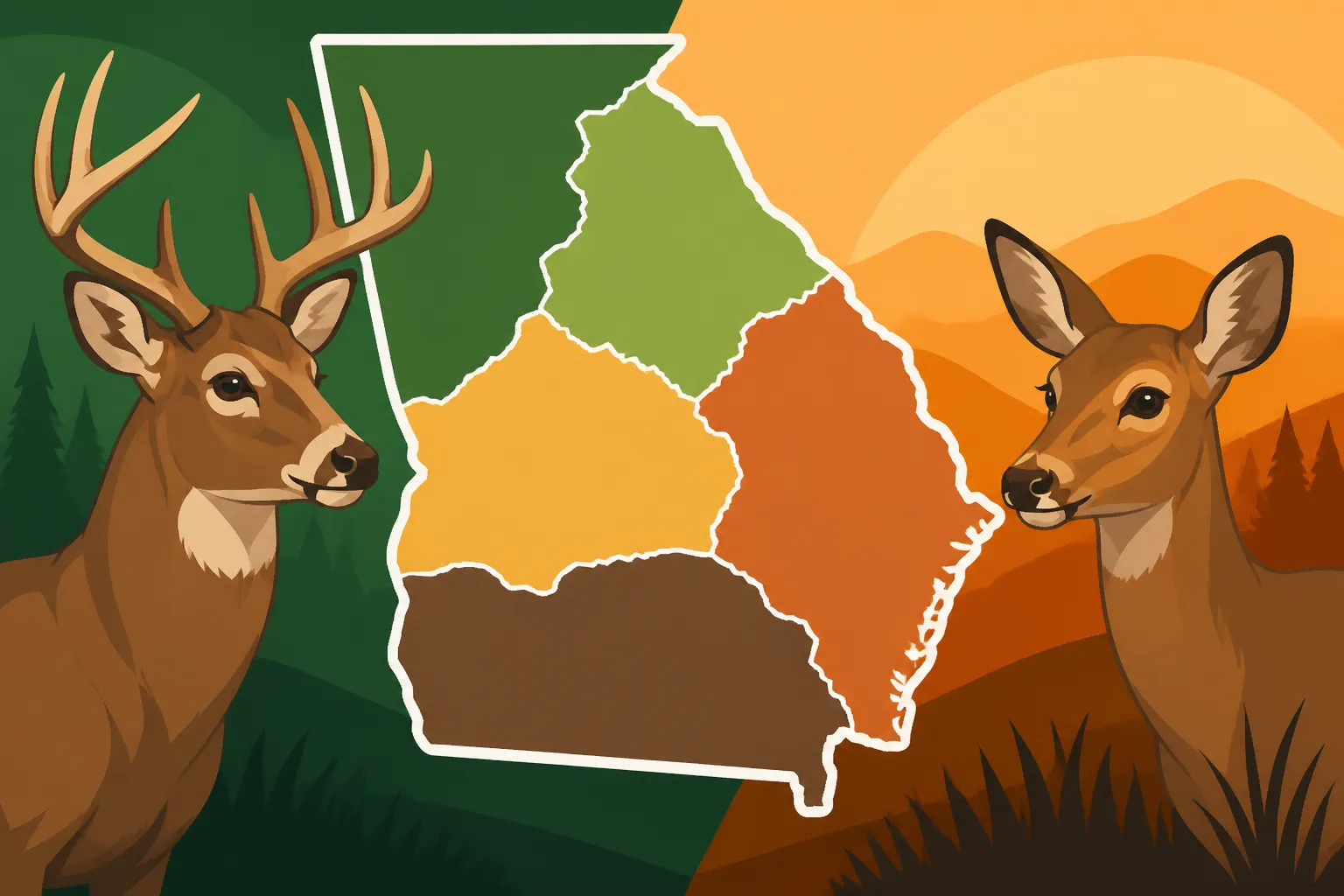
Georgia is a state of diverse landscapes, from the Appalachian foothills in the north to the sprawling agricultural fields and pine forests of the south. This geographical variety, combined with differing hunting pressures and land management practices, means that the buck-to-doe ratio isn't uniform across the state. Understanding these regional differences is key to becoming a more effective Georgia deer hunter. For a broader overview of how deer populations vary, check out Deer Density by Georgia Region.
North Georgia Mountains: Challenges and Balance
Up in the North Georgia mountains, specifically within the Chattahoochee National Forest or more remote private tracts, deer densities tend to be lower than in other parts of the state. The rugged terrain, extensive timber, and generally less abundant agricultural food sources mean the habitat can support fewer deer. Consequently, the buck-to-doe ratio here often leans more towards a balanced state, sometimes as good as 1 buck for every 2 or 3 does, even reaching 1:1.5 in well-managed pockets. The challenges here are often finding the deer, not necessarily managing an overabundance of does. Hunters in this region might be more focused on harvesting quality bucks rather than culling does, simply because the population naturally regulates itself more stringently due to habitat limitations and dispersed hunting pressure. Treestand Setups in North Georgia Mountains often account for this scattered deer population.
The Piedmont's Varying Landscape
The Piedmont region, stretching across the middle of the state, is a mosaic of suburban development, mixed hardwood and pine forests, and scattered agricultural fields. This region often presents a mixed bag when it comes to buck-to-doe ratios. In areas with high hunting pressure and a focus primarily on harvesting antlered bucks, the ratio can become skewed, leaning towards 1 buck for every 4 or 5 does, sometimes even higher. Conversely, on well-managed private lands where hunters are actively participating in antlerless deer harvest programs, the ratio can be much more balanced, perhaps 1:2 or 1:3. The proximity to urban areas also means pockets of deer can thrive with less hunting pressure, leading to localized population spikes. Piedmont Versus Coastal Plain Deer offers more insights into regional deer characteristics.
South Georgia's Abundance and Opportunity
South Georgia, characterized by vast agricultural lands, extensive pine plantations, and rich bottomland swamps, often supports some of the highest deer densities in the state. This abundance of food can lead to very high doe populations, sometimes resulting in ratios of 1 buck for every 5 or more does if not properly managed. However, it's also in these fertile grounds that some of Georgia's biggest bucks are found, especially on properties with quality deer management programs that prioritize balancing the herd. Here, the emphasis on doe harvest is crucial to maintaining herd health and promoting mature buck development. Hunters in South Georgia have a real opportunity to impact the herd's health through strategic harvesting, as permitted by Georgia Antlerless Deer Tag Rules and the generous Filling a Twelve-Deer Bag Limit.
Here's a quick overview of what you might generally find across Georgia's main deer hunting regions:
| Region | Typical Buck-to-Doe Ratio (Approx.) | Primary Influences | Common Hunting Strategy Implications |
|---|---|---|---|
| North Georgia Mountains | 1:2 to 1:3 | Lower deer density, rugged habitat, dispersed pressure | Focus on buck quality, less doe harvest needed |
| Piedmont | 1:3 to 1:5+ | Mixed habitat, variable hunting pressure, suburban pockets | Strategic doe harvest important, focus on balance |
| Coastal Plain / South Georgia | 1:4 to 1:6+ | High deer density, abundant food, intense management on private land | Aggressive doe harvest crucial, strong rut activity with balanced herd |
Factors Shaping These Numbers
Understanding why these ratios exist is just as important as knowing what they are. Several interconnected factors influence the buck-to-doe ratio in any given area, and recognizing these can help you interpret what you're seeing in the field.
The Hunter's Role and Harvest Pressure
Undeniably, hunting pressure is one of the most significant drivers of buck-to-doe ratios. For years, the hunting culture in many areas focused heavily on "buck only" harvesting, leading to an imbalance where many young bucks were taken, but does were often left untouched. When you consider Why Georgia Caps Antlered Bucks at Two, it's often part of a larger strategy to protect younger bucks and encourage doe harvest. If hunters consistently remove a disproportionate number of bucks, especially younger ones, the ratio naturally skews towards more does. Conversely, an increased focus on antlerless harvest, guided by biologists' recommendations, is the most direct way for hunters to help rebalance a skewed ratio. This isn't just about deer numbers; it's about shifting hunting tradition to embrace a more holistic approach to herd management. On public lands, where Hunting Pressure on Georgia Public Land can be high, managing this balance becomes even more complex due to varied hunter ethics and goals.
Habitat Quality and Food Sources
The quality and availability of habitat directly impact how many deer an area can sustain and how healthy those deer will be. Areas with abundant, year-round food sources—like agricultural fields (corn, soybeans, peanuts), well-managed timber stands with diverse undergrowth, or rich bottomland hardwoods with mast crops—can support higher deer densities. However, if these areas are not managed with an eye towards population balance, the deer herd can quickly outgrow the habitat's carrying capacity, leading to a surplus of does. On the other hand, poor habitat with limited food and cover will naturally support fewer deer, often resulting in a more naturally balanced ratio, albeit with potentially smaller deer. Late-Season Food Sources for Georgia Whitetails are particularly critical in determining herd health through the lean months.
Predators and Environmental Factors
While hunting is a major factor, natural predators and environmental conditions also play a role, albeit typically to a lesser degree in established deer herds. Predators like coyotes, black bears, and bobcats primarily target fawns, which can impact fawn recruitment into the adult population and subtly influence ratios over time. While their impact is generally not enough to significantly rebalance a heavily skewed ratio caused by human hunting practices, they are a piece of the ecological puzzle. Georgia Coyote Range and Density illustrates how widespread these predators are. Disease outbreaks, such as EHD (Epizootic Hemorrhagic Disease), and harsh weather conditions can also temporarily affect deer populations and ratios, but these are usually acute events rather than long-term shapers of regional dynamics.
Applying This Knowledge to Your Hunt
So, you understand what the buck-to-doe ratio is and why it's important. Now, how do you use this knowledge to become a more strategic and successful deer hunter in Georgia? It boils down to adapting your approach to the specific conditions of the land you hunt and contributing positively to herd health.
Strategic Doe Harvest
If you're hunting in an area with a heavily skewed buck-to-doe ratio—say, 1:4 or higher, especially in South Georgia's productive agricultural zones—your focus should often shift towards strategic doe harvest. Taking does is not just about filling the freezer; it's a vital component of balancing the herd. Removing excess does alleviates pressure on the food supply, allowing the remaining deer to be healthier, and it reduces the number of mouths that need to be fed, freeing up resources. More importantly, it helps synchronize the rut, making bucks more active and predictable during breeding season. Don't be afraid to utilize your antlerless tags; they are a tool for conservation as much as they are for harvest. For detailed information, consult Georgia Deer Season Structure Explained.
Targeting Mature Bucks
In areas where the buck-to-doe ratio is more balanced, particularly in parts of the North Georgia mountains or on private lands with strong management, your hunting strategy can lean more towards targeting mature bucks. A balanced ratio means bucks don't have to wander as far to find does, making their movements somewhat more predictable during the rut. This is where rattling, grunting, and well-placed scrapes can become incredibly effective. Understanding that mature bucks are more prevalent in a balanced herd can give you the confidence to pass on younger bucks, knowing that older, larger deer are likely present. When planning a hunt, tools like GoHunt can help you visualize land features or research regulations, which informs your strategy once you understand the regional deer populations and how they're managed. This data-driven approach to Scouting Georgia Public Land Before Season can put you ahead of the curve.
Leveraging Data and Resources
Modern hunters have access to an incredible amount of information that can inform their decisions. Beyond anecdotal evidence from fellow hunters, state wildlife agencies publish deer harvest reports that often include buck-to-doe ratios or data from specific areas. Utilizing online mapping platforms, which often incorporate public land boundaries and even habitat types, can further assist in identifying high-traffic deer areas. Combine this with your understanding of regional buck-to-doe ratios, and you can develop a highly effective hunting plan. For instance, knowing when The Georgia Rut Peaks in your specific region, coupled with an understanding of the local buck-to-doe ratio, can help you pinpoint the absolute best times to be in the stand. Remember, companies like GoHunt provide mapping and data aggregation services that can supplement your research, helping you connect the dots between regional population dynamics and where you decide to hunt. It's all about making informed choices to enjoy a more successful and responsible hunting season.
Disclaimer
This article is for general informational purposes only and does not constitute professional advice. Laws, prices and regulations vary by location and change over time. Consult a qualified professional for guidance on your specific situation.