Georgia Spring Turkey Harvest Numbers
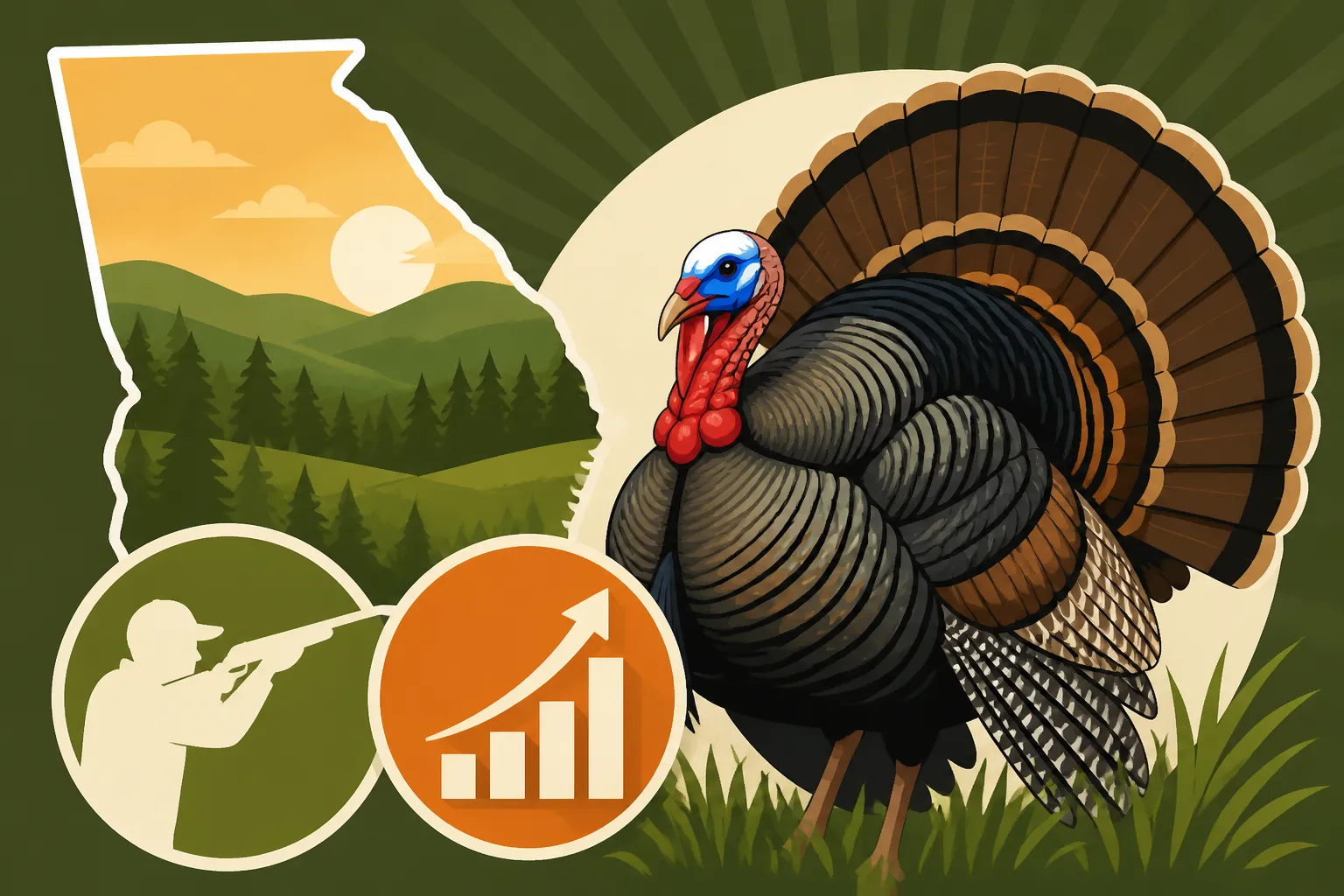
Every Georgia turkey hunter has been there: you've put in the time scouting, practiced your calls until your lungs ached, and maybe even burned some vacation days for opening morning. But after a tough season, or even a great one, a common question always lingers: how did everyone else do? Understanding the overall spring turkey harvest numbers in Georgia can feel like looking into a crystal ball, trying to glean insights that might help you next season. This guide aims to demystify those numbers, explaining how they're collected, what they really mean, and how you can use them to become a more informed hunter.
Understanding Georgia's Turkey Harvest Data
It’s easy to get caught up in the excitement of turkey season, focusing purely on our personal success or frustrations. But looking at the broader picture, specifically the harvest data collected across the state, offers valuable insights not just into how many birds were taken, but also into the health of Georgia's wild turkey population. These numbers are more than just statistics; they tell a story about our conservation efforts and the challenges these incredible birds face.
Why Harvest Numbers Matter to Hunters
For many of us, the spring turkey hunt is a cherished tradition. We chase those booming gobblers through hardwood bottoms and pine stands, listening for that heart-stopping sound that signals the start of the show. But beyond the thrill of the hunt, understanding statewide harvest numbers is crucial. These figures can give us a general sense of how well the turkey population is doing overall, where success rates might be higher or lower, and how external factors like weather or habitat changes are playing out. If you're seeing a consistent decline in harvest numbers over several years, it might signal an issue that needs attention, perhaps even prompting changes in hunting regulations or habitat management initiatives. It’s a way for us, as responsible hunters, to gauge the pulse of the resource we cherish. It can also inform your hunting strategies, helping you decide where to focus your efforts or even when to try different tactics if a particular area seems to be struggling.
How the Georgia DNR Collects Data
You might wonder how Georgia actually compiles these numbers. It's not magic, but a methodical process driven largely by hunter participation. The Georgia Department of Natural Resources (DNR) relies heavily on mandatory harvest reporting, which we all contribute to through the Georgia Game Check system. After successfully harvesting a turkey, hunters are required to report their kill, typically online or through a mobile app. This report includes critical details like the date, county of harvest, and whether the bird was a gobbler or jake. This data is then aggregated and analyzed. Beyond mandatory reporting, the DNR also conducts various surveys and population monitoring efforts, like brood surveys, to get a more comprehensive picture of the turkey population's health and reproductive success. These combined efforts are what allow them to put together those comprehensive reports we often see after the season wraps up.
The Difference Between Harvest and Population
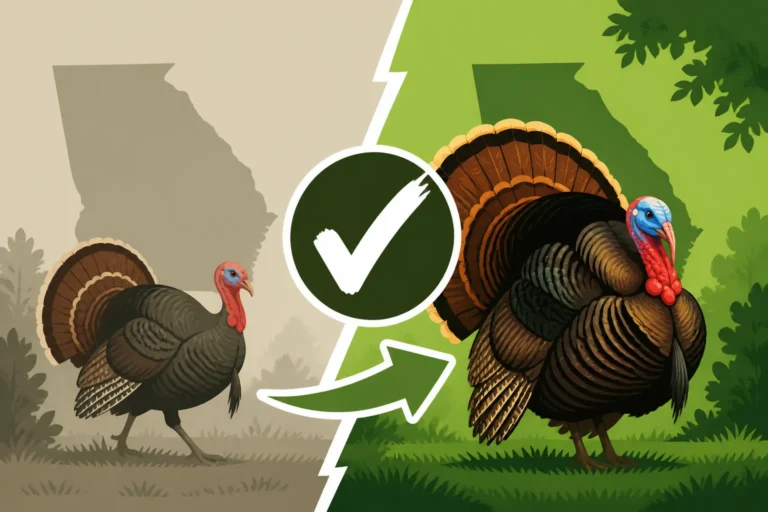
It’s really important to distinguish between harvest numbers and the actual turkey population. Harvest numbers represent the number of turkeys successfully taken by hunters during a specific season. The population, on the other hand, refers to the total number of turkeys living in the state at any given time. While harvest data is a strong indicator of population trends – a healthy, growing population generally supports a higher harvest – it’s not the same thing. Factors like hunter effort, weather conditions during the season, and even changes in regulations like the recent Why Georgia Dropped the Turkey Limit to Two can directly impact harvest numbers, even if the overall population remains stable. For instance, a very rainy spring might mean fewer hunters are out, or birds are less vocal, leading to a lower harvest despite plenty of turkeys on the ground. Conversely, a fantastic nesting year resulting in high Poult-to-Hen Ratios and What They Mean a few seasons prior could lead to a banner harvest when those birds mature, reflecting a healthy population surge. So, while closely related, they are distinct metrics.
Recent Trends in Georgia Spring Turkey Harvest
Georgia's turkey hunting landscape is dynamic, always shifting with habitat changes, weather patterns, and even how many of us are out there chasing gobblers. Looking at recent trends in harvest data gives us a sense of what's been happening on the ground and helps us appreciate the efforts needed to sustain this incredible resource.
Overview of Past Seasons and Notable Shifts
Over the years, Georgia’s spring turkey harvest numbers have seen their share of ups and downs. We’ve had periods where numbers were consistently strong, reflecting robust populations and good hunting conditions. Other times, hunters might have noticed a slight dip, prompting discussions and deeper dives into potential causes. For instance, you might remember seasons where it felt like you heard fewer gobblers, and later, the statewide harvest reports seemed to echo that feeling. These shifts aren't always dramatic, but they are closely monitored by wildlife biologists. They help inform decisions about season lengths, bag limits, and conservation priorities. It’s not just about how many birds are taken, but how that trend aligns with the long-term health of the wild turkey. While I can't give you exact figures or year-stamped comparisons, generally, the past few years have brought a focus on understanding the Georgia Turkey Population Trends more deeply, ensuring we're all doing our part to support healthy flocks for generations to come.
Factors Influencing Harvest Success
So, what drives these harvest numbers? It's a complex mix of environmental and human factors. For starters, weather plays a massive role. A cold, wet spring can suppress gobbling activity and make it tough for hunters to locate and call in birds, regardless of how many are out there. Conversely, a string of mild, clear mornings can get gobblers fired up and make for excellent hunting. Habitat is another huge piece of the puzzle; healthy, diverse habitat with good nesting cover and bugging grounds is essential for strong turkey recruitment. Areas with ongoing timber management or agricultural practices often provide excellent conditions.
Hunter pressure also comes into play. On popular public lands, particularly during the Hunting the Public-Land Turkey Opener in April, increased pressure can make birds warier and harder to work. And, of course, the success of previous nesting seasons is paramount. A few years of poor hatches, perhaps due to heavy rainfall during nesting or increased Nest Predation and Georgia Turkey Hatches, will eventually show up as fewer adult gobblers in the woods and, consequently, lower harvest numbers. All these elements intertwine to create the picture reflected in the annual harvest reports.
Impact of Regulation Changes
Wildlife management isn't static, especially with a species like the wild turkey that faces various pressures. Over time, regulations can change to reflect new biological data or conservation goals. A significant recent example is the state's decision to adjust the turkey bag limit. This kind of change, while sometimes unpopular with hunters, is usually implemented with the long-term health of the turkey population in mind. The intention is to allow populations to stabilize or grow, ensuring future hunting opportunities.
Consider the adjustments made to season lengths or the overall Georgia Spring Turkey Season Rules. These decisions are directly aimed at influencing the harvest. Shorter seasons or reduced bag limits are designed to lower the overall take, giving more birds a chance to breed and survive. It's a balancing act: providing ample hunting opportunity while also safeguarding the resource. Hunters need to stay updated on these changes each year, as they directly affect what you can legally harvest and, in turn, contribute to the statewide numbers.
Interpreting Harvest Data for Your Next Hunt
Understanding the raw numbers is one thing, but knowing how to interpret them and apply that knowledge to your actual hunting strategy is where the real benefit lies. Harvest data isn't just for biologists; it's a tool for every hunter to think more strategically about their time in the woods.
Identifying Productive Regions and Their Challenges
While the DNR doesn't always break down harvest numbers by every single county for public consumption in granular detail, general regional trends can often be observed. If you follow reports or engage with fellow hunters on platforms like GoHunt, you might notice certain areas consistently produce higher harvest numbers. For example, some of the traditionally rich agricultural areas in the Piedmont or Coastal Plain might show steady turkey harvests due to abundant food sources and good habitat. Conversely, some of the heavily forested mountain regions might have lower overall harvest totals, not necessarily because of fewer birds, but perhaps due to tougher terrain and different hunting styles.
This regional understanding can help you decide where to focus your efforts. If you're looking for an area with historically higher success rates, you might look toward regions known for good turkey habitat and consistent harvests. However, higher harvest numbers can also mean more hunter competition, especially on public lands. It's a trade-off many of us face: go where the birds are plentiful but so are the hunters, or seek out less-pressured areas where the bird density might be lower but the hunting experience more solitary. Knowing the Best Georgia Counties for Turkeys can sometimes give you a head start, but always remember local conditions vary.
Balancing Data with On-the-Ground Scouting
It’s easy to get lost in statistics, but harvest data should always be a guide, not a gospel. The most successful turkey hunters know that there's no substitute for boots-on-the-ground scouting. While statewide numbers or regional trends can point you in the right direction, they won't tell you where that specific gobbler is roosting, or where he's strutting on any given morning.
Think of it this way: the data might tell you that County X had a great season, but it won't reveal that the best creek bottom in that county was clear-cut last year. That’s where your personal effort comes in. Use mapping apps like GoHunt to analyze aerial photos, identify potential roosting areas, strut zones, and travel corridors. Then, hit the woods well before the season, listening for gobblers, looking for tracks, droppings, and scratchings. Even if the data suggests a tough year, a dedicated hunter who scouts thoroughly can still find success. It's about combining the macro-level information with micro-level intelligence. For more tips on finding birds, check out Scouting Georgia Public Land Before Season.
How to Stay Informed Season to Season
Staying in the loop about Georgia's turkey harvest isn't just about reading the final report once it's released. It's an ongoing process. First and foremost, regularly check the official Georgia DNR website. They typically release summaries and sometimes more detailed analyses of the previous season's harvest. These reports are invaluable.
Beyond official channels, engage with the hunting community. Local hunting forums, social media groups focused on Georgia hunting, and conversations with fellow hunters at the local sporting goods store can provide anecdotal but often very insightful information about what's happening in different parts of the state. Apps like GoHunt can also offer community features or mapping layers that help you track public land access and potential habitat changes. Subscribing to publications or blogs focused on Georgia hunting will also keep you informed on broader trends and conservation efforts. The more informed you are, the better equipped you'll be to adapt your strategies and contribute to the overall health of Georgia's turkey population.
Looking Ahead: The Future of Georgia Turkey Hunting
The future of turkey hunting in Georgia isn't just about what happened last season; it's about what we do now and in the years to come. It involves ongoing conservation efforts, habitat improvements, and the continued dedication of hunters like us.
Conservation Efforts and Habitat Improvement
The wild turkey is a testament to successful wildlife conservation, but the work is never truly done. Many organizations, including the Georgia DNR and groups like the National Wild Turkey Federation (NWTF), are constantly working on initiatives to improve turkey habitat across the state. This can include prescribed burning, which is critical for creating the open understory and bugging habitat turkeys need, especially in pine forests. It also involves planting beneficial food sources, managing timber in a way that creates diverse age classes of trees, and protecting critical nesting and brooding cover.
These efforts aren't just about making good hunting spots; they're about ensuring the entire ecosystem supports a thriving turkey population. When turkey populations are healthy and expanding, it naturally translates to better hunting opportunities and, often, higher sustainable harvest numbers. For example, focused efforts on restoring longleaf pine ecosystems or managing specific Georgia Wildlife Management Areas for game species can have a significant positive impact on local turkey numbers.
The Role of Hunter Participation
As hunters, we are critical to the future of Georgia turkey hunting. Our participation goes far beyond just heading to the woods each spring. Our license and tag purchases directly fund conservation efforts, habitat management, and research that benefits turkeys and many other wildlife species. Perhaps even more importantly, our adherence to harvest reporting rules provides the Georgia DNR with the crucial data they need to make informed management decisions. If hunters don't accurately report their harvests, the data becomes incomplete, making it harder for biologists to get an accurate picture of population health and trends.
Ethical hunting practices also play a vital role. This includes respecting regulations, practicing good sportsmanship, and making every effort to ensure a clean harvest. By being responsible stewards of the resource, we ensure that future generations can experience the same thrill of calling in a Georgia gobbler that we do. Our ongoing commitment to conservation, both financially and through ethical participation, is the best guarantee for a strong future for Georgia’s wild turkeys.
Here's a quick look at how various factors can influence turkey harvest:
| Factor | Potential Impact on Harvest Numbers | Hunter's Takeaway |
|---|---|---|
| Good Hatch Year | Higher numbers of jakes/gobblers 2-3 years later | Expect potentially more birds, but also more competition. |
| Poor Hatch Year | Fewer birds in subsequent seasons | Focus on established patterns, less pressured areas. |
| Mild, Dry Spring | Increased gobbling, more hunter days out | Good conditions, but expect other hunters to be out too. |
| Cold, Wet Spring | Suppressed gobbling, fewer hunter days out | Challenging, but persistent hunters can find less vocal birds. |
| Habitat Quality | Directly impacts bird density and health | Prioritize areas with diverse, well-managed habitat. |
| Hunter Pressure | Can make birds wary, reduce success rates | Seek out remote areas or hunt mid-week if possible. |
| Regulation Changes | Can alter season length, bag limits, etc. | Always check current regulations before heading afield. |
Disclaimer
This article is for general informational purposes only and does not constitute professional advice. Laws, prices and regulations vary by location and change over time. Consult a qualified professional for guidance on your specific situation.