Best Georgia Counties for Wild Quail
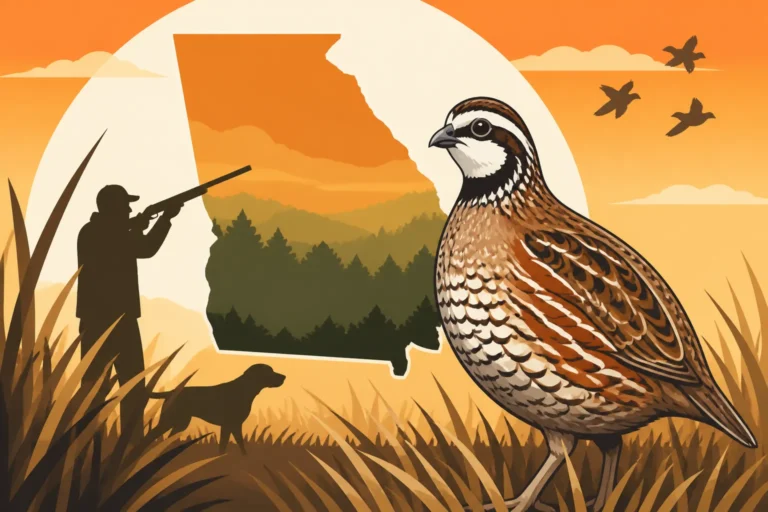
For many Georgia hunters, the dream of a true wild bobwhite quail covey rise is a fading memory, often replaced by the reality of pen-raised birds on preserves. But don't despair! While wild quail populations have seen their challenges, there are still pockets of Georgia where these feisty little rockets thrive. This guide will shine a light on the counties where the habitat still supports strong wild quail numbers, helping you understand where to focus your efforts for that authentic covey experience.
The Journey of Georgia's Wild Quail Populations
The story of the bobwhite quail in Georgia is a complex one, marked by dramatic shifts in landscape and land use. For generations, wild quail were abundant, an everyday part of the rural tapestry. However, the last century brought significant changes that profoundly impacted these beloved game birds.
The Decline of Wild Bobwhite Quail
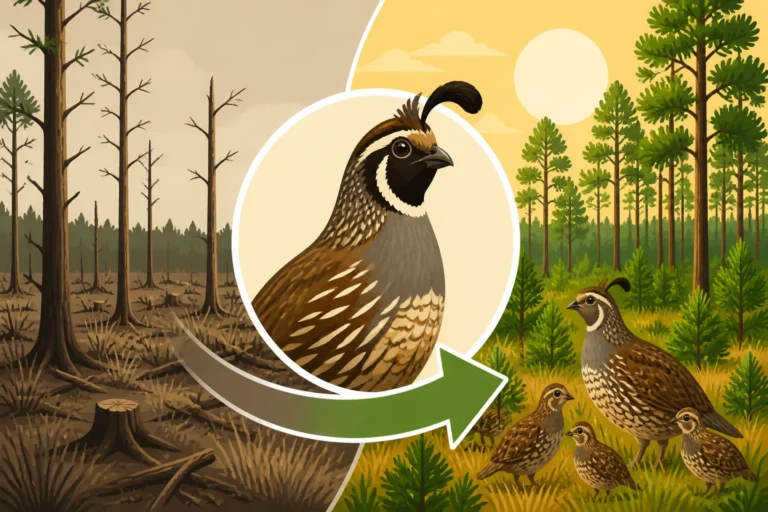
It's no secret that wild quail numbers across the Southeast, including Georgia, have seen a steep decline since their heyday in the mid-20th century. This wasn't just one single factor, but a perfect storm of environmental shifts. Large-scale agriculture moved away from small, diverse farms with hedgerows and fallow fields, towards monoculture crops that offered little in the way of consistent food or cover for quail. The practice of prescribed fire, once a natural and common occurrence in many southern ecosystems, diminished, leading to dense, brushy understories that choked out the open, grassy habitat quail need.
Imagine the classic Georgia landscape of 60 or 70 years ago: small farms with scattered fields of corn and peanuts, fence rows thick with blackberry brambles, and open pine woods where fire regularly swept through, keeping the undergrowth low and promoting native grasses and forbs. That was prime quail country. As these landscapes changed, so too did the opportunities for wild quail to flourish. Many hunters who grew up in the 60s and 70s remember a time when finding a wild covey was a relatively common event, a stark contrast to the rarity many experience today. If you're keen to understand the historical context, check out Georgia Wild Quail Decline Since the 1960s.
How Managed Pine Habitat is Reversing the Trend
The good news is that the understanding of quail ecology has grown immensely, and with it, a dedicated effort to restore their habitat. The key to this comeback lies largely in actively managed pine habitat, particularly longleaf pine savannas. Landowners, conservation groups, and even state agencies have realized that simply "letting nature take its course" doesn't always work in a landscape heavily altered by human activity.
This means a return to practices like regular prescribed burning, often on a 1-3 year rotation, which clears out dense undergrowth, promotes native seed-producing plants, and provides the open, grassy areas quail need for nesting, foraging, and movement. Timber thinning is another critical component, allowing more sunlight to reach the forest floor, further encouraging herbaceous growth. Many operations are also planting native grasses and forbs specifically chosen to provide food and cover. This intentional habitat management creates a mosaic of open woodlands, native prairies, and diverse edges that mimic the historical conditions where quail thrived. This shift in land management is proving vital, offering a beacon of hope for wild bobwhite populations. You can learn more about this crucial work in Managed Pine and Georgia Quail Recovery.
What "Wild Quail" Really Means Today
When we talk about hunting "wild quail" in Georgia today, it's important to understand the distinction from pen-raised birds. Wild quail are descendants of native populations, born and raised in the wild, without human intervention. They are typically smaller, faster, and much more challenging to hunt than their preserve-reared cousins. A covey rise of truly wild birds is an explosion of energy and a testament to successful habitat management.
These birds have a deeply ingrained flight instinct and a keen awareness of their surroundings, making them incredibly rewarding to pursue with a well-trained pointing dog. They rely on their natural instincts for survival, finding food, cover, and evading predators entirely on their own. This inherent wildness is what makes the pursuit so special and why finding healthy wild populations is such a prized experience for upland bird hunters.
Understanding Prime Wild Quail Habitat
To truly appreciate why certain Georgia counties excel for wild quail, we need to dig into the specifics of what makes ideal bobwhite habitat. It's more than just "some trees and some grass"; it's a precise combination of elements that meet all the quail's life cycle needs.
The Importance of Fire and Pine Savanna
At the heart of prime wild quail habitat in Georgia is the longleaf pine savanna, meticulously maintained with frequent prescribed fire. This ecosystem is naturally open, with widely spaced pines and a dense, diverse understory of native grasses and wildflowers. Fire is the natural architect here, burning off accumulated leaf litter and woody growth, preventing the forest from becoming a dense, dark tangle.
When fire sweeps through, it stimulates new growth of herbaceous plants that produce the seeds and insects quail feed on. It creates bare ground patches essential for dust bathing and provides clear lanes for coveys to move through, yet leaves behind clumps of grass and low shrubs for crucial nesting and escape cover. The open canopy allows sunlight to penetrate, fueling the growth of these beneficial ground-level plants. Without fire, these areas would quickly become too thick and shaded, losing their value to quail. This management is crucial, creating the perfect balance of open space and dense, low-level cover that wild quail demand.
Edge Habitat and Food Sources
While the open pine savanna is vital, edge habitat plays an equally critical role. Quail thrive where different cover types meet – the edge of a pine stand bordering a fallow field, a hedgerow separating two agricultural plots, or a transition zone from dense woods to more open brush. These edges provide a variety of resources within a small area, allowing quail to quickly move from foraging grounds to protective cover.
In these areas, quail find a diverse buffet of food sources. They feast on seeds from native grasses like partridge pea, lespedeza, and ragweed, as well as the berries of various shrubs. Insects are also a critical protein source, especially for growing chicks, which depend almost entirely on insects during their first few weeks of life. Well-managed fields, even small ones, adjacent to prime pine habitat can be goldmines, offering abundant food in late summer and fall. These diverse edges also provide critical travel corridors and secondary escape cover from aerial predators.
Water and Roosting Cover
While quail don't need standing water sources in the same way ducks do, they do rely on dew, insects, and succulent plants for their hydration. Therefore, habitat that supports abundant insect life and healthy plant growth naturally meets their water needs. What's more critical is specific cover for roosting.
Quail typically roost on the ground, often in a tight circle, tails-in, heads-out, to conserve heat and provide all-around vigilance against predators. Ideal roosting cover consists of sparse, clumpy grasses or low-growing shrubs that provide overhead concealment without being so dense that they restrict escape. These areas allow the birds to feel secure while also being able to explode into flight if threatened. Finding these particular patches of cover, often in the very areas of managed longleaf pine, is a strong indicator of a healthy covey. Understanding these micro-habitats can significantly improve your scouting efforts.
Spotlight on Georgia's Best Wild Quail Counties
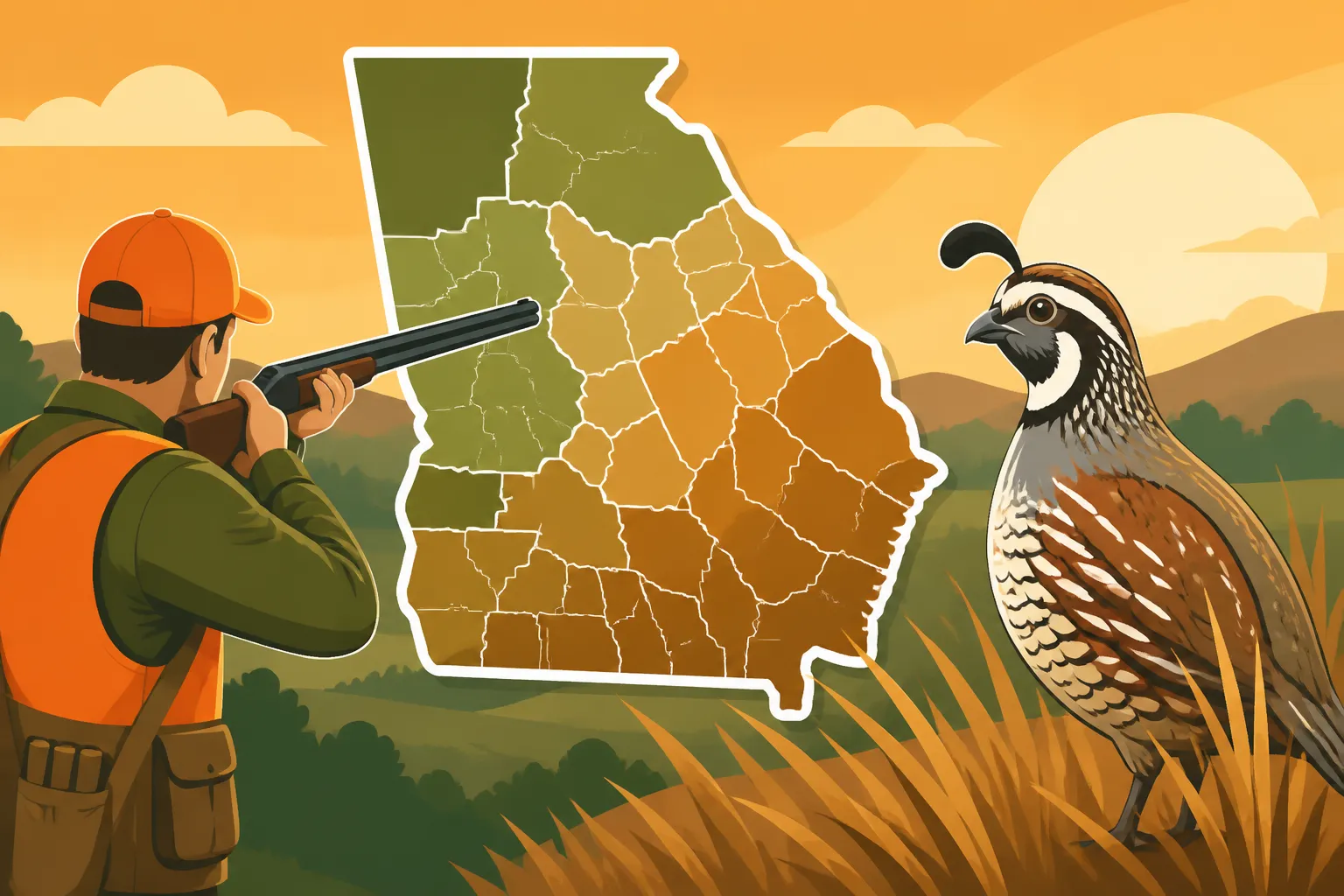
Alright, let's get down to what you're really here for: which counties in Georgia offer the best chance for that thrilling wild quail covey rise? While the presence of wild quail is highly localized and dependent on specific land management practices, some regions and counties stand out due to their historical context, soil types, and the concentration of dedicated habitat efforts.
Southwest Georgia: The Quail Belt's Heart
Without a doubt, Southwest Georgia remains the undisputed heart of wild quail country. Counties like Thomas, Grady, Brooks, Colquitt, Mitchell, Baker, and Decatur are legendary. This region boasts a combination of factors that make it ideal:
- Historical Legacy: This area has a long, rich history of large hunting plantations that, for generations, have meticulously managed their land for bobwhite quail. These aren't just hunting clubs; they are often vast estates with dedicated wildlife biologists and land managers who implement year-round habitat programs.
- Sandy Soils and Longleaf Pine: The sandy, well-drained soils of this region are perfectly suited for longleaf pine ecosystems, the cornerstone of prime quail habitat. These soils, combined with a history of natural fire regimes, create an environment where prescribed burning is highly effective and native herbaceous plants flourish.
- Dedicated Management: The sheer concentration of land managed specifically for quail in these counties is unparalleled. These large tracts provide expansive, contiguous habitat essential for robust quail populations, allowing them to range and thrive without constant disruption. When you find yourself in these counties, keep an eye out for tell-tale signs of good management: open pine woods with a diverse understory, recent burn lines, and strips of natural cover bordering fields. While much of this land is private, simply driving through can give you a visual sense of what truly good quail habitat looks like. Knowing that such extensive habitat exists helps the overall population stability in the region.
Central Georgia's Hidden Gems
While Southwest Georgia gets all the glory, there are certainly hidden gems in Central Georgia where wild quail can be found. These tend to be more fragmented and reliant on individual landowner efforts, but they are there. Counties such as Burke, Screven, Washington, and parts of Laurens can hold surprises.
- Agricultural Landscape Potential: These counties often have a mix of agriculture and woodlands, which, with the right management, can create excellent edge habitat. A farmer who leaves fallow fields, manages hedgerows, and practices conservative timber harvesting can inadvertently create fantastic quail cover.
- Private Land Initiative: Finding wild quail here often comes down to knowing specific private landowners who are passionate about quail and are actively managing their properties with prescribed fire, native plantings, and timber thinning. These are often smaller, family-owned tracts rather than the sprawling plantations of the southwest. Accessing these areas means building relationships and earning permission, which is often the key to unlocking these localized honey holes.
- Spotting Opportunity: When scouting these central counties, look for indications of diversified farming practices, areas where pines are openly managed, and stream bottoms with dense, natural cover adjacent to open fields. Tools like GoHunt can be invaluable here for identifying land ownership patterns and potential habitat features on aerial maps, helping you narrow down areas where knocking on doors might be productive.
The Role of Public Lands and VPA Areas
Hunting wild quail on public land in Georgia is, to put it mildly, an extreme challenge. The vast majority of prime wild quail habitat in Georgia is privately owned and meticulously managed. However, it's not entirely impossible to find opportunities, though they require significant effort and a healthy dose of realism.
- Limited Public Opportunities: Most Wildlife Management Areas (WMAs) are managed for deer, turkey, or waterfowl, with quail being a secondary or tertiary consideration. Even on WMAs that do practice prescribed burning, the sheer hunting pressure and fragmented nature of the habitat often make consistent wild quail hunting difficult. You might find a covey, but it's rarely a consistent experience year after year across wide areas. Some WMAs in the southern part of the state, particularly those with longleaf restoration projects, might offer occasional, highly localized chances, but these are often needle-in-a-haystack scenarios.
- Voluntary Public Access (VPA) Lands: Georgia's VPA program offers some limited public access to private lands, and occasionally, a parcel might have habitat that benefits quail. However, these are generally geared towards deer and turkey hunting. Always check the specific regulations and opportunities for each VPA property, as they can vary greatly. The key here is persistence and incredibly thorough scouting. For more on public hunting, see Public Hunting Land in Georgia.
- Why Private Land Reigns Supreme: The simple truth is that the scale of dedicated, long-term habitat management required to sustain robust wild quail populations is most often found on private land. This reality underscores the importance of seeking landowner permission if wild quail are your primary pursuit.
To help you visualize where you might have the best luck, here's a quick overview of key habitat indicators in different regions:
| Region | Primary Habitat Type | Key Management Indicators | Wild Quail Potential |
|---|---|---|---|
| Southwest GA | Longleaf Pine Savanna, Managed Fields | Frequent prescribed burns, timber thinning, diverse understory, large contiguous tracts | High |
| Central GA | Mixed Pine/Hardwood, Agricultural | Patchwork of burns, well-maintained field edges, native forb strips | Moderate (Localized) |
| Southeast GA | Coastal Flatwoods, Pine Plantations | Active timber management, some prescribed burns, smaller scale | Low to Moderate |
| North GA | Mountain Hardwoods, Foothill Pine | Minimal, very low density due to habitat, extreme rarity | Very Low |
Strategies for Hunting Georgia's Wild Quail
Finding wild quail in Georgia is one thing; successfully hunting them is another. It requires patience, keen observation, the right tools, and often, a lot of legwork. It's a pursuit steeped in tradition and calls for a specific approach.
Scouting for Success
Before you even think about loading up your shotgun, you need to scout, scout, scout! Unlike deer, quail often leave subtle signs. You're looking for areas that look like prime habitat: open pine woods with a grassy understory, natural clearings with seed-producing plants, and good edge cover.
- Aerial Maps and Topography: Utilize resources like GoHunt mapping tools or other GPS apps to pour over aerial photography. Look for mosaics of different cover types, recent timber cuts (that are now regrowing with native plants), and areas where fields meet timber. Pay attention to power lines or gas lines that create linear openings, and old logging roads that might offer easy access into promising areas.
- Boots on the Ground: Nothing beats walking the ground. Look for quail droppings (small, firm, and often white-capped), dusting bowls (small, shallow depressions in bare soil), and feather piles which can indicate a covey has been active or has fallen victim to a predator. Listening for the distinctive "bob-white!" call, especially in the mornings, is a clear sign you're in the right neighborhood. Don't be afraid to cover a lot of ground; these birds roam.
- Seasonal Changes: Understand that quail use habitat differently throughout the year. In spring, they need good nesting cover. In fall and winter, they prioritize abundant food sources and thermal cover. Your scouting should align with the season you plan to hunt.
Working Dogs for Wild Birds
Let's be clear: hunting wild quail without a well-trained pointing dog is an exercise in frustration. A good bird dog is not just a companion; it's an essential tool. They use their superior sense of smell to locate coveys, point them, and then often retrieve fallen birds.
- Training Matters: Wild quail are different from preserve birds. They run, they hold tight, and they explode. A dog trained specifically for wild birds understands these nuances. You want a dog that quarters efficiently, holds a solid point, and is steady to wing and shot. There's nothing quite like watching a good pointer lock up on a covey of wild birds, a picture of intensity and focus. Find a guide to Working Pointing Dogs on Wild Georgia Quail for more in-depth advice.
- Patience is Key: Dogs, like hunters, need time to learn a new area and adapt to wild bird behavior. Give your dog plenty of opportunities, and be patient when they make mistakes. The bond and teamwork built between a hunter and their pointing dog in the quail woods is a special thing.
Approaching a Covey Rise
The covey rise is the apex of wild quail hunting, a moment of pure adrenaline. When your dog goes on point, approach cautiously, staying behind your dog. Be ready, because when those birds flush, they often do so explosively, flying in all directions.
- Safety First: Always be aware of your hunting partners, your dog, and your surroundings. Know your shooting lanes.
- Shot Placement and Retrieval: Focus on a single bird, swing through it, and follow through with your shot. After the shot, mark where your bird falls, and quickly reload. Your dog will then work to find any downed birds. It's crucial to retrieve every bird, as even a winged bird can escape and suffer. After the initial covey flush, if you're lucky, your dog might locate "singles"—individual birds that have landed and are now hiding. Hunting singles can be even more challenging and rewarding. Learn more about the experience in Working a South Georgia Quail Covey Rise.
- Season and Bag Limits: Always be mindful of the current Georgia Quail Season Bag Limit and daily limits. Responsible hunting ensures future opportunities.
The Role of Private Land Permission
This is the hard truth: if you want consistent, high-quality wild quail hunting in Georgia, you almost certainly need access to private land. The vast majority of the best wild quail habitat is on private estates and well-managed farms.
- Building Relationships: The best way to gain access is by building relationships with landowners. This means being respectful, offering to help with chores, being incredibly courteous, and always following their rules. Start by asking permission to scout or simply walk their land.
- Managed Plantations: Another avenue, though often costly, is booking a hunt on one of the many managed quail plantations, particularly in Southwest Georgia. While these are often guided hunts, they offer an unparalleled experience and are a direct way to witness and participate in the results of extensive habitat management. Many of these operations are specifically designed for this. If you are interested in this, exploring Booking a Guided Plantation Quail Hunt might be a good next step.
- Respect the Land: Whether you're on private or public land, always leave it better than you found it. Pick up trash, close gates, and be a good ambassador for hunters. Your actions can impact future access for everyone.
This article is for general informational purposes only and does not constitute professional advice. Laws, prices and regulations vary by location and change over time. Consult a qualified professional for guidance on your specific situation.