Georgia Beaver Population and Damage
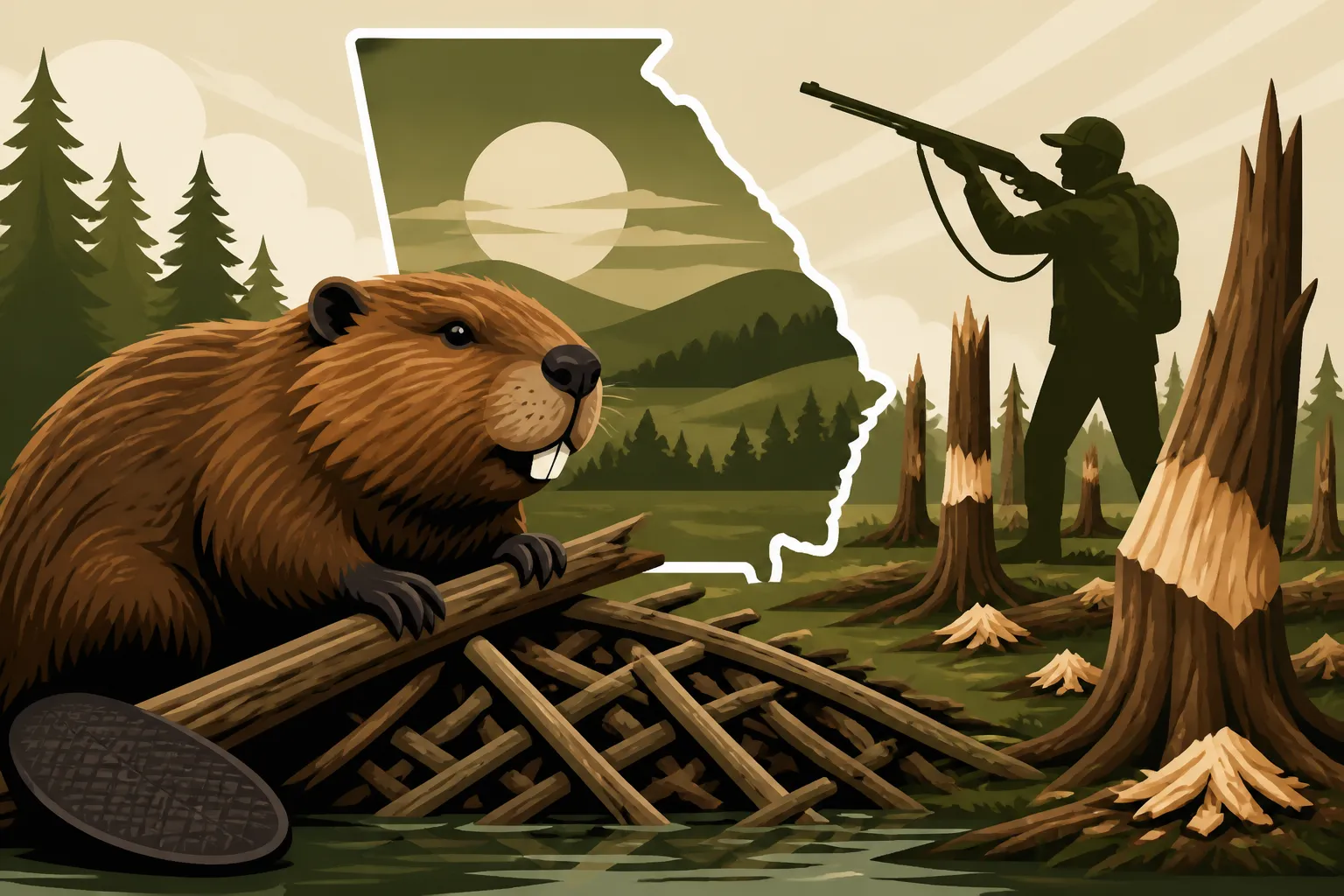
It can be incredibly frustrating to wake up one morning and find your creek bottom transformed into a flooded mess, or your favorite stand of young pines suddenly chewed down to nubs. Beavers, for all their engineering prowess, are a significant source of concern and economic loss for landowners and wildlife managers across Georgia. This guide is dedicated to shedding light on Georgia's beaver population, the extensive damage they inflict, and practical, realistic strategies for managing their impact.
Understanding Georgia's Beaver Population Dynamics
Beavers are often considered nature's architects, but their industrious dam-building and tree-felling habits can create serious headaches when human interests clash with their natural behaviors. To effectively manage them, it helps to understand their presence and patterns within our state.
Historical Context and Current Distribution
Believe it or not, beavers were once extirpated from much of Georgia due to unregulated trapping in the 18th and 19th centuries. Thanks to reintroduction efforts and a decline in trapping pressure, their populations have made a remarkable comeback, spreading to virtually every county in the state where suitable water and timber resources exist. Today, Georgia boasts a healthy, some might say too healthy, population of American beavers. You'll find them in the smallest trickles of water in the mountains to the vast river systems and coastal plains. Their ability to adapt to a wide range of habitats, from dense forests to agricultural landscapes, means they're not just a problem in remote wilderness areas; they can pop up anywhere there's water and trees to fuel their engineering ambitions.
Their distribution isn't uniform, of course. Areas with abundant slow-moving water, like the vast river bottomlands of the Oconee, Altamaha, and Satilla, tend to support higher concentrations. In the Piedmont, you'll find them in almost every creek and stream that isn't regularly disturbed, and they can thrive even near suburban developments if they find enough cover and water. Understanding this widespread presence is the first step in realizing that beaver management isn't a niche concern; it's a pervasive reality for many Georgia landowners.
Factors Influencing Beaver Population Growth
Several factors contribute to the robust Georgia beaver population. A primary driver is their incredible reproductive capacity. Beavers typically breed in late winter, with kits (usually 3-4) born in the spring. These young beavers stay with their parents for about two years before dispersing to find their own territories, often not far from their natal colony. This constant cycle of reproduction and dispersal means that if even one pair establishes itself, a local population can boom in just a few years.
Another key factor is the abundance of suitable habitat and food. Beavers are herbivores, primarily feeding on the bark and cambium of trees, especially softwoods like willow, sweetgum, and maple, but they'll take pine, oak, and other species too. Georgia's diverse forests, particularly those along water bodies, provide an endless buffet for them. Furthermore, the lack of significant natural predators that can effectively control large beaver populations in all areas (alligators are a threat in southern swamps, and coyotes might take a kit, but rarely an adult) allows their numbers to grow unchecked in many locales. When you combine high reproductive rates with ample food and limited natural checks, you get the thriving beaver population we see today.
The Beaver's Role in Georgia's Ecosystem
It's easy to view beavers solely as a nuisance, but it's important to remember they are a native species and play a significant, often beneficial, role in our ecosystems. Their dam-building creates wetlands, which are incredibly valuable habitats for a myriad of other species, including ducks, wading birds, amphibians, and fish. These wetlands can improve water quality by filtering pollutants and sediment, and they can help recharge groundwater tables. The standing water behind beaver dams also creates ideal conditions for certain types of Georgia Waterfowl Hunting on Coast and Swamp.
However, the "good" aspects quickly turn "bad" when these ecological changes conflict with human interests. What's a beneficial wetland for ducks might be a flooded field for a farmer, or a ruined timber tract for a landowner. The ponds they create can alter stream hydrology, impacting fish species adapted to flowing water. Their gnawing can destroy valuable timber or fruit trees. So, while their ecological contributions are undeniable, the context of their activity often dictates whether they are seen as an asset or a liability.
The Types of Damage Beavers Cause in Georgia
The damage caused by beavers is widespread and can be incredibly costly, impacting various sectors from agriculture to infrastructure. Understanding the specific ways they cause harm helps in devising targeted management strategies.
Agricultural and Timberland Impacts
For Georgia's farmers and timberland owners, beavers are often public enemy number one. Their penchant for felling trees isn't just for building dams; it's also how they gather food. They will often clear-cut areas of young, valuable timber, especially in bottomland hardwood stands or pine plantations adjacent to water. A single beaver colony can fell dozens of trees in a short period, leading to significant economic loss for timber producers. When they girdle larger trees, cutting a ring around the bark, they effectively kill the tree, rendering it useless for future harvest.
Beyond direct tree damage, beaver dams cause extensive flooding of agricultural fields. A field planted with corn, soybeans, or peanuts can quickly become a soggy mess, making it impossible to harvest or even plant in future seasons. This leads to direct crop loss and reduces usable acreage. Pastures for livestock can also be inundated, reducing forage available and creating muddy, unhealthy conditions for animals. The sheer scale of flooding from large beaver dams can transform productive land into swamp, sometimes permanently altering its agricultural viability.
Infrastructure and Property Damage
The impact of beavers isn't confined to rural fields and forests; they frequently cause significant damage to human infrastructure. Their dams, built across culverts and drainage ditches, can block water flow, causing roads to flood and eventually washing them out. Driveways, bridges, and railroad tracks are all vulnerable to collapse if the ground beneath them becomes saturated and eroded by beaver activity. Municipalities and state agencies spend considerable resources each year dealing with beaver-related infrastructure repairs.
On private property, the damage can be equally frustrating. Ornamental trees in yards, fruit orchards, and even landscaping shrubs near water features are all fair game for beavers. They can undermine foundations of buildings, especially if structures are close to a creek or pond where they're active. Small ponds for recreation or fishing can be completely taken over by beaver lodges and dams, altering water levels, ruining recreational access, and impacting fish populations. The constant effort required to remove dams or protect valuable assets can be a never-ending battle for homeowners and property managers.
Ecological Changes and Water Quality Issues
While beaver ponds can create valuable wetlands, they also bring about less desirable ecological changes, particularly in environments not adapted to them. Flooding can kill off existing terrestrial vegetation, leading to shifts in plant communities and a loss of biodiversity. Fish species that require flowing, oxygenated water, such as trout in mountain streams, can suffer when beaver dams create stagnant, warmer pools with lower oxygen levels.
Furthermore, beaver activity can indirectly impact water quality in ways detrimental to human use. When dams create large impoundments, the increased surface area can lead to higher water temperatures, promoting algal blooms. The decomposition of flooded organic matter can release nutrients and alter water chemistry. In some cases, the disruption of natural water flow can exacerbate erosion downstream if dams suddenly break, sending a surge of water and sediment into sensitive areas. Understanding these broader ecological shifts is crucial for comprehensive beaver management.
Legal and Ethical Approaches to Beaver Management in Georgia
Dealing with beavers often requires active intervention. It's essential to understand Georgia's specific regulations and the most effective, ethical methods for control.
Georgia's Regulations on Beaver Control
In Georgia, beavers are generally classified as a nuisance species. This means that landowners experiencing damage typically have more flexibility in controlling them than with many other game species. You usually don't need a special permit to trap or remove beavers on your own private land if they are causing damage. However, it's always critical to verify the most current regulations with the Georgia Department of Natural Resources (GDNR) or a local game warden. While the general rule is permissive, there might be specific local ordinances or situations (like proximity to protected species or public lands) that could introduce nuances. For general hunting or trapping activities, a valid Georgia hunting or trapping license is typically required. When checking regulations, a resource like Go Outdoors Georgia can be a great first stop, but always confirm details directly with official state publications.
Trapping as a Primary Control Method
For effective beaver control, trapping is hands down the most widely used and efficient method. Trapping allows for the targeted removal of problem animals and can be conducted year-round. Several types of traps are effective for beavers:
- Conibear (body-gripping) traps: These are highly effective for quick, humane dispatch when placed correctly in beaver runs, dam crossovers, or lodge entrances. They are powerful and must be set with extreme caution, often requiring specialized tools and knowledge to avoid injury to the trapper or non-target animals.
- Snare traps: Snares are a cost-effective and versatile option, especially for setting in narrow runs or where other traps might be difficult to conceal. They work by cinching around the beaver's neck as it passes through.
- Cage traps: While less commonly used for beavers due to their large size and the animal's powerful nature, large cage traps can be used, particularly if live capture and relocation are desired (though relocation is often impractical or illegal without specific permits due to disease transmission risks and simply moving the problem elsewhere).
- Foot-hold traps: These are generally used to hold the beaver for dispatch or transfer. They are typically set in shallow water near runs or bank dens and require the trapper to return quickly to dispatch the animal.
Successful trapping relies on scouting to identify active runs, dam crossing points, and feeding areas. Beavers are creatures of habit, and their well-worn paths are often the best places to set traps. For safety and legality, it is highly recommended that anyone new to beaver trapping seek guidance from experienced trappers or attend a workshop.
| Trap Type | Best Use Case | Pros | Cons |
|---|---|---|---|
| Conibear (Body-Gripping) | Main runs, dam crossovers, lodge entrances | Highly effective, quick humane dispatch, selective | Dangerous to set, potential for non-target catches, specific placement needed |
| Snares | Narrow runs, culverts, submerged trails | Cost-effective, versatile, easily concealed, light | Potential for non-target catches, requires careful setting to be humane |
| Foot-Hold | Shallow water runs, bank dens, feeding areas | Selective, can be used for live capture (with quick return) | Requires frequent checking, animal held alive, potential for non-target species |
| Cage Traps | Limited, sometimes for live-capture/relocation if legal | Safe for non-target animals if designed well | Large, cumbersome, less effective for strong beavers, relocation often illegal |
Hunting and Other Removal Techniques
While trapping is the most effective for systematic population control, hunting beavers can also be a viable method, especially for incidental encounters or when combining with other nuisance animal control. Beavers are often active at dawn and dusk, or even at night, particularly when undisturbed. They are wary animals, so stealth and patience are key. Rifles, shotguns, and even bows can be used, with appropriate calibers and shot sizes. Bowhunting Georgia's Early Archery Season might reveal beaver activity, and for general nuisance animals like coyotes and hogs, Georgia often has permissive night hunting regulations, but always check if these extend to beavers in your specific area and with your chosen method, especially concerning light use.
Other methods, while less common for widespread control, include:
- Dam Removal: Physically removing dams can temporarily alleviate flooding, but beavers are incredibly persistent and will often rebuild quickly, sometimes overnight. This is usually only a short-term solution unless combined with beaver removal.
- Water Level Control Devices (Flow Devices): These are engineered solutions designed to maintain a desired water level despite beaver damming. We'll delve into these more in the next section.
- Contracting a Nuisance Wildlife Trapper: For landowners who lack the time, expertise, or equipment, hiring a professional nuisance wildlife trapper is often the best solution. These professionals are skilled in beaver biology, trapping techniques, and local regulations, offering efficient and effective removal services.
When considering hunting or trapping, it's always good practice to consult various resources. While focused on game animals, mapping applications like GoHunt can sometimes provide valuable topographical information, showing water bodies and low-lying areas that might indicate beaver habitat or potential problem areas on your property or adjacent lands. However, remember to use official GDNR resources for specific regulatory information.
Preventative Measures and Long-Term Solutions for Beaver Control
Dealing with beavers isn't just about removing them; it's also about preventing future issues and finding sustainable, long-term coexistence where possible.
Exclusion and Repellent Strategies
Preventing beavers from accessing valuable trees or culverts is often the first line of defense.
- Tree Protection: Wrapping the base of individual trees with heavy-gauge wire mesh (like hardware cloth) can effectively prevent beavers from gnawing. The mesh needs to be at least 3-4 feet high and secured firmly to the ground, as beavers can often stand on their hind legs to reach higher. This method is practical for protecting high-value ornamental trees, fruit trees, or small clusters of young, valuable timber.
- Culvert Protectors: Constructing heavy-duty cages or fences around culvert openings can deter beavers from building dams inside them. These structures are designed to allow water flow while making it difficult for beavers to anchor their damming materials.
- Fencing: In some situations, especially along small streams bordering high-value crops, installing a robust fence can exclude beavers from an area. However, given their aquatic nature and digging abilities, such fencing needs to be extensive and often includes an electric component or a buried apron to be truly effective, which can be costly.
Repellents are generally less effective for beavers than for many other nuisance animals. While some commercial repellents claim to deter beavers through taste or smell, their efficacy is often limited, especially for persistent animals. Beavers have a strong drive to build and feed, and they will often overcome minor deterrents if a desirable food source or damming location is present.
Water Level Management Devices
These are ingenious solutions designed to allow beavers to continue damming while preventing unwanted flooding. The most common is the "beaver deceiver" or "pond leveler." This involves installing a pipe through a beaver dam, often with a protective cage or fence around the intake end.
Here's how they generally work:
- Pipe Placement: A large diameter pipe (typically 6-10 inches or more) is run through the beaver dam.
- Intake Protection: The upstream end of the pipe is usually protected by a wire cage or fence. This cage prevents beavers from plugging the pipe entrance with sticks and mud. The cage is often placed a good distance (15-20 feet) upstream from the dam, making it harder for beavers to associate the cage with the dam itself.
- Output Control: The downstream end of the pipe allows water to flow out at a controlled rate, maintaining a consistent water level in the pond, regardless of how much the beavers build up the dam around the pipe.
These devices can be highly effective in reducing flooding and protecting infrastructure while allowing beavers to remain in the area. They require careful installation and periodic maintenance, but they can be a long-term, non-lethal solution where beaver presence is acceptable but flooding is not. Understanding the terrain and water flow is crucial for successful installation. For instance, Reading a Ridge for North Georgia Deer or Hunting a Funnel Between Two Swamps involves understanding hydrology, which also applies to predicting where beaver activity will be most problematic.
Integrated Pest Management IPM for Beavers
An integrated pest management (IPM) approach combines multiple strategies to manage beaver populations and their impacts sustainably. This isn't just about one method but a strategic combination tailored to the specific situation.
Components of a beaver IPM program might include:
- Monitoring and Scouting: Regular checks for beaver activity, including fresh gnawing, new dams, or rising water levels, help identify problems early. Using aerial photos (which you might access through an app like GoHunt for general property assessment) or on-the-ground scouting is crucial.
- Habitat Modification: Where feasible, removing preferred food sources (like willow or sweetgum) along critical stretches of stream might make an area less attractive to beavers.
- Targeted Removal: When damage is occurring, trapping or hunting specific problem beavers is often necessary. This might mean removing an entire colony or just key individuals causing the most damage.
- Exclusion/Deterrents: Employing tree wrapping or culvert protectors in high-value areas.
- Flow Devices: Installing pond levelers where chronic flooding is an issue and beaver presence is otherwise tolerable.
The key to IPM is to be proactive rather than reactive. Instead of waiting for severe flooding, regular monitoring allows for smaller, more manageable interventions. For instance, if you're out Scouting Georgia Public Land Before Season for deer, keep an eye out for beaver activity near water sources. Early intervention is always less costly and less damaging than dealing with an established problem. Combining these strategies can lead to more effective, sustainable beaver management, balancing ecological considerations with economic and property protection.
Disclaimer
This article is for general informational purposes only and does not constitute professional advice. Laws, prices and regulations vary by location and change over time. Consult a qualified professional for guidance on your specific situation.