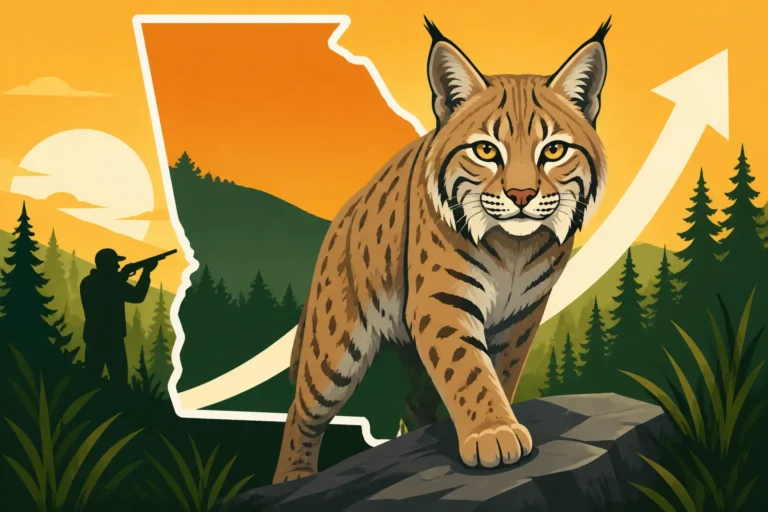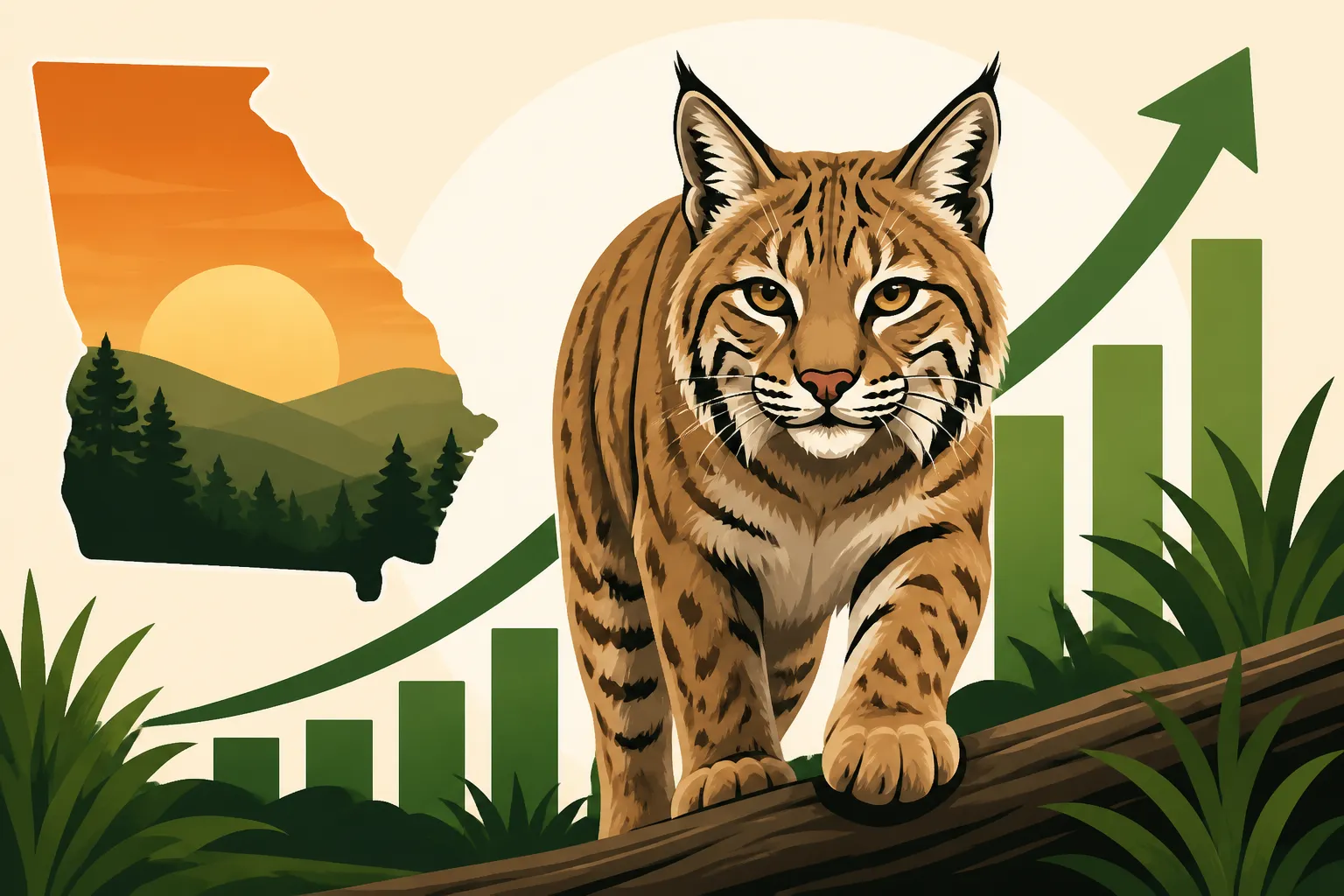
Georgia’s Recovering Bobcat Population
For years, many Georgia hunters and outdoors enthusiasts rarely caught a glimpse of a bobcat, leading to the assumption that these elusive felines were incredibly scarce. It's true they're naturally shy and masters of camouflage, but the good news is that Georgia's bobcat population is actually experiencing a healthy rebound and expanding their range. This guide will dive deep into understanding these fascinating predators, from their biology and behavior to how their numbers are thriving once again across the state.
The Elusive Nature of Georgia Bobcats
Anyone who spends time in the Georgia woods knows the feeling: you hear a rustle, catch a fleeting shadow, and wonder what creature just slipped away. More often than not, it’s not a deer or a squirrel, but an incredibly stealthy bobcat. Their secretive nature is part of their charm, but it also made tracking their population numbers a real challenge for a long time. They're masters of blending into their surroundings, moving like ghosts through thickets and pine forests, making direct sightings rare even when their numbers are strong.
Historical Decline and Conservation Efforts
Looking back, there was a period when bobcat populations faced significant pressures, much like many other furbearers and predators. Habitat loss from unchecked development and historical unregulated trapping and hunting practices certainly took their toll. Imagine a time when vast tracts of Georgia forest were cleared without much thought for wildlife corridors or the intricate balance of the ecosystem. It was tough for species that rely on dense cover and expansive territories to thrive. Thankfully, a growing understanding of ecological needs and the implementation of sound wildlife management principles began to turn the tide. Changes in trapping regulations, a greater focus on habitat preservation, and the inherent adaptability of the bobcat itself contributed to their recovery.
These efforts weren't just about protecting bobcats in isolation; they were part of a broader movement to ensure the health of Georgia's diverse wildlife. Regulations became more thoughtful, aiming for sustainable harvest rather than unrestricted take. Conservation groups and state agencies worked together to secure and manage crucial habitats. Education played a big role too, helping people understand the value of all native species, not just the big game animals. It's a testament to these collective actions that we're now seeing the fruits of those labors in healthy bobcat numbers.
Current Population Status and Distribution
Today, Georgia is home to a robust and widespread bobcat population. You can find them in almost every county, from the mountainous regions of North Georgia down through the coastal plain. While you're still unlikely to spot one lounging in your backyard unless you live in a truly rural area, their presence is felt throughout the state's diverse ecosystems. They've adapted remarkably well to living alongside human development, often utilizing green spaces, river corridors, and even suburban fringes where sufficient cover and prey exist.
The dense hardwood forests of the Piedmont, the vast pine plantations of South Georgia, and the rugged terrain of the Chattahoochee National Forest all provide excellent bobcat habitat. DNR biologists regularly monitor their health and population trends through various surveys, including scent stations, trail camera studies, and harvest data. What these studies consistently show is a healthy, stable, and in many areas, an increasing population. This means that while they remain elusive, they are indeed out there, playing their vital role in the Georgia ecosystem. It's quite a success story for a species that once faced an uncertain future, demonstrating the power of dedicated conservation.
Understanding Bobcat Biology and Behavior
To truly appreciate Georgia's recovering bobcat population, it helps to understand a bit about how these animals live their lives. They are fascinating creatures, perfectly adapted to their environment, and every aspect of their biology contributes to their success and their notoriously secretive ways. From their preferred homes to what they put on the dinner plate, they're a masterclass in feline efficiency.
Habitat Preferences Across Georgia
Bobcats are incredibly adaptable and can thrive in a wide array of habitats across Georgia, but they do have their preferences. They generally favor areas with dense cover, which provides both protection from predators (though they have few natural ones in Georgia) and excellent ambush opportunities for prey. This means you'll find them in places like thickets, swamps, dense forests, abandoned farmlands, and areas with heavy brush. They’re particularly fond of transition zones, where different habitat types meet, such as the edge of a pine plantation bordering a hardwood creek bottom, or where a forest gives way to an overgrown field. These "edge habitats" offer a rich buffet of prey and diverse cover.
In North Georgia, they'll utilize the rugged terrain and dense undergrowth of the mountains, often sticking to remote valleys and ridge lines. In the Piedmont, they'll frequent the deep creek bottoms and unkempt field edges, especially those close to timber stands. Down in the coastal plain, they are right at home in the vast pine savannas, cypress swamps, and dense palmetto thickets. While they typically avoid wide-open spaces, they will cross them under the cover of darkness. The key is always proximity to good cover, whether it’s a briar patch, a fallen log tangle, or a dense stand of pines. Even relatively small, isolated woodlots in developed areas can hold a bobcat if they offer enough refuge and a steady food supply.
Diet, Hunting Strategies, and Activity Patterns
Bobcats are opportunistic and highly effective predators, primarily carnivores with a diverse diet that shifts based on availability. Their menu largely consists of small mammals like rabbits, squirrels, mice, and rats, but they won’t pass up a bird, reptile, or even an insect if the opportunity arises. They are also known to take fawns, especially during the spring, which helps keep deer populations healthy. In more agricultural areas, they might occasionally prey on poultry, but this is less common than their impact on wild populations. Their keen eyesight, exceptional hearing, and silent stalk make them formidable hunters.
They employ various hunting strategies, from patiently waiting in ambush along game trails to actively stalking through dense cover. Their powerful hind legs allow for impressive leaps, enabling them to pounce on unsuspecting prey with lightning speed. While they can be active at any time, bobcats are primarily crepuscular, meaning they are most active during dawn and dusk. This is often when their prey species are also most active, giving them a distinct advantage. They are also quite active at night, relying on their excellent night vision. This nocturnal and crepuscular nature further contributes to their elusive reputation, as most human activity occurs during daylight hours.
| Primary Prey Categories | Examples | Hunting Strategy | Activity Peak |
|---|---|---|---|
| Small Mammals | Rabbits, Squirrels, Mice, Rats, Voles | Stalking, Ambush, Pouncing | Dawn, Dusk, Night |
| Birds | Ground-nesting birds, Turkeys (poults) | Opportunistic, Ambush | Dawn, Dusk |
| Reptiles & Amphibians | Snakes, Lizards (seasonal) | Opportunistic, Foraging | Day, Night (warm weather) |
| Insects & Invertebrates | Large insects (occasional) | Opportunistic | Day, Night |
| Deer | Fawns (spring), Injured adults (rarely) | Opportunistic Predation | Day, Night |
Signs of Bobcat Presence
Even if you don't get a chance to see a bobcat with your own eyes, the Georgia woods are full of clues that reveal their presence. Learning to read these signs can be incredibly rewarding, almost like piecing together a detective story. It confirms that these wild felines are indeed using the same habitats we do, even if they remain out of sight. It takes a keen eye and a bit of patience, but once you start recognizing them, you'll be amazed at how often you find evidence of their travels.
Tracks and Scats: Reading the Landscape
One of the most reliable ways to confirm a bobcat's presence is by finding their tracks. Unlike canine tracks, which often show claw marks, bobcat tracks typically do not, as their claws are retractable. They have four distinct toe pads and a large, usually asymmetrical heel pad, forming a more rounded shape compared to the elongated oval of a coyote or domestic dog. You'll often find these tracks along muddy creek banks, dusty logging roads, or in soft snow if we ever get enough here in Georgia. Observing the stride length and gait can also tell you if the animal was walking, trotting, or running. Using a resource like GoHunt can help you overlay public land boundaries with satellite imagery, identifying potential travel corridors where tracks might be found.
Scats, or droppings, are another common indicator. Bobcat scat usually consists of segmented, dark brown to black cylindrical pellets, often blunt at the ends. They frequently contain hair, bone fragments, and sometimes even teeth from their prey. These are often deposited in prominent locations, like on top of a fallen log or a rock, serving as a territorial marker. Sometimes they'll "scrape" dirt over their scat, much like a domestic cat. Learning to differentiate bobcat scat from that of foxes, coyotes, or raccoons is a skill that comes with practice, but paying attention to shape, size, and contents is key. Finding a good fresh track or scat is often the closest many of us will come to a direct encounter.
Scratches, Rubs, and Den Sites
Beyond tracks and scat, bobcats leave other, less common, but equally intriguing signs. Look for "scratch posts" – often vertical logs or small trees where they sharpen their claws. These aren't as dramatic as those left by a bear, but you'll see multiple parallel claw marks. These spots are also often used for scent marking, contributing to their territorial communication. While rub marks from bobcats are less pronounced than those from deer or bears, you might find subtle signs on low-hanging branches or brush. These can be particularly telling if combined with other indicators in the area.
Den sites are much harder to find, as bobcats are incredibly secretive about their resting and birthing locations. They prefer secluded, sheltered spots like rock crevices, hollow logs, dense brush piles, or even abandoned burrows. A female bobcat will choose a very secure, hidden den to raise her kittens, moving them to new locations periodically to avoid detection. While you should never disturb a potential den, knowing the types of places they might favor – a jumble of rocks on a steep hillside or a massive fallen oak in a swamp – can help paint a more complete picture of their presence in a particular block of timber. Finding multiple signs like these in an area strongly suggests a resident bobcat.
Bobcat Hunting and Trapping in Georgia
For those interested in responsible wildlife management and furbearer harvest, bobcats offer a challenging and rewarding pursuit. Georgia has a well-regulated season for bobcats, allowing hunters and trappers to participate in population management. This isn't just about recreation; it plays a role in keeping populations balanced and preventing localized overpopulation which can lead to increased conflicts or disease. It's an active way to engage with the natural world and contribute to conservation efforts.
Regulations and Season Dates
In Georgia, bobcats are classified as furbearers, and their harvest is regulated to ensure sustainable populations. Generally, the bobcat hunting and trapping seasons run concurrently with other furbearers, usually starting in the fall and extending through the winter months. Hunters typically use firearms or archery equipment, often in conjunction with predator calls, which can be an incredibly effective method. Trappers utilize various humane trapping methods, adhering to strict guidelines on trap types, set locations, and check times.
It is absolutely crucial to stay up-to-date on the specific dates and regulations, as they can sometimes change from year to year. You'll need the appropriate Georgia Trapping License Requirements or hunting licenses, and for residents, the Georgia Resident Sportsman License Bundle often covers these needs comprehensively. Always consult the Georgia Department of Natural Resources (DNR) official regulations before heading into the field. This includes understanding bag limits, legal methods of take, and any specific restrictions that might apply to certain public lands or Wildlife Management Areas (WMAs). Knowing the rules inside and out ensures a legal and ethical harvest.
Ethical Trapping and Hunting Practices
Ethical considerations are paramount when hunting or trapping bobcats. For trappers, this means using traps that are designed to minimize injury to the animal, checking traps frequently (as often as possible, but at least once every 24 hours), and being prepared to dispatch any captured animal quickly and humanely. Trap placement is also critical to avoid non-target species. Resources like GoHunt can provide map layers that help identify suitable trapping locations away from high-traffic areas or residential zones. Education and training, such as those offered through certified trapper courses, are highly recommended to ensure best practices are followed. You can read more about Trapping Georgia Raccoon and Bobcat for detailed guidance.
For hunters, ethical practices include positive identification of the target animal before taking a shot, ensuring a clean and swift kill, and respecting fair chase principles. Utilizing predator calls, such as those effective for Coyote Calling in Georgia Farm Country, can also draw in bobcats, but it's important to understand their behavior and avoid unethical targeting. Remember, the goal is responsible harvest, which respects the animal and the resource. After harvest, proper handling of the pelt is important to ensure its quality and value. These practices not only maintain the integrity of hunting and trapping but also ensure the continued health of Georgia's furbearer populations.
The Role of Bobcats in Georgia's Ecosystem
Bobcats aren't just fascinating creatures; they are critical components of Georgia's natural ecosystems. As apex predators in their respective niches, they play a vital role in maintaining the balance of wildlife populations, particularly those of smaller prey species. Their presence is an indicator of a healthy, functioning ecosystem, much like the return of other species signals a robust environment. Understanding their ecological impact helps us appreciate their value beyond just being an elusive game animal.
Predator-Prey Dynamics with Small Game
Bobcats are incredibly effective predators of small game, and their influence on prey populations is significant. They primarily target animals like Georgia Squirrel and Rabbit Populations, mice, and voles. By selectively preying on these species, bobcats help to keep their numbers in check, preventing overpopulation that could lead to habitat degradation or the spread of disease among the prey animals. Imagine a world without these natural predators; small rodent populations could explode, impacting agricultural crops and forest regeneration. This predatory pressure is a natural and necessary force that strengthens the overall health of the prey species by removing weaker or sick individuals.
While they do take some deer fawns, their impact on overall deer populations is generally considered minimal compared to larger predators like coyotes, as detailed in discussions around Georgia Predator Impact on Fawn Recruitment. However, this natural culling of fawns can contribute to a healthier deer herd by targeting young, sick, or less fit individuals. It’s a delicate balance, and the bobcat's role helps ensure that all parts of the food web remain interconnected and resilient. Their return to healthy numbers means a more natural and balanced dynamic for many of Georgia's most common small game animals.
Challenges and Conservation Outlook
Despite their current recovery, bobcats still face challenges. Habitat fragmentation due to ongoing development remains a concern, as it can isolate populations and reduce genetic diversity. Road mortality is another factor, as bobcats often cross roads in their nocturnal travels. While their populations are stable, continuous monitoring by agencies like the Georgia DNR is essential. Tools and data provided by platforms like GoHunt can assist conservationists in identifying critical habitat corridors and potential areas of conflict. Furthermore, diseases, though not currently a major threat, always pose a potential risk to any wildlife population, making Georgia Wildlife Disease Monitoring vital.
The conservation outlook for Georgia's bobcats, however, remains positive. Their adaptability, combined with ongoing management and public awareness, bodes well for their future. As we continue to understand more about these elusive cats through research and observation, we can refine our conservation strategies to ensure they continue to thrive across the state. The success of Georgia's bobcat population is a testament to effective wildlife management and a reminder of the resilience of nature when given a chance. It’s a species that silently enriches our wild spaces, and their healthy presence is something all Georgians can celebrate.
Disclaimer
This article is for general informational purposes only and does not constitute professional advice. Laws, prices and regulations vary by location and change over time. Consult a qualified professional for guidance on your specific situation.