Why Georgia Dropped the Turkey Limit to Two
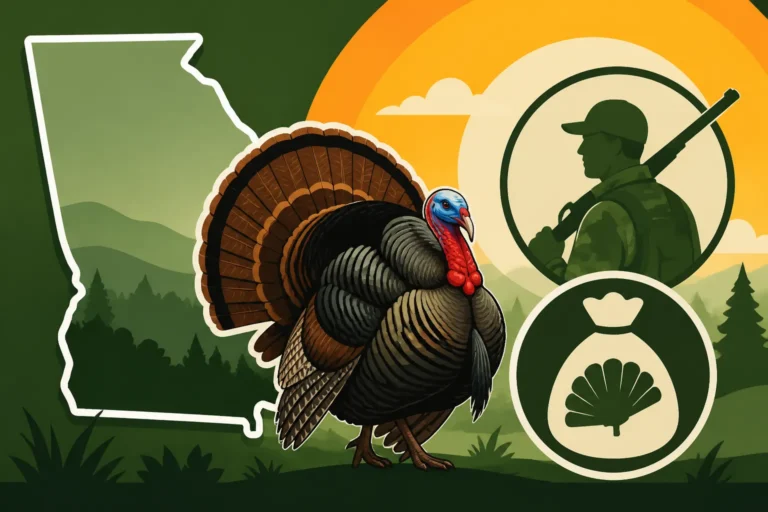
It’s a tough pill to swallow for many Georgia turkey hunters, seeing that seasonal bag limit cut from three gobblers down to just two. For years, we've enjoyed a generous opportunity, and suddenly, it feels like something's been taken away. This change wasn't made lightly; it's a direct response to some concerning trends our wild turkey populations have been showing across the state. This guide will walk you through exactly why the Georgia Department of Natural Resources (DNR) made this decision, the science behind it, and what it means for your spring hunts.
Understanding the Decline in Georgia's Wild Turkey Populations
For a long time, Georgia hunters enjoyed what felt like an endless spring season, with plenty of gobblers to chase. Our state was often touted as a turkey hunting paradise, and rightly so. Many of us remember seasons where you could reliably call in multiple birds, and the idea of a three-gobbler limit felt attainable. It was a testament to robust populations that had rebounded incredibly well from historical lows in the early 20th century. However, those days, unfortunately, seem to be fading into memory for many.
The reality on the ground has shifted significantly over the past decade or so. Hunters, especially those of us who spend a lot of time in the woods, started noticing fewer birds, quieter mornings, and less frequent gobbling. These anecdotal observations weren't just in one specific area; they were widespread, from the rolling hills of the Piedmont to the vast pine forests of the Coastal Plain. The excitement of hearing a chorus of gobblers at dawn became a rarer occurrence, and many seasoned hunters began to question if something deeper was at play than just typical annual fluctuations. This noticeable drop in encounters and success rates has been a source of frustration and concern for the hunting community.
The Good Old Days Versus Today's Reality
Back when turkey populations were booming, a hunter could expect to hear multiple gobblers sounding off from the roost, often responding aggressively to calls. Finding a bird that hadn't been heavily pressured was easier, and the woods often felt alive with activity. The general sentiment was that turkeys were thriving, and the regulations reflected that abundance, allowing for a more liberal harvest. It wasn't uncommon for dedicated hunters to fill their three-bird limit, and the challenge was more about outsmarting a specific gobbler than simply locating one.
Today, the landscape has changed. While there are still pockets of excellent turkey hunting, the overall picture shows a decline. The silence on some spring mornings can be deafening, and hunters report working harder than ever to even get an answer. Public lands, in particular, often bear the brunt of this, with birds becoming incredibly wary and less responsive to calling. This shift from relative abundance to noticeable scarcity has led to a lot of head-scratching and worry among those of us who cherish the tradition of spring turkey hunting in Georgia. It’s no longer about choosing which gobbler to pursue; it’s about finding any gobbler.
Analyzing the Numbers: Poult-to-Hen Ratios and Harvest Data
The Georgia DNR doesn't make major regulation changes based solely on hunter anecdotes, no matter how widespread. They rely heavily on scientific data collected through annual surveys and harvest reports. Two crucial metrics they track are poult-to-hen ratios and overall harvest numbers. The poult-to-hen ratio is a direct indicator of reproductive success – how many young turkeys (poults) are surviving per hen. A healthy population typically needs a ratio of around 2.0 or higher to maintain or grow. Unfortunately, Georgia's statewide average has consistently fallen below this threshold for several years, dipping as low as 1.5 in some recent years. This statistic alone paints a clear picture of declining recruitment into the population. You can dive deeper into this by understanding more about Poult-to-Hen Ratios and What They Mean.
Compounding this, the state's turkey harvest numbers have also shown a steady downward trend over the past decade. While annual fluctuations are normal due to weather or hunter effort, the consistent decline signals a fundamental problem. Fewer birds being harvested often means fewer birds available in the first place, or that the birds are simply becoming harder to find and hunt successfully due to lower densities. This isn't just a Georgia phenomenon; many states across the Southeast have been grappling with similar issues, indicating a regional challenge for wild turkeys. Organizations like the National Wild Turkey Federation (NWTF) and state agencies are collaborating on research to pinpoint the exact causes. For a more detailed look, you can check out official data on Georgia Turkey Population Trends and Georgia Turkey Harvest Numbers.
Key Factors Contributing to Turkey Population Struggles
The decline in wild turkey populations isn't usually attributable to a single factor. It's often a complex interplay of several environmental and biological pressures that accumulate over time. In Georgia, wildlife biologists have identified a few key areas that are likely contributing to the challenges our turkeys are facing. Understanding these factors helps us appreciate the necessity of management decisions like the reduced bag limit.
Habitat Loss and Degradation Across the State
One of the most significant long-term threats to wild turkeys, and indeed most wildlife, is the loss and degradation of suitable habitat. Georgia is a growing state, and with that growth comes urban sprawl, increased development, and changes in land use. Forests are converted to subdivisions, agricultural fields become industrial parks, and the contiguous blocks of diverse habitat that turkeys thrive in become fragmented. Turkeys need a mosaic of habitat types: mature hardwoods for roosting, open woods for bugging and breeding, dense understory for nesting, and fields for foraging. When these components are separated or diminished, it directly impacts their ability to reproduce and survive.
Beyond outright loss, the quality of existing habitat can also decline. Modern forestry practices, while economically important, sometimes create vast monocultures of pine plantations that lack the diversity needed for turkeys. The suppression of natural fire regimes in many areas also leads to thick, undesirable undergrowth that isn't conducive to turkey nesting or poult rearing. Without a healthy, diverse understory, hens struggle to find safe nesting sites, and poults lack the insect-rich environment they need to grow. Organizations are working on restoring these critical habitats, emphasizing management techniques like prescribed burns and thinning that mimic natural processes and benefit turkeys. To learn more about habitat efforts, explore resources like Longleaf Pine and Quail Habitat, which often overlaps with turkey needs.
Predation Pressure on Nests and Poults
It might sound like a simple answer, but predation plays a significant role in turkey population dynamics, especially concerning nest and poult survival. Turkeys are ground-nesting birds, making their eggs and young highly vulnerable to a wide array of predators. While predators are a natural part of any ecosystem, an imbalance can lead to severe population impacts. In Georgia, we've seen a surge in generalist predator populations, particularly coyotes, raccoons, and opossums. Coyotes, which were not historically native to Georgia in large numbers, have expanded their range across the state and are now a major concern for fawn and poult survival.
These predators are opportunistic and efficient, often targeting turkey nests before the eggs even hatch, or preying on vulnerable poults once they emerge. Studies on Nest Predation and Georgia Turkey Hatches have highlighted just how high the attrition rate can be. A hen might lay a clutch of a dozen eggs, but if multiple nests are lost to raccoons or coyotes, or if only a few poults survive to adulthood due to ongoing predation, the overall recruitment into the population suffers dramatically. While predator control can be controversial, understanding its role in the ecosystem is vital for comprehensive turkey management.
The Impact of Hunting Pressure and Timing
While not the sole cause, hunting pressure, especially in combination with declining populations, can exacerbate the issue. When turkey numbers are low, every gobbler becomes more valuable to the breeding pool. Historically, Georgia's spring turkey season had a relatively long duration, often spanning several weeks, with a daily limit of one gobbler and a seasonal limit of three. This allowed for significant hunter opportunity. However, with fewer birds, intense pressure, especially on public lands or easily accessible private tracts, can remove too many gobblers from the breeding population before they've had a chance to breed successfully with multiple hens.
The timing of the season opener and the pressure applied during the peak breeding window can also be a factor. While hunters often target gobblers after they've bred, it's difficult to ascertain this for every bird. Reducing the seasonal limit to two, as explained in Georgia Spring Turkey Season Rules, aims to ease some of this pressure, giving more gobblers a chance to breed and pass on their genetics throughout the spring. It's a difficult balance between providing hunting opportunity and ensuring the long-term health of the turkey population. This is particularly relevant when considering the implications of a Why Georgia Dropped the Turkey Limit to Two.
Weather Events and Disease Challenges
Mother Nature always has a say in wildlife populations, and wild turkeys are no exception. Weather patterns can have a profound impact, particularly during nesting and brood-rearing periods. Prolonged periods of cold, wet weather during the spring can be devastating for poults, which are highly susceptible to hypothermia and disease in their early weeks of life. A string of bad weather years can severely depress recruitment, making it incredibly difficult for populations to bounce back. Conversely, drought conditions can impact insect availability, which is a critical food source for growing poults.
Beyond weather, diseases can also pose a threat. While large-scale turkey epidemics are less common than in some other species, localized outbreaks of avian diseases or parasites can certainly take a toll. Blackhead disease, for example, can affect turkeys and is exacerbated in areas with high bird concentrations. DNR biologists continuously monitor for signs of disease, but these factors are largely beyond human control and add another layer of complexity to managing wild turkey populations. Understanding these ecological variables, and their fluctuations, often requires advanced tools, and services like GoHunt offer detailed mapping and data analysis that can help hunters better understand local conditions and prepare for their hunts, though for now, Georgia turkey data isn't a core part of their offerings.
The Two-Gobbler Limit Rule Change and Its Goals
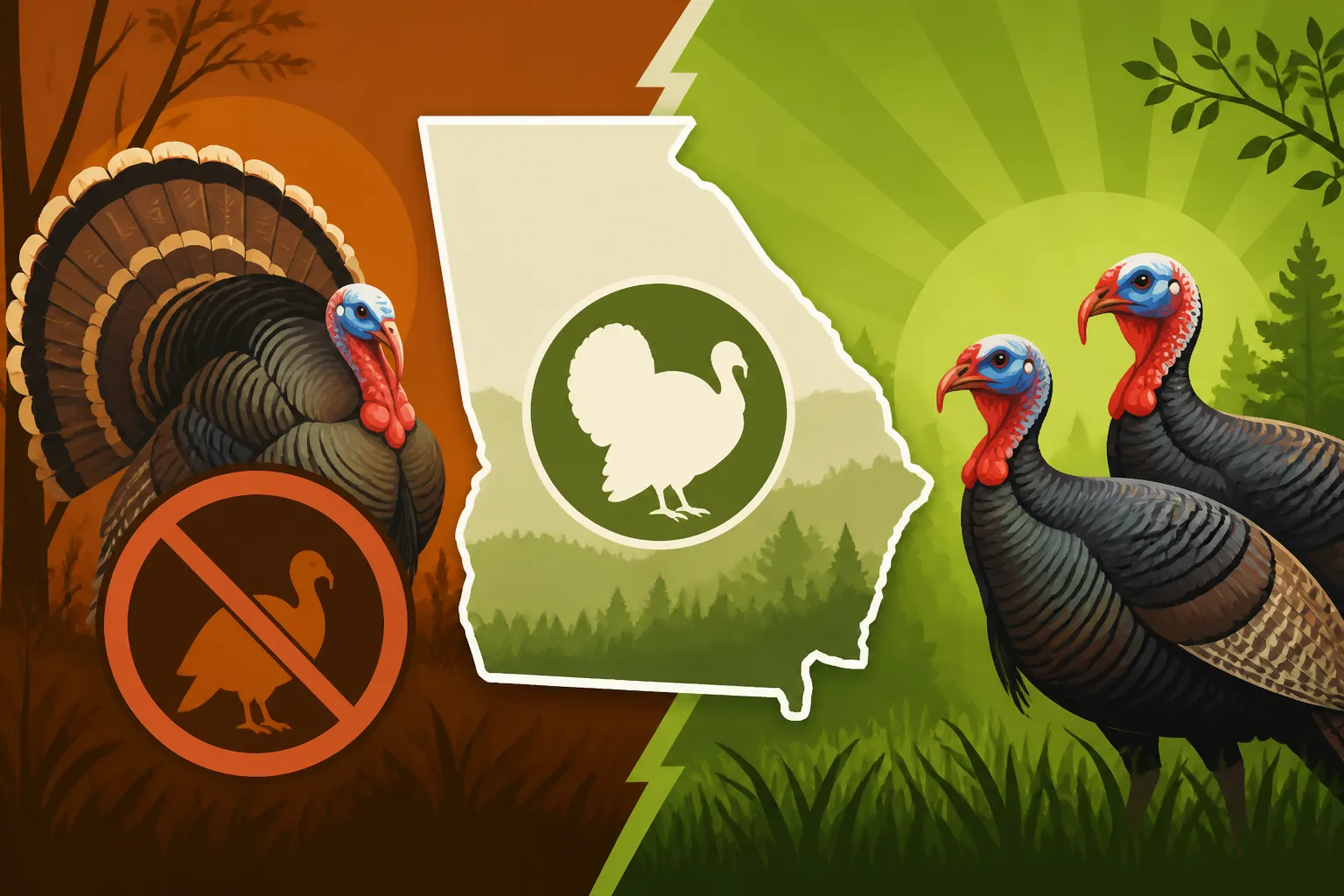
The decision to reduce Georgia’s statewide spring turkey bag limit from three gobblers to two was not made lightly. It was the culmination of years of data analysis, scientific research, and extensive discussions among wildlife biologists, conservation groups, and the hunting community. This change reflects a proactive, rather than reactive, approach to ensuring the long-term sustainability of Georgia’s wild turkey resource. The goal is simple: to give our turkey populations a better chance to stabilize, and hopefully, to grow.
Specifics of the New Regulation and Implementation
The new regulation, which came into effect for the 2023 spring season, mandates a statewide seasonal limit of two gobblers. This is a reduction from the previous three-gobbler limit that had been in place for many years. It’s important to note that the daily bag limit remains one gobbler. This means you can still only harvest one gobbler per day, but once you've checked two birds for the season, you're done. The rule applies to both private and public lands, and it's a critical part of the broader strategy for Georgia Spring Turkey Season Rules.
Hunters must continue to report their harvest through the Georgia Game Check system, just as before. This data is vital for DNR to monitor the impact of the new regulation and track the health of the population going forward. The implementation of this rule was preceded by public hearings and educational outreach, aiming to inform hunters about the rationale behind the change and what it would mean for their spring traditions.
Here’s a quick overview of how the limits have changed:
| Category | Old Limit (Pre-2023) | New Limit (2023 Onward) | Rationale for Change |
|---|---|---|---|
| Daily Bag Limit | 1 Gobbler | 1 Gobbler | No change; prevents over-harvest on any single day. |
| Seasonal Bag Limit | 3 Gobblers | 2 Gobblers | Reduce overall harvest pressure, boost population. |
| Youth Season | Same as adult | Same as adult | Youth hunters still subject to new statewide limits. |
DNR's Hopes for Population Recovery
The Georgia DNR's primary hope for implementing the two-gobbler limit is to reduce the overall harvest pressure on the declining turkey population. By removing fewer mature gobblers from the landscape each spring, the agency aims to ensure that more birds survive to breed throughout the season, potentially increasing the number of successful nests and ultimately, the recruitment of new birds into the population. The assumption is that even an additional 5-10% of gobblers surviving can have a cumulative positive effect over several years.
This strategy isn't unique to Georgia; other states have implemented similar reductions in bag limits or season lengths in response to their own declining turkey numbers, often with encouraging results. It's a long-term investment, and biologists don't expect an immediate, dramatic turnaround overnight. Rather, they anticipate a gradual stabilization and eventual growth, assuming other factors like habitat management and predator control efforts also continue. It's about giving the wild turkey population a much-needed break and the best possible chance to recover its former abundance.
Broader Turkey Management Efforts Beyond Bag Limits
While the reduced bag limit is a highly visible change, it's just one piece of a much larger puzzle in Georgia's comprehensive turkey management strategy. The DNR and its partners are engaged in a variety of efforts designed to address the multifaceted challenges facing wild turkeys. This includes ongoing research into nesting success, poult survival, habitat use, and the specific impacts of various predators. Understanding these intricate ecological relationships is crucial for developing effective long-term solutions.
Habitat improvement projects are also a major focus. This involves working with private landowners and managing public lands like Wildlife Management Areas (WMAs) to create and restore optimal turkey habitat. Techniques like prescribed burning, timber thinning, and planting diverse food sources help create the open understory, nesting cover, and bugging areas that turkeys need to thrive. These habitat efforts are critical because even with reduced harvest, turkeys won't rebound if they don't have suitable places to live, nest, and raise their young. Programs supporting voluntary public access, sometimes viewable through mapping tools like GoHunt, often integrate these habitat improvements, benefiting turkeys and other wildlife. To explore how DNR manages land, you can learn more about Georgia Wildlife Management Areas.
Adapting Your Strategy: Hunting Under the New Regulations
For dedicated turkey hunters in Georgia, a change in regulations often means a change in strategy. While the core skills of calling, scouting, and patience remain paramount, the new two-gobbler limit necessitates a shift in how many of us approach the spring season. It’s no longer about maximizing the number of birds taken, but rather making each harvest count and prioritizing the quality of the hunting experience.
Rethinking Your Approach to Spring Turkey Hunting
With only two tags to fill for the entire season, many hunters are choosing to be more selective. Instead of taking the first legal gobbler that comes along, some are now holding out for older, more mature birds. This might mean letting jakes walk, or even passing on a younger longbeard in hopes of encountering a truly dominant tom later in the season. This selectivity, while difficult for an eager hunter, can contribute positively to the population's age structure and overall breeding dynamics.
This also puts a greater emphasis on pre-season scouting and understanding local bird patterns. Spending time in the woods before the season to locate roosts, identify strut zones, and observe bird behavior becomes even more critical. Using tools like aerial maps or GPS apps can help you pinpoint potential hotspots and plan your approach carefully. Knowing the territory intimately, understanding Where Georgia Gobblers Roost, and being aware of Hunting Pressure on Georgia Public Land can help you make informed decisions on which birds to pursue and when. You might also reconsider tactics like Run-and-Gun Turkey Tactics on Public Land, choosing instead to focus on areas with higher bird concentrations.
Hunters are also becoming more deliberate about their calling strategies. With birds potentially more pressured or sparser, loud, aggressive calling might be replaced by more subtle, patient setups. Understanding when Georgia Gobblers Go Quiet in May or how to adjust Decoy Placement for Pressured Georgia Birds becomes vital for success. The focus shifts from sheer quantity of opportunity to maximizing the quality of each encounter. For those hunting the Georgia Public-Land Turkey Opener, this thoughtful approach can be the difference between success and frustration.
Supporting Georgia's Turkey Conservation Efforts
As hunters, we are arguably the most passionate conservationists, and our involvement goes far beyond just adhering to regulations. Supporting the recovery of Georgia's wild turkey populations means actively participating in conservation efforts. One of the most direct ways is by accurately reporting all harvests. Every piece of data collected through Georgia Game Check provides valuable insights to biologists, helping them assess the effectiveness of current management strategies and inform future decisions.
Furthermore, consider getting involved with organizations like the NWTF. These groups actively fund and implement habitat improvement projects, conduct vital research, and advocate for sound wildlife management policies. Volunteering your time for habitat work, participating in local chapter events, or simply donating can make a tangible difference. Many land management practices, like those outlined in Why Georgia Foresters Burn Longleaf Pine, directly benefit turkeys.
Educating fellow hunters about the rationale behind the new limit is also crucial. By sharing the scientific reasoning and fostering a collective understanding, we can ensure broader compliance and cultivate a stronger sense of shared responsibility for our wild turkey resource. The future of Georgia's turkey hunting depends on our collective stewardship, patience, and adaptability in the face of these evolving challenges. It’s about ensuring that future generations can experience the thrill of a spring gobbler hunt, even if it means adjusting our expectations for now.
Disclaimer
Please be aware that hunting regulations can change. While this guide provides information based on the most current available data regarding Georgia's turkey bag limit, it is always your responsibility to consult the official Georgia Department of Natural Resources (DNR) regulations and guidelines before participating in any hunting activity. This content is for informational purposes only and does not constitute legal advice.