Chattahoochee National Forest Deer Ground
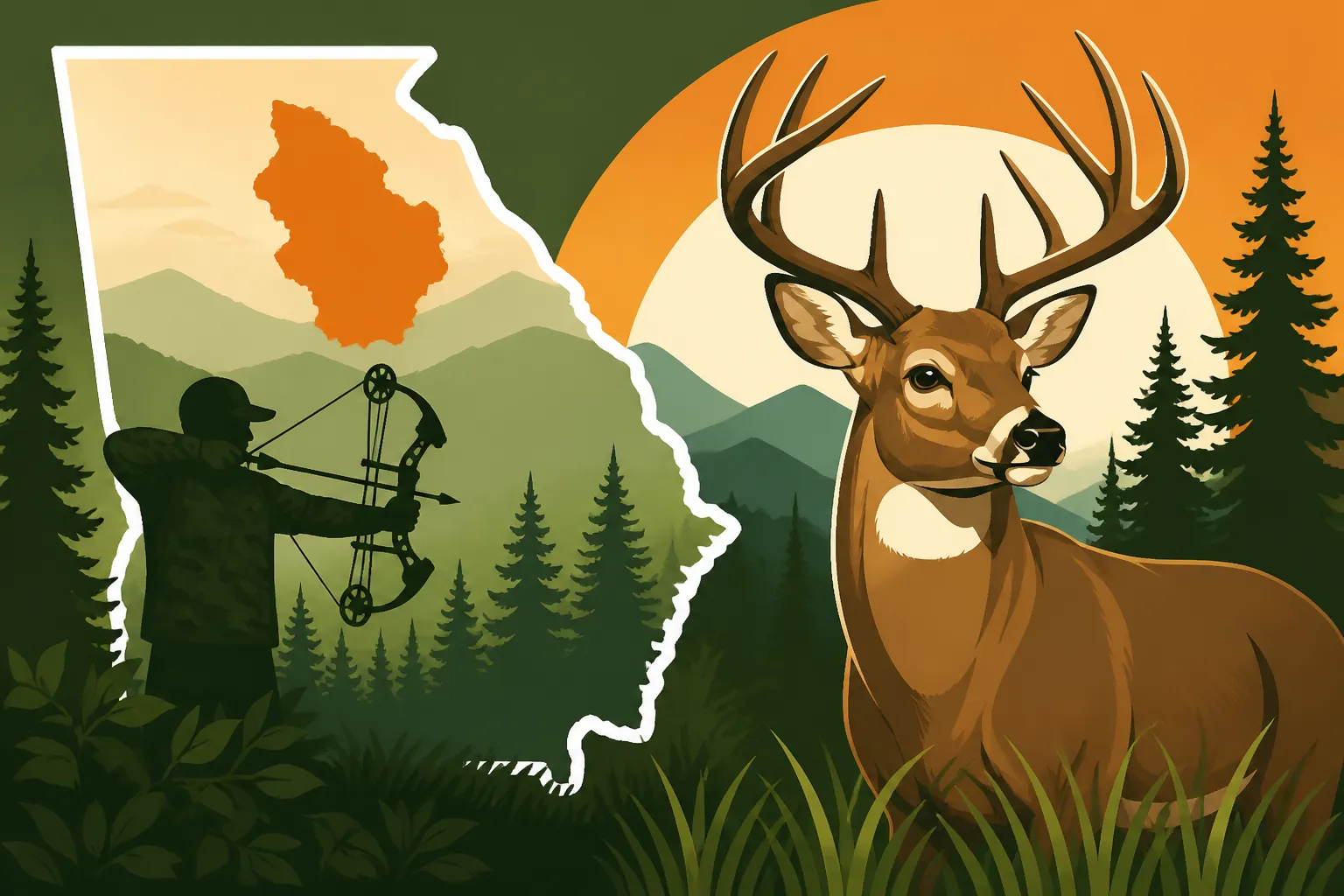
Hunting deer in Georgia's vast Chattahoochee National Forest can feel like stepping into a whole new world compared to the field edges and pine plantations of the Piedmont or Coastal Plain. The steep slopes, dense timber, and remote terrain present unique challenges that can frustrate even seasoned hunters, but this guide will equip you with the knowledge and strategies to successfully pursue whitetails in this rugged mountain landscape.
Understanding the Chattahoochee National Forest Deer Ground
The Chattahoochee National Forest, often affectionately called "the Chatt," encompasses a tremendous amount of public land in North Georgia. It's a place of towering hardwood ridges, deep valleys, rushing streams, and dense thickets, a stark contrast to much of Georgia's flatter hunting territory. Understanding the character of this vast forest is the first step toward unlocking its deer hunting potential.
A Vast and Challenging Landscape
We're talking about hundreds of thousands of acres here, sprawling across numerous counties in the northernmost part of the state. This isn't your typical small woodlot hunt; the scale of the Chattahoochee demands a different mindset and a solid plan. The terrain is often steep, requiring good physical conditioning and the right gear. Elevations can vary dramatically, leading to constantly shifting winds and thermals that play a huge role in how deer move and where they can be found. It’s easy to get turned around, especially when focused on a fresh track or a distant crash in the leaves. This is truly wild country, and it rewards those who respect its challenges. If you're looking for an expansive hunting experience away from crowded fields, this is it. For a sense of the sheer size, it helps to understand How Many Acres the National Forest Covers in Georgia.
Deer Habitat in the Mountains
Unlike the agricultural landscapes to the south, deer in the Chattahoochee primarily rely on natural browse, acorns, and other mast crops. Hardwood ridges, particularly those rich in oak species, become absolute magnets during the fall when acorns begin to drop. Laurel and rhododendron thickets provide excellent bedding cover, especially on leeward slopes where deer can escape the wind and sun. Creek bottoms and draws often serve as travel corridors, linking bedding areas to feeding grounds. Water sources are abundant, but knowing which ones are routinely visited by deer can be a game-changer. Don't expect to find manicured food plots here; it’s all about deciphering the natural buffet Mother Nature provides. Understanding how deer utilize these natural resources is key to success.
Key Characteristics of the Chattahoochee
The Chattahoochee is defined by its mountainous topography. Expect significant elevation changes, rocky outcrops, and varying timber types, from mature hardwoods on the upper slopes to pine stands on sunnier faces and mixed timber in the bottoms. Hunting pressure can be high in easily accessible areas, especially on opening day, but the deeper you're willing to go, the more you can escape the crowds. The weather can also be unpredictable, shifting from warm, sunny mornings to cold, rainy afternoons in a flash. Being prepared for these rapid changes is crucial for safety and comfort. This forest ecosystem is dynamic, constantly changing with the seasons and timber management practices, which means deer patterns can also shift from year to year.
Scouting Strategies for Success
Effective scouting is paramount when hunting the Chattahoochee National Forest. You can't just show up on opening morning and expect to stumble onto a monster buck. This kind of hunting demands preparation, both from your armchair and with boots on the ground.
Pre-Season Digital Reconnaissance
Before you ever set foot in the woods, the best scouting often begins at home. Utilizing digital mapping tools like onX Hunt or GoHunt can save you countless hours of aimless wandering. Look for features such as saddles between ridges, distinct creek drainages, benches on steep hillsides, and areas where different timber types converge. These are often natural funnels or bedding areas. Identify potential access points, parking areas, and routes that minimize noise and scent intrusion. Pay close attention to terrain features that might concentrate deer movement, such as narrow passes between steep ravines or breaks in dense laurel thickets. By layering satellite imagery with topographical maps, you can virtually walk the land and pinpoint promising spots before your physical scouting trips. This allows you to prioritize areas and make the most of your limited time in the field.
Boots-on-the-Ground Scouting
There's no substitute for actually walking the ground you intend to hunt. Physical scouting allows you to confirm what you saw on the maps and discover subtle details a satellite can't show. Look for old logging roads, faint game trails, rubs, scrapes, and bedding areas. Pay attention to the understory – what plants are deer browsing? Are there fresh acorn drops? During the early season, look for tracks in soft soil near water sources or crossing old roadbeds. In the mountains, deer trails are often not as pronounced as in flatter country; they tend to follow the path of least resistance along contours or through saddles. Focus on areas where food, water, and cover converge. This is also your chance to confirm your entry and exit routes, making sure they are as quiet and scent-free as possible. For more general advice, consider reading up on Scouting Georgia Public Land Before Season.
Interpreting Deer Sign in Mountain Terrain
Deer sign in the Chattahoochee can be more subtle than in agricultural areas. You might not find widespread, heavily used trails. Instead, look for more concentrated pockets of activity. Fresh rubs on small trees or saplings indicate buck activity. Scrape lines, often found along ridge tops or benches, are clear indicators that deer are in the area and actively communicating. Bedding areas might be identifiable by flattened leaves or a distinct smell, usually found on sheltered slopes with good visibility. Droppings can give you an idea of deer diet and how recently they were in the area. Remember that deer move differently in mountains; they often traverse horizontally along contours to conserve energy, rather than constantly climbing straight up and down. A single large track can indicate a big buck, but a cluster of tracks and droppings in a feeding area tells you where they're concentrating. Learning to Reading a Ridge for North Georgia Deer is a skill that pays dividends here.
Hunting Tactics Tailored to the Chattahoochee
The unique terrain of the Chattahoochee National Forest demands specific hunting tactics. What works in a South Georgia pine flat might be entirely ineffective on a steep mountain ridge. Adaptability is your best friend here.
Still-Hunting Mountain Ridges and Saddles
Still-hunting, or slowly stalking through the woods, can be incredibly effective in the Chattahoochee. The constant elevation changes and natural barriers create numerous pinch points and funnels that deer use. Focus on hunting slowly into the wind, taking one or two steps, then stopping to scan and listen for several minutes. Pay particular attention to saddles – dips in a ridge line that deer frequently use to cross from one side to another. These are natural travel corridors and often host scrape lines and rubs. Moving along benches (flat areas on a steep hillside) can also put you in prime position to intercept deer moving between bedding and feeding areas. Always be aware of the wind, especially the swirling thermals in mountain terrain, which can carry your scent in unpredictable directions. Understanding Wind and Thermals on a Mountain Ridge is crucial for this tactic.
Treestand and Ground Blind Considerations
Treestands can be challenging to set up in the Chattahoochee due to the steep terrain and varying tree sizes, but they can be incredibly productive when placed correctly. Look for trees along natural travel routes, saddles, or on benches overlooking feeding areas or thick bedding cover. Portability is key; often, you'll need to pack your stand a long way. Climbing sticks and a lightweight hang-on stand are usually preferred over bulky climbers. Climbing Sticks for Mountain Hardwoods can make setting up in diverse timber types much easier. For those who prefer to stay on the ground, a natural ground blind brushed into a laurel thicket or against a large fallen log can be effective, especially if you're hunting a known bedding area or a funnel. Just ensure you have good concealment and a clear shooting lane. Always prioritize safety, especially when setting up or taking down a stand on uneven ground. Consider a saddle hunting setup for ultimate mobility and adaptability in this rugged environment; they excel in conditions where finding a perfect tree for a hang-on is tough. For specific guidance, review Treestand Setups in North Georgia Mountains.
Deer Drives in the National Forest
While not as common as in private land, small, organized deer drives can be successful in certain areas of the Chattahoochee. This is best done with a small group of hunters (3-5 people) who know the terrain well and can communicate effectively. Drivers should push deer towards natural funnels, such as narrow sections of a ridge, deep creek crossings, or thick points of timber where standers can position themselves. Safety is paramount during a drive; clearly communicate everyone's position, stick to pre-determined routes, and always be certain of your target and what lies beyond it. This tactic is often employed during the firearms season when deer are more likely to be bedded down tight in thick cover.
Navigating Access and Regulations
Hunting in the Chattahoochee National Forest means adhering to specific regulations and understanding how to access these vast public lands. A little homework before your trip can save you a lot of headaches.
Understanding Public Access Points
Access to the Chattahoochee National Forest is generally well-marked, but identifying suitable entry points for hunting requires some planning. Many old logging roads, fire breaks, and even hiking trails can serve as ingress routes. However, not all roads are open to vehicles, and some may be gated off. Digital mapping tools like onX Hunt are invaluable here, as they often show specific land boundaries, road access, and even trail systems. Always check the Georgia Department of Natural Resources (DNR) website for any specific rules or closures related to the particular area you plan to hunt within the National Forest, as regulations can vary. Be prepared to walk, sometimes for miles, to get away from the more heavily trafficked areas. Parking can also be limited, especially on busy weekends, so have a backup plan.
Essential Gear for Mountain Hunting
Hunting the Chattahoochee requires specific gear to ensure safety, comfort, and success. Durable, waterproof hiking boots with good ankle support are a must for navigating the steep, rocky terrain. Layered clothing is essential to adapt to changing temperatures and physical exertion levels; consider Warm-Weather Clothing for Georgia Hunters even in fall. A reliable backpack capable of carrying water, food, extra layers, and emergency supplies is critical. Don't forget a first-aid kit, a headlamp, a compass, and a portable charger for your phone (especially if using it for navigation). A good pair of binoculars can help you spot deer on distant ridges. If you plan to harvest an animal, a deer cart can be helpful on flatter sections, but in truly rugged terrain, a strong pack frame for boning out meat might be more practical. Consider what you’d need in your Packs Built for a Chattahoochee Day Hunt.
Staying Within Georgia's Regulations
When hunting in the Chattahoochee National Forest, you are subject to both Georgia's statewide hunting regulations and any specific rules for the National Forest or designated Wildlife Management Areas (WMAs) within it. This includes having the correct hunting licenses, which generally involves a base hunting license and a big game license. If you're hunting on a WMA within the National Forest, an additional WMA stamp is often required. It's important to check season dates, bag limits, and legal weapons for the specific county and WMA you are hunting in. For example, some areas might have antler restrictions or specific hunt dates. Blaze orange requirements also apply during firearms seasons. Always report your harvest through Georgia Game Check. Make sure you understand Georgia Resident Hunting License Options or nonresident alternatives before heading out.
Seasonal Considerations for Deer Hunting
The Chattahoochee National Forest offers deer hunting opportunities throughout Georgia's various seasons, each presenting its own unique set of challenges and rewards. Understanding these seasonal nuances can help you plan your hunts for maximum effectiveness.
Early Archery Season Challenges
Georgia's archery season often opens when the weather is still quite warm, especially in the early weeks. Hunting the Chattahoochee during this time means dealing with warm temperatures, abundant foliage, and active insects. Deer patterns in early archery season are often centered around persistent food sources, which could be specific mast trees or areas of lush browse. Water sources also become more critical during warmer periods. You'll likely find deer in their summer patterns, often in smaller bachelor groups for bucks, and doe groups with fawns. The dense canopy and undergrowth can make spotting deer challenging, requiring hunters to focus on active trails and subtle movements. Hydration and scent control are crucial when the mercury is high.
Primitive Weapons and Firearms Season Peaks
The primitive weapons season, typically a week or so before the statewide firearms opener, can be an excellent time to hunt the Chattahoochee. The deer haven't faced significant pressure yet, and the cooler weather starts to get them moving more. This period often coincides with the pre-rut, meaning bucks are beginning to cruise for does and make scrapes. The statewide firearms season brings the biggest crowds, especially on public lands. Deer will quickly become wary and may retreat to the thickest, most remote cover. Hunting during this time often requires more patience, deeper penetration into the forest, and potentially employing tactics like small deer drives to move pressured animals. This season also aligns with the peak rut in many parts of Georgia, meaning bucks are actively chasing. For strategies related to this, look into Hunting the Rut in Mid-October.
Late Season Opportunities
As deer season progresses into late December and January, the Chattahoochee National Forest can offer unique opportunities. The leaves are off the trees, improving visibility, and colder temperatures spur deer to feed more actively. Food sources shift to whatever acorns are left, or to evergreen browse if other options are depleted. Pressure from earlier seasons may have pushed deer into even more remote areas, but with fewer hunters in the woods, those areas can become prime spots. Bucks are often in recovery mode after the rut, focused heavily on replenishing energy reserves. This can be a great time for patient still-hunting or sitting over a consistent food source. The cold also makes blood trailing easier, and you're less likely to deal with insect issues.
Overcoming Common Chattahoochee Challenges
Hunting the Chattahoochee National Forest is not without its hurdles. From navigating crowds to battling the elements and the aftermath of a successful shot, being prepared for these common challenges will improve your experience.
Dealing with Hunting Pressure
Public lands, especially those easily accessible, often see significant hunting pressure. In the Chattahoochee, this means popular spots near roads or developed areas can be crowded, particularly on opening weekends. The key to mitigating pressure is to go where others won't. This often means walking farther, climbing higher, or navigating thicker cover. Use your mapping apps to identify areas that are difficult to access and focus your scouting there. Deer that are pressured will alter their patterns, often becoming more nocturnal and seeking refuge in dense, remote bedding areas. Learning to adapt to their behavior and finding those hidden sanctuaries is paramount. While it’s hard to completely avoid other hunters, focusing on remote areas will drastically improve your chances. Understanding Hunting Pressure on Georgia Public Land can help you strategize.
Weather Extremes and Safety
The mountain environment of the Chattahoochee is prone to rapid weather changes. A warm, sunny morning can quickly turn into a cold, rainy, or even snowy afternoon. Being prepared for all conditions is essential for safety. Always carry extra layers, rain gear, and fire-starting materials. Hypothermia is a real risk if you get wet and the temperatures drop. Navigation can also become difficult in fog or heavy rain, making a reliable GPS or mapping app (like onX Hunt, with downloaded offline maps) even more critical. Always tell someone where you are going and when you expect to return. Cellular service can be spotty to non-existent in many parts of the forest, so don't rely solely on your phone for emergencies. Carry a whistle and a signaling mirror.
Post-Shot Recovery in Difficult Terrain
One of the most significant challenges in the Chattahoochee is recovering a downed deer. The steep, often rocky terrain, dense undergrowth, and numerous creeks can make blood trailing incredibly difficult. If you make a shot, mark your location, note the direction the deer ran, and wait a sufficient amount of time before beginning your retrieve. If possible, call in a friend to help. Use every advantage you can: glow sticks for marking blood trails after dark, powerful headlamps, and carefully scanning for any disturbance in the leaves or broken branches. Always consider the terrain when you shoot; a deer running down a steep ravine might be nearly impossible to get out whole. Sometimes, boning out the animal on site and packing it out is the most practical solution. Learning Tracking a Deer Through Georgia Pine Straw might offer some relevant skills, even if the terrain is different.
Table: Chattahoochee Deer Hunting Season Overview (General Guidelines)
It's crucial to always verify specific dates and regulations with the Georgia DNR for the current season, as these can change. This table offers a general overview of what to expect in the Chattahoochee National Forest.
| Season Type | Typical Start Month | Key Characteristics | Common Challenges | Recommended Tactics |
|---|---|---|---|---|
| Archery Season | September | Warm weather, dense foliage, pre-rut activity | Heat, insects, limited visibility, pressured deer | Still-hunting, ambushing near food/water, scent control |
| Primitive Weapons | October | Cooler weather, falling leaves, pre-rut/early rut | Potential for some pressure, terrain challenges | Still-hunting, stand hunting saddles/benches |
| Firearms Season | October/November | Peak rut activity, coolest weather, leaf drop | High hunting pressure, wary deer, unpredictable thermals | Deep woods still-hunting, stand hunting funnels, small drives |
| Late Season | December/January | Coldest weather, minimal foliage, post-rut recovery | Very wary deer, limited food sources, potential snow/ice | Targeting remaining food, still-hunting dense cover |
Remember, these are general guidelines. Always double-check current regulations for specific dates and any WMA-specific rules that may apply within the Chattahoochee National Forest.
Disclaimer
This article is for general informational purposes only and does not constitute professional advice. Laws, prices and regulations vary by location and change over time. Consult a qualified professional for guidance on your specific situation.