How Many Acres of Public Land Georgia Has
It can feel a bit daunting, can't it? You've got that burning desire to get out and hunt, but maybe you don't own a sprawling tract of private land, or perhaps you're just looking for new adventures beyond the familiar fence lines. The good news is, Georgia offers a surprising amount of public hunting access, and understanding just how much there is and how to navigate it can truly open up a world of opportunity for your next hunting season. This guide is all about giving you the lay of the land, literally, so you can confidently explore the vast public hunting areas across our beautiful state.
Understanding Georgia's Public Land Landscape
When you start dreaming about hunting in Georgia, especially if you're not tied to private property, the big question often boils down to: "Where can I actually go?" It's easy to assume that Georgia is mostly private land, locked behind gates and "No Trespassing" signs. And while a significant portion of the state is indeed privately owned, we're fortunate to have some fantastic public resources for hunters. Knowing the total acreage is one thing, but truly understanding the types of public land available is where the real knowledge comes in.
The Grand Total: What the Numbers Tell Us
Georgia boasts a substantial amount of public land accessible for hunting, offering diverse ecosystems from the mountains to the coast. While exact figures can fluctuate slightly with land acquisitions and program changes, we're talking about well over 1.5 million acres managed or enrolled for public hunting access. This isn't just one big block of land; it's a mosaic of different management designations, each with its own characteristics and rules. It’s a lot to wrap your head around, especially when comparing it to states out west that have vast federal holdings. Our public land tends to be a bit more fragmented, but no less valuable.
Breaking Down the Big Categories
To really grasp the scope of public hunting in Georgia, it helps to categorize these lands. The primary players you'll encounter are the Chattahoochee-Oconee National Forest, the various Wildlife Management Areas (WMAs) managed by the state, and the more recent Voluntary Public Access (VPA) program lands. Each of these categories represents different management philosophies, varying levels of hunter pressure, and unique hunting experiences. They are not all created equal, and understanding these differences is key to successful public land hunting. We also have smaller, more specialized areas like some state park lands that allow hunting, and occasionally federal refuges with specific quota hunts, but the big three are where most public land hunters will spend their time.
Why Public Land Matters So Much in Georgia
In a state with a strong hunting heritage, public land is absolutely crucial. It ensures that hunting remains accessible to everyone, regardless of whether they have a family farm or a wealthy hunting club membership. For many, public land is the proving ground, the place where they learn to hunt, refine their skills, and truly connect with nature. It provides opportunities for a wider range of hunting experiences, from rugged backcountry hunts in the mountains to swamp bottomland adventures. Without these public areas, many Georgians simply wouldn't have the chance to pursue their passion. It's a cornerstone of our hunting culture and a vital resource for conservation, funded in large part by hunters themselves through license sales and excise taxes on gear.
Delving into National Forest Opportunities
The Chattahoochee-Oconee National Forest stands out as one of Georgia's largest contiguous blocks of public hunting land. It's an incredible resource that offers a completely different experience than hunting smaller, intensively managed WMAs. When people talk about "big woods" hunting in Georgia, they're almost always referring to the National Forest.
The Chattahoochee-Oconee National Forest: Acreage and Regions
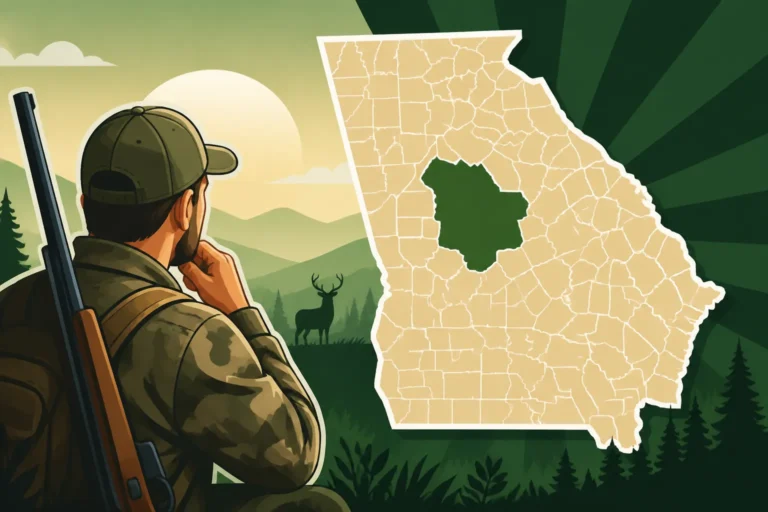
Comprising approximately 867,000 acres, the Chattahoochee-Oconee National Forest is split into two distinct areas: the Chattahoochee portion in North Georgia's rugged mountains and the Oconee portion in the rolling hills of the central Piedmont. This vast expanse offers an incredible diversity of terrain, from high-elevation hardwood ridges and steep draws in the north to pine stands, mixed hardwoods, and creek bottoms in the central part of the state. This varied landscape means that hunting strategies, and even the species you target, can change dramatically depending on which part of the forest you're exploring. You might be focused on climbing big hills for deer in the north one week and still-hunting through flatter timber in the Oconee region the next.
Specific Hunting Opportunities Within the National Forest
The sheer size and varied habitat of the National Forest support robust populations of several game species. Deer hunting here can be challenging, but incredibly rewarding, often producing older, wiser bucks. Bear hunting is a major draw, particularly in the Chattahoochee region, which falls within the Northern Bear Zone. Hunting the North Georgia Mountain Bear Zone Turkey hunting is also popular, with gobblers ranging across the diverse terrain. Beyond big game, the National Forest provides ample opportunities for small game like squirrels and rabbits, and even some migratory birds in certain areas. It truly offers a comprehensive hunting experience for those willing to put in the effort. For those looking for a real challenge, consider Hunting North Georgia Mountain Country where the topography alone can be a serious test.
Accessing These Vast Tracts
Accessing the National Forest is generally straightforward, with numerous forest service roads, logging roads, and hiking trails crisscrossing its expansive acreage. However, "straightforward" doesn't always mean easy. Many of the best hunting spots are deep within the forest, requiring significant walking or navigating rough terrain. This is where modern mapping tools become indispensable. Services like onX Hunt can overlay property lines, showing you exactly where National Forest boundaries lie, along with topographical features, trails, and access roads. It's an absolute game-changer for scouting and navigating in these large, often unmarked areas, helping you avoid accidental trespass and find those hidden pockets that other hunters overlook. Knowing the lay of the land before you step foot out of your truck is critical when facing hundreds of thousands of acres.
Navigating Georgia's Wildlife Management Areas (WMAs)
Beyond the National Forest, Georgia's system of Wildlife Management Areas (WMAs) provides another massive chunk of public hunting ground, totaling around one million acres. These lands are specifically managed for wildlife and public recreation, often with a focus on hunting access.
The Role and Reach of WMAs
Georgia's WMAs are critically important for conservation and hunting access. These are lands that the state either owns outright, leases, or manages through cooperative agreements, with the explicit goal of enhancing wildlife populations and providing public hunting and recreation opportunities. Unlike the more hands-off management of some National Forest areas, WMAs often involve active habitat management, such as prescribed burns, timber thinning, and food plot plantings, all designed to benefit game species. This intensive management often leads to higher game densities in certain areas and more predictable hunting conditions, though it also means very specific regulations you must follow. If you're looking to explore these areas, understanding How Georgia WMAs Are Managed can give you a real edge.
Diversity of WMA Habitats
Just like the rest of Georgia, WMAs offer an incredible variety of habitats. You can find mountain WMAs in the northern part of the state, often adjacent to the Chattahoochee National Forest, with steep terrain and mature hardwoods. In the Piedmont, WMAs might feature rolling hills, mixed pine-hardwood forests, and agricultural fields. Down in the Coastal Plain, you'll encounter pine plantations, cypress swamps, and river bottoms. This diversity means that no two WMAs are exactly alike, and hunters can choose areas that match their preferred hunting style or target species. For example, some WMAs are renowned for their turkey hunting, while others are prime deer territory. You can often find a Finding a Georgia WMA Near You that fits your specific needs.
Permits, Quotas, and Special Hunts
Hunting on a WMA often comes with a few extra requirements. In addition to your standard Georgia hunting license and big game stamp (if applicable), you'll typically need a Georgia WMA license or stamp. These fees go directly back into the management and maintenance of these crucial public lands. Many WMAs also have specific hunt dates, bag limits that differ from statewide regulations, and sometimes even quota hunts where a limited number of hunters are drawn for permits. It's absolutely critical to check the current regulations for the specific WMA you plan to hunt before you go. The Georgia Department of Natural Resources (DNR) website is your best friend here, as rules can change annually. Being aware of Georgia WMA Access Stamp Requirement is just the first step; always read the specific WMA regulations for the dates you plan to hunt.
Exploring Voluntary Public Access (VPA) and Other Lands
While the National Forest and WMAs are the giants of Georgia's public hunting landscape, there are other, often smaller, avenues for hunters to gain access to quality ground. These programs and designations expand opportunities, particularly in areas where traditional public land might be scarce.
Georgia's VPA Program: What It Is and How It Expands Access
The Voluntary Public Access (VPA) program is a fantastic initiative that helps bridge the gap between private land ownership and public hunting opportunity. Through this program, private landowners receive incentives to allow public hunting access on their property for specified periods. These tracts can range in size and offer diverse hunting experiences. What makes VPA so valuable is that it often opens up lands in regions that traditionally have very little public hunting access, providing "new" hunting grounds that might otherwise be unavailable. It's a win-win: landowners get compensation, and hunters get more places to pursue game. Always be sure to check the specific rules for each VPA parcel, as they can vary greatly, and many are walk-in only with restrictions on things like treestand placement. Learning about Georgia Voluntary Public Access Land can unlock new areas for you.
Other Public Access Points
Beyond the major categories, there are a few other types of public land where hunting might be permitted, though often with significant restrictions or specific circumstances. Some Georgia State Parks, for example, occasionally offer special quota hunts, usually for deer management purposes. These hunts are highly controlled, often with very limited participation, but they can be an excellent opportunity for local hunters. Certain federal refuges within Georgia might also have very specific hunt dates and regulations. It's less common, but always worth checking regional DNR resources to see if any such opportunities exist near you. These areas are typically not included in the main acreage counts for general public hunting but represent niche opportunities.
The Importance of Knowing the Rules
With so many different types of public land, each potentially having its own set of rules, regulations, and access requirements, the absolute most important thing a public land hunter can do is their homework. Failing to understand specific WMA regulations, VPA parcel rules, or National Forest motor vehicle restrictions can lead to frustration, wasted time, or even legal trouble. Think of it as part of your pre-hunt scouting – understanding the legal landscape is just as crucial as understanding the physical one. Always verify season dates, bag limits, permitted weapons, and access methods for the specific tract of land you intend to hunt. This due diligence ensures a safe, legal, and enjoyable experience.
Making the Most of Public Land Hunting: Tools and Strategy
So, you know there's plenty of public land out there. Now, how do you actually find it, scout it, and hunt it effectively? It’s not always as simple as pulling off the highway and walking into the woods. Public land hunting, especially in Georgia, often requires a bit more strategic thinking and the right tools.
Essential Mapping and Navigation
Modern technology has revolutionized public land hunting. Gone are the days of relying solely on paper maps and compasses (though those are still great backups!). Today, digital mapping applications like onX Hunt and GoHunt are indispensable. These apps provide detailed satellite imagery, topographic maps, and crucially, property boundary overlays that clearly differentiate public land from private land. You can mark waypoints for potential stand sites, food sources, water, and bedding areas, all from your phone. Being able to visualize the terrain, identify potential pinch points, and understand access points before you even step foot on the ground gives you a huge advantage. They also help you confirm Which Twenty-Six Counties Touch the National Forest to focus your search. Using a tool like onX Hunt allows you to spend less time guessing and more time actually hunting.
Pre-Season Scouting and Planning
Before the season even opens, leveraging these mapping tools for pre-season scouting is paramount. You can spend hours virtually walking different areas, identifying potential cover, food sources, and travel corridors. Look for terrain features that naturally funnel deer, like saddles, creek bottoms, or narrow ridges. Pay attention to changes in timber type, clear-cuts, or natural openings. Once you've identified promising spots, then it's time to put boots on the ground. Visit these areas in the off-season to confirm what you saw on the map, look for sign, and identify actual access routes. This ground-truthing is invaluable. A crucial step is always Scouting Georgia Public Land Before Season to maximize your chances.
Understanding Pressure and Finding Unpressured Areas
Public land often means public pressure, especially during opening weekends or peak rut. Don't let this discourage you. The key is to understand how hunters move and where they typically avoid. Most hunters won't venture far from their vehicles or popular trails. This creates opportunities for those willing to walk further, navigate rougher terrain, or explore less obvious access points. Look for overlooked pockets – small, isolated blocks of public land, thick creek bottoms, steep hillsides, or dense pine thickets that other hunters bypass. These often hold mature animals seeking refuge from pressure. While everyone else is on the main roads, you might be finding success on Finding Ground Others Walk Past by putting in the extra effort.
Challenges and Considerations for Public Land Hunters
While public land offers incredible opportunities, it's not without its unique set of challenges. Being prepared for these can make or break a hunting trip, especially if you're venturing into unfamiliar territory.
Dealing with Crowds
One of the most common complaints about public land hunting is the presence of other hunters. This is especially true during popular seasons like the statewide firearms opener for deer or the public land turkey opener. Why Georgia's Gun Opener Draws the Biggest Crowds because everyone is eager to get out. While you can't control other people, you can control your strategy. As mentioned earlier, walking further than most is a great tactic. Hunting during weekdays, later in the season, or during less popular times can also reduce encounters. Consider hunting areas known for their difficulty, like dense swamps or steep mountain terrain, where fewer hunters are willing to go. Early morning starts and late evening sits can also give you an edge, as you'll be in position before and after most casual hunters. Remember that you’re sharing the resource, and a positive attitude goes a long way.
Regulations and Compliance
The sheer volume and variety of regulations across different public lands can be a headache. WMAs have specific check-in/check-out procedures, designated hunt compartments, and often different season dates or bag limits than statewide rules. National Forests have rules regarding vehicle access, camping, and treestand placement. VPA lands have their own detailed rules for each parcel. It's not enough to know the general Georgia hunting regulations; you must know the specific rules for the exact piece of public land you're hunting. Failing to comply can result in fines, loss of hunting privileges, and even confiscation of game or equipment. Always double-check the current regulations on the Georgia DNR website or through their Go Outdoors Georgia app before each trip. For example, understanding Georgia Public Land Hunting Hours is critical to avoid violations.
Respecting the Resource
As public land hunters, we are stewards of these valuable resources. Our actions reflect on the entire hunting community. This means practicing "Leave No Trace" principles: pack out everything you pack in, and then some. Don't litter, don't damage property, and respect marked boundaries. Be considerate of other users, whether they are hikers, birdwatchers, or fellow hunters. Ethical hunting practices are paramount: ensure clean kills, retrieve all game, and properly dispose of carcasses where appropriate. By treating public lands with respect and responsibility, we help ensure these incredible opportunities remain available for generations to come. It’s not just about what you take from the land, but how you leave it.
Public Land Acreage by Type in Georgia
To give you a clearer picture, here's a general breakdown of the primary public hunting land types in Georgia. Please note these figures are approximate and can vary.
| Public Land Type | Estimated Acreage | Key Features | Primary Game Species | Special Rules/Considerations |
|---|---|---|---|---|
| Chattahoochee-Oconee National Forest | ~867,000 acres | Vast, mountainous (north), rolling hills (central), diverse habitat | Deer, Bear, Turkey, Small Game | Motorized vehicle restrictions, designated camping, no check-in, no WMA stamp |
| Wildlife Management Areas (WMAs) | ~1,000,000 acres | Managed habitat, often specific hunt dates/limits, diverse habitat | Deer, Turkey, Bear, Waterfowl, Small Game | WMA license/stamp required, check-in/out, quota hunts common, specific rules |
| Voluntary Public Access (VPA) | Variable, smaller tracts | Private land opened for public hunting via incentive programs | Deer, Turkey, Small Game | Check specific parcel rules, often walk-in only, no stands left, limited seasons |
| State Parks (limited access) | Variable, small portions | Very restricted hunting, often quota/draw hunts, high public use | Deer (usually antlerless focus) | Extremely limited access, specific dates, non-hunting public present |
Disclaimer: This article is for general informational purposes only and does not constitute professional advice. Laws, prices and regulations vary by location and change over time. Consult a qualified professional for guidance on your specific situation.