Savannah River Corridor Public Ground
Finding dependable public hunting land in Georgia can sometimes feel like trying to untangle a mess of fishing line after a big catch – especially when you're looking at a vast, unique area like the Savannah River Corridor. Hunters often wrestle with pinpointing exact boundaries, understanding varying regulations across different land types, and figuring out what game to expect in such diverse habitats. This guide is dedicated to cutting through that confusion, helping you navigate the public hunting opportunities along the iconic Savannah River, from the upper reaches to the tidal marshes, so you can plan your next successful outing.
The Unique Landscape of the Savannah River Corridor for Hunters
The Savannah River isn't just a line on a map; it's a living, breathing ecosystem that offers some truly distinct hunting experiences in Georgia. This isn't your typical pine plantation or Piedmont hardwood ridge. The corridor presents a blend of riverine forests, vast swamps, upland fringes, and even tidal influences as it nears the coast. Understanding this landscape is key to unlocking its hunting potential.
Geographical Overview and Habitat Diversity
Picture the Savannah River as it winds its way from the foothills of the Appalachians down to the Atlantic Ocean. Along its extensive journey, the river carves out a diverse tapestry of habitats. In its upper and middle sections, you’ll find classic river bottomland hardwoods – massive oaks, hickories, and cypress trees dominating the landscape. These areas are prone to seasonal flooding, creating rich, fertile ground that deer, hogs, and turkeys absolutely thrive in, especially when acorns drop.
As you move further south, especially below the fall line, the river widens, and the floodplain expands dramatically. Here, you'll encounter vast stretches of cypress-tupelo swamps, thick palmetto undergrowth, and dense cane breaks. These dense, often impenetrable areas provide incredible sanctuary for big bucks, elusive black bears, and a myriad of small game. They're challenging to hunt, no doubt, but the rewards can be substantial for those willing to put in the effort.
Closer to the coast, the corridor transforms into tidal marshes and brackish water estuaries. Here, the hunting focus shifts dramatically to waterfowl and alligators, with ducks, geese, and various shorebirds making use of the rich aquatic environment. Even deer will frequent the higher ground edges of these marshlands. This incredible habitat diversity means a hunter needs a flexible mindset and an understanding of how each segment of the river corridor functions.
Historical Significance and Its Impact on Wildlife
The Savannah River has a long and storied history, not just for human settlement but for wildlife as well. For centuries, this river has been a natural migration corridor and a source of sustenance for countless species. The river's historical role as a boundary, a transportation route, and a source of power has shaped the landscape in ways that still impact hunting today. For instance, many of the public lands along the river were once large plantations or timber holdings, and their management practices, both past and present, directly influence the quality of habitat and the density of game animals.
Large tracts of land, sometimes managed for timber or pulpwood, provide different hunting opportunities than more pristine, untouched river bottoms. Old logging roads, forgotten tram lines, and even abandoned homesteads can create natural funnels or clearings that attract wildlife. Moreover, the river itself provides a constant source of water and nutrients, acting as a lifeline through otherwise dry uplands. This makes the river corridor a critical habitat, especially during periods of drought, drawing game from surrounding areas.
Understanding this history helps explain why certain areas hold more game or exhibit particular patterns of movement. For example, historically disturbed areas might offer early successional growth that provides excellent browse for deer, while ancient river bottoms might harbor the mature mast trees that provide crucial fall food sources. It's a landscape shaped by time, water, and human interaction, all contributing to its unique hunting character.
The Allure of River Bottoms and Floodplains
There's something inherently magnetic about hunting river bottoms and floodplains. The sheer biomass these areas support is astounding. During the deer rut, bucks will cruise these corridors searching for does, using the dense cover and natural travel routes to their advantage. Turkeys often roost in the towering trees along the riverbanks and feed heavily on acorns and insects found in the fertile soil. Wild hogs, infamous for their destructive rooting, thrive in the soft, moist ground, and their presence is almost guaranteed in many river-bottom settings.
The challenge, of course, is the often difficult access and physically demanding nature of hunting these areas. Water levels can fluctuate rapidly, making scouting and hunting unpredictable. Swamps can be muddy, thick, and full of biting insects. However, these very challenges are what make them so appealing to many serious hunters. Less accessible areas often translate to less hunting pressure, and therefore, a greater chance of encountering mature animals. Being able to navigate these environments, read the subtle signs, and adapt to changing conditions is the mark of a truly dedicated river-bottom hunter. Hunting Georgia Swamp and River Bottom Deer will give you a deeper dive into these specific tactics.
Deciphering Public Access Points Along the River
The Savannah River Corridor offers a patchwork of public lands, each with its own specific rules and management objectives. It’s not a single, monolithic hunting area, but rather a collection of state and federal properties, along with some innovative programs designed to open up private land. Knowing what kind of land you're on, and what that means for your hunt, is paramount.
State Wildlife Management Areas (WMAs) in the Corridor
Georgia's Wildlife Management Areas (WMAs) are crucial components of public hunting access along the Savannah River. These areas are specifically managed by the Georgia Department of Natural Resources (DNR) to conserve wildlife and provide public recreation, including hunting. WMAs often encompass prime habitats, from expansive river bottomlands to adjacent upland forests. Each WMA typically has its own set of detailed regulations, which can include specific hunt dates, bag limits, weapons restrictions, and even quota hunt requirements.
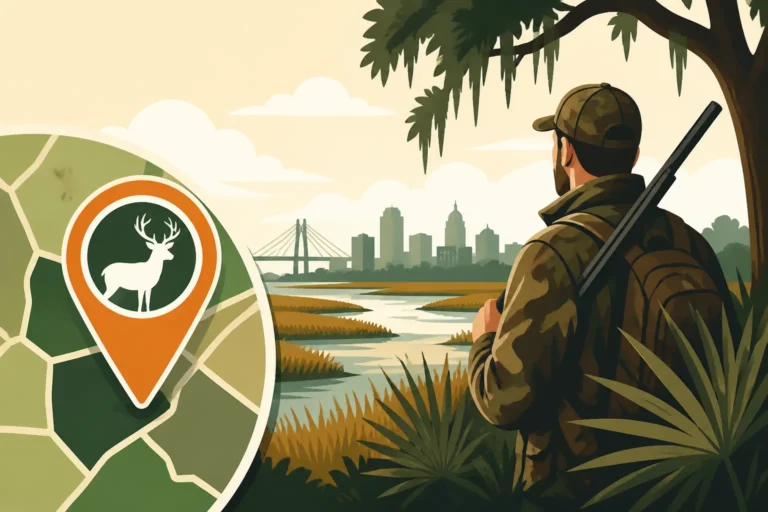
For example, WMAs like the Tuckahoe WMA near the middle reaches of the river, or the Butler Island WMA closer to the coast, offer vastly different experiences and target species. You might find a quota hunt for deer in one, while another emphasizes waterfowl or small game. It’s absolutely essential to check the current regulations for the specific WMA you intend to hunt. The Georgia DNR website is the authoritative source for this information, and many hunters find digital mapping tools like onX Hunt invaluable for overlaying WMA boundaries and regulations onto detailed topographical maps. Georgia Wildlife Management Areas goes into more detail about how these invaluable resources are managed across the state.
Access to WMAs can vary, with some having well-maintained road systems and boat ramps, while others require foot or small watercraft access only. Be prepared for potentially rugged conditions and plan your entry and exit routes carefully. The effort to access less-trodden parts of a WMA can often pay off with less pressure and more undisturbed game.
Federal Lands: Opportunities and Restrictions
Beyond state WMAs, federal lands also play a significant role in the Savannah River Corridor. The U.S. Fish and Wildlife Service manages several National Wildlife Refuges (NWRs) along the river, such as the Savannah NWR, which straddles the Georgia-South Carolina border. These refuges are primarily focused on conservation, particularly for migratory birds, but many offer limited hunting opportunities as a compatible use.
Hunting on NWRs comes with a distinct set of rules, often more restrictive than state WMAs. Seasons might be shorter, specific areas might be closed, and permits are almost always required, often through a lottery or application process. For instance, the Savannah NWR is renowned for its waterfowl hunting, but accessing these opportunities requires careful planning and adherence to their specific permit system. Deer hunting may also be offered in some zones, but again, details vary year to year.
It's critical to consult the specific refuge's website or visitor center for their current hunting plan and regulations. Federal regulations might also impose additional requirements, such as the use of non-toxic shot for waterfowl or specific reporting procedures. While the opportunities can be fantastic, the bureaucracy can feel a bit daunting at first. However, the quality of the habitat and the potential for a unique experience make the effort worthwhile for many hunters.
Voluntary Public Access (VPA) and Private Timber Lands
In addition to dedicated public lands, Georgia also has programs like the Voluntary Public Access (VPA) program, which works with private landowners to open their land for public recreation, including hunting. These parcels can sometimes be found along the Savannah River corridor, offering additional opportunities. VPA lands are usually agricultural or timber properties, and the type of hunting allowed (deer, turkey, small game) is specified in the agreement.
Private timber company lands also occasionally offer public hunting access, sometimes through annual permits or leases. While not strictly "public" in the same way as WMAs, these arrangements can provide vast tracts of huntable land that often abut or are in close proximity to the river. The rules for hunting these lands are set by the individual companies or the VPA program, so thorough research is required. You can often find information on these opportunities through the Georgia DNR website or by directly contacting major timber companies that operate in the region.
When considering VPA or private timber lands, always remember that you are hunting on private property, albeit with permission. Respect for the landowner's rules, minimizing your impact, and leaving no trace are paramount to ensuring these programs continue. Using a mapping app like onX Hunt can be incredibly helpful for identifying these VPA parcels and understanding their boundaries and any associated rules before you even leave home. This tool can also show adjacent private property lines, which is crucial for ethical hunting. Getting Private Land Permission in Georgia is a good read if you're considering expanding your access options.
| Public Land Type | Primary Manager | Typical Game Species | Key Characteristics | Access Complexity |
|---|---|---|---|---|
| State WMAs | GA DNR | Deer, Turkey, Hogs, Small Game, Waterfowl | Actively managed for wildlife & recreation, diverse habitats | Moderate |
| National Wildlife Refuges | U.S. Fish & Wildlife Service | Waterfowl, Deer, Alligator (limited) | Conservation-focused, often strict regulations, permits required | High |
| VPA Lands | GA DNR (via private landowners) | Deer, Turkey, Small Game | Private land opened to public via agreement, rules vary | Moderate |
| Private Timber Lands | Private Companies | Deer, Hogs, Turkey | May require paid permit/lease, rules by company | Varies (often low to moderate) |
What Game You Can Expect to Find (and Harvest!)
The Savannah River Corridor is a vibrant ecosystem supporting a wide array of game animals. While deer are often the main draw, this diverse habitat offers fantastic opportunities for turkey, hogs, small game, and even specialized hunts for waterfowl and alligators. Knowing what species are prevalent in different sections of the corridor will help you tailor your hunting plans.
Deer Hunting Opportunities
White-tailed deer are undoubtedly the most popular game animal in the Savannah River Corridor, and for good reason. The rich bottomland soils, dense cover, and abundant food sources create ideal conditions for a healthy deer herd. You’ll find deer throughout the corridor, but their behavior and size can vary significantly depending on the specific habitat. In the dense river swamps and cane breaks, bucks often grow older due to reduced hunting pressure and ample sanctuary. They might not be as numerous as in open agricultural areas, but the potential for a truly mature buck is very real.
Hunting techniques will need to adapt to the terrain. Treestands are effective on higher ground and along river oxbows, but ground blinds can be essential in the thickest cover, especially in areas where climbing trees is impossible or unsafe due to flooding. Scouting for rubs, scrapes, and travel corridors along slight elevations in the floodplain is critical. Many hunters focus on the edges of swamps where they transition to more manageable timber, or on islands of higher ground within the floodplain. Hunting Georgia Swamp and River Bottom Deer provides excellent strategies for this unique environment. Georgia's generous Georgia's Twelve-Deer Bag Limit means that if you find a productive area, you can truly fill your freezer.
Early archery season can be brutally hot and buggy, but deer are often still in their summer patterns, making food sources predictable. As the season progresses into the firearms period, the hunt becomes more challenging with increased pressure, but the cooler weather and the onset of the rut can bring bucks out of their nocturnal habits.
Turkey and Small Game Potential
The Savannah River Corridor is also a fantastic place to pursue wild turkeys, particularly the Eastern subspecies. The towering hardwoods along the river provide prime roosting sites, and the fertile floodplains offer an abundance of insects, seeds, and acorns that turkeys relish. During the spring, gobblers will strut and call along the riverbanks, on slight rises, and in clearings, echoing through the timber.
Spring turkey hunting in these river bottoms demands patience and stealth. Locating roosted birds the evening before can give you a significant advantage. Early morning setups near known roosts or travel corridors are often productive. However, the thick vegetation can make calling difficult and visibility limited, so getting close before calling is often key. Spring Turkey Hunting in Georgia offers a comprehensive look at how to approach these hunts across the state.
Beyond deer and turkey, the corridor also supports a healthy population of small game. Squirrels are abundant in the hardwood forests, providing excellent table fare and a fun hunting experience. Rabbits can be found in brushy areas and along field edges. Feral hogs are ubiquitous and can be hunted year-round, offering an exciting and challenging pursuit. Feral Hog Hunting Year-Round in Georgia is a must-read for anyone looking to tackle these invasive, yet delicious, animals.
Waterfowl and Alligator Hunting in the Swamps
As the Savannah River nears the coast and its expansive tidal marshes, the hunting opportunities shift dramatically towards waterfowl and alligators. The vast wetlands and estuaries serve as critical wintering grounds for a variety of migratory ducks and geese along the Atlantic Flyway. Wood ducks are particularly common in the flooded timber and cypress swamps, while various dabbling and diving ducks can be found in the open marshes and impoundments.
Waterfowl hunting in this region often involves specialized gear, including decoys, waders, and sometimes even small boats or kayaks to navigate the sloughs and shallow waters. Knowledge of tides is crucial in coastal areas, as rising and falling water levels dictate bird movement and access. Georgia Waterfowl Hunting on Coast and Swamp provides invaluable insight into how to hunt these dynamic environments.
Alligator hunting is another unique and thrilling opportunity available in the lower Savannah River Corridor, but it's exclusively through Georgia's quota hunt system. These hunts are highly regulated and require specific permits. If you're lucky enough to draw a tag, the river's extensive swamp and marsh systems hold some truly impressive gators. This pursuit is not for the faint of heart and requires specialized equipment and often a guide or experienced partner. Georgia Alligator Quota Hunt Rules outlines all the requirements and application process.
Navigating Regulations and Practicalities for a Successful Hunt
Hunting the Savannah River Corridor isn't just about finding game; it's also about understanding the rules, utilizing modern tools, and preparing for the unique practical challenges this environment presents. Disregarding regulations or failing to prepare properly can quickly turn an exciting hunt into a frustrating, or even dangerous, experience.
Essential Licenses and Permits
Before you even consider stepping foot in the Savannah River Corridor with a weapon, you need to ensure you have all the necessary licenses and permits. Georgia has a clear licensing structure that includes a basic hunting license, and often additional privileges for specific game or methods. For instance, deer and bear require a Big Game license in addition to your basic hunting license. If you're planning to hunt migratory birds like ducks or doves, you'll need a Georgia Migratory Bird Stamp and a Federal Duck Stamp, along with your HIP (Hunter Information Program) certification.
Furthermore, many of the public lands, especially federal refuges and certain state WMAs, require specific permits or quota hunt applications. These are often separate from your general hunting license and might involve a lottery system with application deadlines well in advance of the season. Always check the regulations for the specific public land area you intend to hunt. Information on Georgia Hunting Licenses and What They Cost is readily available through the Georgia DNR's "Go Outdoors Georgia" platform, where you can easily purchase licenses and apply for quota hunts online. Keeping proof of your license readily accessible, whether a physical card or on your phone, is also important.
Mapping Tools and Scouting Strategies
Modern mapping tools have revolutionized how we scout and navigate public lands, and they are absolutely indispensable in a complex area like the Savannah River Corridor. Applications like onX Hunt provide detailed satellite imagery, topographical maps, and crucially, public/private land boundaries with property owner information. This is vital for ensuring you are on public land and avoiding accidental trespass. You can download maps for offline use, which is critical in remote river bottom areas where cell service is often nonexistent.
Beyond boundary lines, these apps allow you to mark waypoints for potential stand locations, game sign, water crossings, or even a vehicle parking spot. Before the season opens, use these tools to identify access points, locate islands of high ground, pinpoint funnels between swamps, and visualize travel corridors that deer or turkeys might use. Combine this digital scouting with boots-on-the-ground exploration. Walk the edges of swamps, check for old logging roads, and look for natural bottlenecks. Pay close attention to water levels and observe how they might affect animal movement and your access. Scouting often involves more observation than active searching in such dense cover. Scouting Georgia Public Land Before Season is a great resource for getting started with effective pre-season preparation.
GoHunt, while perhaps better known for Western big game, also offers tools for hunt planning and research, which can be useful for hunters seeking broader strategic insights, even for Georgia. It helps you aggregate information and analyze data points that might influence your overall hunt strategy.
Understanding Georgia-Specific Rules
Georgia has several specific hunting rules that are crucial to understand, especially when hunting in diverse environments like the Savannah River Corridor. For instance, blaze orange requirements vary depending on the season and weapon type. During primitive weapons and firearms seasons, hunters are typically required to wear a certain amount of blaze orange above the waist. However, during archery-only seasons, blaze orange is generally not required, though some public lands might have their own specific rules. Always verify for the specific area and season.
Another key regulation is deer harvest reporting. Every deer harvested in Georgia must be reported through the Georgia Game Check system within 72 hours. This can be done online or via phone. This system is critical for wildlife management and is strictly enforced. Understanding Georgia Deer Harvest Reporting Rules is non-negotiable.
Lastly, be aware of specific rules regarding ATVs or other motorized vehicles on public lands. Many WMAs and federal lands have restrictions on where and when these vehicles can be used, often limiting them to designated trails or roads. Improper vehicle use can lead to fines and loss of hunting privileges. Always check the specific land management unit's rules before planning to use any motorized transport.
Maximizing Your Chances: Tips for Hunting the Savannah River
Hunting the Savannah River Corridor is an experience unlike any other in Georgia. It's often physically demanding, mentally taxing, and requires a certain level of commitment. However, with the right approach and a bit of grit, the rewards can be truly exceptional.
Tackling the Terrain and Weather Challenges
The terrain along the Savannah River can be incredibly varied and challenging. From knee-deep mud in the swamps to tangled cane breaks and dense palmetto thickets, easy walking is rarely an option. Be prepared for wet feet, dense vegetation, and potentially difficult navigation. Investing in good quality rubber boots or snake boots is essential, not just for water but for protection against venomous snakes that thrive in these habitats. Snake Boots for Georgia Swamp Ground are a wise investment.
Weather can also be a major factor. Georgia's humidity can be relentless, especially during the early archery season. Layering your clothing is important, even if it feels warm initially, as temperatures can drop quickly during a cold front, particularly in the late season. Rain gear is a must-have, as sudden downpours are common. Always carry enough water, even for a short hunt, and be prepared for biting insects like mosquitoes and gnats, which can be ferocious. A good bug repellent is your best friend in the river bottom.
Navigating water crossings, whether in a boat or by wading, requires caution. Always know the depth and current before attempting to cross, and never hunt alone in truly remote or treacherous areas. It’s always a good idea to let someone know your hunting plan, including your expected return time and exact location.
Strategies for Different Game Species
Successful hunting in the Savannah River Corridor means adapting your tactics to the specific species and conditions. For deer, focus on transition areas – where swamps meet uplands, or where thick cover funnels into more open timber. Look for old logging roads or subtle rises in elevation that act as natural travel corridors. During the rut, rattling and grunting can be effective, especially if you're targeting those older, reclusive swamp bucks. Rattling and Grunting in Georgia can provide some excellent insights. Consider using a ground blind in areas too thick for treestands, brushing it in well to blend with the natural surroundings.
For turkeys, patience is key. Pre-season scouting for roost trees is invaluable. In the spring, setting up silently near a roost before dawn and calling to a bird as it wakes up is a classic and effective tactic. As the day progresses, covering ground and calling periodically, then listening for a response, can also work. Remember, visibility can be limited, so try to call birds into natural openings or along the edge of a field. Run-and-Gun Turkey Tactics on Public Land can be adapted for the more open sections of the corridor.
Feral hogs can be hunted year-round, and the river bottom is prime hog habitat. Thermal imaging or night vision is incredibly effective for hog hunting, especially during the warmer months when they are most active at night. Setting up over known hog trails or natural wallows can also be productive during daylight hours.
Safety Considerations in Remote River Environments
Hunting in the remote sections of the Savannah River Corridor carries inherent risks that every hunter needs to be aware of. Getting lost in vast swamps or dense river bottom can be a serious issue, especially as darkness falls. Always carry a reliable GPS device or a smartphone with downloaded offline maps (like those from onX Hunt) and a portable charger. Knowing how to read a compass and a physical map, even as a backup, is a valuable skill.
Wildlife encounters can also be a concern. While black bears are present in parts of the corridor, human-bear conflicts are rare. However, encounters with wild hogs can be more frequent and potentially dangerous if a sow with piglets or a cornered boar is encountered. Alligators are another concern, particularly in the lower, more coastal sections. Always be aware of your surroundings, especially near water.
Boating safety is paramount if you're using watercraft for access. Always wear a life vest, especially in strong currents or unfamiliar waters. Be aware of submerged logs, changing sandbars, and shifting water levels. A satellite communication device can be a lifesaver in areas without cell service, allowing you to call for help in an emergency. Preparing for the worst-case scenario means you're much more likely to have a safe and successful hunt.
Disclaimer
This article is for general informational purposes only and does not constitute professional advice. Laws, prices and regulations vary by location and change over time. Consult a qualified professional for guidance on your specific situation.