Oconee National Forest Deer Ground
Many hunters in Georgia often feel overwhelmed when eyeing the vast stretches of public land, especially places like Oconee National Forest. It's easy to look at a map, see all that green, and wonder where on earth to even begin, leading many to overlook its incredible potential for deer. This comprehensive guide is designed to peel back the layers of Oconee's deer ground, offering practical insights into its unique terrain, effective hunting strategies, and critical regulations to help you approach this remarkable public land with confidence and increase your chances of a successful hunt.
Understanding Oconee National Forest as Deer Habitat
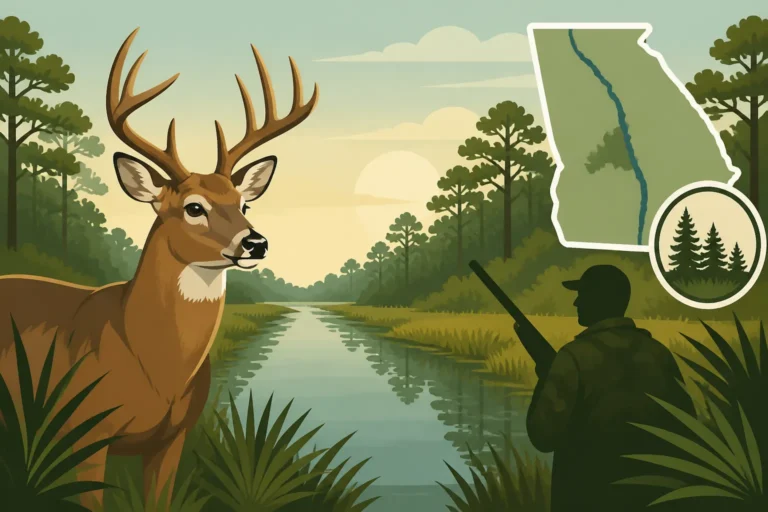
Oconee National Forest, located primarily in Georgia's Piedmont region, offers a distinct and often challenging deer hunting experience. Unlike the wide-open agriculture of the Coastal Plain or the steep grades of the North Georgia mountains, Oconee presents a mixed bag of timber, rolling hills, and numerous creek drainages. It’s a place where adaptability and a keen understanding of deer behavior in diverse cover are paramount.
The Diverse Landscape and Its Impact on Deer
Oconee National Forest isn't just one big, uniform block of trees; it's a dynamic tapestry of landscapes that dictates deer behavior in profound ways. You'll find sprawling sections of mature hardwoods, particularly oaks, which are absolutely crucial when the acorns start dropping in the fall. These areas become instant magnets for deer, offering a high-energy food source that they'll gorge on before the lean winter months set in. But intermingled with these hardwood stands are often younger pine plantations, dense thickets of brush, and even recent clear-cuts from timber management. These younger, thicker areas might not scream 'food plot,' but they are vital bedding and security cover for whitetails, especially older bucks looking to avoid pressure. They offer dense sanctuary where deer can bed down, escape predation, and feel relatively safe from human intrusion. Understanding this mosaic – where the food is, where the cover is, and how they connect – is the first step to truly deciphering the Oconee deer puzzle. It's not enough to just walk through; you need to see the forest through a deer's eyes, identifying those transition zones where they feel safe moving between feeding and bedding.
The topography itself plays a significant role. While not as dramatic as the Appalachian foothills, Oconee features rolling hills and numerous draws and creek bottoms that create natural travel corridors. Deer often use these slight changes in elevation and the cover provided by streamside vegetation to move undetected. During dry spells, these creek beds become even more critical as reliable water sources. Hunters who ignore these subtle topographical features miss crucial pieces of the puzzle. Learning to identify saddles, benches, and funnels between distinct cover types, even on a smaller scale than in mountain regions, can dramatically improve your odds. This varied environment means that deer patterns can shift based on food availability, hunting pressure, and weather, demanding constant observation and strategic thinking.
Key Forage and Water Sources for Oconee Whitetails
Deer in Oconee National Forest rely on a seasonal buffet of forage, and knowing what's on the menu at any given time can make or break your hunt. In the early fall, when Georgia's Archery Season Opens, hard mast, primarily acorns from white oaks and red oaks, becomes the undeniable king of food sources. Deer will literally abandon other food sources to gorge on acorns when they are abundant. Locating active acorn drops, identifiable by fresh scat and disturbed leaves, is like finding a deer magnet. However, don't overlook soft mast like persimmons and muscadines, which can also be highly attractive. These less common but potent food sources can draw deer into specific, often overlooked, pockets of the forest.
As the season progresses and hard mast becomes scarcer, deer shift their diet to browse – twigs, leaves, and buds from various trees and shrubs. Young pine plantations and recent clear-cuts, while providing dense cover, also offer a wealth of new growth that deer will readily consume. Farmers' fields bordering the national forest, if present, can also be major draws, especially for corn or soybean stubble. Recognizing these agricultural edges can be key to success, particularly if you're able to secure permission to hunt nearby private land or if deer are using the edges of the public land to access these fields.
Water, while generally abundant in Oconee due to numerous creeks and streams, is still a critical factor, especially during dry periods or late season. Deer need water daily, and fresh tracks around small springs, seeps, and creek crossings are always worth investigating. Even though water might seem less of a challenge here than in arid regions, understanding how deer access and utilize it within the larger landscape can refine your hunting strategy, pointing you to reliable travel routes and bedding areas nearby. Always remember that even small, seemingly insignificant water sources can be major hubs of activity, particularly for thirsty deer moving between bedding and feeding.
Navigating the Oconee Deer Ground: Access and Tools
Hunting Oconee National Forest means embracing its vastness and learning to navigate effectively. This isn't your grandfather's woodlot; it's a sprawling public resource, and getting around smartly is crucial for both safety and success.
Primary Access Points and Trail Systems
Accessing the heart of Oconee National Forest for deer hunting typically involves a mix of well-maintained main roads, less-traveled forest service roads, and existing trail systems, though many hunters opt to simply strike out cross-country. The primary paved and gravel roads that bisect the forest are excellent for initial reconnaissance and getting deep into different sections. These roads allow you to cover significant ground quickly and observe the general lay of the land, helping you pinpoint promising areas before you ever step foot into the woods. However, relying solely on these main arteries will often place you in areas with higher hunting pressure, as they are the easiest for most hunters to reach.
To escape the crowds and find less-pressured deer, you'll need to venture onto the numerous forest service roads, many of which are unpaved, may require a high-clearance vehicle, and can sometimes be gated or seasonally closed. These roads offer excellent jumping-off points for deep woods excursions. Parking smart, often in small pull-offs or designated spots, and then walking in is the name of the game. For truly remote areas, especially those away from any roads, you'll be relying on established hiking trails or simply navigating through the timber. These trails, while sometimes used by hikers, can also serve as low-impact entry routes into prime habitat. Always be mindful of other forest users and ensure you're aware of any non-hunting areas or restrictions. Apps like onX Hunt are incredibly valuable here, displaying all these roads and trails, helping you plan your ingress and egress points, and ensuring you don't inadvertently wander onto private property.
Utilizing Mapping Technology and Scouting Apps
In today's hunting world, mapping technology isn't just a convenience; it's an indispensable tool, especially when tackling a large public land tract like Oconee National Forest. Forget about getting lost with a paper map and compass (though those are good backups!). Modern apps like onX Hunt and GoHunt provide a wealth of information right at your fingertips, transforming how you scout and hunt. Before you even set foot in the woods, you can digitally "walk" the terrain from your couch. These apps offer detailed satellite imagery, allowing you to identify varying timber types, clear-cuts, mature hardwoods, and even subtle changes in vegetation that might indicate bedding areas or travel corridors. You can mark potential stand locations, historical sign, and strategic entry routes, creating a custom hunting plan.
Beyond satellite views, these apps overlay topographical maps, revealing elevation changes, creek drainages, and ridge lines that might not be obvious on the ground. This feature is invaluable for understanding how deer move with wind and thermals, especially in the rolling terrain of Oconee. Perhaps most critically for public land hunters, they clearly display property boundaries and land ownership. This is absolutely vital for ensuring you stay on public land and avoid trespassing onto private parcels, a common concern when hunting areas like Oconee that often border private holdings. With onX Hunt, for example, you can see not only public versus private land but often even the names of private landowners, which can be useful if you ever decide to try Knocking on Doors in South Georgia Farm Country in adjacent areas. Using these tools for pre-season digital scouting to find Reading Aerial Photos for Piedmont Deer can save you countless hours of unproductive walking and dramatically improve your chances of finding unpressured deer.
Deer Hunting Strategies for Oconee's Unique Terrain
Successfully hunting deer in Oconee National Forest demands a blend of patience, strategic thinking, and an understanding of how deer utilize its specific environment. It's rarely a "gimme" hunt; success here is earned through careful planning and execution.
Still-Hunting and Stand Placement in Mixed Timber
Still-hunting is an art form, and Oconee's mixed timber environment is the perfect canvas for it. The goal is to move through the woods slowly and deliberately, taking a few steps, then pausing for several minutes to scan, listen, and observe. This method allows you to cover ground, actively look for fresh sign, and potentially spot deer before they spot you. In Oconee's diverse landscape, you'll want to focus on areas where different habitat types meet – the edges of a pine thicket bordering mature hardwoods, for instance, or the transition from an old clear-cut into a creek bottom. These "edge" environments are natural travel corridors and feeding areas where deer feel comfortable moving between cover and food. Always pay close attention to the wind direction and thermals, which can shift dramatically in rolling terrain, especially as the sun rises and falls.
When it comes to stand placement, whether it's a treestand or a ground blind, Oconee offers plenty of options, but careful selection is key. Look for classic deer sign such as heavily used trails, fresh rubs on saplings, and active scrapes along logging roads or field edges. Focus on pinch points where deer movement is naturally funneled, like narrow strips of timber between open areas, saddles on a ridge, or the confluence of several drainages. For treestands, prioritize trees that offer good concealment and a clear shot lane to the most likely travel routes. If you're using a ground blind, especially on public land, make sure it's brushed in thoroughly and set up well in advance of your hunt to allow deer to get accustomed to its presence. Think about Treestand Setups in North Georgia Mountains but adapt it to the less severe inclines and more mixed timber of Oconee; look for similar strategic features like saddles and benches, even if they're less pronounced.
Exploiting Topography and Cover for Rutting Bucks
The whitetail rut is an exciting time in Oconee, and understanding how bucks utilize the forest's topography and cover during this period can drastically increase your odds. As bucks become more focused on finding does, they tend to abandon their typical patterns and cruise more widely, often using natural funnels to move efficiently. The rolling hills of Oconee, while not as dramatic as true mountains, still create subtle ridge lines and draws that act as highways for rutting bucks. They will often travel just below the crest of a ridge, using the elevation for security while still being able to observe their surroundings. Targeting these hidden travel routes, especially during the peak of Hunting the Georgia Rut in Mid-October, can be highly effective.
Creek bottoms and thickets also become critical during the rut. Does will often seek refuge in these dense areas to escape persistent bucks, which in turn means bucks will be cruising them heavily. Look for areas where thick cover meets more open timber, creating transition zones that are perfect for ambushing a traveling buck. Funnels created by changes in vegetation, such as a narrow strip of hardwoods between two pine thickets, can also be prime locations. Bucks will take the path of least resistance, and these natural bottlenecks force deer movement into predictable corridors. Using calls like grunts and rattles can be especially effective during the rut, as bucks are more responsive and aggressive when seeking out rivals or does. Understanding these subtle topographical and cover dynamics allows you to place yourself in high-probability areas where a rutting buck is most likely to pass.
Adapting to Hunting Pressure on Public Land
One of the undeniable realities of hunting public land like Oconee National Forest is the presence of other hunters. Ignoring this fact can lead to frustration and empty game bags. To consistently find deer, you must learn to adapt to and mitigate hunting pressure. The easiest areas to access, typically those close to main roads and popular parking areas, will see the most human activity. Deer in these spots quickly become nocturnal or move to denser, harder-to-reach cover. To counter this, be willing to walk further – often much further – than the average hunter. Even an extra half-mile beyond where most people stop can put you into significantly less pressured territory.
Consider hunting during weekdays, if your schedule allows, to avoid the heavy weekend crowds. Early season and late season hunts also tend to see fewer hunters than the peak of firearms season. When scouting, look for signs of human activity, like discarded trash or heavily worn trails that aren't deer trails. These are indicators of pressured zones. Focus your efforts on areas with challenging access, such as thick swamps, dense pine plantations, or steep draws that deter others. Learning to identify Finding Ground Others Walk Past is a key skill for public land success. Apps like onX Hunt can help you visualize these harder-to-reach pockets. Additionally, consider hunting during inclement weather like light rain or cold fronts, as many hunters will stay home, leaving the woods quieter for those willing to brave the elements. Remember, deer quickly learn where humans go, so thinking like an unpressured deer and finding sanctuary is your best bet on public land. It also helps to be aware of Hunting Pressure on Georgia Public Land trends within the state, which can sometimes give you an idea of what to expect.
Rules, Regulations, and Ethical Considerations in Oconee
Hunting in Oconee National Forest, like any public land in Georgia, comes with a specific set of rules and ethical guidelines that every hunter must understand and adhere to. These aren't just suggestions; they are in place for safety, conservation, and to ensure quality hunting opportunities for everyone.
Understanding General Oconee and Georgia Hunting Regulations
Before you even step into Oconee National Forest with your gear, it is absolutely crucial to be well-versed in both statewide Georgia hunting regulations and any specific rules that apply to the National Forest itself or any embedded Wildlife Management Areas (WMAs). First and foremost, you'll need the appropriate Georgia Hunting Licenses and What They Cost, which typically includes a Big Game License if you're pursuing deer. Always carry proof of your license while afield. Oconee National Forest operates under the general statewide deer season dates for archery, primitive weapons, and firearms, but always double-check the current Georgia Department of Natural Resources (DNR) regulations booklet for any specific county-level variations or WMA-specific seasons and restrictions that might apply within its boundaries.
Important rules to remember include bag limits – Georgia has a generous 12-deer annual limit, but only two can be antlered bucks, and there are daily limits as well. You must also adhere to specific legal firearms and ammunition regulations. Blaze orange is a non-negotiable safety requirement during firearms season; understanding Georgia Blaze Orange Requirements is vital for your safety and the safety of others. While Oconee is federal land, Georgia's state hunting laws apply. It’s also important to be aware of non-hunting activities like hiking or camping that may be occurring, and to exercise extreme caution and courtesy around other forest users. Always consult the most current Georgia DNR regulations to avoid any infractions.
Ethical Hunting Practices and Respecting the Land
Hunting isn't just about pursuing game; it's about being a responsible steward of the land and respecting the wildlife. Ethical hunting practices are paramount, especially on public lands like Oconee National Forest, where your actions reflect on the entire hunting community. One of the core tenets is "Leave No Trace." This means packing out everything you pack in, including spent shell casings, food wrappers, and any trash. Leaving a clean camp and hunting area ensures that the forest remains pristine for future generations of hunters and other outdoor enthusiasts.
Proper game recovery is another critical ethical consideration. No hunter wants to lose a wounded animal, and every effort must be made to track and recover any deer you shoot. This might mean spending hours on a blood trail, even into the dark, and using all available resources. Knowledge of techniques like Blood Trailing After Dark in Georgia can be incredibly useful. If you wound an animal and it crosses onto private property, you generally need to obtain permission from the landowner before pursuing it. Respecting private property boundaries and obtaining consent is not only ethical but often a legal requirement. Additionally, treat other hunters with courtesy and respect. Avoid crowding someone's hunting area, be mindful of noise, and always prioritize safety over all else. By adhering to these ethical principles, you contribute to a positive public image of hunting and help preserve our hunting heritage.
Challenges and Rewards of Hunting Oconee
Hunting Oconee National Forest can be tough, no doubt about it. But for those willing to put in the effort, the rewards often transcend the size of the deer harvested. It's an experience that builds character and fosters a deep connection with nature.
Common Obstacles and How to Overcome Them
Hunting Oconee National Forest often throws up its own unique set of challenges that can test a hunter's patience and resolve. One of the most common obstacles is simply the sheer density of the vegetation. Unlike open western landscapes, Oconee often features thick undergrowth, dense pine plantations, and tangled creek bottoms that can make walking difficult, visibility limited, and blood trailing a true test of skill. Moving quietly through these areas requires extreme care, and you'll often find yourself bushwhacking more than walking a clear path. To combat this, invest in durable, brush-resistant clothing and, critically, snake boots. Snake Boots for Coastal Plain Walking are not just for the coast; they are a wise choice for the Piedmont's thick undergrowth and humid environment where venomous snakes reside.
Another challenge is navigation, especially in areas with limited cell service. While mapping apps are powerful, they aren't foolproof if your battery dies or you lose signal. Always carry a backup, whether it's a fully charged portable power bank for your phone, a traditional compass and map, or a dedicated GPS unit. Physical conditioning is also important. Hunting Oconee often involves miles of walking over uneven, sometimes hilly terrain, and dragging out a deer from a remote area can be an exhausting endeavor. Prepare yourself physically before the season. Finally, hunting pressure can be a significant obstacle, as discussed earlier. Overcoming this involves persistence, a willingness to walk further, and an ability to adapt your strategies to find those less-disturbed pockets of the forest. Don't let frustration get the best of you; these challenges are part of the Oconee experience and make success all the more meaningful.
The Unique Rewards of Success in Oconee
Despite the challenges, hunting Oconee National Forest offers a profound sense of reward that is truly unique, especially when you punch a tag. There's an unparalleled satisfaction that comes from outsmarting a wild whitetail on public land, a feeling that often surpasses simply harvesting an animal. It’s a testament to your scouting efforts, your ability to read the landscape, and your patience in difficult conditions. Each deer harvested from Oconee represents a hard-won victory, a culmination of effort against a backdrop of natural beauty and wildness. This isn't a high-fence operation; it's fair chase in a truly wild setting, and that distinction matters deeply to many hunters.
Beyond the thrill of the harvest, success in Oconee deepens your connection to Georgia's natural heritage. You've spent hours immersed in the sounds, sights, and smells of the forest, observing its intricate ecosystems and becoming a part of it. This connection fosters a greater appreciation for conservation and the preservation of public lands like Oconee National Forest. And, of course, there's the tangible reward of venison – lean, organic, and harvested by your own hand. Sharing wild game meat with family and friends is a tradition as old as hunting itself, and the stories that come with a deer from Oconee are often richer and more compelling because of the effort involved. It's not just meat; it's a memory, a story of perseverance, and a deep sense of accomplishment.
| Habitat Feature | Deer Usage (Food/Cover) | Hunting Strategy | Best Time to Hunt |
|---|---|---|---|
| Mature Hardwoods | Primary food source (acorns), some bedding cover | Scout for active acorn drops; still-hunt slowly | Early to mid-fall (acorn drop) |
| Pine Plantations | Dense bedding and security cover, some browse | Hunt edges, trails leading in/out; morning/evening | All season, especially mid-day for bedding deer |
| Clear-Cuts | Abundant browse (food), thick cover | Hunt perimeters, funnels; ambush points at transition | All season, particularly early/late season |
| Creek Bottoms | Water source, travel corridors, dense cover | Hunt crossings, trails along banks; funnels | All season, especially dry periods for water |
| Ridge Lines/Saddles | Travel corridors, vantage points for bucks | Hunt saddles and benches during rut; morning/evening | Rutting phase (mid-October to mid-November) |
| Agricultural Edges | High-value food (corn, soybeans, peanuts) | Hunt transition zones into national forest, morning/evening | Post-harvest, or when crops are maturing |
Disclaimer
This article is for general informational purposes only and does not constitute professional advice. Laws, prices and regulations vary by location and change over time. Consult a qualified professional for guidance on your specific situation.